Estimated Reading Time: 10 minutes
TL;DR: - Biochar can enhance soil fertility and reduce costs for Kenyan farmers.- It helps in water retention and carbon sequestration.- Best applied with compost for optimal nutrient activation.- Reduces reliance on chemical fertilizers, promoting sustainability.- Aligns with climate resilience efforts in East Africa.
Key Takeaways:- Biochar improves maize yields by 30%.- Optimal application rates: 10-15 tons/ha for sandy soils.- Pyrolysis of agricultural waste is key for production.- Mixing with compost activates nutrients effectively.- Addresses climate change by sequestering carbon.
Explore sustainable organic farming solutions with Biofarm KenyaBackground & Context
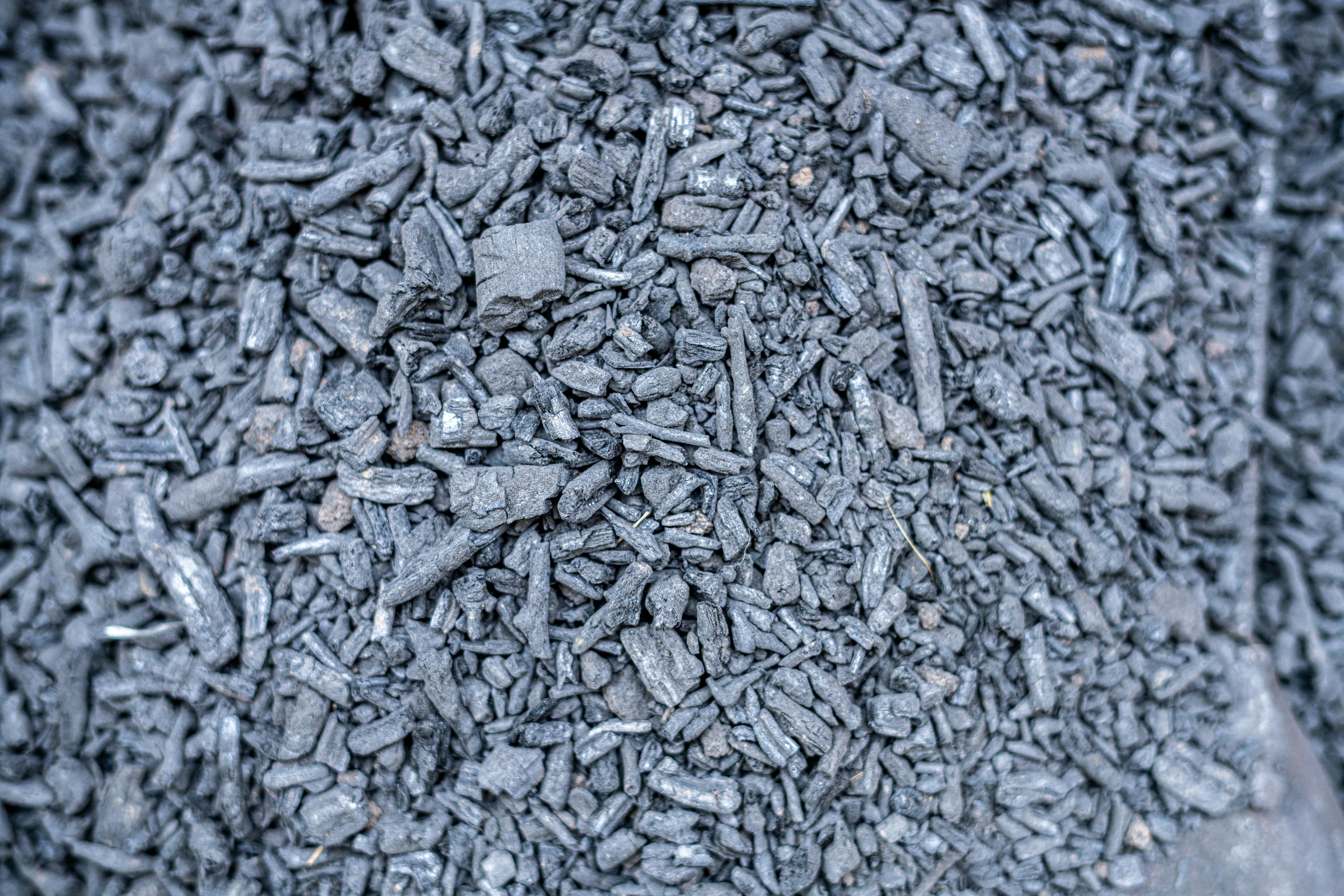
Sustainable agriculture is gaining notable traction in Kenya, with biochar at the forefront. As smallholder farmers grapple with erratic rainfall and soil degradation, biochar offers a sustainable solution. According to a 2025 Jomo Kenyatta University study, biochar use can improve maize yields by 30%, highlighting its potential as a formidable tool against soil infertility and climate unpredictability.
Key Insights or Strategies
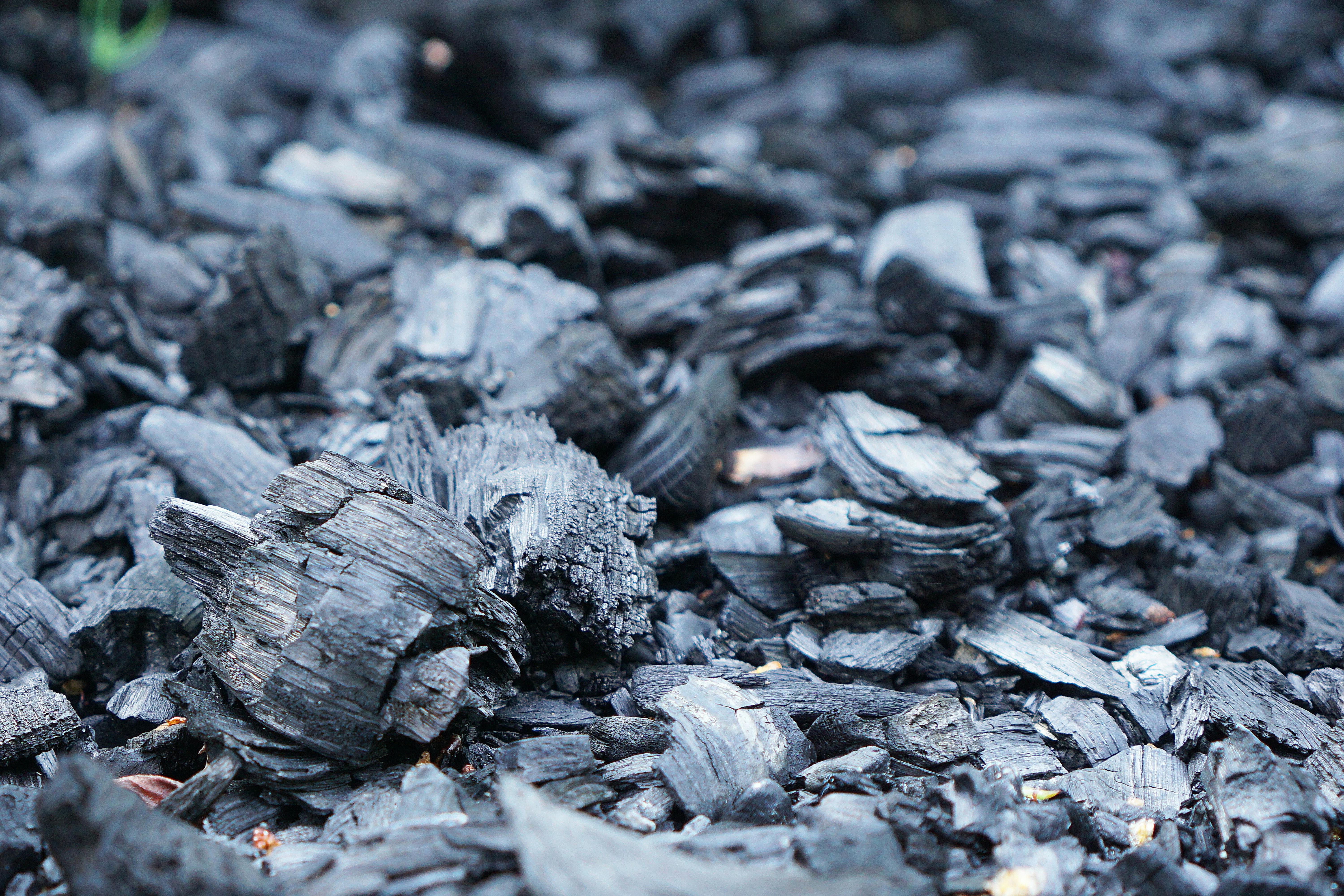
1. Production of Biochar via Pyrolysis
- Collect agricultural waste like maize cobs and rice husks.
- Utilize pyrolysis to convert this biomass into biochar.
- Ensure there is minimal free oxygen to enhance carbonization.
Boost your production with the
Dramm Drammatic® Organic™ Original Fertilizer – available on Amazon.
2. Mixing Biochar with Compost
- Combine biochar with rich compost to facilitate nutrient activation.
- Apply this mix to targeted areas for efficient results.
Explore sustainable organic farming solutions with Biofarm KenyaCase Studies, Examples, or Comparisons
Biochar practices in Kenya showcase its capabilities. A study in
Kenya and Colombia demonstrates how local priorities drive biochar's application, from reducing smoke exposure to enhancing soil fertility.
Common Mistakes to Avoid
- **Overapplication of Biochar:** Avoid using biochar alone without composting, as this may stunt plant growth.- **Failure to Adjust pH:** Incorrect pH balance can hinder nutrient uptake.- **Improper Irrigation Techniques:** Inefficient water use diminishes biochar efficiency.
Expert Tips or Best Practices
- Maintain healthy soil with the
Purple Cow Organics All Purpose Veggie Mix.- Regular soil testing ensures balanced nutrient levels, fostering optimal growth.
Explore sustainable organic farming solutions with Biofarm KenyaFuture Trends or Predictions
Futuristic agricultural methods like vertical farming and smart irrigation systems are set to streamline operations in East Africa. Such technologies, paired with biochar, promise lower ecological footprints and heightened productivity levels.
Conclusion
Harness biochar to revitalize soils and enhance yields sustainably. For all your organic farming needs, explore trusted tools on
Amazon and
discover sustainable solutions with Biofarm Kenya.
FAQs
What is biochar and how is it made?
Biochar is a carbon-rich material obtained from the pyrolysis of agricultural waste.
Learn more.
How does biochar improve soil health?
It enhances water retention, improves nutrient availability, and reduces soil acidity. See details in this
NEMA report.
Can biochar be used in sandy soils?
Yes, biochar is ideal for sandy soils, aiding in water and nutrient retention. Application rates typically range from 10 to 15 tons per hectare.
What are the benefits of mixing biochar with compost?
Mixing biochar with compost activates nutrients for plant uptake, enhancing growth conditions. See
Biofarm's insights.
What are the limitations of biochar?
Biochar's efficacy varies with soil type, crop needs, and environmental conditions. Research by the
Kenya Bureau of Standards provides further details.
Does biochar contribute to climate change mitigation?
Indeed, biochar sequesters carbon in soils, aiding in climate change mitigation efforts. Find a comprehensive study
here.


0 Comments