

Estimated Reading Time: 12 minutes
TL;DR:- Transitioning from chemical to organic fertilizers boosts soil health in Kenya.- Composting, vermicomposting, and biochar are effective alternatives.- Organic methods improve water retention by 30% and reduce soil degradation.- Local material sourcing and 3-stage composting maximize nutrient content.- Discover effective fertilizers on Amazon and explore more with Biofarm Kenya.Key Takeaways:1. Implement composting and vermicomposting for healthier soils.2. Use biochar for improved water retention and sustainable farming.3. Explore products that aid organic farming and enhance soil fertility.4. Engage with Biofarm Kenya for innovative farming solutions.5. Transition strategically to reduce reliance on chemical inputs.Background & Context
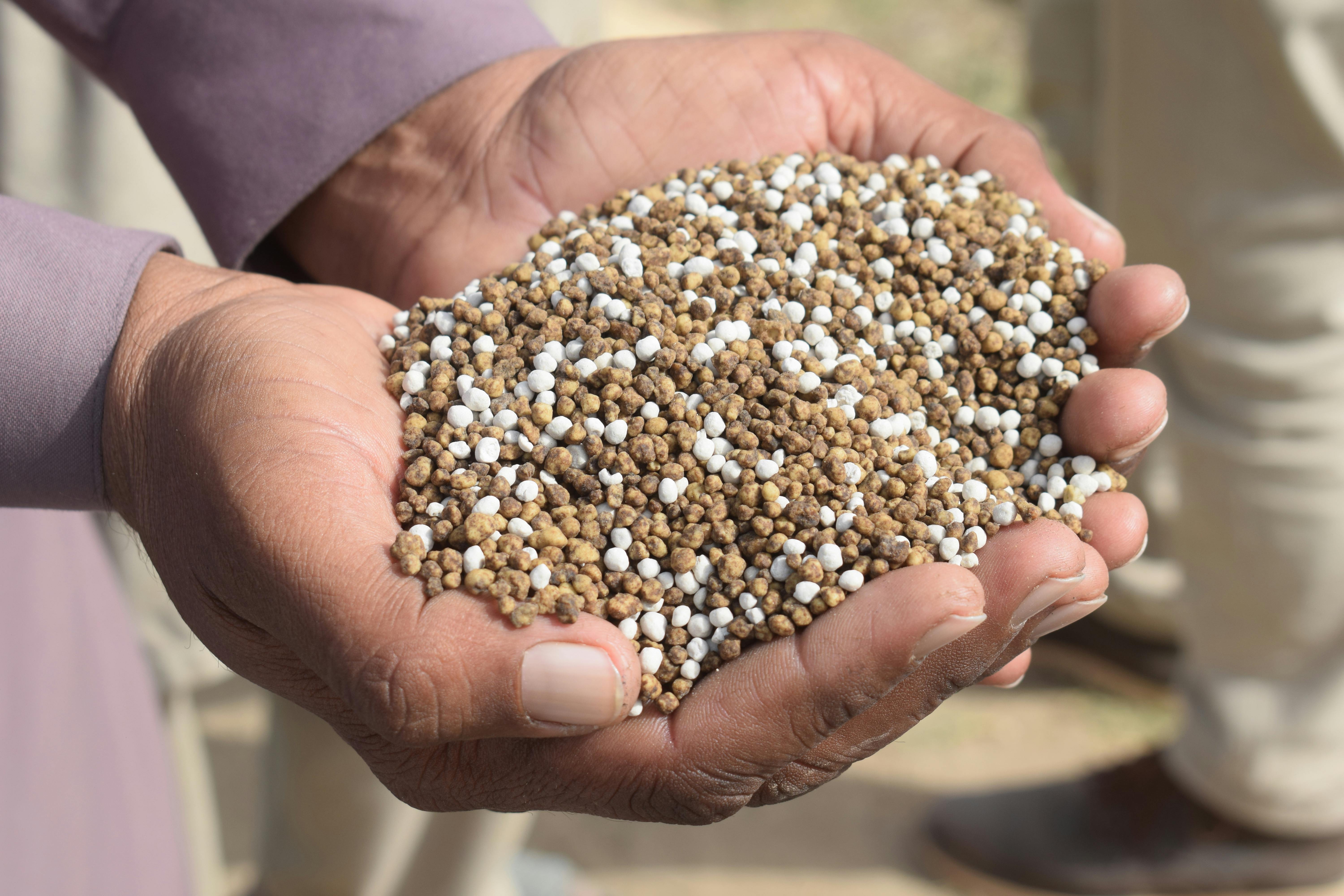 Sustainable agriculture is increasingly vital in Kenya, where farmers face challenges like soil degradation and unreliable rainfall. With rising searches for 'organic fertilizer alternatives' and 'soil health recovery,' Kenyan farmers are particularly interested in transitioning to organic inputs. The focus has shifted to composting, vermicomposting, and biochar as pathways to improve soil health, water retention, and long-term productivity. According to the Kenya Agricultural Research Institute (KARI), these methods can enhance water retention by 30% and mitigate soil degradation issues.
Key Insights or Strategies
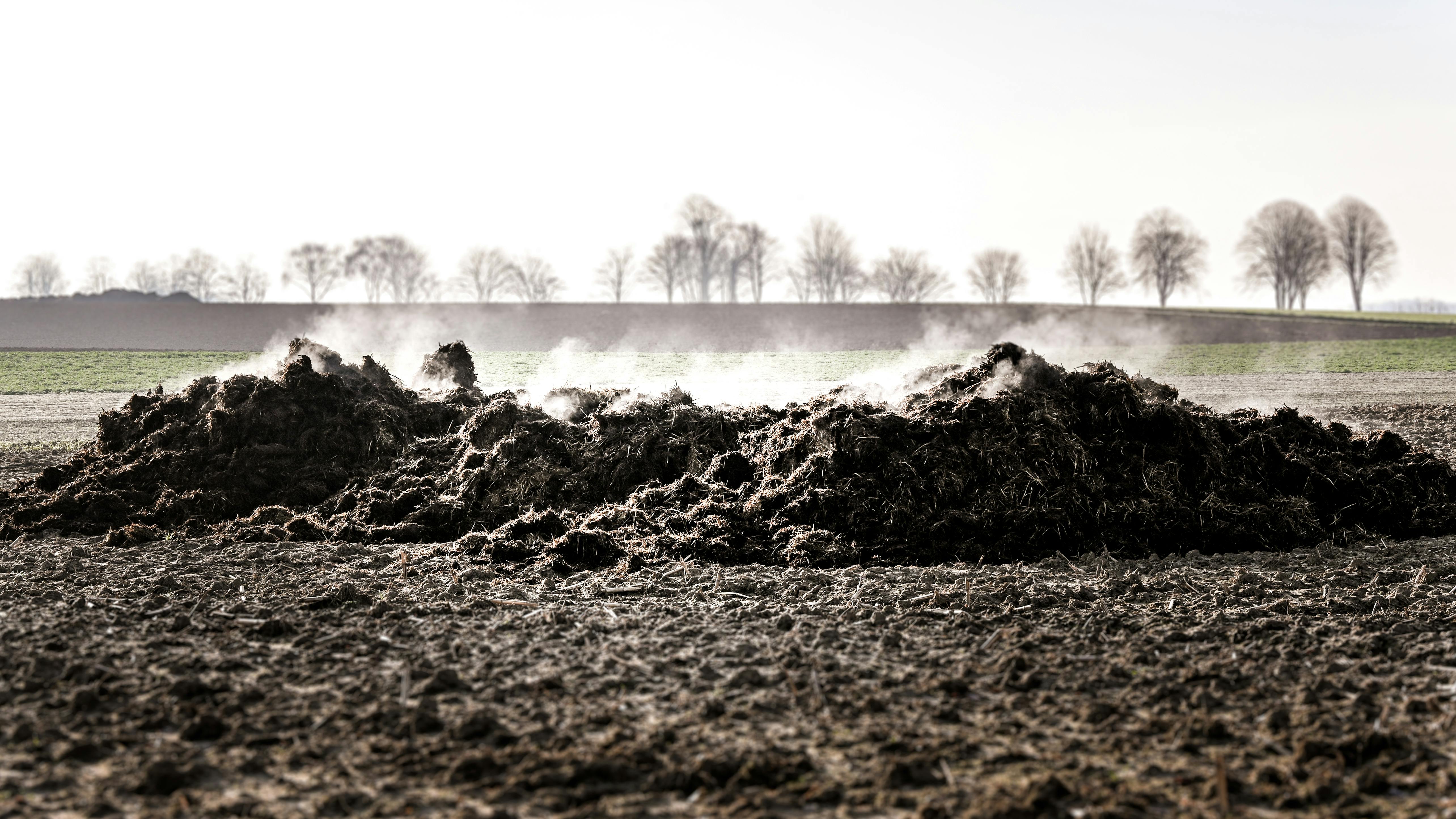
Composting and Vermicomposting
- Gather organic waste such as plant scraps and manure.
- Create a balanced compost heap with green and brown materials.
- Turn the pile every few weeks to ensure aeration.
- Use finished compost to enrich garden beds and crops.
Using Biochar
- Collect organic materials like wood and agricultural residues.
- Burn them in a low-oxygen environment to create biochar.
- Integrate biochar into soil to boost water retention and nutrient availability.
Case Studies, Examples, or Comparisons
Farmers across Kenya have adopted these practices with notable success. For instance, a farmer in the Rift Valley switched to vermicomposting, seeing a 40% increase in maize yield due to enhanced soil structure and fertility. The Food and Agriculture Organization (FAO) notes that these methods significantly contribute to food security and agricultural resilience.Common Mistakes to Avoid
1. **Overusing Biochar:** Can lead to soil imbalances.2. **Improper Composting Techniques:** Lead to poor nutrient content.3. **Ignoring Local Materials:** Elevates costs unnecessarily.4. **Skipping Soil Testing:** Causes mismanagement of soil health.Expert Tips or Best Practices
- **Local Material Sourcing:** Utilize available resources to keep costs down while maintaining ecological balance.- **3-Stage Composting Process:** Start with a base layer, followed by alternating green and brown materials for optimal results.- Maintain healthy soil with Down to Earth Organic Fertilizer.Explore sustainable farming solutions with Biofarm Kenya.Future Trends or Predictions
Looking ahead, innovations like smart irrigation systems, vertical farming, and AI-driven crop management are poised to revolutionize Kenyan agriculture. As these technologies become more accessible, they will likely enhance the efficacy of organic farming practices.Conclusion
Increasing soil health through organic fertilizers is not just a sustainable choice, but a crucial one for Kenya's agricultural future. By adopting composting, vermicomposting, and biochar, farmers can improve yields while fostering an eco-friendly farming culture. Discover trusted organic farming tools on Amazon and learn more about sustainable solutions with Biofarm Kenya.FAQs
1. What are organic fertilizers?Organic fertilizers are natural substances used to enhance soil fertility and plant growth. Unlike chemical fertilizers, they are derived from organic matter like animal manure, plant residues, and compost. More on this at the FAO website.2. How does biochar improve soil health?
Biochar increases soil fertility by retaining nutrients and moisture. It also enhances soil structure and microbial diversity. Learn more.3. What is vermicomposting?
Vermicomposting is the process of using earthworms to convert organic waste into nutrient-rich compost. Earthworms help break down organic matter and enrich soil. Details here.4. Why should I test my soil?
Soil testing provides essential information about nutrient levels and pH, enabling you to tailor your fertilization strategy effectively. Visit the NEMA site for guidelines.5. What is the impact of chemical fertilizers?
While beneficial short-term, chemical fertilizers can degrade soil health, leading to reduced fertility and pollution. Read more at the Ministry of Agriculture.6. How can Biofarm Kenya assist with organic farming?
Biofarm Kenya offers resources, expertise, and community support for transitioning to organic farming practices. Discover more at Biofarm Kenya.


0 Comments