

Estimated Reading Time: 15 minutes
TL;DR: - Crop rotation with legumes boosts soil fertility by increasing nitrogen levels.- Reduces fall armyworm infestation.- Increases yields by 23% compared to monoculture.- Supports sustainable agriculture in Kenya.- Relies on KALRO's proven trials.Key Takeaways: 1. Implement a two-year crop rotation with maize and legumes to enhance soil nutrition.2. Select drought-resistant legumes like pigeon peas.3. Optimize plant spacing for dual cropping benefits.4. Incorporate organic fertilizers to promote sustainable farming.5. Monitor progress with soil testing kits for maximum efficacy.- Background & Context
- Key Insights or Strategies
- Case Studies, Examples, or Comparisons
- Common Mistakes to Avoid
- Expert Tips or Best Practices
- Future Trends or Predictions
- Conclusion
- FAQs
Background & Context
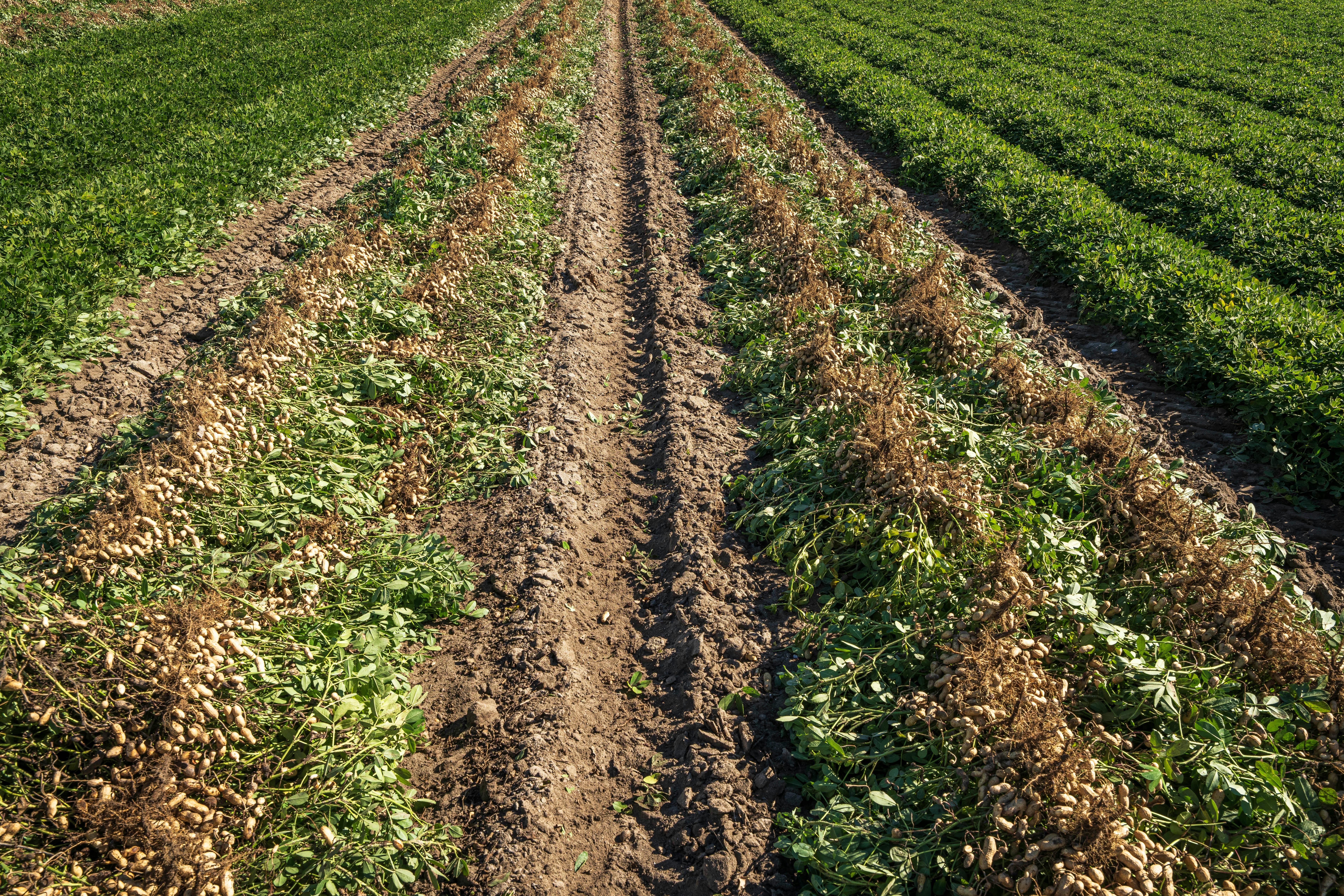
Kenya's farming community is increasingly exploring sustainable agriculture to combat soil fertility loss. The two-year crop rotation system pairing maize or sorghum with legumes like pigeon peas or cowpeas is gaining popularity. Studies by FAO and other agricultural bodies confirm that such rotations enhance nitrogen levels, vital for soil health.
Key Insights or Strategies

Implementing Crop Rotation
- Select a suitable maize and legume combination based on local climate conditions.
- Plan an appropriate planting cycle to maximize yield.
- Utilize soil testing kits to monitor nitrogen levels.
Explore sustainable organic farming solutions with Biofarm Kenya.
For a comprehensive garden setup, consider the Automatic Drip Irrigation Kit – available on Amazon.
Case Studies, Examples, or Comparisons
Studies by CGIAR showcase Kenyan farmers adopting rotation systems that have led to a 23% increase in yield. Successful cases from KALRO validate the efficacy of integrating legumes to fix atmospheric nitrogen.
Common Mistakes to Avoid
- Over-reliance on chemical fertilizers: Opt for organic options such as the Dramm Drammatic® Organic™ Fertilizer for sustainable growth.
- Poor rotation planning: Ensure adequate spacing and crop variety to minimize pest issues like the fall armyworm.
Expert Tips or Best Practices
For optimum soil health, a mix of organic inputs and regular monitoring is essential. Maintain healthy soil with the Key To Life Organic Fertilizer.
Explore sustainable organic farming solutions with Biofarm Kenya.
Future Trends or Predictions
East Africa's agribusiness scene is leaning towards smart technologies. Innovations like AI-driven crop monitoring and vertical farming are emerging as viable solutions against climate volatility. Reference ResearchGate for in-depth analyses.
Conclusion
Implementing a strategic crop rotation plan with legumes presents an opportunity for Kenyan farmers to improve soil fertility sustainably. Discover trusted organic farming tools on Amazon and learn more about sustainable solutions with Biofarm Kenya.
FAQs
- What is the best crop rotation strategy?
For detailed guidance, consult IFOAM. - Can legumes fix enough nitrogen for other crops?
Yes, referencing Frontiers in Sustainable Food Systems. - How do I control fall armyworms?
Visit NEMA Kenya for integrated pest management strategies. - What are the benefits of using organic fertilizers?
Organic fertilizers improve soil structure and biodiversity, as outlined by Agroberichten Buitenland. - Why is soil testing important?
For comprehensive insights, read MIT's studies on soil health. - What are other sustainable farming options?
Consult the College of Sustainable Agriculture for Eastern Africa for a range of techniques.


0 Comments