

Estimated Reading Time: 11 minutes
TL;DR: Discover how intercropping with legumes like beans and cowpeas boosts soil fertility, reduces fertilizer costs by 30%, and increases profits by 25%.
Key Takeaways:
- Legume intercropping enhances soil nitrogen levels naturally.
- Optimizing spacing and crop selection are crucial for success.
- Reduces dependency on synthetic fertilizers, leading to cost savings.
- Example from KARI shows 25% higher net profits with intercropping.
- Sustainable farming practices foster long-term soil health.
Table of Contents
Introduction Background & Context Key Insights or Strategies Case Studies, Examples, or Comparisons Common Mistakes to Avoid Expert Tips or Best Practices Future Trends or Predictions Conclusion FAQsIntroduction
In today's challenging economic climate, Kenyan farmers increasingly seek cost-effective soil fertility solutions amid rising fertilizer prices. Intercropping with nitrogen-fixing legumes such as beans and cowpeas alongside cereals offers a viable solution. This sustainable farming practice can reduce synthetic fertilizer use by 30% while boosting yields, offering a profitable path forward in agriculture.
Background & Context

Kenya's agricultural sector is the backbone of its economy, with significant contributions from smallholder farmers. However, escalating costs of fertilizers have prompted the need for sustainable alternatives. According to the FAO, organic farming promotes biodiversity and improves soil health.
Key Insights or Strategies
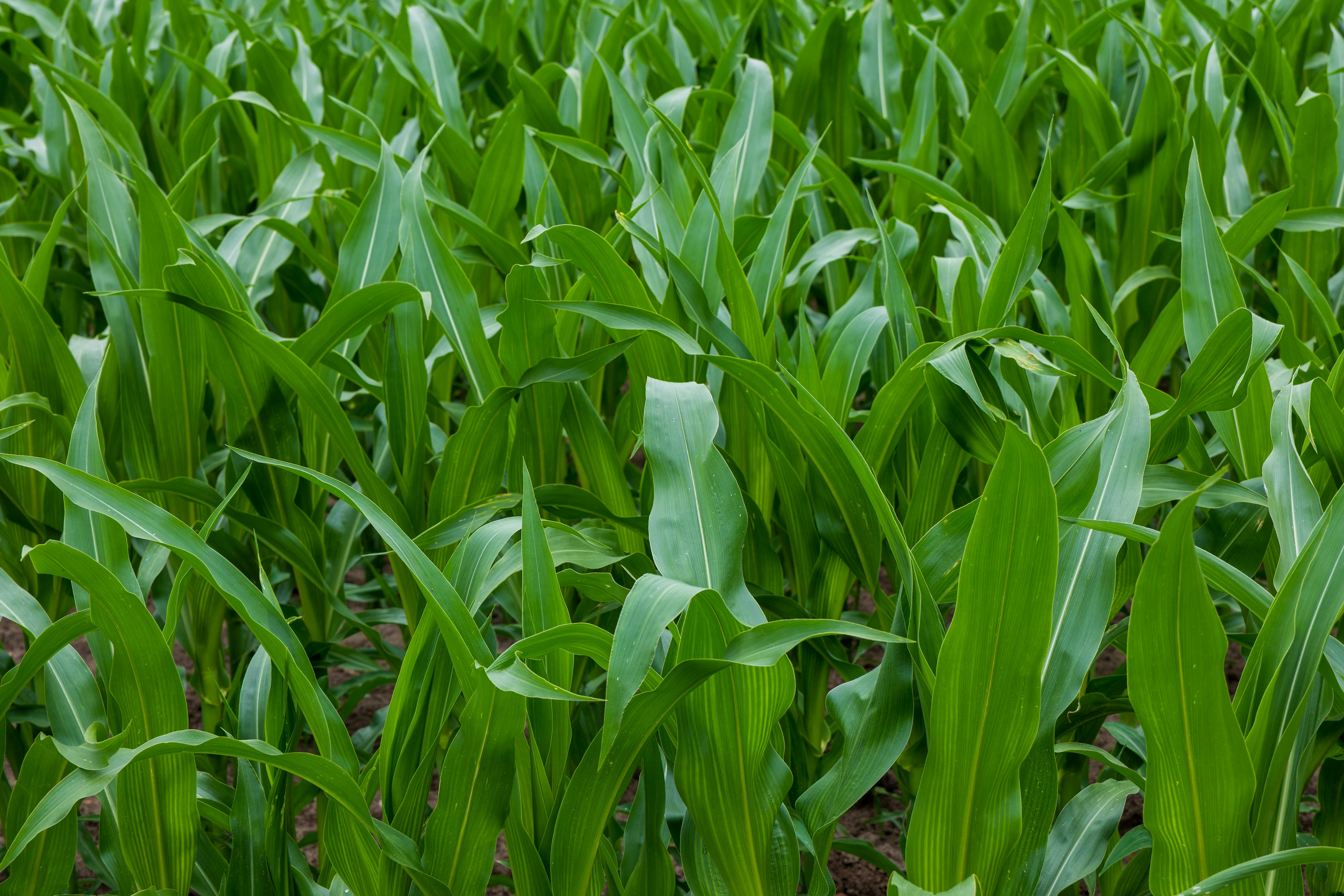
Strategic Intercropping with Legumes
- Select compatible legume-cereal pairs based on climate and soil conditions.
- Optimize row spacing to maximize light and resource sharing.
- Regularly monitor for pests and diseases to manage mixed cropping systems efficiently.
Boost your yields with the Purple Cow Organics All Purpose Veggie Mix – available on Amazon.
Explore sustainable organic farming solutions with Biofarm Kenya
Case Studies, Examples, or Comparisons
The Kenya Agricultural Research Institute (KARI) study highlights farms using intercropping practices achieved 25% higher net profits compared to monoculture plots due to savings on input costs and diversified harvests. Learn more about similar successes at the Alliance for Food Sovereignty in Africa.
Common Mistakes to Avoid
- Overcrowding crops leads to competition for nutrients and reduced yields.
- Neglecting pest management can result in crop failure in mixed systems.
- Using incompatible crop pairs may hinder growth and resource efficiency.
Expert Tips or Best Practices
Maintain healthy soil with Key To Life Silver Bullet Fertilizer – ideal for both indoor and outdoor plants.
Explore sustainable organic farming solutions with Biofarm Kenya
Consider a MySoil Soil Test Kit for monitoring essential nutrients and pH levels regularly.
Future Trends or Predictions
Looking ahead, innovations such as smart irrigation, vertical farming, and AI-driven crop monitoring are set to revolutionize Kenyan agriculture. Embracing these technologies alongside traditional practices will enhance productivity and sustainability.
Conclusion
Intercropping legumes with cereals offers an effective strategy for Kenyan farmers to reduce costs and improve yields. Discover trusted organic farming tools on Amazon and learn more about sustainable solutions with Biofarm Kenya.
FAQs
- What is intercropping? Intercropping is the practice of growing two or more crops in proximity, optimizing the use of resources like light and nutrients for improved productivity. Learn more here.
- How do legumes fix nitrogen? Legumes harbor nitrogen-fixing bacteria in their roots, converting atmospheric nitrogen into a form that plants can use. Learn more from the FAO.
- What are the benefits of reduced synthetic fertilizer use? Lower costs, reduced environmental impact, and improved soil health are key advantages. Research more at the National Environment Management Authority.
- What crops are suitable for intercropping with legumes? Cereals like maize and sorghum are ideal pairs with legumes like beans and cowpeas. Kenya Agricultural & Livestock Research Organization provides guidelines.
- How can I get started with intercropping? Begin by evaluating your local climate and soil conditions, and seek advice from Biofarm Kenya.
- Are there government incentives for sustainable farming? Yes, the Kenyan government offers various subsidies and programs to support sustainable agriculture. Explore options at the Ministry of Agriculture.



0 Comments