

Estimated Reading Time: 9 minutes
TL;DR:Kenya's agricultural sector, a cornerstone of its economy, faces challenges from climate change and market volatility, pushing small farmers to innovate.Shifting focus beyond traditional cash crops like avocados to indigenous varieties, integrating aquaculture, and adopting value addition unlocks higher, more stable profits.Sustainable practices such as regenerative agriculture and smart farming technologies are crucial for long-term ecological and economic resilience.Avoiding common pitfalls like poor market research and inadequate record-keeping is vital for maximizing profitability and ensuring farm sustainability.Government initiatives and collaborative efforts are increasingly supporting small-scale farmers in transitioning to more diversified and resilient farming systems.
Key Takeaways:Diversify Beyond Avocado Risks: Explore high-demand indigenous crops (e.g., African leafy vegetables, cassava, sorghum) to reduce reliance on single-crop markets and enhance food security.Embrace Aquaculture: Integrate fish farming (Tilapia, Catfish) into your farm system for additional income streams, efficient resource use, and protein diversification.Add Value to Produce: Implement simple post-harvest processing, packaging, and direct marketing strategies to significantly increase profit margins and reach wider markets.Adopt Smart & Sustainable Farming: Invest in climate-smart agricultural practices like water harvesting, agroforestry, and precision farming techniques for improved yields and environmental resilience.Leverage Knowledge & Networks: Continuously educate yourself on market trends, soil health, and financial management, and connect with farmer cooperatives and support programs for shared growth.
Table of ContentsIntroduction: Cultivating a Greener Future in KenyaBackground & Context: The Shifting Sands of Kenyan AgricultureKey Insights & Strategies: Unlocking True Profit in Kenyan Farming
- Embracing Indigenous & Drought-Resistant Crops
- The Blue Revolution: Integrating Aquaculture
- Maximizing Returns Through Value Addition
- Leveraging Smart Farming & Technology
Introduction: Cultivating a Greener Future in Kenya
Kenya's vibrant agricultural landscape is the heartbeat of its economy, sustaining millions and fueling national growth. For generations, farming has been more than just a livelihood; it's a way of life. Yet, as global climates shift and markets fluctuate, the traditional approaches to agriculture are increasingly challenged. Many small-scale farmers, often relying on a few cash crops, find themselves vulnerable to unpredictable weather patterns, pest infestations, and volatile commodity prices. The common narrative often highlights the pursuit of high-value crops like avocados, but what if the true path to prosperity lies in looking beyond these conventional risks? This article delves into how to Unlock Kenya's farming strategy for profit. Go beyond avocado risks with indigenous crops, aquaculture, and value addition. Smart farming moves for small farmers are not just an aspiration but an achievable reality, paving the way for sustainable wealth creation and environmental resilience.Background & Context: The Shifting Sands of Kenyan Agriculture
Agriculture remains the backbone of Kenya's economy, contributing approximately 21.2% to the Gross Domestic Product (GDP) in 2022 and employing over 70% of the rural population. Despite its critical role, the sector is grappling with significant challenges, particularly for smallholder farmers who make up the vast majority. Climate change, characterized by erratic rainfall and prolonged droughts, severely impacts crop yields and livestock health. Furthermore, reliance on monoculture or a limited range of cash crops, like avocados, can lead to market saturation and price crashes, leaving farmers exposed to significant financial losses. The push for diversification and sustainable practices is no longer just an environmental concern but an economic imperative for survival and growth in a rapidly changing world (Kenya National Bureau of Statistics, 2023).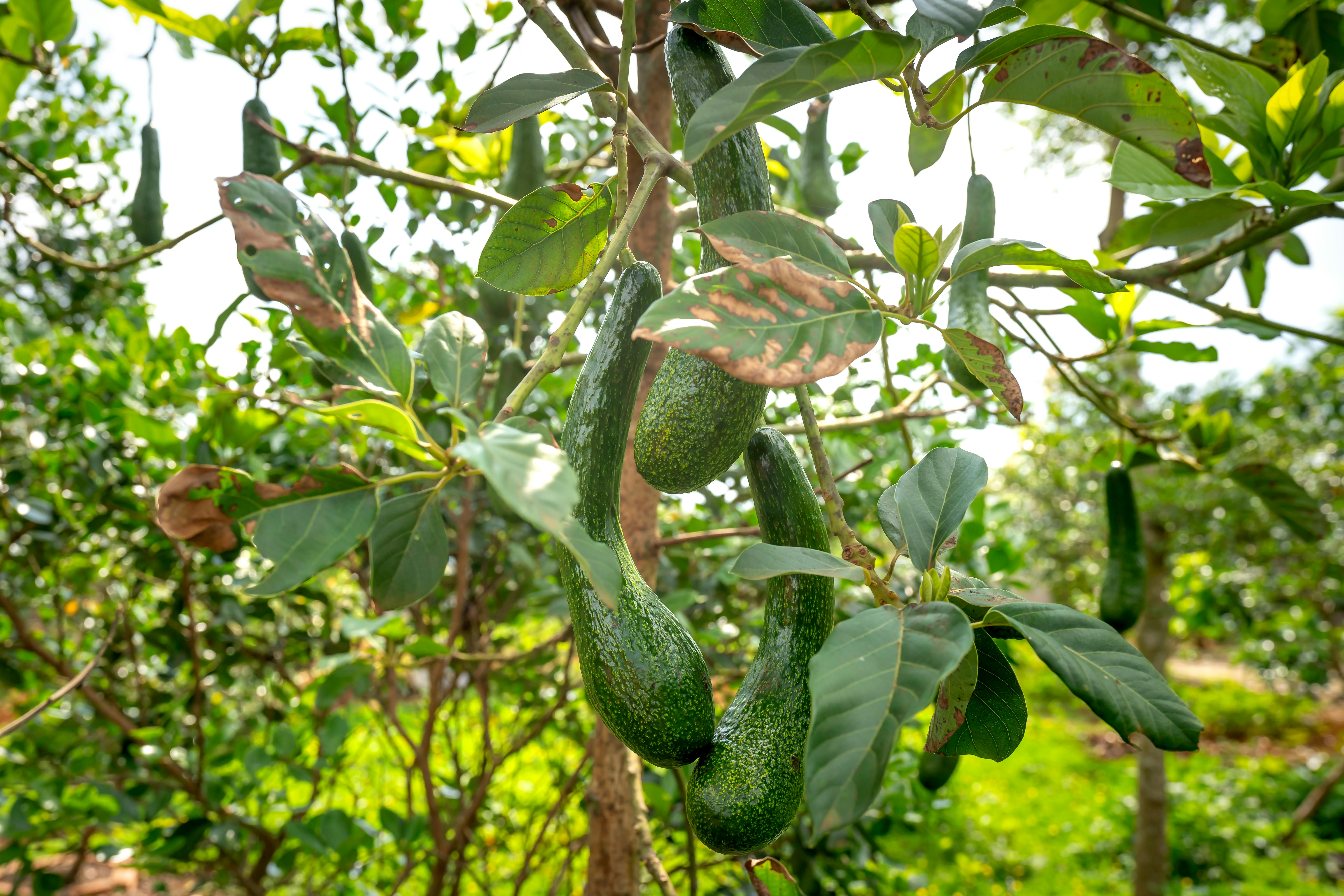 The environmental impact of unsustainable farming practices, such as excessive chemical use and soil degradation, further exacerbates these issues, reducing soil fertility and biodiversity. Over 80% of Kenya's land area is arid and semi-arid, making efficient water management and drought-resilient farming techniques absolutely critical for food security and farmer livelihoods (FAOSTAT, 2021). Addressing these complex interdependencies requires a holistic and forward-thinking strategy that empowers small farmers to build resilient, profitable, and eco-friendly enterprises.
Key Insights & Strategies: Unlocking True Profit in Kenyan Farming
The journey to sustainable farming profitability in Kenya demands a shift in mindset and the adoption of innovative, integrated strategies. These insights move beyond conventional approaches, focusing on resilience, diversification, and market intelligence.Embracing Indigenous & Drought-Resistant Crops
While avocados have gained popularity, their market volatility and specific growing conditions pose risks. A smarter strategy involves cultivating indigenous and drought-resistant crops, which are often better suited to local climates, require fewer inputs, and have growing local and regional demand.The Blue Revolution: Integrating Aquaculture
Aquaculture, or fish farming, presents a robust opportunity for small farmers to diversify income and improve nutrition. Kenya's diverse climate and natural water resources offer immense potential for growth in this sector.Maximizing Returns Through Value Addition
Selling raw produce often limits a farmer's profit margin. Value addition transforms raw agricultural products into higher-value goods, capturing more of the supply chain's profit.Leveraging Smart Farming & Technology
Modern agriculture is increasingly reliant on technology to optimize resources and improve productivity. Smart farming, though often perceived as complex, can be scaled down for smallholder contexts.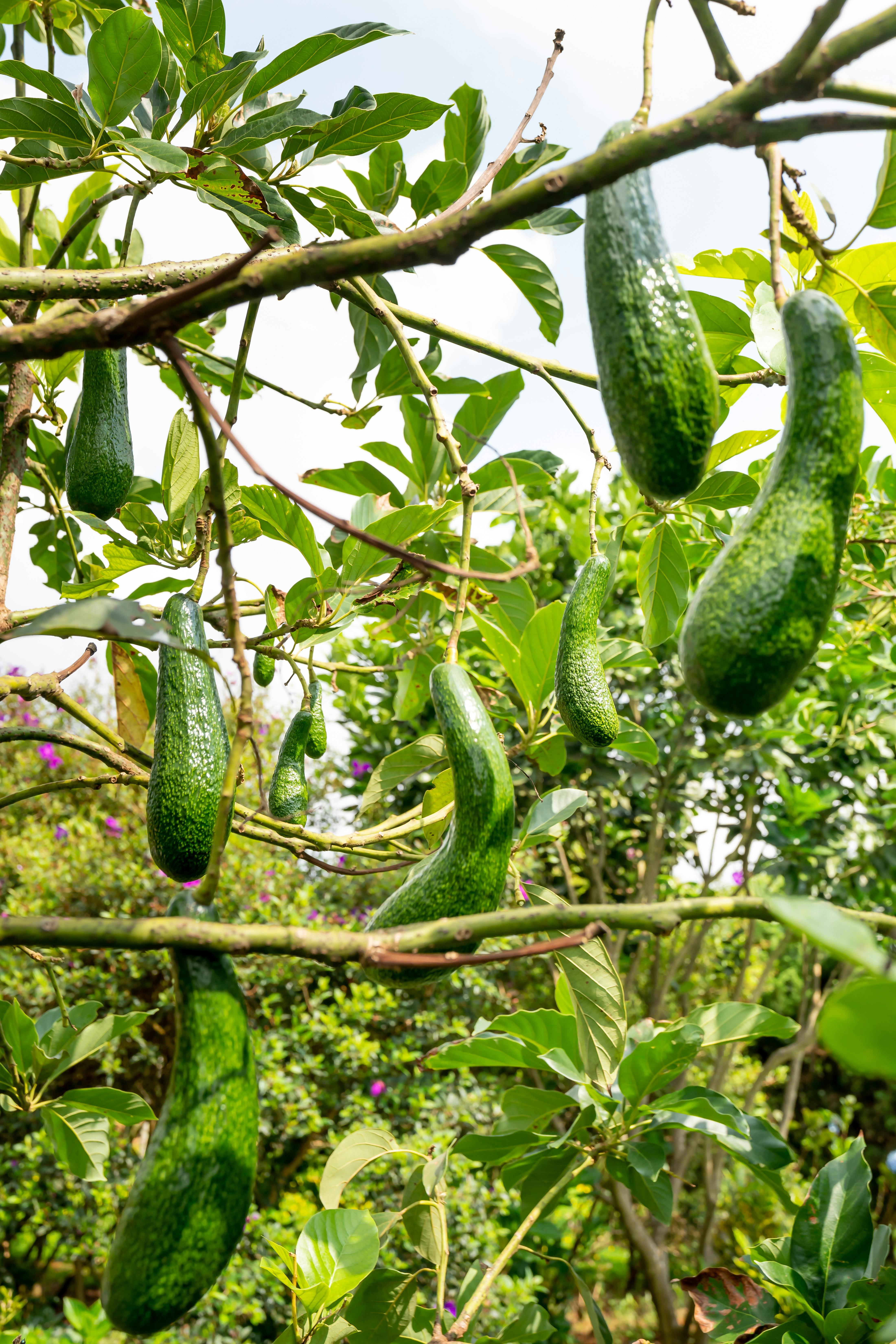
Case Studies & Examples: Real-World Successes in Sustainable Farming
Across Kenya, various initiatives and individual farmers are demonstrating the viability of sustainable and profitable farming strategies. These examples highlight the potential for growth and resilience.One notable success comes from the adoption of conservation agriculture (CA) practices. In western Kenya, a project promoting cover cropping, minimal soil disturbance, and diversified crop rotations led to significant improvements. Farmers involved reported a 30-50% increase in maize yields during drought years compared to conventional methods, along with enhanced soil health and reduced input costs (Africa Development Bank Report, 2020). This demonstrates how ecological farming directly translates into economic benefits, especially under challenging climatic conditions.Another inspiring example is the growth of small-scale aquaculture. In Kisumu County, cooperative groups of farmers have embraced Tilapia and Catfish farming. By leveraging existing ponds and sometimes integrating fish farming with horticulture (aquaponics), these groups have not only created a new income stream but also improved local food security and created employment opportunities. Some cooperatives have gone further to process their fish into dried or smoked products, tapping into urban markets and achieving higher price points than selling raw fish (Local NGO Report, 2022). These localized efforts showcase the transformative power of diversified and value-added agricultural practices tailored to local contexts.Common Mistakes to Avoid for Sustainable Profitability
Even with the best intentions, farmers can fall prey to common pitfalls that undermine their efforts towards profitability and sustainability. Recognizing and avoiding these mistakes is critical.Expert Tips & Best Practices for Eco-Oasis Farmers
To truly thrive, Kenyan smallholder farmers need to adopt forward-thinking strategies and leverage available resources. Here are some expert tips to guide your journey:Future Trends & Predictions: Navigating Tomorrow's Agricultural Landscape
The future of farming in Kenya will be shaped by several critical trends, offering both challenges and unprecedented opportunities for those willing to adapt. Understanding these shifts is key to long-term success.Conclusion: Growing Prosperity, Sustainably
The narrative of farming in Kenya is evolving, moving from an era of vulnerability to one of immense potential. For small-scale farmers, the path to enduring profitability lies not in clinging to outdated practices or succumbing to market pressures, but in embracing a holistic strategy that champions diversification, value addition, and environmental stewardship. By moving beyond the inherent risks of single-crop dependencies like avocados and instead harnessing the power of indigenous crops, integrating aquaculture, and applying smart, sustainable farming techniques, Kenyan farmers can build resilient and thriving agricultural enterprises.The insights and strategies discussed in this article demonstrate that true profit is cultivated alongside ecological responsibility. It’s about creating systems that are not only economically viable but also environmentally regenerative and socially equitable. The future of Kenya’s food security and rural prosperity rests on the ingenuity and adaptability of its farmers. By making these smart farming moves, small farmers can indeed Unlock Kenya's farming strategy for profit, securing a brighter, greener, and more prosperous future for themselves and the nation. We invite you to be part of this transformative journey; Explore sustainable living solutions with Eco-Oasis Firm and discover how you can contribute to and benefit from sustainable agriculture.FAQs: Your Questions Answered
What are the most profitable alternative crops for small farmers in Kenya, beyond avocados?Beyond the often volatile avocado market, small farmers in Kenya can find significant profitability in a range of indigenous and resilient crops. African Leafy Vegetables (ALVs) such as Sukuma Wiki (kale), Managu (African Nightshade), and Terere (Amaranth) are fast-growing, highly nutritious, and have consistent local market demand, often fetching good prices. Drought-resistant staples like cassava and sweet potatoes offer food security and can be processed into value-added products like flour or crisps. Additionally, grains such as sorghum and millets are gaining traction for their nutritional value and adaptability to arid conditions. Diversifying into these crops reduces risk and opens new market opportunities. For more on profitable indigenous crops, see this agricultural resource.How can smallholder farmers in Kenya implement effective value addition strategies?Value addition is key to increasing farm gate profits. Smallholder farmers can start with simple post-harvest processing techniques. This includes drying fruits (mangoes, pineapples) and vegetables for longer shelf life, milling grains (maize, sorghum) into flour, or producing fresh juices and jams from fruits. Proper sorting, grading, and attractive packaging also add value, making products more appealing to urban consumers or supermarkets. Forming farmer cooperatives is highly effective, as it allows shared access to processing equipment, storage facilities, and collective bargaining power for better market access and prices. For practical value addition guides, consider resources from local agricultural development programs.What are the key opportunities and challenges for aquaculture development in Kenya?Aquaculture in Kenya presents significant opportunities, driven by increasing demand for protein and available water resources. Tilapia and Catfish are highly profitable species due to their fast growth and market acceptance. Integrating fish farming with crop production (aquaponics) can also enhance efficiency and profitability. However, challenges include the high cost of commercial fish feed, limited access to quality fingerlings, and technical knowledge gaps among small-scale farmers. Disease management and water quality control are also critical. Government initiatives and NGOs are working to address these by promoting sustainable feed alternatives, providing training, and supporting hatchery development. Further insights into aquaculture in Kenya can be found in reports from the Ministry of Agriculture, Livestock, Fisheries and Cooperatives.How can Kenyan farmers adopt sustainable practices to combat climate change?Adopting sustainable practices is crucial for climate resilience. Kenyan farmers can implement climate-smart agriculture (CSA) techniques such as conservation agriculture (minimal tillage, cover cropping, crop rotation) to improve soil health and water retention. Water harvesting methods, including building water pans and using drip irrigation, ensure efficient water use during dry spells. Planting drought-tolerant and early-maturing crop varieties, combined with agroforestry (integrating trees into farmlands), enhances biodiversity and provides shade and fodder. Organic farming practices, which avoid synthetic chemicals, also contribute to soil health and ecological balance, making farms more resilient to climate shocks. For details on CSA, refer to the CGIAR research initiatives.What common mistakes do Kenyan farmers make, and how can they be avoided for better profit?Several common mistakes hinder profitability. One major pitfall is farming without adequate market research, leading to overproduction of certain crops and low prices. This can be avoided by actively researching market demand, prices, and seeking advice from agricultural extension services. Another common error is poor soil management, neglecting soil testing and nutrient replenishment, which depletes soil fertility; regular testing and organic amendments are key. Inadequate record-keeping (expenses, yields, sales) prevents informed decision-making; simple farm record books or mobile apps can rectify this. Lastly, neglecting proper irrigation planning and water conservation in semi-arid regions can lead to crop failure; investing in efficient water systems is vital. Learn more about avoiding farm mistakes through agri-business advisory services.What government and organizational support is available for small-scale farmers in Kenya?The Kenyan government, alongside various national and international organizations, offers significant support for small-scale farmers. Government initiatives often include subsidized inputs (seeds, fertilizers), agricultural extension services, and access to credit facilities through programs like the Agricultural Finance Corporation (AFC). Organizations such as Farm Africa, AgriFI Kenya Challenge Fund, and various UN agencies (FAO, IFAD) provide technical training on sustainable practices, market linkages, and access to improved technologies. Farmer cooperatives also receive support in capacity building and value chain development. Farmers should actively seek out information from local county agricultural offices, community development programs, and agricultural NGOs. Information on government programs can often be found on the Ministry of Agriculture website.


0 Comments