

Estimated Reading Time: 9 minutes
Introduction
Kenya, often celebrated for its vibrant agricultural sector, has emerged as a global leader in avocado and macadamia exports, earning the moniker 'green gold' for these highly sought-after commodities. This booming export market has brought significant foreign exchange into the country, positioning it as a key player in the international fruit trade. However, beneath this veneer of success lies a troubling reality: Discover how elite land grabs are costing Kenya's small-scale avocado and macadamia farmers their 'green gold' profits. Uncover the truth behind the export boom. The rapid expansion of these cash crops has inadvertently fueled a contentious struggle over land, disproportionately affecting the very smallholders who have historically cultivated these fruits. This article delves into the systemic issues of land insecurity, exploitation, and the fight for justice faced by thousands of Kenyan farmers caught between economic opportunity and the insidious threat of displacement. We will explore the mechanisms behind these land grabs, their profound socio-economic and environmental impacts, and potential pathways towards a more equitable and sustainable agricultural future for Kenya.
Background & Context
Kenya's agricultural landscape is dominated by smallholder farmers, who are the backbone of the nation's food security and a significant contributor to its export earnings. Avocados, particularly the Hass and Fuerte varieties, thrive in Kenya’s moderate temperatures and well-distributed rainfall. The country is Africa's leading avocado producer and ranks second in export value after South Africa, with smallholder farmers typically owning less than one acre of land accounting for the majority of production (USDA GAIN Report, 2024). Similarly, the macadamia industry has seen impressive growth, with total annual output increasing by 10.9% in 2024 alone, reflecting a geographical shift towards regions with available arable land and favorable growing conditions (USDA GAIN Report, 2025).
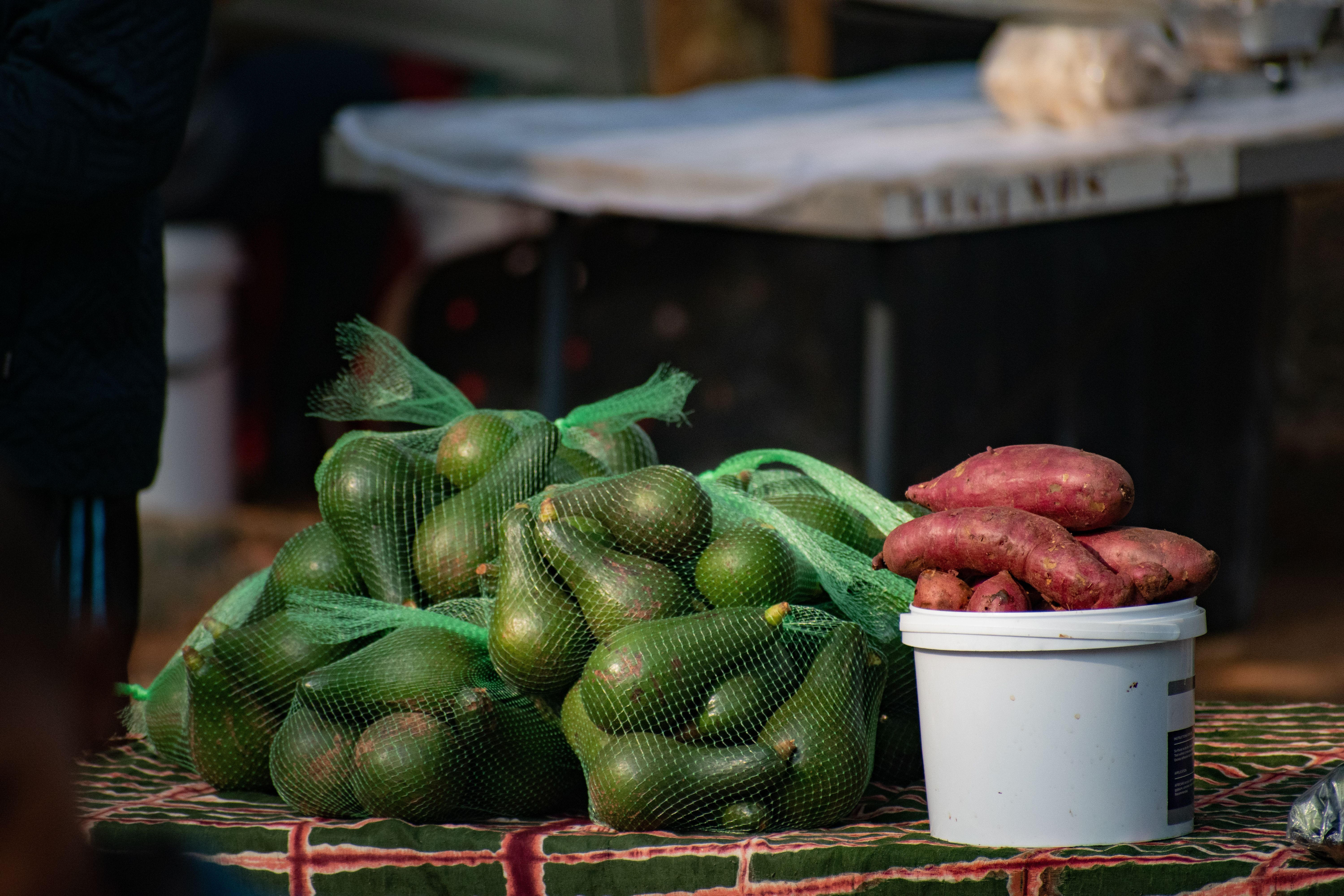
However, this agricultural boom has brought with it significant land tenure challenges. Land in Kenya is a critical resource, foundational for agriculture, water, settlement, and overall social and economic development. Secure land tenure, sustainable land-use planning, and equitable distribution are vital for food security and socio-economic progress (GAFSP, Agricultural Sector Development Strategy 2010–2020). Historically, the replacement of customary land tenure with private, titled property, though intended to increase productivity, has often created vulnerabilities. This complex issue has unfortunately paved the way for opportunistic land grabs, where powerful individuals and entities exploit ambiguous land laws and corrupt practices to dispossess small-scale farmers of their ancestral lands and cultivated plots.
Key Insights or Strategies
Understanding the Mechanics of Land Grabs
Land grabs in Kenya are not always overt acts of violence but often manifest through insidious legal manipulation, corrupt land registration processes, and the exploitation of vulnerable communities lacking formal land titles. These elite land grabs often leverage the high value of 'green gold' crops like avocados and macadamia, turning fertile land into a target for large-scale commercial interests. Smallholders, frequently operating under customary land rights or informal ownership, find themselves at a severe disadvantage when confronted by well-resourced individuals or corporations.
Economic Disparity and Missed Opportunities
While the export boom generates substantial national revenue, the profits often fail to trickle down to the grassroots. Small-scale farmers frequently face exploitation by middlemen and processors, receiving low farm-gate prices that do not reflect the global value of their produce. This disparity means that despite their hard work, farmers remain trapped in a cycle of poverty, making them more susceptible to pressures to sell their land or lose it through fraudulent means.

To further support these initiatives and ensure sustainable growth that benefits all, Explore sustainable living solutions with Eco-Oasis Firm. Partnering with organizations that champion fair trade and community development can make a tangible difference.
Environmental and Social Costs
The unchecked expansion of large-scale avocado and macadamia farms, often on land acquired through questionable means, carries significant environmental and social costs. It can lead to deforestation, soil degradation due to monoculture, and intensified water usage, particularly impacting small-scale farmers who already face water access challenges (Eriksson, E., 2025). Socially, displacement fragments communities, erodes traditional farming knowledge, and exacerbates food insecurity as diverse food crops are replaced by export-oriented monocultures.
Case Studies, Examples, or Comparisons
The narrative of small farmers losing their 'green gold' to elite land grabs is unfortunately not unique to Kenya. Across the globe, similar patterns emerge when high-value crops attract large-scale investment. For instance, in parts of Latin America, the expansion of avocado plantations has been linked to deforestation and water scarcity, often at the expense of indigenous communities and small farmers. In Mexico, while avocado exports have soared, small and medium-sized producers struggle to compete with large producers funded by outside capital, who are often responsible for illegal deforestation and exacerbating environmental impacts (Ecological and human dimensions of avocado expansion in México, 2021). This highlights a critical global challenge: how to balance export-driven growth with equitable land access and environmental sustainability.
Within Kenya, several instances illustrate this struggle. Reports from communities in Murang'a County, a traditional heartland for avocado cultivation, speak of farmers being coerced or tricked into selling their land for far less than its market value. The promise of higher returns from direct contracts with exporters often materializes only for a select few, leaving the majority vulnerable. A notable statistic reveals that while Kenya’s avocado exports surged, the benefits did not uniformly reach the estimated 120,000 smallholder farmers, many of whom faced challenges in accessing proper market channels and dealing with brokers (IFPRI, 2021).
In the macadamia sector, while there has been a positive shift in farm-gate prices and an overall increase in production, small farmers still grapple with issues such as broker exploitation and lack of direct access to lucrative export markets. The emergence of a 'macadamia mafia' has been reported, where unscrupulous individuals dictate prices and terms, further marginalizing small producers. This mirrors the broader issue where the economic boom of agricultural exports has had mixed social impacts, often failing to address underlying inequalities in income and access to opportunities (MPRA, 2022). The struggle is not just about land, but about economic justice and securing a fair share of the wealth generated by their toil.
Common Mistakes to Avoid
When navigating the complexities of land ownership and agricultural development in Kenya, both farmers and policymakers often fall into pitfalls that exacerbate the problem of land grabs and farmer disenfranchisement. A common mistake for small-scale farmers is failing to formalize their land ownership. Relying solely on customary or informal tenure leaves them vulnerable to legal challenges and fraudulent claims from powerful entities. Without official documentation, their claims can easily be dismissed in courts, leading to irreversible loss of land.
Another critical error is the lack of collective action among smallholders. Individual farmers are often isolated and easily outmaneuvered by well-organized land grabbers. The absence of strong farmer cooperatives or community associations diminishes their bargaining power, not only in land disputes but also in market access, leading to exploitation by middlemen. Furthermore, ignoring the long-term environmental consequences of quick profit, such as switching to intensive monoculture without sustainable practices, can lead to soil degradation and reduced yields, making the land less viable for future generations even if retained.
From a policy perspective, a significant mistake is the failure to enforce existing land laws and to address corruption within land registries and administrative bodies. Weak governance and loopholes in legislation create an environment ripe for exploitation. Additionally, focusing solely on export volumes without robust social impact assessments or mechanisms to ensure equitable wealth distribution is a fundamental error. An export boom that benefits only a few elite players at the expense of the majority of farmers is inherently unsustainable and socially unjust, eroding trust and fostering instability.
Expert Tips or Best Practices
For small-scale avocado and macadamia farmers in Kenya, safeguarding their 'green gold' requires a multi-faceted approach. Firstly, prioritize land documentation and legal literacy. Seek assistance from local legal aid organizations or NGOs to understand land registration processes and secure formal titles. This is the strongest defense against fraudulent land claims. Remember, an official title is invaluable.
Secondly, embrace the power of collective bargaining through cooperatives. Joining or forming farmer cooperatives can significantly enhance market access, allowing you to bypass exploitative middlemen and negotiate directly with exporters for fairer prices. Cooperatives can also provide shared resources, training, and a united front in addressing land issues. For instance, the Mwea Macadamia Growers Association has demonstrated how collective action can empower farmers against market manipulation.
Thirdly, diversify crops and adopt sustainable farming practices. While avocados and macadamia are profitable, relying on monoculture can deplete soil nutrients and make farms vulnerable to pests and diseases. Integrate other high-value crops suitable for your region, and explore agroecological methods like intercropping, organic fertilization, and water harvesting. These practices improve soil health, ensure food security, and enhance resilience against climate change. Explore sustainable living solutions with Eco-Oasis Firm for resources and guidance on regenerative agriculture techniques.
Finally, engage with local governance and advocate for policy reform. Active participation in community meetings and dialogue with local leaders can highlight land issues and push for greater transparency and accountability in land administration. Supporting organizations that champion land rights and sustainable development can amplify your voice and contribute to systemic change. Building strong community networks and demanding equitable land policies are crucial for securing the future of smallholder farming in Kenya.
Future Trends or Predictions
Looking ahead, the future of Kenya's smallholder avocado and macadamia farmers is poised at a critical juncture, influenced by several emerging trends. One significant trend is the increasing demand for sustainably sourced and ethically produced agricultural products in global markets. Consumers are becoming more conscious of the environmental and social footprint of their food, which could drive a shift towards certified fair trade and organic production. This presents an opportunity for Kenyan smallholders if they can access the resources and support to meet these standards, potentially commanding premium prices for their 'green gold'.
Another trend is the growing recognition of the importance of secure land tenure, especially for indigenous communities and small-scale farmers. International development organizations and local advocacy groups are intensifying efforts to push for comprehensive land reforms and to protect customary land rights. This could lead to strengthened legal frameworks and more transparent land governance, making it harder for elite land grabs to occur undetected or unpunished. Technology, such as blockchain for land registries and satellite monitoring, may also play a role in enhancing transparency and accountability in land transactions, thereby empowering vulnerable communities.
However, challenges persist. Climate change is expected to continue impacting agricultural productivity, necessitating greater investment in climate-smart agriculture and resilient crop varieties. The competition for land for both agriculture and urbanization will likely intensify, putting continued pressure on smallholders. The debate over whether small farms are truly the future of Kenya or if larger-scale operations are inevitable will continue to shape policy discussions (Joseph Silali, 2023). Nevertheless, a strong emphasis on empowering farmer cooperatives, facilitating access to technology and finance, and prioritizing agroecological practices will be crucial for ensuring a more equitable and sustainable future for Kenya’s small-scale farmers amidst these evolving dynamics.
Conclusion
The story of Kenya's 'green gold' is a complex tapestry woven with threads of immense economic potential and profound social injustice. While the avocado and macadamia export boom has brought prosperity to some, it has simultaneously cast a long shadow over the livelihoods of small-scale farmers, who find themselves increasingly dispossessed by elite land grabs. The truth behind this export success reveals a critical need for systemic change, addressing weak land tenure systems, rampant corruption, and the stark economic disparities that marginalize the very people who cultivate these valuable crops.
To truly unlock the sustainable potential of Kenya's agricultural sector, it is imperative to empower smallholders through secure land rights, robust cooperative structures, and access to fair markets. By championing transparency, enforcing equitable land policies, and embracing sustainable farming practices, Kenya can move towards an agricultural future where prosperity is shared, and environmental stewardship is prioritized. The fight to protect the 'green gold' is ultimately a fight for justice, equity, and the right of every small farmer to thrive on their ancestral land. Let us commit to building a future where Kenya's agricultural riches truly benefit all its citizens. Explore sustainable living solutions with Eco-Oasis Firm and become a part of the movement for a just and sustainable world.
FAQs
Q1: What exactly are 'land grabs' in the context of Kenya's avocado and macadamia industry?
A1: Land grabs in Kenya refer to the acquisition of large tracts of land, often from small-scale farmers and local communities, by powerful elite individuals, corporations, or even government entities, often through unfair, corrupt, or illegal means. In the avocado and macadamia industry, this specifically involves securing land for large-scale commercial plantations to capitalize on the high export value of these crops, frequently displacing traditional smallholders who lack formal titles or sufficient legal recourse. (Harvard University, 2007)
Q2: Why are small-scale farmers particularly vulnerable to land grabs in Kenya?
A2: Small-scale farmers are vulnerable due to several factors including weak or ambiguous land tenure systems, where customary land rights are often not formally recognized or easily manipulated. They typically lack the financial resources and legal knowledge to defend their claims against powerful entities. Additionally, corruption within land administration offices and a lack of transparency in land transactions further exacerbate their precarious position. (UNCCD, Land Tenure and Rights)
Q3: What are the main economic impacts of these land grabs on local communities?
A3: The economic impacts are severe. Land grabs lead to the displacement of farmers, stripping them of their primary source of livelihood and food security. While national export revenues may rise, the wealth rarely trickles down to these displaced communities. Farmers often receive inadequate compensation, are forced into low-wage labor, or become landless, leading to increased poverty, inequality, and social unrest. (MPRA, 2022)
Q4: How do land grabs impact Kenya's overall food security?
A4: Land grabs directly threaten Kenya's food security by converting diverse subsistence and local food crop farms into monoculture plantations for export. This reduces the variety of food available for local consumption and increases reliance on imported foods. When small-scale farmers, who traditionally feed the nation, lose their land, the entire country's ability to feed itself is compromised. (One Acre Fund, 2023)
Q5: What environmental consequences are associated with large-scale avocado and macadamia farming linked to land grabs?
A5: Large-scale monoculture farming, often associated with land grabs, can lead to significant environmental degradation. This includes deforestation, as natural habitats are cleared for plantations, increased water consumption which can strain local water resources, and soil degradation due to intensive farming practices that deplete nutrients. Smallholders, typically practicing more diversified and sustainable methods, are often replaced by less eco-friendly large-scale operations. (GreenMatch, Environmental Impact of Avocados)
Q6: What actions are being taken or can be taken to support affected small-scale farmers and prevent future land grabs?
A6: Several actions can be taken. Legal aid and advocacy groups are working to help farmers formalize land titles and challenge illegal acquisitions. Community organizing and the formation of cooperatives empower farmers to collectively defend their rights and secure better market access. Policy reforms aimed at strengthening land tenure laws, increasing transparency in land administration, and combating corruption are also crucial. International support for sustainable agriculture and fair trade initiatives further aids in protecting vulnerable farmers. (ActionAid USA, 2023)
Suggested Internal Links for Eco-Oasis Farm:


0 Comments