Header Ads Widget

Kenya Macadamia Farmers Fight for Fair Market Play

Estimated Reading Time: 10 minutes

TL;DR: Kenya's macadamia farmers face systemic exploitation, with middlemen driving down prices despite surging global demand. Policy failures, including past export bans and inconsistent regulations, have created an unregulated market ripe for manipulation. Sustainable farming and fair trade initiatives offer a viable path to economic empowerment, demonstrating how collective action and policy reform can ensure farmers receive fair compensation for their high-quality produce. Without urgent intervention, the vital macadamia sector risks continued decline, deepening rural poverty.

Key Takeaways:Market Manipulation: Middlemen exploit the lack of market regulation, offering farmers as little as Ksh 30-50 per kilogram, significantly below fair value.Policy Gaps: Inconsistent government policies, including a historical ban on raw nut exports and weak enforcement, have failed to protect farmers and promote local processing effectively.Global Potential: Kenya is the world's third-largest macadamia producer, contributing nearly 20% to global supply, yet most farmers remain impoverished.Sustainability Link: Integrating eco-friendly practices and fair trade principles can boost farmer income by 10-15% and enhance market access.Collective Empowerment: Forming cooperatives and advocating for transparent pricing structures are crucial steps for farmers to reclaim market control and achieve economic justice.


Introduction: The Macadamia Paradox

In the lush highlands of Kenya, where volcanic soils cradle bountiful harvests, a quiet struggle unfolds. The macadamia nut, a prized global delicacy, represents a significant agricultural export for the nation. However, beneath the veneer of burgeoning international demand and impressive export surges, a harsh reality persists: Kenya's macadamia farmers are losing the economic game. Despite their tireless efforts and the high value of their crop, many smallholder farmers remain trapped in a cycle of poverty. The core issue? A market system heavily manipulated by intermediaries. This article will delve into the intricate web of policy failures and rampant market manipulation that keeps these dedicated farmers broke, exploring the systemic challenges and proposing viable pathways toward a more equitable and sustainable future for Kenya’s macadamia sector.


Background & Context: A Rich Harvest, A Bitter Reality

Eco background image

Kenya stands as a significant player in the global macadamia market, contributing nearly 20% of the world’s supply by volume in 2024. The total annual output of raw nuts in shell increased by 10.9%, rising from 44,364 metric tons (MT) in 2023 to 49,183 MT in 2024, demonstrating robust growth in production volumes (USDA FAS Report). Despite these impressive figures, the economic benefits often fail to reach the farmers. Historically, the government imposed a blanket ban on raw nut exports in 2009, aiming to bolster local processing and create jobs. While well-intentioned, this policy, later lifted, inadvertently created an environment where local processors and middlemen gained disproportionate power, leading to widespread exploitation. Farmers frequently report being offered prices as low as Ksh 30-50 per kilogram, a steep decline from previous highs of Ksh 150, exposing them to immense financial vulnerability (People Daily). This stark discrepancy highlights the urgent need to address the structural issues that allow market manipulation to thrive at the expense of primary producers.


Key Insights & Strategies for Farmer Empowerment
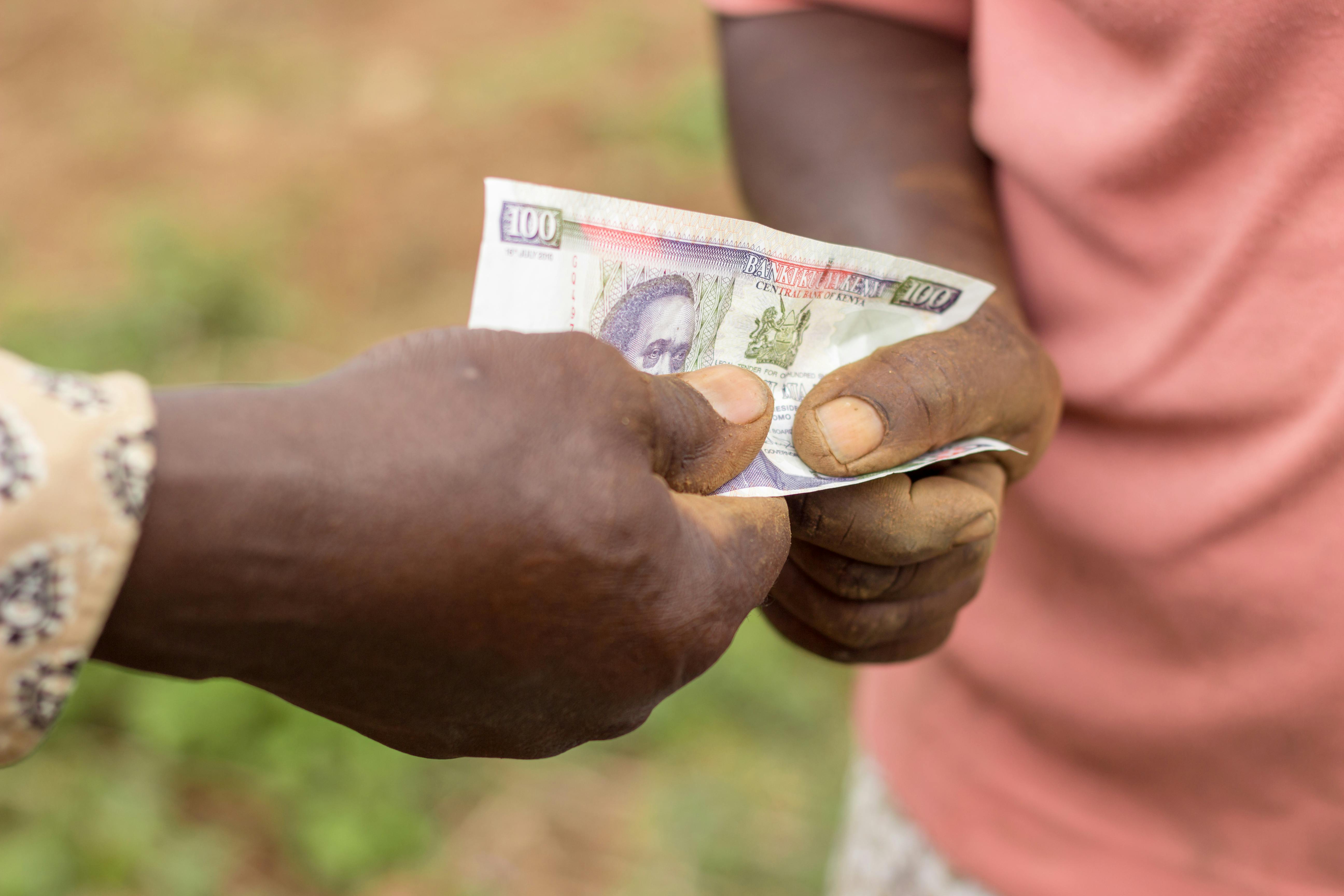
Eco insights image

Addressing Middleman Exploitation Through Cooperatives

The unregulated nature of Kenya's macadamia market allows middlemen to dictate prices, leaving farmers with minimal bargaining power. A crucial strategy for empowerment is the formation and strengthening of farmer cooperatives. These collective bodies can pool resources, negotiate better prices directly with processors or international buyers, and even facilitate direct exports, effectively cutting out exploitative intermediaries.

Educate Farmers: Provide training on market dynamics, pricing, and the benefits of collective action.Strengthen Co-op Governance: Ensure transparency, accountability, and democratic decision-making within cooperatives.Facilitate Direct Market Access: Support cooperatives in establishing direct links with reputable buyers, both local and international.Value Addition at Source: Encourage small-scale processing (e.g., drying, cracking) within cooperatives to increase the value of their produce before sale.

Improving Quality and Adherence to Standards

Market competitiveness and higher prices are often linked to product quality. Kenyan macadamia has sometimes faced perceptions of inferior quality in international markets, partly due to inconsistent practices and premature harvesting. Adhering to stringent quality standards is paramount.

Implement Training Programs: Educate farmers on best practices for harvesting, drying, and storage to preserve nut quality.Enforce Seasonal Restrictions: Support government and regulatory bodies in enforcing seasonal harvesting restrictions to ensure optimal maturity and oil content.Quality Control Infrastructure: Invest in or provide access to affordable quality testing facilities for farmers and cooperatives.Traceability Systems: Develop systems that allow buyers to trace nuts back to individual farms or cooperatives, fostering trust and accountability.

Advocating for Robust Policy Reform

Policy inconsistencies and a lack of clear regulatory frameworks have been central to the challenges faced by farmers. A stable, farmer-centric policy environment is essential for long-term growth and fairness.

Establish Minimum Price Guarantees: Implement policies that set fair farm-gate prices for macadamia nuts, protecting farmers from predatory pricing.Strengthen Regulatory Bodies: Empower the Agriculture and Food Authority (AFA) and other relevant bodies to effectively monitor and regulate the macadamia value chain.Promote Local Processing: Incentivize local investment in advanced processing technologies to increase value addition within the country.Review Export Policies: Ensure export policies balance the need for local processing with farmers' ability to access competitive international markets.

Embracing Sustainable Farming Practices for Long-Term Gain

Sustainability is not just an environmental imperative; it's an economic advantage. Eco-friendly farming practices can lead to healthier trees, higher yields, and access to premium markets, aligning with global consumer demand for responsibly sourced products.

Biodiversity Promotion: Encourage intercropping and agroforestry to enhance farm biodiversity and soil health.Water Conservation: Implement efficient irrigation techniques and rainwater harvesting systems.Organic Certification: Support farmers in transitioning to organic farming, which often comes hand-in-hand with fair trade premiums.Waste Management: Promote methods to convert macadamia husks and shells into valuable by-products like charcoal or mulch.

To deepen your understanding of how sustainable practices can lead to both ecological preservation and economic prosperity, you can Explore sustainable living solutions with Eco-Oasis Firm, discovering innovative approaches and partnerships that champion a greener future.


Case Studies, Examples, or Comparisons: Pathways to Fair Trade

The journey towards fair market play for macadamia farmers is not without successful precedents. Companies and initiatives focusing on fair trade and organic certification demonstrate a tangible positive impact on farmer livelihoods. For instance, Ten Senses Africa Ltd., established in Kenya in 2008, holds the distinction of being the world's first fair-trade certified macadamia nut company (Common Fund for Commodities). Their model ensures that farmers receive fair prices, often coupled with organic premiums, directly benefiting thousands of smallholder growers.

Similarly, German wholesale trader Delphi Organic sources organic macadamia nuts from approximately 4,700 farmers on the slopes of Mount Kenya, emphasizing fair prices and sustainable cultivation (CBI.eu). Research indicates that farmers participating in certified organic and fair trade schemes can receive 10-15% more money for their macadamia nuts compared to conventional market rates (Lifefood). This translates to improved living standards, better access to education, and reinvestment in their farms.

Another inspiring example comes from partnerships like the one supported by Slovak Aid in Kirinyaga County. This project provided farmers with one million 'fast-maturing' and 'high-yielding' macadamia seedlings, boosting production and offering a pathway to increased income and employment opportunities, particularly for youth (The Borgen Project). These case studies underscore the power of structured support, fair pricing mechanisms, and a commitment to sustainability in transforming the lives of macadamia farmers.


Common Mistakes Macadamia Farmers Should Avoid

While external forces like market manipulation play a significant role, certain practices by farmers can inadvertently worsen their predicament. Avoiding these pitfalls is key to building resilience and achieving better outcomes:

Premature Harvesting: Harvesting nuts before they are fully mature leads to lower quality, reduced oil content, and consequently, lower market prices. This practice weakens Kenya's reputation for quality macadamia.Lack of Market Information: Operating without up-to-date knowledge of market prices, demand, and quality standards makes farmers vulnerable to exploitation by cunning middlemen.Sole Reliance on Brokers: Depending entirely on individual brokers for sales diminishes bargaining power and exposes farmers to price manipulation.Neglecting Post-Harvest Handling: Improper drying and storage can lead to spoilage, fungal growth, and further reduction in nut quality and value.Ignoring Sustainable Practices: While short-term gains might be tempting, neglecting soil health, water conservation, and biodiversity can lead to long-term environmental degradation and reduced yields.Individual Selling vs. Collective Action: Selling individually atomizes farmers, making them easy targets for price exploitation. Collective bargaining through cooperatives offers strength in numbers.

Expert Tips & Best Practices for Economic Resilience

Empowering Kenya's macadamia farmers requires a multi-faceted approach, combining strategic farming techniques with astute business practices:

Join or Form Cooperatives: This is perhaps the most critical step. Cooperatives enhance collective bargaining power, facilitate direct market access, and can invest in shared resources like processing equipment.Invest in Quality Post-Harvest Processing: Simple investments in proper drying racks, storage facilities, and even small cracking machines can significantly increase the value of nuts and extend their shelf life.Diversify Income Streams: While macadamia is a cash crop, consider intercropping with other crops or engaging in other agro-economic activities to buffer against market fluctuations.Leverage Technology for Market Intelligence: Utilize mobile apps or community platforms to access real-time market prices, weather forecasts, and agricultural best practices.Seek Organic and Fair Trade Certification: These certifications not only fetch premium prices but also open doors to niche international markets that value ethical and sustainable sourcing.Advocate for Policy Change: Actively engage with local leaders and agricultural authorities to push for policies that protect farmers, ensure transparent pricing, and regulate the macadamia value chain.

By adopting these practices, farmers can move beyond mere survival to thriving enterprises, contributing significantly to both local economies and global sustainability. To discover more innovative strategies and tools that promote a balanced ecosystem and fair trade, consider exploring solutions tailored for sustainable agriculture. Explore sustainable living solutions with Eco-Oasis Firm, where you’ll find resources designed to empower farmers and communities.


The macadamia industry in Kenya is at a crossroads, with several trends poised to reshape its future:

Growing Demand for Organic & Fair Trade: Global consumers are increasingly conscious of ethical sourcing and environmental impact. This will drive higher demand and premium prices for certified organic and fair trade macadamia nuts from Kenya.Increased Local Value Addition: With renewed focus on domestic processing, there's a prediction for more investment in advanced processing technologies within Kenya. This could lead to a higher percentage of kernels being exported, rather than in-shell nuts, creating more jobs and retaining value locally.Technological Integration: The adoption of agricultural technology (agri-tech) is expected to rise, from precision farming tools that optimize yields and resource use to digital platforms for market access and traceability.Stricter Regulatory Frameworks: The ongoing challenges faced by farmers will likely pressure the government to implement more robust and consistent policies, including clearer pricing mechanisms and stricter oversight of brokers.Youth Engagement in Farming: Efforts to attract and train younger generations in macadamia farming, coupled with improved economic prospects, could revitalize the aging farming population and introduce innovative practices.Climate-Resilient Agriculture: As climate change impacts agricultural patterns, there will be an increased emphasis on developing and adopting macadamia varieties and farming practices that are more resilient to changing environmental conditions.

These trends suggest a potential shift towards a more structured, value-driven, and equitable macadamia sector in Kenya, provided that stakeholders, including farmers, government, and industry players, collaborate effectively.


Conclusion: Cultivating a Fairer Future

The narrative of Kenya's macadamia farmers is a poignant reminder of the intricate balance between global market forces, national policy, and local livelihoods. Despite a rich harvest and significant contributions to the global macadamia supply, the economic game has, for too long, been rigged against the very hands that cultivate this valuable crop. Policy inconsistencies, coupled with the unchecked power of middlemen, have fostered a cycle of exploitation that keeps farmers marginalized.

However, the future is not without hope. Through the strategic adoption of cooperatives, rigorous quality control, and a concerted push for equitable policy reform, farmers can reclaim their rightful share of the market's prosperity. Embracing sustainable and fair trade practices not only guarantees better prices but also aligns Kenya's macadamia industry with global consumer values, securing its long-term viability. It's a call to action for all stakeholders – from individual farmers to government bodies and international partners – to work collaboratively to dismantle exploitative structures and cultivate a genuinely fair and sustainable macadamia sector. By doing so, we can ensure that the sweetness of the macadamia nut is truly reflected in the lives of those who grow it.

For more insights into creating sustainable agricultural systems and fostering equitable trade practices, we encourage you to join a community dedicated to positive change. Explore sustainable living solutions with Eco-Oasis Firm and become part of the movement towards a fairer, greener world.


FAQs About Kenya's Macadamia Industry

1. Why are macadamia farmers in Kenya struggling despite high global demand?Farmers struggle primarily due to market manipulation by middlemen and a lack of consistent government policies to protect them. Despite Kenya being a major global producer, farmers often receive meager prices for their nuts, far below their market value, because they lack direct market access and strong bargaining power (People Daily).

2. What role do middlemen play in the exploitation of macadamia farmers?Middlemen exploit the fragmented nature of the market and farmers' urgent need for cash. They purchase nuts at extremely low farm-gate prices, sometimes as low as Ksh 30-50 per kilogram, and then sell them at significantly higher prices to processors or exporters, pocketing the majority of the profit. This dynamic leaves farmers with little to no economic leverage (Dawan Africa).

3. How have government policies impacted Kenya's macadamia sector?Government policies have had mixed impacts. A 2009 ban on raw nut exports aimed to boost local processing and job creation but inadvertently strengthened the position of local processors and middlemen. Policy inconsistencies and weak enforcement have created an unregulated environment, failing to adequately protect farmers from exploitation and ensure fair pricing (The Elephant).

4. What are some sustainable practices macadamia farmers can adopt?Sustainable practices include promoting biodiversity through intercropping, conserving water with efficient irrigation, improving soil health, and practicing integrated pest management. Embracing organic certification also enhances environmental benefits and can lead to premium prices in eco-conscious markets (ELGON NUTS).

5. How can fair trade initiatives benefit macadamia farmers in Kenya?Fair trade initiatives ensure farmers receive a fair and stable price for their produce, often above conventional market rates, along with social premiums for community development. Companies like Ten Senses Africa, the world's first fair-trade certified macadamia company, demonstrate how such models can significantly improve farmer livelihoods and promote sustainable practices (Common Fund for Commodities).

6. What is Kenya's position in the global macadamia market?Kenya is a significant global player, ranking as the third-largest producer of macadamia nuts worldwide, behind South Africa and Australia. In 2024, the country supplied nearly 20% of global demand by volume, with robust annual growth in production. Despite this strong contribution, the sector's potential remains largely unoptimized for the benefit of its farmers (USDA FAS Report).


External Authoritative Links:

USDA FAS Report on Kenya's Macadamia Industry (2024)People Daily: Mt Kenya Macadamia Traders Blame Govt Over Farmers' LossesDawan Africa: Macadamia Body Pushes Co-ops to Cut Out Brokers, Protect FarmersThe Elephant: Raw Macadamia Nut Exports: Kenya Executes an About-TurnELGON NUTS: The Environmental Benefits of Macadamia Nut FarmingCommon Fund for Commodities: Ten Senses – Supporting Kenyan macadamia nut growers

Internal Link Suggestions for Eco-Oasis Farm:

Sustainable Agriculture Practices: A Comprehensive GuideUnderstanding Fair Trade: Empowering Producers GloballyInnovations in Eco-Friendly Farming TechnologyThe Power of Community: Benefits of Agricultural CooperativesHow to Advocate for Farmers' Rights and Fair PoliciesThe Business Case for Organic: Certification and Market Access

Post a Comment

0 Comments

Kenya's 'Gold Standard' Crops A Farmer's Deception for 2026