

Kenya Avocado Illusion: Farmers Lose The Green Gold Game
Estimated Reading Time: 9 minutes
TL;DR: The Green Gold Illusion
Key Takeaways for Sustainable Avocado Farming
Table of Contents
Introduction: The Lure of Green Gold
The global appetite for avocados has exploded, transforming this creamy fruit into a sought-after commodity often dubbed 'green gold.' For Kenya, one of the world's leading avocado producers, this boom promised prosperity, especially for its numerous small-scale farmers. Yet, beneath the veneer of this lucrative market lies a stark reality: Uncover Kenya's avocado 'green gold' illusion. Small farmers face a losing game against cartels and water scarcity. This isn't a fair challenge; many are losing the match. This article delves into the complex web of challenges confronting Kenyan avocado farmers, from exploitative cartels to dwindling water resources, and explores how sustainable practices and systemic changes can help them reclaim their stake in this vital industry.Background & Context: A Closer Look at the Challenges
Kenya boasts ideal climatic conditions for avocado cultivation, particularly for the highly prized Hass variety. The sector is a significant contributor to the nation's agricultural exports, generating substantial foreign exchange. However, the benefits are disproportionately distributed. Smallholder farmers, who contribute an estimated 70% of Kenya's total avocado production, are often at the mercy of powerful forces that strip them of fair earnings and sustainable livelihoods.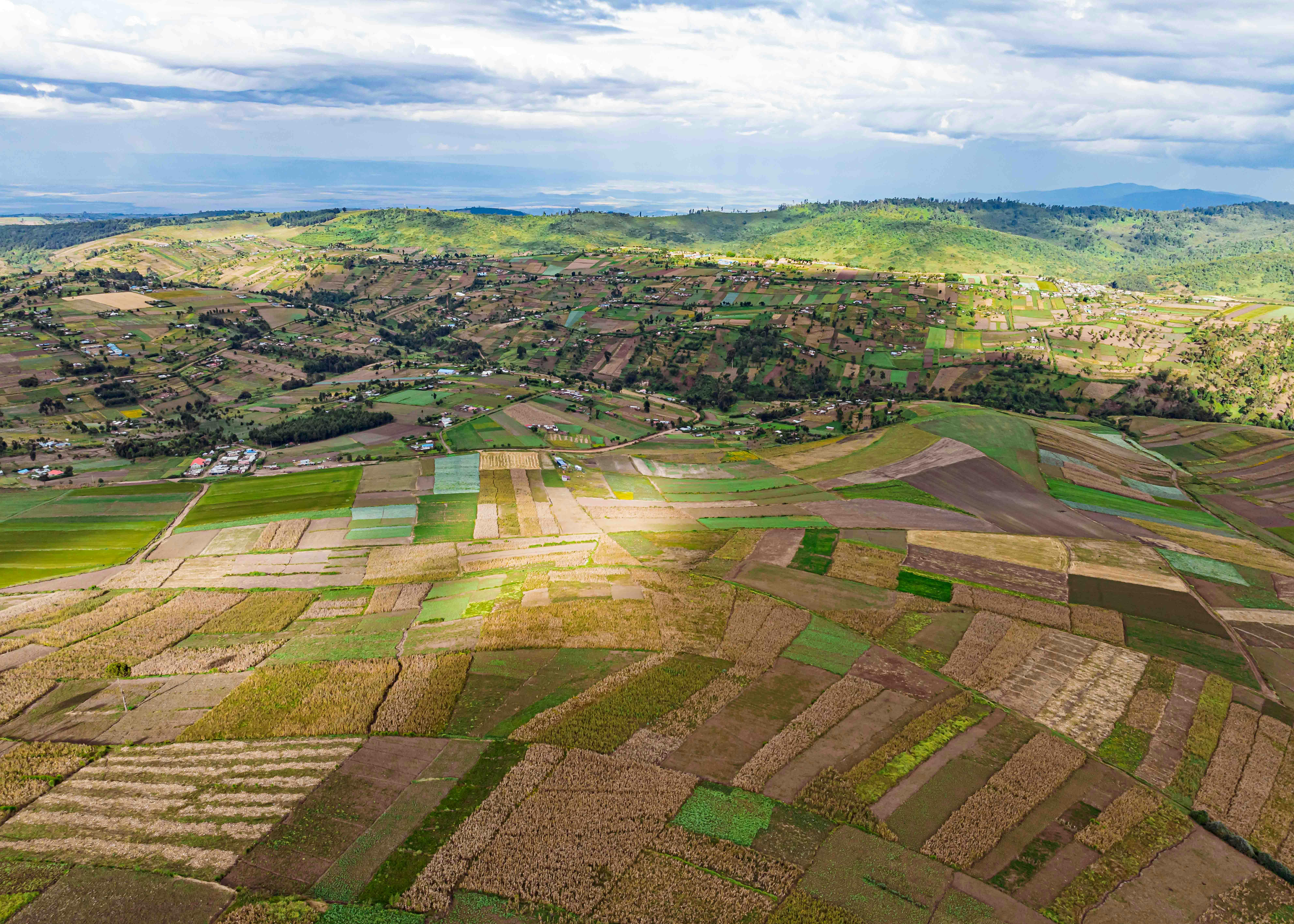 One of the most pressing issues is water scarcity. Climate change has led to increasingly erratic weather patterns, with prolonged droughts impacting agricultural regions. Avocado trees require significant amounts of water, especially during fruit development. A study by the Water Footprint Network indicates that producing one kilogram of avocados can require around 1,000 liters of water globally, a figure that becomes unsustainable in water-stressed areas like parts of Kenya. This demand puts immense pressure on local water sources, often leading to competition and conflict, and leaving small farmers particularly vulnerable without access to reliable irrigation infrastructure or water harvesting technologies (Source: Water Footprint Network). Furthermore, the pervasive influence of cartels is a dark shadow over the industry. These organized groups manipulate prices, engage in theft, and sometimes even resort to intimidation and forced labor, effectively robbing farmers of their rightful profits and control over their produce (Source: The Standard).
Key Insights or Strategies for Resilience
Navigating the treacherous waters of Kenya's avocado industry requires foresight and strategic action. For small farmers to survive and thrive, a shift towards resilience-building practices is paramount.Embracing Water Conservation Technologies
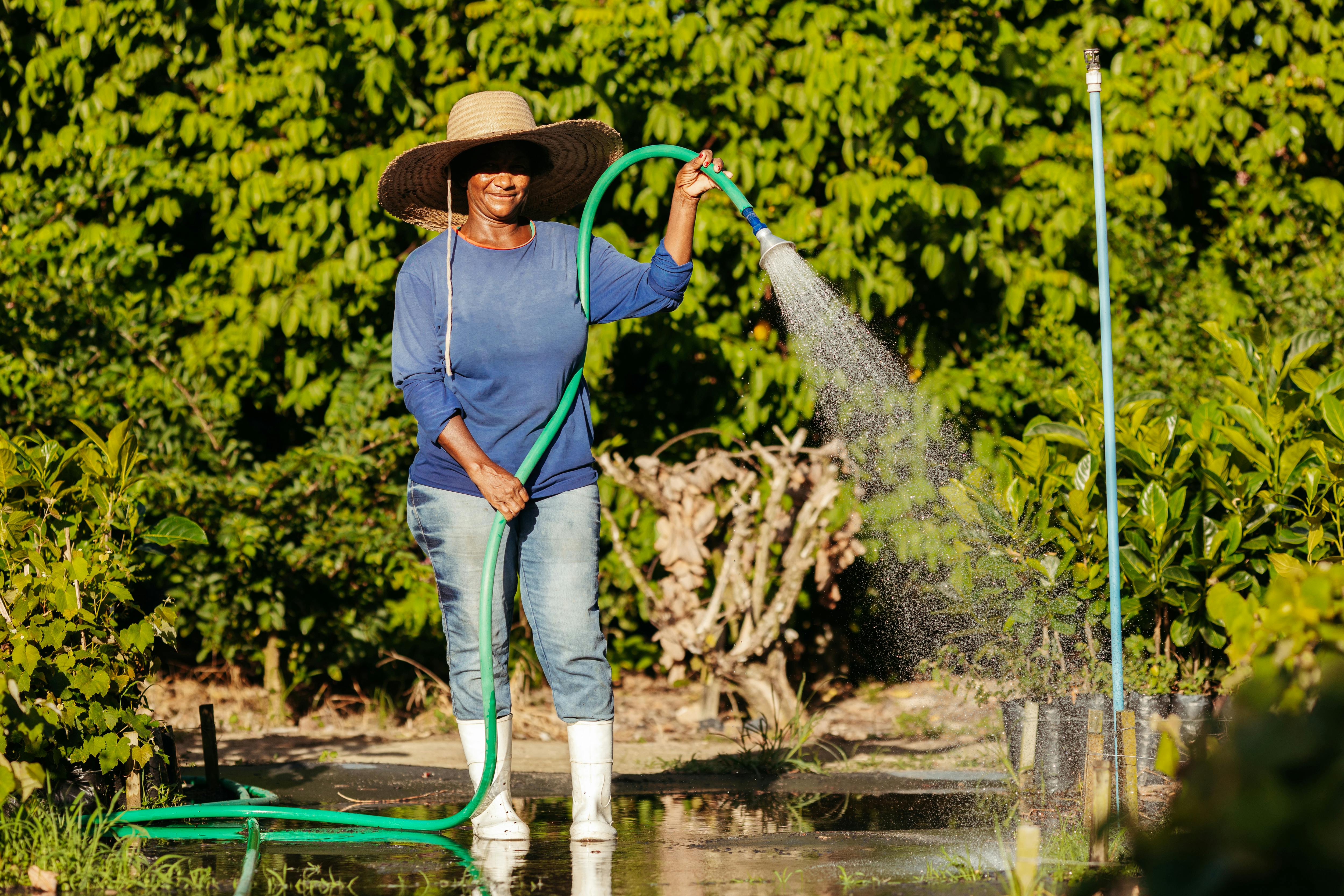
Water scarcity is not just a seasonal problem; it's a growing crisis. Implementing advanced, yet accessible, water conservation techniques is crucial.- Drip Irrigation: Reduces water waste by delivering water directly to the plant roots, minimizing evaporation.
- Rainwater Harvesting: Collecting and storing rainwater in tanks or small dams can provide a critical water reserve during dry spells.
- Mulching: Applying organic material around the base of trees helps retain soil moisture, suppresses weeds, and improves soil health.
Strengthening Farmer Cooperatives and Associations
Collective action provides a powerful buffer against exploitation and opens doors to better markets.- Collective Bargaining: Cooperatives empower farmers to negotiate better prices for their produce, raw materials, and inputs.
- Market Access: Organized groups can more easily meet export quality standards, pool resources for transportation, and secure direct contracts with buyers.
- Knowledge Sharing: Members can share best practices, access training, and collectively invest in sustainable farming technologies.
Adopting Organic and Regenerative Agriculture
Focusing on soil health and biodiversity can lead to more resilient farms and higher-quality produce, which fetches better prices.- Composting and Manure Application: Enriches soil with organic matter, improving water retention and nutrient availability.
- Intercropping: Planting other beneficial crops between avocado trees can enhance biodiversity, deter pests, and provide additional income.
- Reduced Tillage: Minimizing soil disturbance helps maintain soil structure and microbial life.
Case Studies, Examples, or Comparisons: Paths to Success
Despite the formidable challenges, there are inspiring examples of Kenyan farmers and organizations charting a more sustainable and equitable path in the avocado industry. One notable success story involves farmer cooperatives in Murang'a County. By uniting, these groups have managed to bypass exploitative middlemen and sell their produce directly to exporters, ensuring fairer prices and more stable incomes. For instance, the Kakuzi Plc, a major agricultural company in Kenya, has demonstrated how adherence to international certification standards (like GlobalGAP) and sustainable practices can lead to premium market access and better returns for associated smallholders, proving that quality and ethical sourcing are rewarded in global markets (Kakuzi Plc).Comparatively, countries like Peru have made significant strides in avocado exports by investing heavily in efficient irrigation systems and strict quality control, enabling their farmers to consistently meet international standards. While Kenya faces unique logistical and infrastructural hurdles, the Peruvian model underscores the importance of technological investment and robust supply chain management. These examples highlight that while 70% of Kenyan smallholder farmers are currently locked out of premium export markets, strategic investments in cooperative structures, sustainable farming, and quality assurance can unlock these opportunities (Source: HortFresh Journal).Common Mistakes to Avoid
For Kenyan avocado farmers striving for success, steering clear of common pitfalls is as crucial as adopting best practices.- Over-reliance on Single Buyers: Placing all trust in one buyer or middleman leaves farmers vulnerable to price manipulation and exploitation. Diversifying buyers or joining cooperatives reduces this risk.
- Ignoring Soil Health: Neglecting soil vitality through continuous monocropping without nutrient replenishment leads to diminished yields and increased susceptibility to diseases in the long run.
- Inefficient Water Use: Traditional flood irrigation or lack of proper water management exacerbates water scarcity issues, particularly detrimental in areas with erratic rainfall.
- Planting Unsuitable Varieties: Choosing avocado varieties not well-suited to local climatic conditions or market demand can lead to poor yields and difficulty selling produce.
- Lack of Post-Harvest Handling Knowledge: Improper harvesting, sorting, and packaging can lead to significant post-harvest losses, reducing the marketable yield and quality.
- Failure to Secure Land Tenure: Ambiguous land rights can deter long-term investment in sustainable practices and make farmers vulnerable to displacement.
Expert Tips & Best Practices for a Sustainable Future
Building a resilient and profitable avocado farm in Kenya demands a blend of traditional wisdom and modern, sustainable techniques.- Adopt Integrated Pest Management (IPM): Instead of relying solely on chemical pesticides, employ biological controls, cultural practices, and pest-resistant varieties to manage pests sustainably. This reduces costs and environmental impact.
- Invest in Drought-Resistant Rootstocks: For new plantings, consider avocado rootstocks known for their drought tolerance and disease resistance, especially in water-stressed regions.
- Practice Pruning Regularly: Proper pruning improves air circulation within the tree canopy, reduces disease incidence, and encourages better fruit development and yield.
- Seek Certification: Obtaining certifications like GlobalGAP or organic certifications can unlock access to premium international markets and better prices. Many cooperatives offer support in this process.
- Embrace Value Addition: Explore opportunities beyond selling raw fruit, such as making avocado oil, guacamole, or cosmetics. This creates new income streams and reduces market volatility. For guidance on diversified agricultural practices and market access, Explore sustainable living solutions with Eco-Oasis Firm.
Future Trends & Predictions for Kenya's Avocado Sector
The future of Kenya's avocado industry is poised for significant transformation, driven by global demand, climate change imperatives, and technological advancements.- Increased Focus on Traceability and Sustainability: Consumers globally are demanding greater transparency about food origins and production methods. Technologies like blockchain will play a crucial role in ensuring traceability from farm to fork, benefiting farmers who adhere to sustainable practices.
- Climate-Smart Agriculture Adoption: With escalating climate variability, there will be a rapid uptake of climate-smart agricultural techniques. This includes more efficient water use, drought-resistant varieties, and precision farming powered by IoT sensors to optimize inputs.
- Digitalization of Agricultural Markets: Mobile platforms and e-commerce will increasingly connect farmers directly with buyers, reducing the power of middlemen and cartels. This trend will empower smallholders with better market information and fairer prices.
- Rise of Agroforestry and Diversification: To enhance ecological resilience and diversify income, more farmers will integrate avocado farming with other crops or trees (agroforestry), promoting biodiversity and soil health.
- Policy and Regulatory Reforms: Growing awareness of cartel exploitation and farmer vulnerability will likely spur government and international bodies to implement stricter regulations and support mechanisms to protect smallholder farmers and ensure fair market competition.
Conclusion: Reclaiming the Green Gold Promise
The narrative of Kenya's avocado industry is a complex tapestry woven with threads of opportunity and hardship. The 'green gold' illusion, where small farmers often find themselves playing a losing game against powerful cartels and the relentless march of water scarcity, highlights a profound need for change. Yet, the path to a sustainable and equitable future is clear. By embracing water-saving technologies, strengthening farmer cooperatives, adopting organic practices, and demanding stronger regulatory oversight, Kenyan smallholders can transform this challenge into a triumph. It requires a concerted effort from farmers, policymakers, consumers, and civil society to ensure that the promise of prosperity reaches every corner of Kenya's avocado farms. Let us collectively strive to make this not just a fair challenge, but a winning match for all. To be part of this transformative journey and support sustainable agricultural initiatives, Explore sustainable living solutions with Eco-Oasis Firm.FAQs
1. Why are Kenyan avocado farmers struggling despite high demand?
Many Kenyan avocado farmers struggle due to a combination of factors including exploitation by cartels who manipulate prices, severe water scarcity exacerbated by climate change, and limited access to premium export markets. While global demand is high, smallholder farmers often don't receive fair compensation for their produce (Source: Africa Investor).
2. How do cartels affect small-scale avocado farmers in Kenya?
Cartels severely impact small-scale farmers by enforcing unfair pricing, engaging in theft of produce, and at times using intimidation or forced labor tactics. This exploitation prevents farmers from earning a living wage, undermines market stability, and makes it difficult for them to invest in sustainable farming practices (Source: Daily Nation).
3. What is the role of water scarcity in Kenya's avocado industry?
Water scarcity is a critical threat to Kenya's avocado industry, especially for smallholder farmers. Avocado trees require consistent water supply, and prolonged droughts and unreliable rainfall patterns lead to reduced yields, poorer fruit quality, and increased vulnerability to pests and diseases. This directly impacts farmer livelihoods and the nation's export capacity (Source: CGIAR).
4. Are there sustainable farming methods for avocados in Kenya?
Yes, numerous sustainable farming methods can be implemented in Kenya. These include adopting water-saving technologies like drip irrigation and rainwater harvesting, practicing organic farming to improve soil health, intercropping to enhance biodiversity, and implementing Integrated Pest Management (IPM) to reduce chemical use. These methods promote long-term productivity and environmental health (Source: FarmBiz Africa).
5. How can small Kenyan avocado farmers access better markets?
Small Kenyan avocado farmers can access better markets by joining or forming cooperatives and farmer associations. These collectives enable them to pool resources, meet quality and volume requirements for exporters, negotiate better prices, and obtain certifications (like GlobalGAP) that open doors to lucrative international markets, bypassing exploitative middlemen (Source: The Standard).
6. What is the future outlook for avocado farming in Kenya?
The future outlook for avocado farming in Kenya is mixed but holds significant potential if current challenges are addressed. Continued global demand, coupled with increased adoption of sustainable practices, digital market access, and stronger regulatory frameworks against cartels, could lead to a more equitable and prosperous industry for smallholder farmers. However, without these changes, the 'green gold' illusion will persist (Source: HortiDaily).



0 Comments