

Estimated Reading Time: 10 minutes
Table of Contents
Common Mistakes to Avoid for Sustainable FarmingExpert Tips & Best Practices for Thriving FarmsFuture Trends & Predictions for Kenyan AgricultureConclusion: Sowing Seeds of Hope and ActionFAQs: Addressing Your Questions on Kenya's Agricultural Landscape
Introduction: The Unseen Battle in Kenya's Fields
In the lush, fertile lands of Kenya, where verdant fields stretch as far as the eye can see, a silent struggle unfolds daily. This is the heartland of what is often called 'green gold' – a powerful moniker for the coffee, tea, and horticultural produce that drives a significant portion of the nation's economy. Yet, beneath this veneer of natural abundance and economic promise, a harsh reality casts a long shadow: Kenya's 'green gold' bankrupts small farmers. Learn how cartels and failed promises lead to agricultural defeat. Understand the harsh economic 'game' and vital 'training' needed. Many small-scale farmers, the very backbone of this agricultural prowess, find themselves trapped in a relentless cycle of debt, despair, and ultimately, defeat. Their meticulous efforts, tireless labor, and profound connection to the land are often met with insurmountable systemic challenges, transforming a potential harvest of prosperity into a harvest of hardship. This article delves into the intricate web of forces at play, exposing the powerful cartels, the impact of climate change, and the unfulfilled pledges that define this urgent crisis.
For generations, farming has been more than just a livelihood; it has been a way of life, a cultural cornerstone passed down through families. But today, this heritage is under unprecedented threat. The 'agricultural score' for many smallholders is critically low, marked by declining incomes, increasing input costs, and a diminishing sense of hope. We will explore the harsh economic 'game' they are forced to play and outline the vital 'training' and strategic interventions necessary to turn the tide, ensuring a sustainable and equitable future for Kenya's invaluable farming communities.
Background & Context: The Green Gold Paradox
Kenya's agricultural sector is undeniably the engine of its economy. It directly contributes approximately 30% to the Gross Domestic Product (GDP) and, when factoring in indirect linkages, its impact soars to nearly 57%. More crucially, it provides employment for an astounding 80% of the national workforce, predominantly in rural areas. This sector is not just about numbers; it's about the lives and livelihoods of millions of Kenyans.

Despite this immense contribution, smallholder farmers—who constitute the majority of agricultural producers—face an existential crisis. The very crops that represent 'green gold,' like coffee and tea, often yield meager returns for those who cultivate them. This paradox is rooted in a combination of factors, including severe climate variability leading to erratic rainfall and prolonged droughts, which devastate crops and increase operational costs for farmers (Kenya Climate Smart Agriculture Strategy). Beyond environmental pressures, market inefficiencies and the pervasive influence of powerful cartels create a formidable barrier to prosperity. These cartels manipulate prices, control supply chains, and exploit farmers, ensuring that the bulk of the profit remains with intermediaries rather than the producers. Unfulfilled government promises regarding subsidies, market access, and protection from exploitation further exacerbate the farmers' plight, leaving them vulnerable and without adequate support in this high-stakes economic 'game'.
Key Insights & Strategies for Farmer Resilience
To navigate the complex challenges faced by Kenya's small farmers, a multi-faceted approach focusing on structural reforms, technological adoption, and financial empowerment is crucial. These strategies are the vital 'training' needed to achieve a favorable 'agricultural score'.
Reforming Market Access and Transparency
One of the most debilitating issues for Kenyan farmers is the lack of transparency in agricultural markets, especially for cash crops like coffee and tea. Powerful cartels dictate prices, leaving farmers with minimal bargaining power and often below-cost returns. To counteract this:
Building Climate Resilience Through Innovation
Climate change is an undeniable threat, manifesting as unpredictable rainfall, prolonged droughts, and new pest challenges. Farmers need robust strategies to adapt and thrive:
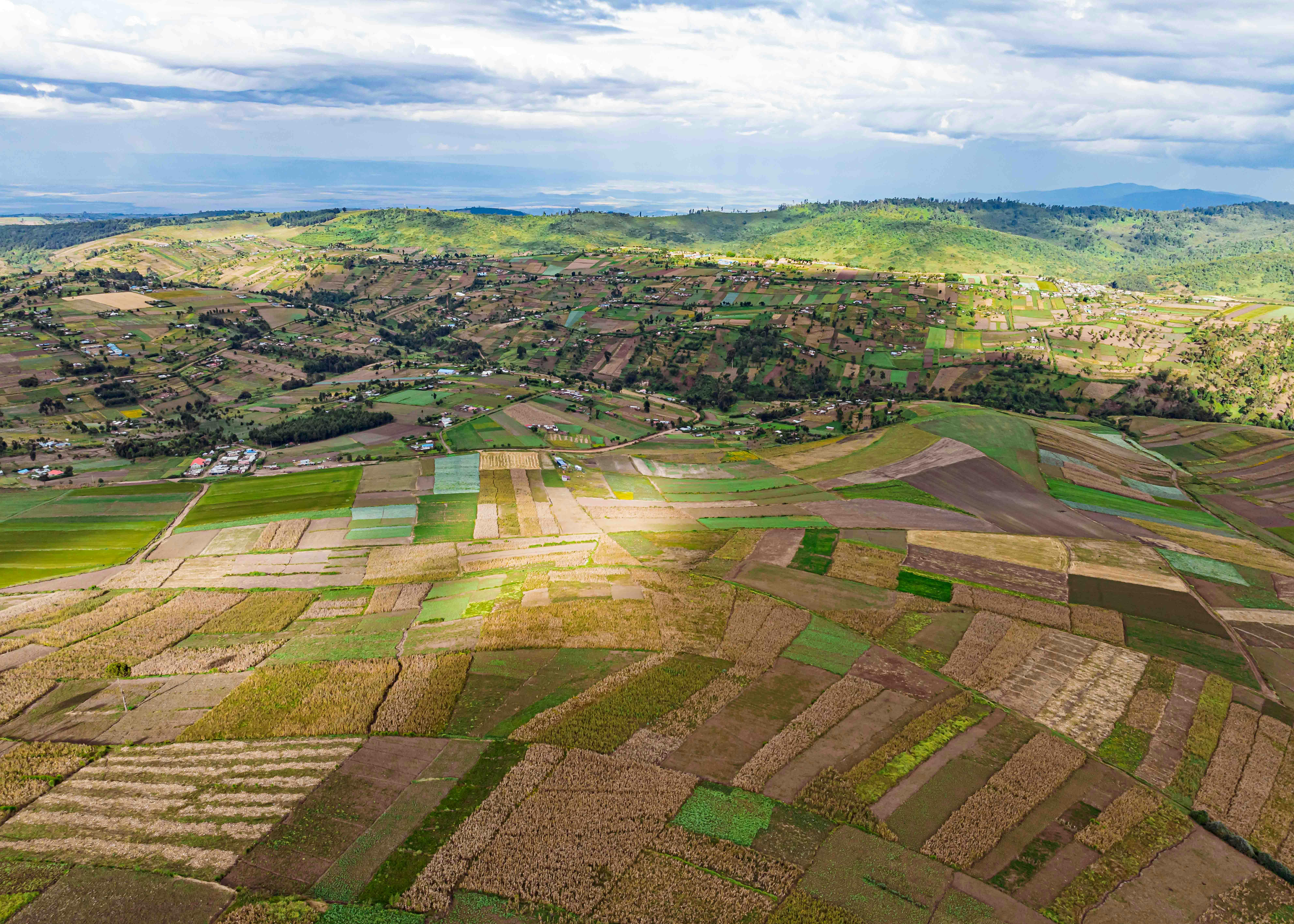
Such innovative solutions are not just about survival; they are about thriving in a changing world. To truly transform their practices and explore sustainable living solutions, farmers need access to resources and knowledge. Explore sustainable living solutions with Eco-Oasis Firm to discover partnerships and tools that can empower this vital shift.
Empowering Farmers with Financial Tools
Access to affordable credit, insurance, and financial literacy is often limited for smallholders, hindering their ability to invest in better inputs or recover from losses.
Case Studies, Examples, or Comparisons: Pathways to Prosperity
Despite the pervasive challenges, various initiatives across Kenya demonstrate that a different 'agricultural score' is possible for small farmers. These real-world examples offer tangible hope and prove the efficacy of sustainable, farmer-centric approaches.
One notable success is the Farm Africa's Growing Futures project in Western Kenya. This initiative works with small-scale farmers, particularly women and young people, to adopt sustainable agriculture practices, including regenerative agriculture and fish farming. By supporting the creation of sustainable work opportunities and providing training, the project helps farmers increase productivity and incomes, lifting them out of poverty. For instance, beneficiaries like Lilian Wolayo have transformed their farms, demonstrating significant improvements in yields and economic stability.
Another compelling example is the promotion of indigenous crops to enhance food security and resilience. In regions facing persistent drought, farmers are being encouraged to shift from reliance on staple crops like maize to more hardy, traditional varieties such as millet, sorghum, and various legumes. The initiative by some organizations to empower farmers with climate-smart solutions in drought-prone areas like Kwale is a testament to the power of diversifying and embracing crops suited to the local environment. By focusing on crops resilient to extreme weather conditions, these programs help farmers secure food and income, even in challenging years (Inside Climate News).
Comparatively, countries like Rwanda have made significant strides in their coffee sector by implementing stricter regulations against cartels and empowering farmer cooperatives. By streamlining the value chain and ensuring direct access to international markets, Rwandan coffee farmers often receive a higher percentage of the final sale price compared to their Kenyan counterparts. This highlights the critical need for strong policy enforcement and robust institutional support in Kenya to dismantle the cartels that have historically stifled farmer earnings. With a focused effort on transparency and farmer empowerment, Kenya could replicate such successes.
Furthermore, the PlantwisePlus program in Kenya is actively empowering farmers to produce sustainable and safe food through improved plant health management. By providing diagnostic services and advice, the program helps farmers reduce crop losses and pesticide use, leading to healthier produce and more sustainable farming systems (PlantwisePlus). These combined efforts illustrate that with the right support, technology, and market reforms, Kenya's small farmers can indeed move from agricultural defeat to sustainable success.
Common Mistakes to Avoid for Sustainable Farming
Navigating the complex agricultural landscape in Kenya requires not only adopting best practices but also consciously avoiding common pitfalls that can perpetuate cycles of poverty and unsustainability.
Avoiding these common mistakes is as critical as adopting new, sustainable methods. It's about building a robust and resilient farming system that can withstand both economic pressures and environmental challenges.
Expert Tips & Best Practices for Thriving Farms
To truly turn the tide for Kenya's small farmers, a proactive approach incorporating expert guidance and proven strategies is paramount. These tips provide practical 'training' for a more successful 'agricultural score'.
By implementing these expert tips, farmers can build more resilient, profitable, and environmentally sound operations. For those seeking comprehensive resources and partnerships to support these transitions, explore sustainable living solutions with Eco-Oasis Firm. Their network can connect farmers with innovative tools and support systems designed for long-term agricultural success.
Future Trends & Predictions for Kenyan Agriculture
The landscape of Kenyan agriculture is constantly evolving, driven by global environmental shifts, technological advancements, and changing consumer demands. Understanding these future trends is vital for farmers to adapt and stay competitive.
One prominent trend is the increasing emphasis on **climate-resilient and sustainable food systems**. With climate change impacts intensifying, there will be a greater push towards climate-smart agriculture, agroecology, and regenerative farming practices. This includes widespread adoption of drought-resistant crop varieties, precision agriculture, and improved water management technologies. Farmers who embrace these methods early will be better positioned to mitigate risks and ensure consistent yields.
**Digital transformation** is set to revolutionize agricultural practices. The proliferation of mobile technology will enable more farmers to access real-time market data, weather forecasts, agricultural advice, and financial services. Platforms connecting farmers directly to consumers or retailers will become more prevalent, potentially reducing the influence of middlemen and cartels, leading to fairer prices for producers. There will also be a rise in agricultural apps offering tailored solutions for pest management, crop monitoring, and resource optimization.
**Diversification into high-value and indigenous crops** will gain momentum. As consumer preferences shift towards healthier, locally sourced, and unique produce, there will be increased demand for indigenous vegetables, fruits, and traditional grains. This offers small farmers an opportunity to tap into niche markets, command better prices, and reduce their reliance on traditional cash crops that are often subject to market volatility and cartel manipulation.
Furthermore, the **growth of agricultural value chains and processing** is expected. Instead of simply exporting raw materials, there will be a greater focus on processing agricultural products within Kenya, adding value and creating more jobs. This could include processing coffee beans, drying fruits and vegetables, or producing natural health products. This vertical integration will capture more economic benefits within the country, empowering local communities.
Finally, **carbon farming and ecosystem services** will emerge as significant income streams. As global efforts to combat climate change intensify, smallholder farmers who adopt practices that sequester carbon or enhance biodiversity may be able to access carbon markets or receive payments for ecosystem services. This provides an additional incentive for sustainable land management and offers a new financial lifeline for farmers committed to ecological restoration. These trends collectively paint a picture of a future where informed, adaptable, and sustainably-minded farmers can navigate the 'economic game' more successfully.
Conclusion: Sowing Seeds of Hope and Action
The narrative of Kenya's 'green gold' bankrupting small farmers is a stark reminder of the systemic failures that plague vital agricultural sectors. From the iron grip of cartels and unfulfilled government pledges to the undeniable pressures of climate change, the challenges are immense. Yet, the story is not one of inevitable defeat. It is a call to action, emphasizing the urgent need for a strategic overhaul of the 'economic game' and the provision of vital 'training' for farmers.
By empowering farmers with knowledge, fostering market transparency, dismantling exploitative cartels, and championing climate-smart agricultural practices, we can cultivate a future where prosperity truly reaches the hands of those who feed the nation. The resilience and dedication of Kenyan farmers are unwavering; what they require is an equitable playing field and the tools to succeed. Let us collectively commit to supporting sustainable solutions, advocating for fair policies, and investing in the transformative power of agroecology and innovation.
The time for change is now. Together, we can transform the landscape of Kenyan agriculture, ensuring that its 'green gold' enriches every farmer and sustains every community. Explore sustainable living solutions with Eco-Oasis Firm to find out how you can be a part of this crucial movement and support a fairer, greener future for agriculture.


0 Comments