

Estimated Reading Time: 10 minutes
TL;DR: Organic farming in Kenya can boost yields by 30%, reduce input costs, and enhance sustainability. Key techniques include composting, bio-fertilizers, and crop rotation. Embrace organic innovations to transform Kenyan agriculture.
- Embrace organic composting to rejuvenate soil fertility naturally.
- Adopt crop rotation strategies to maintain ecological balance.
- Utilize bio-fertilizers to provide essential nutrients to crops.
- Background & Context
- Key Insights or Strategies
- Case Studies, Examples, or Comparisons
- Common Mistakes to Avoid
- Expert Tips or Best Practices
- Future Trends or Predictions
- Conclusion
- FAQs
Background & Context
Kenyan farmers are increasingly seeking alternatives to chemical fertilizers due to rising costs and soil degradation. By focusing on organic composting techniques, bio-fertilizer application, and crop rotation, they can restore soil health and see up to a 30% increase in yields. The Kenya Agricultural & Livestock Research Organization (KALRO) has provided evidence supporting these methods.
Key Insights or Strategies
Insight 1: Embracing Composting
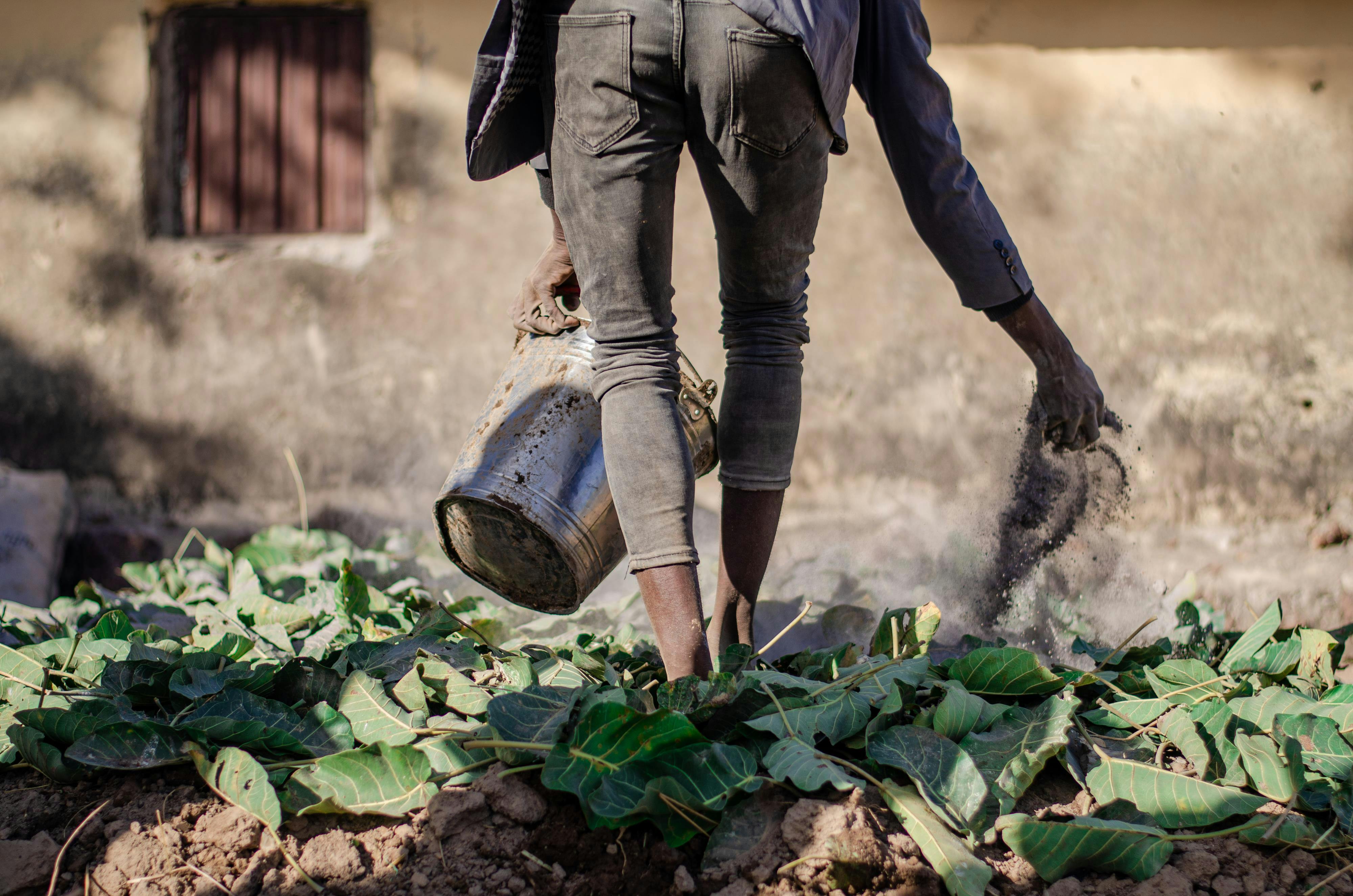
Creating nutrient-rich compost is crucial for maintaining soil fertility. Farmers should aim to provide a balanced mix of organic materials including green and brown matter, and monitoring moisture levels.
- Collect kitchen scraps and yard waste.
- Layer materials to balance carbon and nitrogen content.
- Maintain moisture but avoid over-watering.
Boost your yields with the Soil pH & Moisture Tester Kit – available on Amazon.
Explore sustainable organic farming solutions with Biofarm Kenya
Insight 2: Utilizing Bio-fertilizers
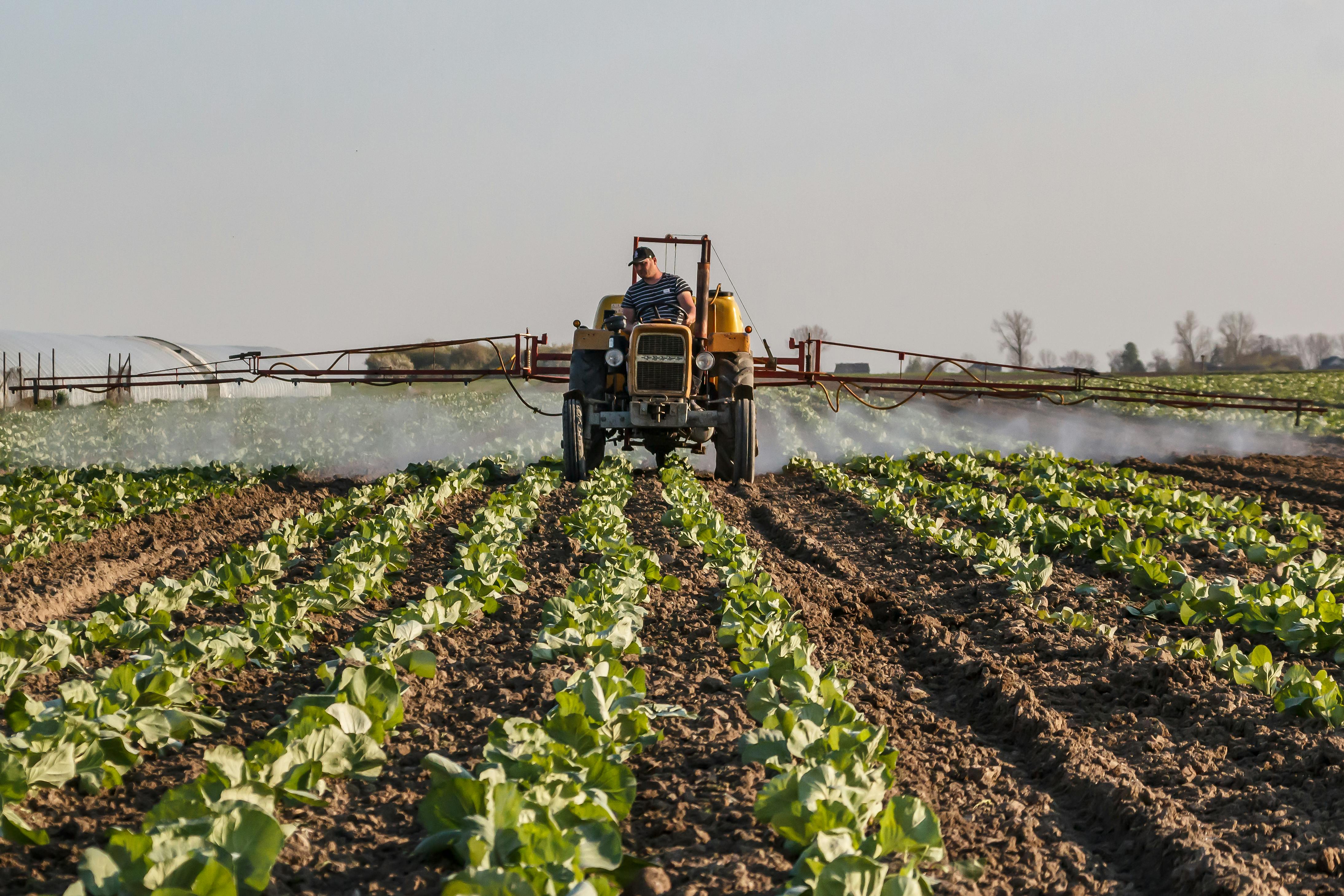
Bio-fertilizers play a key role in supplying essential nutrients to plants naturally. These fertilizers enhance microbial diversity and improve plant health.
For a comprehensive solution, consider the CARPATHEN Drip Irrigation System Kit to optimize water use while nutrients are applied efficiently.
Case Studies, Examples, or Comparisons
Farmers in Kajiado County have successfully adopted organic techniques, improving both yield and environmental health. The Food and Agriculture Organization (FAO) supports these sustainable practices.
Common Mistakes to Avoid
- Overusing organic fertilizers which can harm plants by the excess of misleading nutrients.
- Neglecting soil pH tests, resulting in incorrect crop suitability.
Expert Tips or Best Practices
According to experts, maintaining healthy soil involves regular soil testing.
Consider using the MySoil Soil Test Kit to rigorously monitor soil health.
Explore sustainable organic farming solutions with Biofarm Kenya
Future Trends or Predictions
The future of Kenyan farming includes smart irrigation systems and AI-driven crop monitoring, which enhances productivity and reduces labor costs through technology.
Conclusion
Enhancing farm productivity in Kenya requires adopting organic farming techniques.
Discover trusted organic farming tools on Amazon and learn more about sustainable solutions with Biofarm Kenya.
FAQs
- How does organic farming help combat soil degradation in Kenya?
- By banning synthetic inputs, organic farming enhances soil health, increasing biodiversity and defending against erosion. Learn more at the KALRO website.Are bio-fertilizers sufficient to provide all necessary nutrients to crops?
- While bio-fertilizers enhance nutrient availability, complement them with traditional organic matter. Consult FAO guidelines.What challenges do Kenyan farmers face with crop rotation?
- Challenges include market demands and educational gaps, but organizations like the Kenya Organic Agriculture Network (KOAN) offer useful guidance.How are climate changes affecting organic farming in Kenya?
- Climate changes introduce unpredictability affecting crop cycles. Resources from the National Environment Management Authority (NEMA) can offer solutions.Is drip irrigation suitable for all types of crops?
- Primarily used for vegetables and fruit trees, drip irrigation helps conserve water and fertilize accurately. More at FAO.What resources do I need to start organic farming?
- Begin with a plot, organic seeds, and a composting facility. See Biofarm Kenya for more information.
- While bio-fertilizers enhance nutrient availability, complement them with traditional organic matter. Consult FAO guidelines.What challenges do Kenyan farmers face with crop rotation?


0 Comments