

Estimated Reading Time: 12 minutes
TL;DR: Learn how deficit irrigation can conserve water and sustain yields, particularly for Kenyan maize and horticulture crops.
Key Takeaways
- Deficit irrigation can reduce water usage by up to 30% while maintaining yields.
- Utilizing soil moisture sensors can help optimize water distribution.
- Prioritizing the irrigation of young and flowering plants enhances growth.
- Applying mulching retains soil moisture efficiently.
- Sustainable solutions are vital for Kenyan farmers facing erratic rainfall.
Table of Contents
- Introduction
- Background & Context
- Key Insights or Strategies
- Case Studies, Examples, or Comparisons
- Common Mistakes to Avoid
- Expert Tips or Best Practices
- Future Trends or Predictions
- Conclusion
- FAQs
Introduction
The farmers in Kenya’s arid regions are increasingly seeking water-saving techniques amid erratic rainfall. This guide focuses on deficit irrigation scheduling—applying water strategically during critical crop growth stages rather than daily. Key steps include using soil moisture sensors (or affordable local tools) to identify true moisture thresholds, prioritizing irrigation for young plants and flowering phases, and pairing with mulching to retain soil moisture. A 2025 KALRO study shows this method reduces water use by 30% while maintaining yields in maize and horticulture crops.
Background & Context
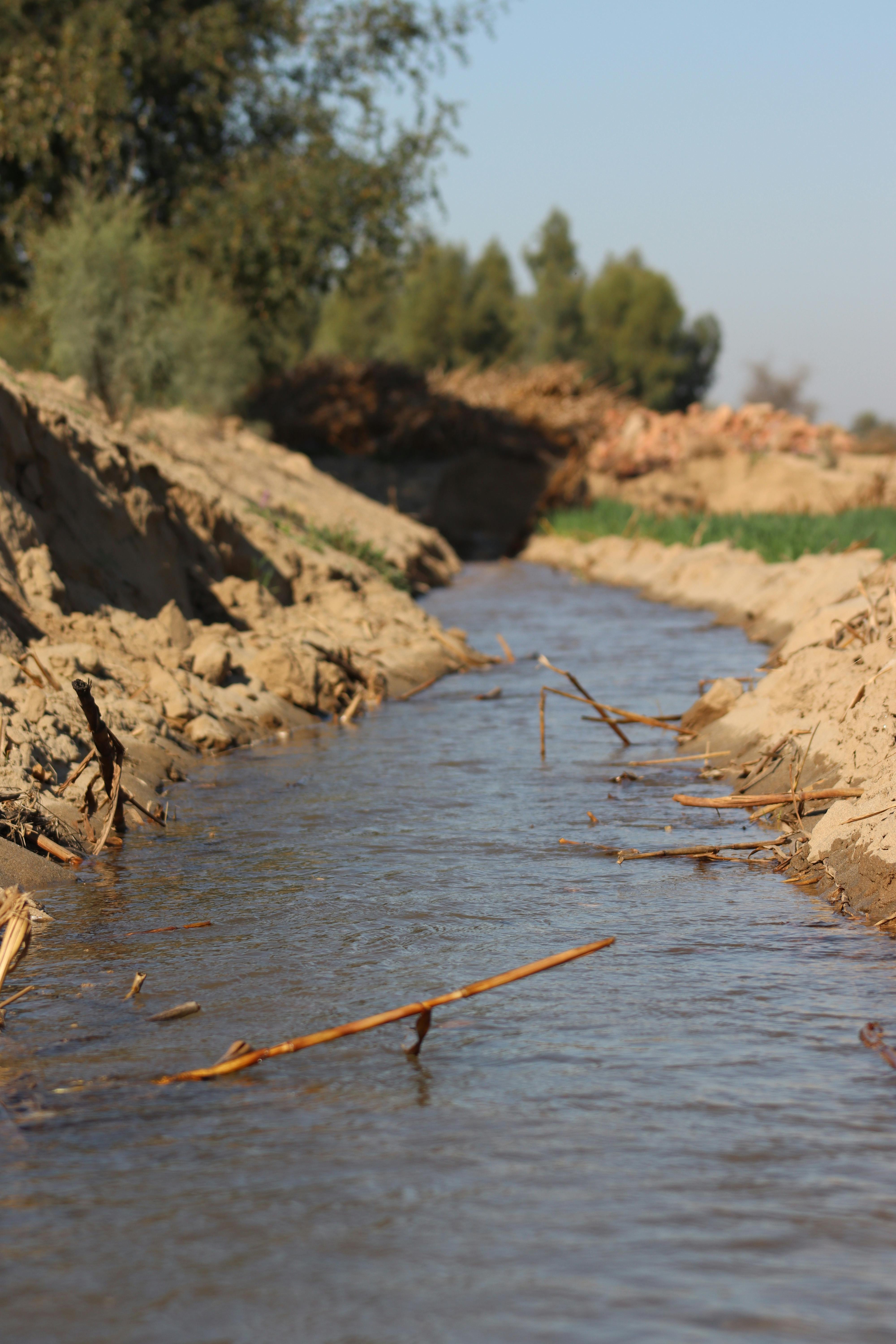
Kenya's agribusiness sector is rapidly evolving as farmers adapt to sustainable practices. Organic farming is on the rise, contributing to improved soil fertility and increased crop yield. According to the Ministry of Agriculture, the adoption of innovative irrigation techniques is essential for addressing water scarcity, which affects agricultural productivity in arid regions.
Key Insights or Strategies
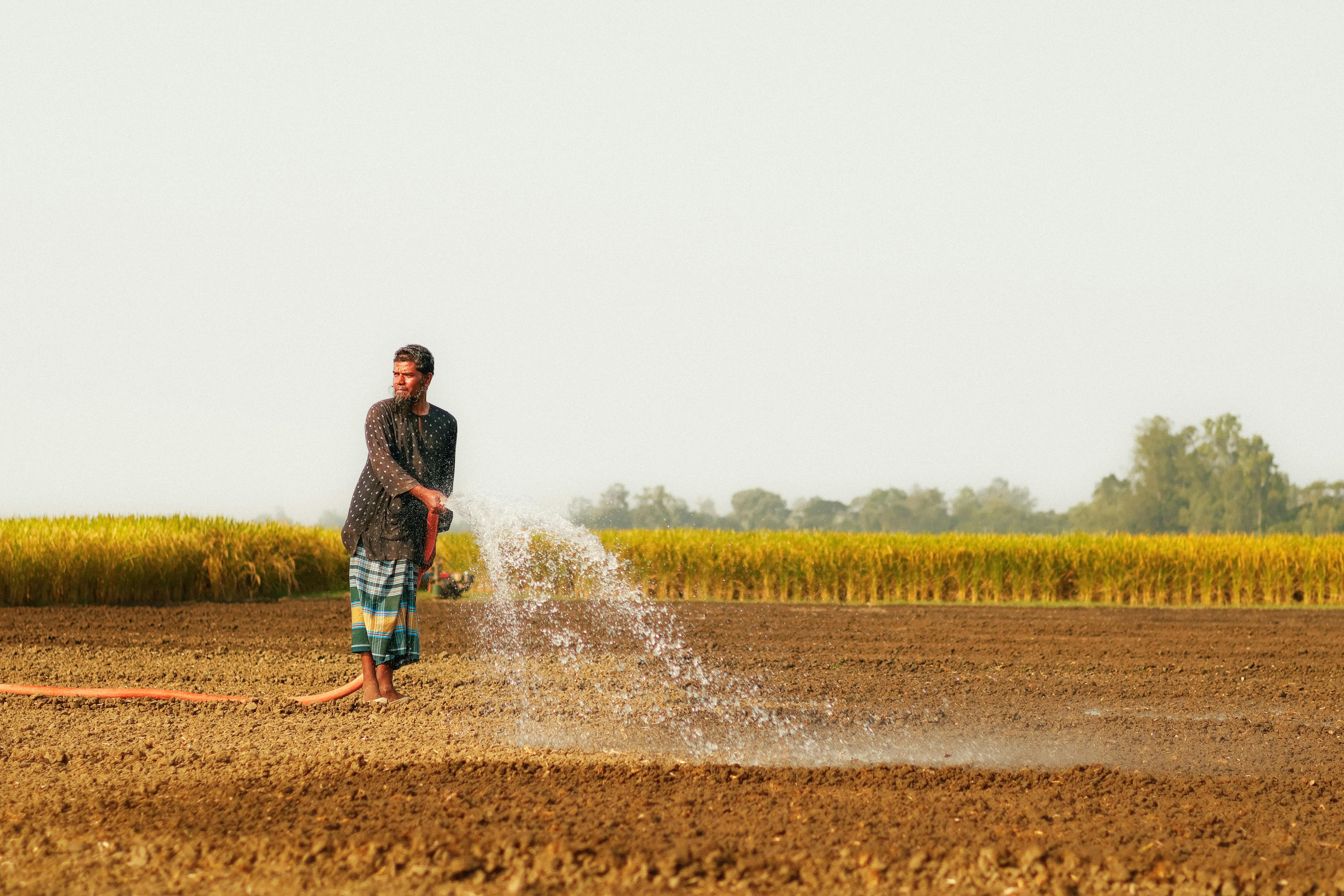
Utilize Soil Moisture Sensors
- Install sensors at various points in your farmland.
- Monitor readings regularly to assess moisture levels.
- Adjust irrigation schedules based on sensor data.
Boost your yields with the Soil pH & Moisture Tester Kit – available on Amazon.
Explore sustainable organic farming solutions with Biofarm KenyaPrioritize Critical Growth Stages
- Focus water application during germination and flowering phases.
- Reduce or stop irrigation during less sensitive growth stages.
- Pair with mulching to maintain soil moisture levels.
Case Studies, Examples, or Comparisons
In the semi-arid regions of Eastern Kenya, deficit irrigation has been adopted successfully by smallholder farmers. According to the Food and Agriculture Organization (FAO), those who adopted this technique reportedly reduced their water usage by up to 30% without compromising their crop yields.
Common Mistakes to Avoid
- Over-relying on guesswork rather than actual soil moisture data.
- Neglecting proper mulching techniques, leading to faster evaporation.
- Inadequate prioritization of irrigation leading to uneven growth.
- Ignoring local climatic conditions when scheduling irrigation.
Expert Tips or Best Practices
Maintain healthy soil with Organic Compost Starter Mix. Explore efficient irrigation tools such as Solar-Powered Drip Irrigation Kits – available on Amazon.
Explore sustainable organic farming solutions with Biofarm Kenya
Future Trends or Predictions
Emerging technologies such as AI-driven crop monitoring and smart irrigation systems are poised to revolutionize Kenya's agriculture. These innovations will enable better resource management and enhance productivity.
Conclusion
Deficit irrigation offers a practical solution for Kenyan farmers facing water shortages. Discover trusted organic farming tools on Amazon and learn more about sustainable solutions with Biofarm Kenya.
FAQs
- What is deficit irrigation? Deficit irrigation is a water management strategy where water is applied during critical stages of crop growth to reduce water use without significantly affecting yield. [Learn more on FAO](http://www.fao.org).
- How does soil mulching work? Mulching involves covering the soil with organic or inorganic materials to conserve moisture, improve fertility, and reduce weed growth. [Read more at NEMA](http://www.nema.go.ke).
- What are the benefits of using soil moisture sensors? These sensors provide precise data on soil moisture levels, allowing for targeted irrigation and improved water efficiency. [More details from Ministry of Agriculture](http://www.kilimo.go.ke).
- How can I maintain soil fertility sustainably? Implement crop rotation, use organic fertilizers, and apply mulching techniques to enhance soil health. [Explore Biofarm Kenya for solutions](https://biofarmkenya.link/partners).
- What are the challenges of deficit irrigation? Challenges include the need for regular monitoring and the possibility of experiencing lower yields if not managed correctly. [Consult agricultural experts via FAO](http://www.fao.org).
- Are there affordable irrigation tools available in Kenya? Yes, there are several cost-effective solutions such as solar-powered drip irrigation kits available on the market. [Find options on Amazon](https://www.amazon.com/s?k=irrigation+kits).


0 Comments