

Estimated Reading Time: 15 minutes
TL;DR: Discover the benefits of deficit irrigation for maize farming in Kenya. Learn how this method, combined with drought-resistant seeds and mulching, can help maintain high yields while significantly reducing water use. Explore innovative methods and products to enhance your farming techniques.
Background & Context
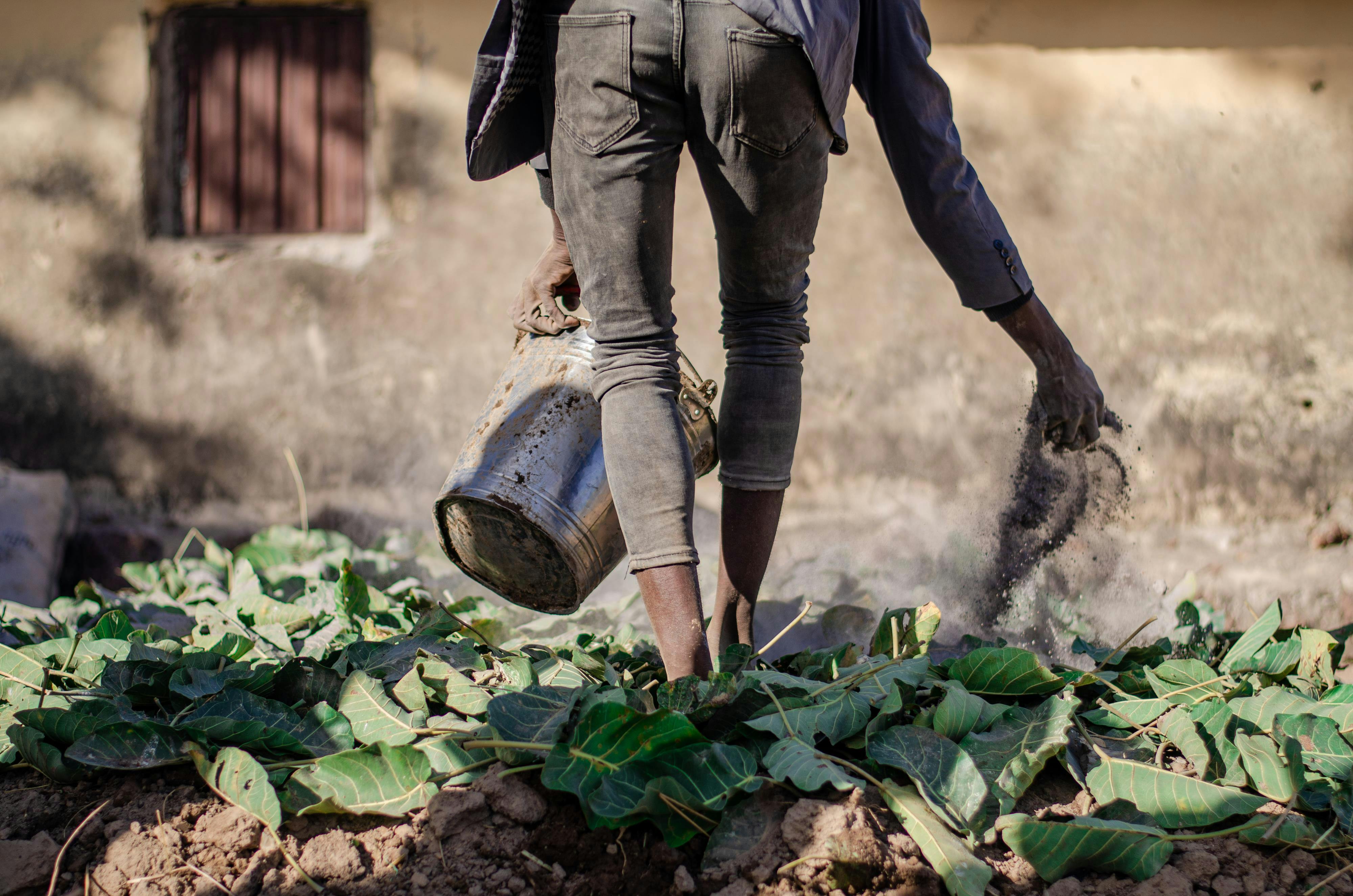
With erratic rainfall affecting agriculture in Kenya, deficit irrigation has emerged as a valuable strategy. *Kenyan farmers are increasingly adopting deficit irrigation strategies for maize amid erratic rainfall.* Incorporating drought-tolerant seeds like KDH 7257 and mulching can retain up to 30% more soil moisture, allowing farmers in regions like Bomet to face predicted 2026 water shortages with better preparedness.
Key Insights or Strategies
1. Understanding Deficit Irrigation
- Determine soil moisture thresholds to optimize water usage effectively.
- Select drought-tolerant hybrids to improve resilience against water deficits.
Boost your yields with the Soil pH & Moisture Tester Kit – available on Amazon.
Explore sustainable organic farming solutions with Biofarm Kenya
Case Studies, Examples, or Comparisons
Recent trials by the Kenya Agricultural and Livestock Research Organization (KALRO) show that adopting deficit irrigation can maintain up to 85% of full irrigation yields while using 40% less water. Farmers adopting these methods have successfully sustained crop quality and yield.
Common Mistakes to Avoid
- Overwatering: Maintain optimal moisture levels with reliable testing.
- Poor Soil Management: Regularly test soil to ensure proper nutrient balance.
Expert Tips or Best Practices
- Implement mulching to enhance water retention and soil health.
- Regularly update irrigation schedules based on current weather data.
Maintain healthy soil with Organic Compost Starter Mix.
Explore sustainable farming tools at Biofarm Kenya
Future Trends or Predictions
Expect innovations such as smart irrigation systems that utilize AI-driven prediction models for weather and crop needs, making farming even more efficient.
Conclusion
Deficit irrigation offers a pathway to sustainable maize farming in Kenya. Discover trusted organic farming tools on Amazon and learn more about sustainable solutions with Biofarm Kenya.
FAQs
- What is deficit irrigation? Deficit irrigation involves optimizing water use by understanding and managing soil moisture thresholds. Learn more from FAO.
- How do drought-tolerant seeds help? These seeds are specially bred to withstand lower water availability, crucial for water-stressed regions. Discover more at ICIPE.
- Can mulching really save water? Yes, mulching can increase water retention by up to 30%, reducing the irrigation needs of crops. Find methods at KALRO.
- What impact does climate change have? Erratic weather patterns necessitate adaptive agricultural techniques like deficit irrigation. More information at UNEP.
- How do I test my soil? Use reliable soil testing kits to measure pH and nutrient content. Choose from a selection at Amazon.
- Why should I partner with Biofarm Kenya? Biofarm Kenya provides integrated, sustainable farming solutions that increase productivity and profitability. See their solutions at Biofarm Kenya.


0 Comments