

Estimated Reading Time: 8 minutes
TL;DR: Biopesticides cut pesticide costs by 30%; Neem and Bacillus thuringiensis are key; Effective pest control requires timing and integration; Case studies show 90%+ yield retention.
Key Takeaways:
- Biopesticides reduce costs by 30% and are effective against the fall armyworm.
- Learning proper application techniques is crucial for success.
- Integrating biopesticides with integrated pest management (IPM) can achieve high yields.
Background & Context
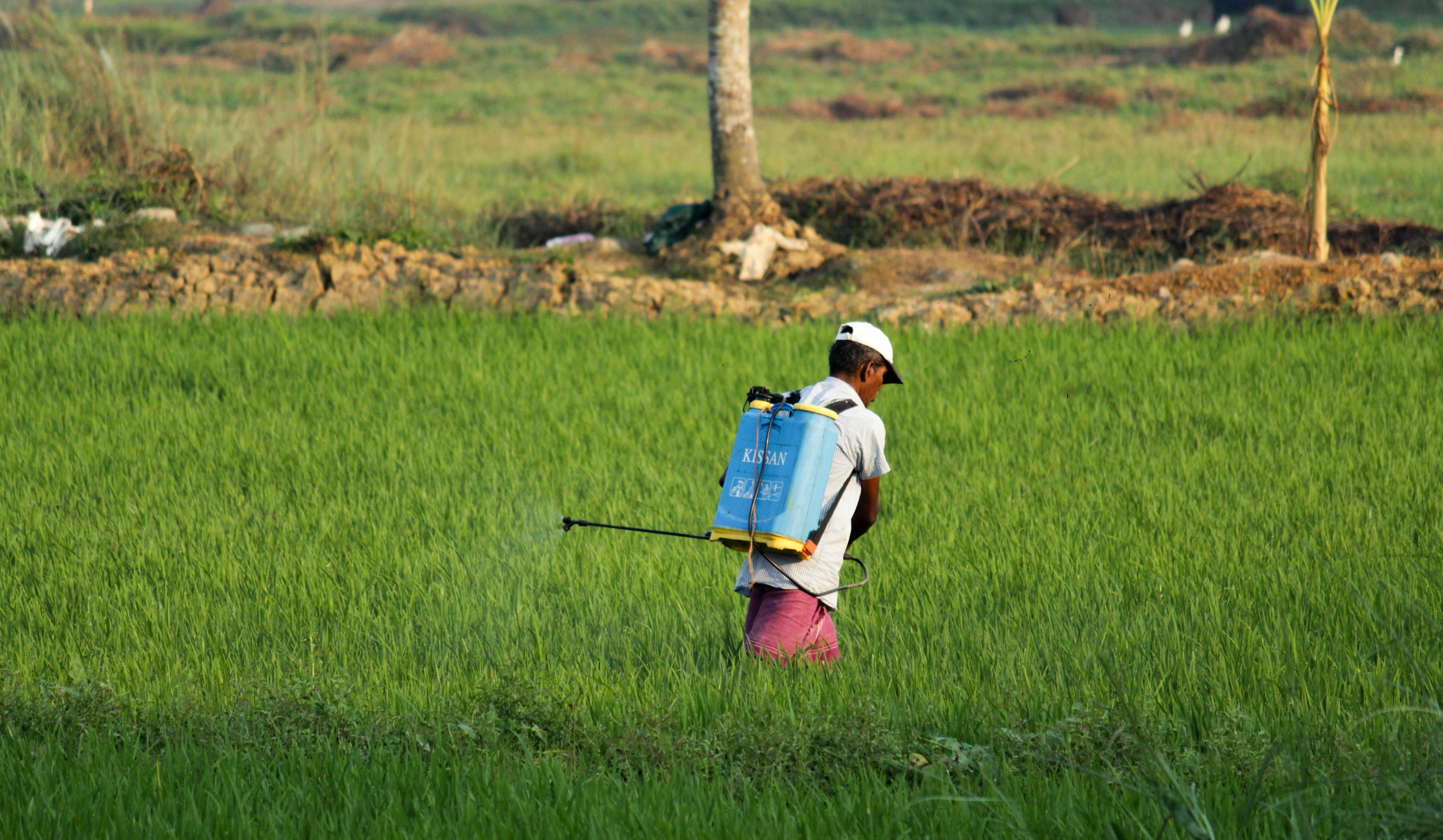
The rising costs of chemical pesticides and increasing environmental concerns have driven Kenyan farmers to adopt biopesticides in 2026. Focus has shifted towards using Neem-based and Bacillus thuringiensis solutions, offering significant cost savings and maintaining high crop yields.
Key Insights or Strategies

Insight 1: Application Techniques
Farmers must master mixing ratios and timing applications with pest life cycles to successfully use biopesticides.
- Understand specific pest cycles.
- Use technology to monitor application times.
- Integrate with IPM strategies for maximum efficiency.
Consider using the Soil Test Kit to better understand soil properties, enhancing biopesticide effectiveness.
Boost your yields with the MIXC Drip Irrigation System Kit – available on Amazon.
Explore sustainable organic farming solutions with Biofarm Kenya
Case Studies, Examples, or Comparisons
In 2025, the Kakamega County trials demonstrated a 30% reduction in input costs with biopesticides while maintaining 90%+ crop yields. According to FAO data, combining Neem-based solutions with precise application can control the fall armyworm effectively.
Common Mistakes to Avoid
- Ignoring pest life cycles: Plan applications based on specific pests.
- Improper mixing ratios: Follow guidelines for effective results.
- Overusing biopesticides: Balance with traditional practices for stability.
Expert Tips or Best Practices
Grow healthier crops by ensuring soil fertility through regular testing and adjustments. Use a MySoil Soil Test Kit for precise nutrient management.
Integrate technology like smart irrigation systems for efficient water management.
Explore sustainable organic farming solutions with Biofarm Kenya
Future Trends or Predictions
Innovations like AI-driven crop monitoring and vertical farming are expected to play a crucial role in Kenyan agriculture's future.
Conclusion
As the agriculture landscape in Kenya continues to evolve, farmers have the opportunity to embrace biopesticides for sustainable farming. Discover trusted organic farming tools on Amazon and learn more about sustainable solutions with Biofarm Kenya.
FAQs
- What are biopesticides?
- Biopesticides are natural derivatives used in pest control—a great resource can be found at FAO.How do biopesticides reduce costs?
- They can lower pesticide-related costs by replacing expensive chemical alternatives, as seen in studies such as those by the Kenya Agricultural Research Institute.Why choose Neem-based solutions?
- They are effective against a variety of pests while being environmentally friendly—more details can be found at Neem Foundation.What is the impact of biopesticides on crop yield?
- Studies show a maintenance of 90%+ yield when used correctly, which you can verify on the Jomo Kenyatta University website.
- They can lower pesticide-related costs by replacing expensive chemical alternatives, as seen in studies such as those by the Kenya Agricultural Research Institute.Why choose Neem-based solutions?
- Can biopesticides be used in all crop types?
- Generally, yes, but suitability varies—find more at the National Biosafety Authority.Where can I learn more about biopesticide application?
- Biofarm Kenya offers comprehensive training—explore their resources at Biofarm Kenya.


0 Comments