

Estimated Reading Time: 11 minutes
TL;DR: Kenya's Avocado Boom Masks Deep InequalityKenya's avocado industry, Africa's leading exporter, is dominated by small-scale farmers (around 70%), yet the majority of profits often bypass them, enriching large corporations and exporters.Smallholder farmers face significant hurdles including limited market access, price exploitation, inadequate irrigation, and lack of essential knowledge, exacerbated by climate change impacts like drought.The expansion of avocado cultivation raises environmental concerns, particularly regarding water usage, soil degradation, and potential biodiversity loss, highlighting the need for sustainable practices.Initiatives promoting sustainable farming, farmer cooperatives, and direct market linkages are crucial for empowering smallholders and ensuring more equitable distribution of the 'green gold' profits.Policymakers and industry stakeholders must prioritize inclusive growth strategies that provide training, financial support, and fair trade opportunities to bridge the wealth divide in the sector.
Key Takeaways for Sustainable Avocado FarmingInvest in Water-Efficient Techniques: Implement drip irrigation and rainwater harvesting to mitigate drought impacts and reduce environmental strain.Join or Form Cooperatives: Enhance bargaining power, access better markets, and share resources and knowledge for collective benefit.Seek Training and Certification: Acquire Good Agricultural Practices (GAP) certification and learn about pest management and soil health to improve yield and marketability.Diversify Income Streams: Reduce reliance on a single crop by integrating other sustainable farming practices or value-added processing.Advocate for Fair Policies: Support and engage with organizations pushing for equitable trade policies and better infrastructure for smallholder farmers.
Table of Contents
Introduction: Kenya's Green Gold
Kenya, a land of vibrant landscapes and resilient communities, has emerged as a powerhouse in the global avocado market. Often dubbed 'green gold,' this creamy fruit has become a major agricultural export, significantly contributing to the nation's economy. However, beneath the gleaming facade of export success, a stark reality unfolds: **Kenya's avocado boom masks deep inequality.** While the soaring international demand for avocados enriches a select few, primarily large-scale commercial farms and powerful exporters, smallholder farmers—who constitute the backbone of the industry—are frequently left grappling with myriad challenges. They face persistent issues like drought, market exploitation, and a relentless struggle to earn a fair living. This article delves into the heart of this disparity, uncovering the real beneficiaries of Kenya's avocado wealth and exploring pathways toward a more equitable and sustainable future for all involved.Background & Context: The Avocado Divide
The story of Kenya's avocado industry is one of immense potential clashing with entrenched inequalities. Kenya is Africa's leading avocado producer and was the top avocado exporter by volume in 2025, with production projected to expand by 4.8% to approximately 727 thousand metric tons in 2026, driven largely by export demand (USDA FAS Nairobi Report). Despite this impressive growth, about 70% of avocado production comes from small-scale growers, yet many remain locked out of premium export markets (IFPRI). This structural imbalance means that while the overall sector thrives, the benefits are disproportionately distributed. Smallholder farmers often lack the resources, knowledge, and market access needed to meet stringent export quality standards or negotiate fair prices. They are frequently at the mercy of middlemen, who often offer exploitative rates, eroding much of their potential profit. Furthermore, climate change impacts, particularly increased frequency and severity of droughts, pose significant threats to their crops, which are often rain-fed. These factors collectively deepen the economic divide, illustrating how the 'green gold' paradoxically enriches elites while leaving the majority of small farmers in a precarious struggle for survival.
Key Insights & Strategies for Equitable Growth
Addressing the inequality within Kenya's avocado industry requires a multi-faceted approach, focusing on empowering smallholder farmers and fostering sustainable practices. The insights below offer actionable steps towards a more just and resilient sector.Harnessing Cooperative Power for Market Access
One of the most potent strategies for smallholder farmers is to organize into cooperatives or farmer groups. These collectives enhance their bargaining power, allowing them to negotiate better prices with exporters and access larger, more lucrative markets that would otherwise be inaccessible individually.Embracing Sustainable Agricultural Practices
Sustainable farming is not just an environmental imperative but also an economic necessity for smallholders facing climate change. Implementing eco-friendly methods can reduce input costs, improve soil health, and make crops more resilient.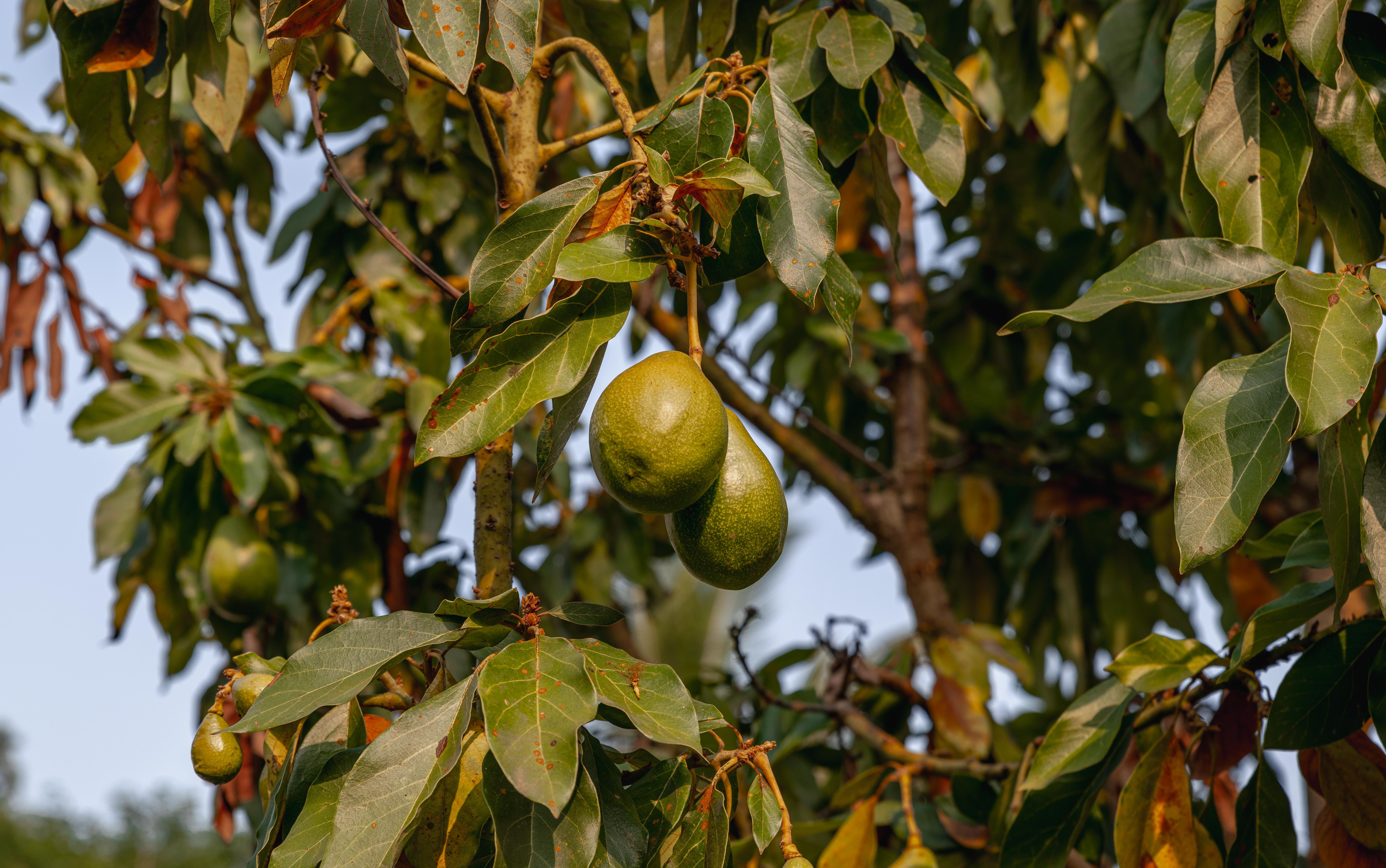
Leveraging Technology and Knowledge Transfer
Modern agriculture relies on data and innovation. Providing smallholders with access to relevant technology and up-to-date agricultural knowledge can significantly boost their productivity and market competitiveness.Case Studies: Real-World Impacts & Disparities
The contrasting experiences within Kenya's avocado sector vividly illustrate the depth of the inequality. While some players reap substantial rewards, others struggle to survive.One stark example lies in market access. Large commercial farms, often backed by significant capital, possess the infrastructure to meet stringent export requirements, including packaging, cold storage, and logistics. They can directly engage with international buyers, securing favorable long-term contracts. This allows them to consistently receive premium prices for their Hass or Fuerte avocados. In contrast, smallholder farmers typically sell their produce to middlemen or local traders. A study on value chain challenges highlighted that avocado farmers and local traders often experience low prices, unreliable markets, damaging of avocados during transport, and a lack of market information, all contributing to reduced profitability (East African Journal of Education and Social Sciences). This dependency on intermediaries often results in farmers receiving a mere fraction of the final retail price, perpetuating a cycle of poverty.Beyond economic disparities, environmental costs are also unevenly borne. While commercial farms might implement some sustainable practices, the cumulative impact of widespread avocado cultivation raises concerns. Avocado farming is highly water-intensive, and large-scale irrigation can deplete local groundwater resources, threatening the water supply for surrounding communities and other essential crops (Bio Ressources Blog). In regions like Murang'a, a key avocado-growing area, small farmers are often the first to experience the effects of water scarcity, further complicating their agricultural activities and livelihoods. The expansion of avocado plantations can lead to competition for water, impacting the food security of local communities and degrading water quality through excessive use of fertilizers and pesticides (Adna Farms). This highlights a critical need for balanced development that prioritizes both economic gain and ecological preservation, ensuring that the burden of environmental stewardship does not fall solely on the most vulnerable.Common Mistakes to Avoid
Navigating the complexities of avocado farming, especially for smallholders, is fraught with potential pitfalls. Avoiding these common mistakes can significantly improve profitability and sustainability.Firstly, a significant error is the **lack of proper market research and planning**. Many farmers plant avocados without a clear understanding of market demands, preferred varieties, or peak seasons, leading to oversupply during certain periods and subsequent price crashes. This reactive approach leaves them vulnerable to price manipulation by buyers.Secondly, **inadequate knowledge of avocado tree care and post-harvest handling** is widespread. Farmers often use inappropriate pruning techniques, insufficient pest and disease management, or harvest at the wrong time, compromising fruit quality. Poor post-harvest handling, such as improper sorting, packaging, or storage, leads to spoilage and rejection by buyers, further reducing potential income.Thirdly, **over-reliance on traditional farming methods without embracing sustainable innovations** can be detrimental. Ignoring water-efficient irrigation, soil conservation techniques, or integrated pest management not only harms the environment but also makes farms less resilient to climate shocks like drought and more susceptible to increased input costs.Finally, **failing to collaborate or join farmer groups** is a missed opportunity. Individual smallholders often lack the scale, bargaining power, and collective voice needed to influence market dynamics or access valuable resources. This isolation perpetuates their vulnerability to exploitation and limits their ability to compete effectively in the broader market.Expert Tips for Sustainable & Profitable Farming
For smallholder avocado farmers in Kenya, adopting strategic practices can pave the way for increased profitability and long-term sustainability. These expert tips focus on empowering farmers to navigate market challenges and environmental concerns effectively.**1. Prioritize Soil Health and Water Management:** Healthy soil is the foundation of productive farming. Regularly test your soil to understand its nutrient profile and implement practices like composting and cover cropping to improve fertility and moisture retention. For water, invest in smart irrigation solutions. Try switching to Explore sustainable living solutions with Eco-Oasis Firm to explore energy-efficient and water-saving irrigation systems tailored for small-scale farms. Drip irrigation, for instance, significantly reduces water wastage compared to flood irrigation, crucial in drought-prone regions.**2. Focus on Quality and Certification:** The export market demands high-quality produce. Train yourself and your farmhands on Good Agricultural Practices (GAP) and Global GAP certification requirements. This includes proper pruning, timely harvesting, and pest and disease control using approved methods. Certified produce often fetches higher prices and opens doors to premium international markets. For example, partnerships like the one between Control Union Kenya and RECSA are equipping smallholder farmers with knowledge and certification for sustainable avocado farming (LinkedIn - Fred Munene).**3. Strengthen Market Linkages and Value Addition:** Move beyond selling raw produce to middlemen. Explore opportunities for direct selling to exporters or local retailers. Farmer cooperatives play a critical role here, enabling collective bargaining and aggregation of produce to meet larger orders. Consider value addition, such as processing overripe avocados into oil, guacamole, or other products, which can reduce post-harvest losses and create additional revenue streams.**4. Continuous Learning and Adaptation:** The agricultural landscape is constantly evolving. Stay updated on the latest farming techniques, market trends, and climate-resilient practices. Attend workshops, engage with agricultural extension services, and connect with other successful farmers to share knowledge and experiences. Government initiatives like the Kenya Avocado Strategy (2020–2025) aim to support farmers through subsidies, training, and export facilitation (Sciendo PDF). Embrace this continuous learning to adapt to new challenges and seize emerging opportunities.Future Trends & Predictions in Kenya's Avocado Sector
Kenya's avocado industry is poised for continued expansion, yet its future trajectory will be significantly shaped by evolving global demands, climate change, and domestic policy shifts. Several key trends are expected to define the sector in the coming years.Firstly, **sustained global demand, particularly from emerging markets in Asia**, will continue to drive production growth. Countries like China have recently opened their markets to Kenyan avocados, offering new, high-value opportunities. This expanded market access is forecast to lead to a 7.4% increase in exports in 2026, with Kenya projecting a 22% increase in avocado production overall, generating an estimated KES 25.4 billion (USD 170 million) in export revenue for 2026 (CropGPT AI). This growth, however, intensifies the need for efficient logistics and cold chain management to ensure fruit quality over longer distances.Secondly, **increasing pressure for sustainable and ethical sourcing** will reshape supply chains. Consumers and importers are becoming more conscious of the environmental and social footprint of their food. This will push for wider adoption of certifications like Rainforest Alliance and Global GAP, as well as transparent supply chains that ensure fair labor practices and minimal environmental impact. Farmers, particularly smallholders, who can demonstrate sustainable practices will gain a competitive edge.Thirdly, **technological integration and climate-smart agriculture** will become paramount. Innovations in precision agriculture, such as remote sensing for monitoring crop health and smart irrigation systems, will be crucial for optimizing yields and conserving resources in the face of erratic weather patterns. Drought-resistant avocado varieties and advanced pest management solutions will also see increased adoption.Finally, there will be a **greater emphasis on value addition and product diversification**. Beyond fresh fruit exports, the market for avocado oil, purées, and other processed products is growing. This presents an opportunity for local processors to capture more value within the country, creating jobs and reducing post-harvest losses. Government support for small and medium-sized enterprises (SMEs) in this area will be critical for fostering inclusive growth. These trends highlight a future where Kenya's 'green gold' must not only be abundant but also responsibly and equitably produced.Conclusion: Cultivating a Fairer Future
Kenya's avocado boom presents a powerful dual narrative: immense economic opportunity alongside stark inequality. While the 'green gold' has undeniably propelled the nation into a leading position in global horticulture, its current structure largely benefits a privileged few, leaving the majority of smallholder farmers in a vulnerable position. **Kenya's avocado boom masks deep inequality**, manifesting in limited market access, exploitative pricing, and susceptibility to environmental challenges like drought.Moving forward, the imperative is clear: to transition from an exploitative model to one that champions inclusivity, sustainability, and equity. This requires concerted efforts from all stakeholders—government, industry players, NGOs, and farmers themselves. By investing in farmer cooperatives, providing access to knowledge and technology, promoting sustainable agricultural practices, and ensuring fair trade policies, Kenya can cultivate an avocado sector where prosperity is shared, and environmental integrity is upheld. It's time to ensure that the wealth generated by this valuable fruit truly serves all who contribute to its growth.For those inspired to contribute to a more just and sustainable future, whether as a consumer, an investor, or a farmer, Explore sustainable living solutions with Eco-Oasis Firm and discover ways to make a tangible difference.FAQs: Understanding Kenya's Avocado Industry
What are the main challenges for smallholder avocado farmers in Kenya?Smallholder avocado farmers in Kenya face a multitude of challenges that hinder their economic prosperity. These include limited access to premium export markets, often due to stringent quality standards and lack of direct linkages with international buyers. They are frequently exposed to price exploitation by middlemen who purchase their produce at low rates. Additionally, inadequate access to credit, quality seedlings, and modern agricultural knowledge, coupled with poor infrastructure (especially transport to markets), significantly impacts their productivity and profitability. Climate change, particularly unpredictable rainfall and prolonged droughts, further exacerbates these issues, threatening crop yields and farmer livelihoods (IFPRI Blog).
How does Kenya's avocado boom contribute to inequality?The avocado boom contributes to inequality by concentrating wealth among large-scale commercial farmers and major exporters, while smallholders, who produce the majority of the crop, receive a disproportionately small share of the profits. This disparity arises from several factors: large players have the capital for advanced farming technologies, certifications, and direct export channels, enabling them to command higher prices. Smallholders, conversely, often lack these resources, forcing them to sell through intermediaries at lower prices, effectively subsidizing the larger players. The boom also increases land value, potentially leading to land speculation that marginalizes small farmers (ScienceDirect Study).
What are the environmental impacts of avocado farming in Kenya?Commercial avocado farming, particularly large-scale operations, carries several environmental impacts. One of the most significant concerns is water usage; avocados are a water-intensive crop, and intensive irrigation can lead to the depletion of local groundwater resources, affecting water availability for other crops and communities. The expansion of avocado plantations can also contribute to deforestation for new land, leading to habitat loss and reduced biodiversity. Furthermore, the extensive use of chemical fertilizers and pesticides, if not managed sustainably, can result in soil degradation, water pollution, and harm to beneficial insects and wildlife (Adna Farms Blog).
What initiatives are supporting sustainable avocado farming in Kenya?Several initiatives are underway to promote sustainable avocado farming and empower smallholders in Kenya. These include government programs like the Kenya Avocado Strategy (2020–2025), which aims to provide subsidies, training, and export facilitation to farmers. Non-governmental organizations (NGOs) and private sector partnerships are also crucial, offering training on Good Agricultural Practices (GAP), pest management, and post-harvest handling. Examples include collaborations like Control Union Kenya with RECSA, focusing on certification and direct market linkages for small farmers in Kisii County. Many programs also encourage farmer cooperatives to enhance collective bargaining power and resource sharing (LinkedIn - Fred Munene).
How can small farmers gain better access to avocado export markets?For small farmers to gain better access to lucrative avocado export markets, several strategies are essential. Firstly, joining or forming farmer cooperatives is paramount; this allows them to aggregate their produce, meet the volume requirements of exporters, and collectively invest in quality control and certification. Secondly, adherence to international quality and safety standards, such as Global GAP, is non-negotiable, requiring investment in training and best agricultural practices. Thirdly, government support through improved infrastructure, market information, and direct linkage programs between farmer groups and exporters can significantly reduce the role of exploitative middlemen. Lastly, exploring partnerships with ethical sourcing companies or fair trade initiatives can provide more stable and equitable market channels (IFPRI Blog).
What is the economic outlook for Kenya's avocado industry?The economic outlook for Kenya's avocado industry remains largely positive, driven by strong global demand and expansion into new markets, particularly in Asia. Projections indicate continued growth in both production and export volumes. For instance, Kenya forecasts a 22% increase in avocado production, anticipating an estimated KES 25.4 billion (USD 170 million) in export revenue for 2026 (CropGPT AI). The industry is expected to benefit from ongoing investments in infrastructure, improved varieties, and value addition opportunities like avocado oil processing. However, realizing this full potential for all stakeholders, especially small farmers, hinges on addressing the current inequalities, promoting sustainable practices, and ensuring fair trade mechanisms are firmly in place.
Suggested Internal Links:


0 Comments