

Estimated Reading Time: 11 minutes
TL;DR:
Kenya's avocado industry is booming globally, yet a paradox grips its smallholder farmers who face increasing debt and poverty. This crisis stems from a confluence of factors including exploitative cartels, rising operational costs, lack of quality inputs, and the harsh realities of climate change. Despite record exports, many farmers are marginalized from lucrative international markets due to poor market access and inconsistent quality standards. Sustainable practices, cooperative models, and value addition are emerging as crucial strategies to empower farmers and secure their livelihoods. Urgent systemic reforms and targeted support are essential to transform this 'gold rush' into genuine prosperity for Kenya's agricultural backbone.
Key Takeaways:
- Market Disparity: Despite Kenya being a major global avocado exporter, small farmers often receive meager prices due to exploitative middlemen and lack of direct market access.
- Operational Challenges: Rising costs of inputs, inadequate irrigation, pest control issues, and poor post-harvest handling significantly reduce profitability for smallholders.
- Climate Vulnerability: Unpredictable weather patterns, including droughts and floods, severely impact avocado yields and quality, further exacerbating farmer debt.
- Empowerment Through Collaboration: Forming cooperatives and adopting climate-smart agricultural practices can help farmers overcome individual limitations, access better markets, and secure fair prices.
- Value Addition is Key: Processing avocados into higher-value products like oil or cosmetics offers significant opportunities to diversify income streams and reduce post-harvest losses.
Table of Contents
- Introduction: The Bitter Harvest of Kenya's Avocado Gold Rush
- Background & Context: A Booming Market, A Struggling Farmer
- Key Insights & Strategies: Cultivating Resilience and Opportunity
- Case Studies, Examples, or Comparisons: Pathways to Prosperity
- Common Mistakes to Avoid: Navigating the Perils of Avocado Farming
- Expert Tips & Best Practices: Smart Farming for a Sustainable Future
- Future Trends & Predictions: Shaping Kenya's Avocado Landscape
- Conclusion: Sowing Seeds of Change for a Greener Tomorrow
- FAQs: Addressing Your Questions About Kenya's Avocado Industry
Introduction: The Bitter Harvest of Kenya's Avocado Gold Rush
Kenya's verdant landscapes have long been celebrated for their agricultural bounty, and in recent years, one fruit has emerged as a shining star: the avocado. The nation has experienced an undeniable avocado gold rush, with its exports soaring and capturing significant shares of international markets. However, beneath this glittering facade of success lies a harsh paradox: Kenya's avocado exports soar, yet small farmers face debt. Uncover why rising costs, cartels, and loans push them to ruin despite a booming market. This article delves into the complexities of this booming industry, exploring why many smallholder farmers, the backbone of Kenya’s agriculture, find themselves trapped in a cycle of poverty and indebtedness despite the growing global demand for their produce. We will explore the systemic issues, from market exploitation to environmental challenges, that prevent these dedicated farmers from reaping the full benefits of their hard work.
Background & Context: A Booming Market, A Struggling Farmer
Kenya has rapidly ascended as a major player in the global avocado market. In 2023, the country ranked as the sixth-largest global producer, with production reaching an impressive 633,000 metric tons (TMT) (USDA Foreign Agricultural Service). Exports have consistently risen, from 103,254 metric tons (MT) in 2022 to 122,581 MT in 2023, with projections indicating a rise to 130,000 MT by 2026. This growth is fueled by high international demand, particularly from European and Middle Eastern markets, and increasing domestic consumption, which accounts for approximately 47% of Kenya’s avocado production (Spherical Insights).
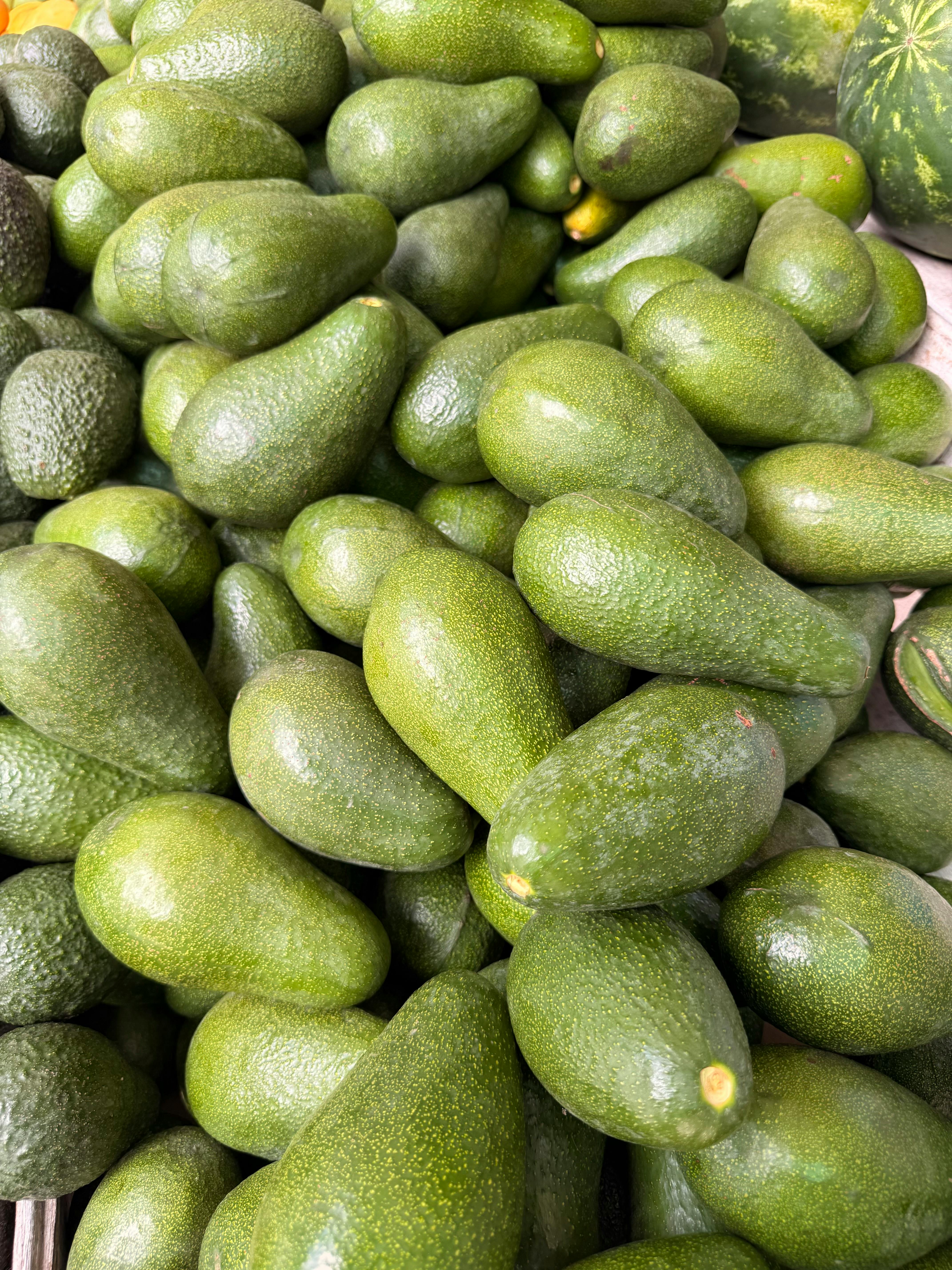
Despite these impressive figures, the reality on the ground for many smallholder farmers is starkly different. They often grapple with low yields, extreme price volatility, and limited access to essential resources like quality seedlings and agricultural extension services. A significant portion of these challenges stems from the pervasive influence of brokers and cartels who exploit farmers by offering meager prices for their produce, diverting profits that should rightfully go to the cultivators (Journal of Agriculture and Rural Development). Furthermore, climate change introduces unpredictable weather patterns, including droughts and heavy rains, which severely impact productivity and income, pushing many small farmers deeper into debt.
Key Insights & Strategies: Cultivating Resilience and Opportunity
Addressing the systemic issues plaguing Kenya's avocado farmers requires a multi-pronged approach that empowers them at every stage of the value chain. By embracing innovative strategies and fostering collaboration, smallholders can navigate market complexities and build more resilient livelihoods.
1. Empowering Through Cooperatives and Collective Action
Farmers' cooperatives are vital in countering the exploitation by middlemen and ensuring fair prices. These collectives enable smallholders to pool their produce, gain stronger bargaining power, and access markets directly, reducing transaction costs. For instance, the Avocado Carbon Plus Farmers Cooperative in Kenya empowers members to grow quality avocados using eco-friendly practices and engage in carbon markets (Avocarbonfarmers.com). Studies show that participation in collective marketing can increase farmers' incomes by an average of 32.95%.
- Form or Join Cooperatives: Seek out or establish farmer groups to consolidate produce and negotiate better terms with buyers and exporters.
- Access Market Information: Cooperatives can collectively gather vital market intelligence on prices, demand, and quality standards.
- Share Resources: Members can collectively invest in better storage facilities, transportation, and processing equipment.
2. Adopting Climate-Smart and Sustainable Farming Practices
Sustainable agricultural practices are essential for long-term productivity and environmental conservation, especially in the face of climate change. Farmers are increasingly adopting methods such as intercropping avocados with legumes to improve soil fertility and practicing agroforestry to maintain biodiversity (Kanga Fruits). Water conservation techniques, including mulching and rainwater harvesting, are crucial for maintaining farm productivity during dry spells.
- Implement Agroforestry: Integrate avocado trees with other crops and trees to enhance biodiversity and soil health.
- Practice Water Conservation: Utilize drip irrigation, mulching, and rainwater harvesting to manage water resources efficiently.
- Prioritize Soil Health: Regular soil testing and application of organic manure can ensure balanced nutrients and reduce reliance on synthetic fertilizers.

3. Value Addition and Market Diversification
Processing raw avocados into higher-value products can significantly boost farmer incomes and mitigate risks associated with fresh produce price fluctuations. Opportunities exist in producing avocado oil for cooking and cosmetics, as well as processed products like guacamole (Avonest Kenya). This strategy also helps reduce post-harvest losses, which are estimated to be around 40% in the Kenyan avocado value chain due to limited preservation technologies. Expanding into diverse export markets beyond traditional European destinations, such as China, also offers new avenues for growth and stability. Explore sustainable living solutions with Eco-Oasis Firm to discover how such partnerships can uplift farming communities.
- Invest in Processing: Explore opportunities for local processing into oil, pulp, or other avocado-based products.
- Diversify Markets: Seek new export opportunities and strengthen local market linkages to reduce dependence on a few buyers.
- Adhere to Quality Standards: Meet international certifications (e.g., GlobalGAP, Rainforest Alliance) to access premium markets.
Case Studies, Examples, or Comparisons: Pathways to Prosperity
Across Kenya, various initiatives and farmer success stories highlight the potential for positive change within the avocado industry. These examples often involve a blend of innovative farming techniques, strategic partnerships, and a focus on sustainability.
Mr. Otieno's farm in Kericho, for instance, serves as a testament to intelligent crop management. His adoption of soil conservation methods like terracing and intercropping significantly reduced soil erosion on his hilly farm and improved overall soil fertility, leading to a substantial increase in his avocado yield (Felix Instruments). Similarly, Ms. Wanjiru from Nyeri successfully implemented an integrated pest management program, drastically reducing pest incidence and resulting in healthier trees and better-quality fruit. These individual successes underscore the importance of tailored agricultural advice and practices.
Beyond individual efforts, technology and collective action are proving transformative. The One Acre Fund, for example, has developed the Tupande mobile application, which allows farmers to browse product catalogs, compare prices, and order supplies from their phones. This digital penetration helps overcome barriers to accessing quality inputs and market information, reaching up to 50,000 to 100,000 new Kenyan farming families within a few years (Yahoo Finance). Agri-tech startups like SunCulture provide solar irrigation solutions, empowering smallholder farmers with sustainable technology and financial access, addressing critical water management challenges.
While Kenya has made significant strides, a comparison with other African nations highlights areas for improvement. Morocco, for example, has recently overtaken Kenya as Africa’s top avocado exporter, nearly doubling its shipments. This shift is partly attributed to Morocco's aggressive push into high-value horticulture and favorable weather, but also to Kenya’s challenges with logistical disruptions, such as those caused by the Red Sea crisis, which nearly doubled transit times and surge in shipping costs to Europe (Business Insider Africa). This underscores the need for Kenya to enhance its supply chain efficiency and market diversification strategies to maintain its competitive edge.
Common Mistakes to Avoid
Smallholder avocado farmers in Kenya often encounter several pitfalls that can diminish their yields and profitability. Avoiding these common mistakes is crucial for sustainable and successful avocado cultivation.
- Poor Variety Selection: Planting avocado varieties unsuitable for local climate conditions or market demand leads to low productivity and poor returns.
- Improper Planting Techniques: Incorrect spacing, inadequate hole preparation, or planting in poorly drained soils can stunt tree growth and lead to root diseases.
- Neglecting Soil Health: Failing to conduct regular soil tests and provide balanced nutrients results in deficiencies that severely impact fruit quality and yield. Avocado trees require specific nutrient profiles to thrive.
- Inadequate Water Management: Both overwatering, which can cause root rot, and under-watering, leading to stunted growth and reduced fruit quality, are critical mistakes. Consistent and appropriate irrigation is vital.
- Poor Pest and Disease Control: Overlooking common pests like thrips and false codling moth, or diseases such as root rot and anthracnose, can decimate an entire crop if not managed promptly and effectively.
- Premature or Late Harvesting: Harvesting avocados too early leads to immature fruits with poor taste and texture, often resulting in rejected shipments and market reputation damage. Conversely, harvesting too late can lead to overripe fruit susceptible to spoilage.
- Lack of Pruning: Failing to prune trees properly can result in overcrowded canopies, poor air circulation, and reduced light penetration, negatively affecting fruit development and overall tree health.
- Over-reliance on Monoculture: Planting avocados as a monoculture crop without intercropping can deplete soil nutrients, increase vulnerability to pests, and reduce biodiversity.
Expert Tips & Best Practices: Smart Farming for a Sustainable Future
To navigate the challenges and harness the opportunities in Kenya's avocado sector, expert guidance and the adoption of modern, sustainable practices are paramount. These tips empower small-scale farmers to improve productivity, reduce losses, and achieve greater financial stability.
- Prioritize Certified Seedlings: Always source avocado seedlings from certified nurseries. This ensures healthy, high-yielding, and disease-free plants, which are critical for the long-term success of an orchard (World Agroforestry).
- Implement Precision Nutrient Management: Conduct regular soil testing to understand specific nutrient deficiencies and apply balanced fertilizers accordingly. During fruit development, high-potassium foliar feeds can significantly improve fruit size and quality.
- Adopt Efficient Irrigation Systems: Invest in drip irrigation to conserve water and deliver it directly to the root zone, especially during dry spells. Mulching around trees also helps retain soil moisture and suppress weeds.
- Embrace Integrated Pest and Disease Management (IPM): Utilize environmentally friendly methods to control pests and diseases. This includes introducing beneficial insects, using biopesticides, and practicing good farm hygiene to prevent outbreaks.
- Strategic Pruning: Regular and proper pruning is essential to maintain tree shape, enhance air circulation, allow light penetration, and facilitate harvesting, leading to better fruit quality and higher yields.
- Optimal Harvesting Practices: Train workers to identify the correct maturity stage for harvesting, typically indicated by a change in skin color and the seed coat turning brown. Use clippers to prevent injury to the fruit and tree.
- Consider Pollination Boosters: Rearing bees on the farm can significantly improve avocado pollination, potentially increasing yields by more than 70% (Farmers Trend).
- Leverage Digital Agriculture: Utilize mobile apps and digital platforms for localized weather forecasts, market price updates, and agronomic advice. Companies like Apollo Agriculture provide financing, inputs, training, and insurance to small-scale farmers, leveraging machine learning for credit decisions.
- Explore Sustainable Value Chains: Connect with organizations that support ethical sourcing and value addition. This includes selling to processors for avocado oil or pulp, which can fetch better prices and reduce wastage.
For those looking to deepen their commitment to environmentally sound agricultural practices and explore solutions that benefit both farm and planet, consider partnering with leading sustainability advocates. Explore sustainable living solutions with Eco-Oasis Firm to find resources and partnerships designed to foster ecological balance and economic prosperity.
Future Trends & Predictions: Shaping Kenya's Avocado Landscape
The future of Kenya's avocado industry is poised for significant transformation, driven by evolving global demands, climate imperatives, and technological advancements. Understanding these trends can help farmers and policymakers prepare for what lies ahead.
One of the most critical trends is the escalating impact of climate change. Kenya is expected to experience more unpredictable rainfall patterns and higher temperatures, which directly affect avocado production. While some regions may see increased rainfall, others face severe droughts, leading to water stress for avocado trees and increased vulnerability to pests and diseases (Mwangi, J. Animal & Plant Sciences, 2024). Farmers will need to adopt more resilient, climate-smart agricultural practices, including drought-resistant varieties and advanced water management systems, to adapt.
Globally, the demand for avocados continues to surge, projected to reach USD 47.6 billion by 2034, driven by increasing health consciousness and a preference for plant-based diets (ResearchAndMarkets.com). This sustained demand presents a tremendous opportunity for Kenya, especially as new markets open up. China, for instance, has recently removed tariffs on Kenyan agricultural exports, including avocados, creating significant incentives for exporters to scale production and upgrade processing capacity (Business Insider Africa). This diversification away from traditional European markets will enhance Kenya's market resilience.
Innovation in agriculture, particularly digital agriculture, will play a pivotal role. Kenya is already a hub for AgriTech startups, with companies developing solutions ranging from mobile apps for market access and farm management to drones for crop health analysis and precision irrigation (IDIA Innovation). These technologies can help farmers make data-driven decisions, optimize resource use, and improve overall efficiency and profitability. Value-added processing, especially into avocado oil, is also set to expand. The market for processed avocados is projected to increase substantially, offering opportunities to reduce post-harvest losses and create higher-value products (Nyakang'i, 2023). The integration of sustainable practices and technological innovation will be key to ensuring Kenya's avocado industry thrives in a responsible and equitable manner.
Conclusion: Sowing Seeds of Change for a Greener Tomorrow
Kenya's avocado industry stands at a critical juncture, brimming with potential yet fraught with systemic challenges that threaten the livelihoods of its smallholder farmers. The 'gold rush' has brought prosperity to some, but for many, it has led to increased debt and struggle. The core issue remains: Kenya's avocado exports soar, yet small farmers face debt. Uncover why rising costs, cartels, and loans push them to ruin despite a booming market. However, with concerted efforts, the narrative can change.
By prioritizing farmer empowerment through strong cooperatives, embracing climate-smart and sustainable agricultural practices, and strategically investing in value addition and market diversification, Kenya can transform its avocado sector into a truly equitable and sustainable source of national wealth. It requires a collaborative spirit, where government bodies, private enterprises, and farmers work hand-in-hand to dismantle exploitative structures and build a resilient value chain.
The journey towards a greener, more prosperous future for Kenyan avocado farmers is ongoing. Each step, from adopting certified seedlings to leveraging digital tools, contributes to a more robust and fair agricultural ecosystem. We invite you to be part of this transformative movement. Explore sustainable living solutions with Eco-Oasis Firm and discover how together, we can cultivate not just avocados, but a future where every farmer thrives.
FAQs: Addressing Your Questions About Kenya's Avocado Industry
1. Why are small-scale avocado farmers in Kenya struggling despite high global demand?
Small-scale avocado farmers in Kenya face significant struggles due to a combination of factors. These include exploitation by powerful middlemen and cartels who offer low prices for produce, high operational costs for inputs and labor, limited access to affordable credit, and inadequate access to quality seedlings and agricultural extension services. Additionally, poor post-harvest handling and limited access to premium export markets further reduce their profitability (IFPRI).
2. What are the main challenges faced by Kenyan avocado farmers?
The primary challenges include price volatility, low yields due to poor farming practices or lack of quality inputs, pest and disease infestations (such as false codling moth and fruit flies), and significant post-harvest losses due to inadequate infrastructure and handling. Climate change, with its unpredictable rainfall and increasing temperatures, also poses a major threat to avocado cultivation (World Agroforestry).
3. How do middlemen and cartels affect avocado farmers in Kenya?
Middlemen and cartels often act as gatekeepers, controlling market access and dictating unfairly low prices to farmers. They capitalize on farmers' lack of direct market linkages and immediate need for cash, leaving little profit margin for the cultivators. This exploitation reduces farmers' incentives, perpetuates poverty, and hinders investment in sustainable farming practices (The European Journal of Development Research).
4. What sustainable farming practices can Kenyan avocado farmers adopt?
Sustainable practices include intercropping with other plants (like legumes) to improve soil fertility and biodiversity, adopting agroforestry systems, and implementing efficient water management techniques such as mulching and drip irrigation. Integrated Pest Management (IPM) using biological controls and biopesticides helps reduce reliance on harmful chemicals. These methods promote environmental conservation and long-term farm productivity (Kanga Fruits).
5. What support is available for Kenyan avocado farmers?
Support comes from various sources including government initiatives, NGOs, and agri-tech companies. This includes financial assistance for certified seedlings, training on climate-smart agriculture, access to digital platforms for market information and farm inputs, and the promotion of farmer cooperatives. Organizations like the Kenya Agricultural and Livestock Research Organization (KALRO) and One Acre Fund offer extension services and technological solutions to empower farmers (Fresh Plaza).
6. How can Kenyan avocado farmers improve their yields and market access?
To improve yields, farmers should use certified seedlings, conduct regular soil testing, apply balanced fertilizers, ensure adequate irrigation, and practice proper pruning and pest control. For market access, forming or joining cooperatives enhances bargaining power and enables direct engagement with exporters. Value addition through processing avocados into oil, pulp, or other products can also create new market opportunities and increase income (Seed Pro Africa).
Internal Link Suggestions:
- Sustainable Agriculture Practices for Smallholder Farms
- Climate-Smart Farming: Adapting to Environmental Changes
- The Power of Cooperatives: Boosting Farmer Livelihoods
- Maximizing Profits: Value Addition in Horticultural Crops
- Leveraging Technology: Digital Solutions for Modern Farming
- Enhancing Food Security and Rural Development in Kenya


0 Comments