Estimated Reading Time: 11 minutes
Meta Description: Kenyan farmers adopt no-till for better soil health, water retention, and higher yields. Discover evidence-backed strategies for sustainable farming profitability.
TL;DR:
No-till farming significantly improves soil health, water retention, and carbon sequestration in Kenyan agricultural lands.Implementing cover crops and precision planting equipment are crucial steps for successful no-till adoption, enhancing weed suppression and efficient resource use.Integrating livestock manure and other organic amendments boosts soil organic matter, leading to sustained fertility and reduced reliance on synthetic inputs.Despite initial challenges like equipment costs and pest management shifts, no-till farming offers long-term profitability and resilience against climate change impacts.Successful transition requires careful planning, farmer training, and the adoption of complementary technologies like drip irrigation and smart farming solutions.Key Takeaways:
Minimize soil disturbance to preserve soil structure and microbial life, forming the foundation of no-till success.Select and manage cover crops effectively to suppress weeds, prevent erosion, and enrich soil with organic matter.Invest in appropriate planting equipment or adapt existing tools for accurate seed placement in undisturbed soils.Regularly conduct soil tests to understand nutrient levels and tailor organic amendment applications, like composted manure.Seek out training and join farmer networks to learn best practices and overcome common no-till adoption challenges.
Table of Contents
IntroductionBackground & ContextKey Insights or Strategies The Power of Cover Crops Embracing Precision Planting Boosting Soil Organic Matter with Integrated PracticesCase Studies, Examples, or ComparisonsCommon Mistakes to Avoid Hasty Transition Without Proper Planning Neglecting Cover Crop Selection and Management Inadequate Pest and Disease Management Strategies Improper Crop Residue ManagementExpert Tips or Best Practices Regular Soil Testing Advanced Water Conservation Techniques Community Learning and Farmer Field SchoolsFuture Trends or PredictionsConclusionFAQs
Introduction
Kenya's agricultural sector, the backbone of its economy, faces increasing pressure from climate change, soil degradation, and erratic rainfall patterns. Traditional farming methods, particularly conventional plowing, have contributed to these challenges by depleting soil organic matter, increasing erosion, and reducing water retention capacity. In response, Kenyan farmers are increasingly seeking alternatives to conventional plowing due to soil degradation and erratic rainfall. This critical shift points towards more sustainable practices, and among them, no-till farming stands out as a promising solution. Our comprehensive training focuses on no-till farming techniques, proven to enhance water retention, reduce erosion, and boost soil organic matter, offering a viable path to sustainable agriculture.This guide delves deep into the principles and benefits of no-till farming, providing evidence-backed strategies for successful implementation in the diverse Kenyan landscape. We will explore how embracing minimal soil disturbance can transform farm productivity, improve environmental resilience, and secure long-term profitability for smallholder farmers across the nation. By understanding and adopting these innovative approaches, Kenyan agriculture can not only mitigate existing environmental issues but also thrive in the face of future challenges.
Background & Context
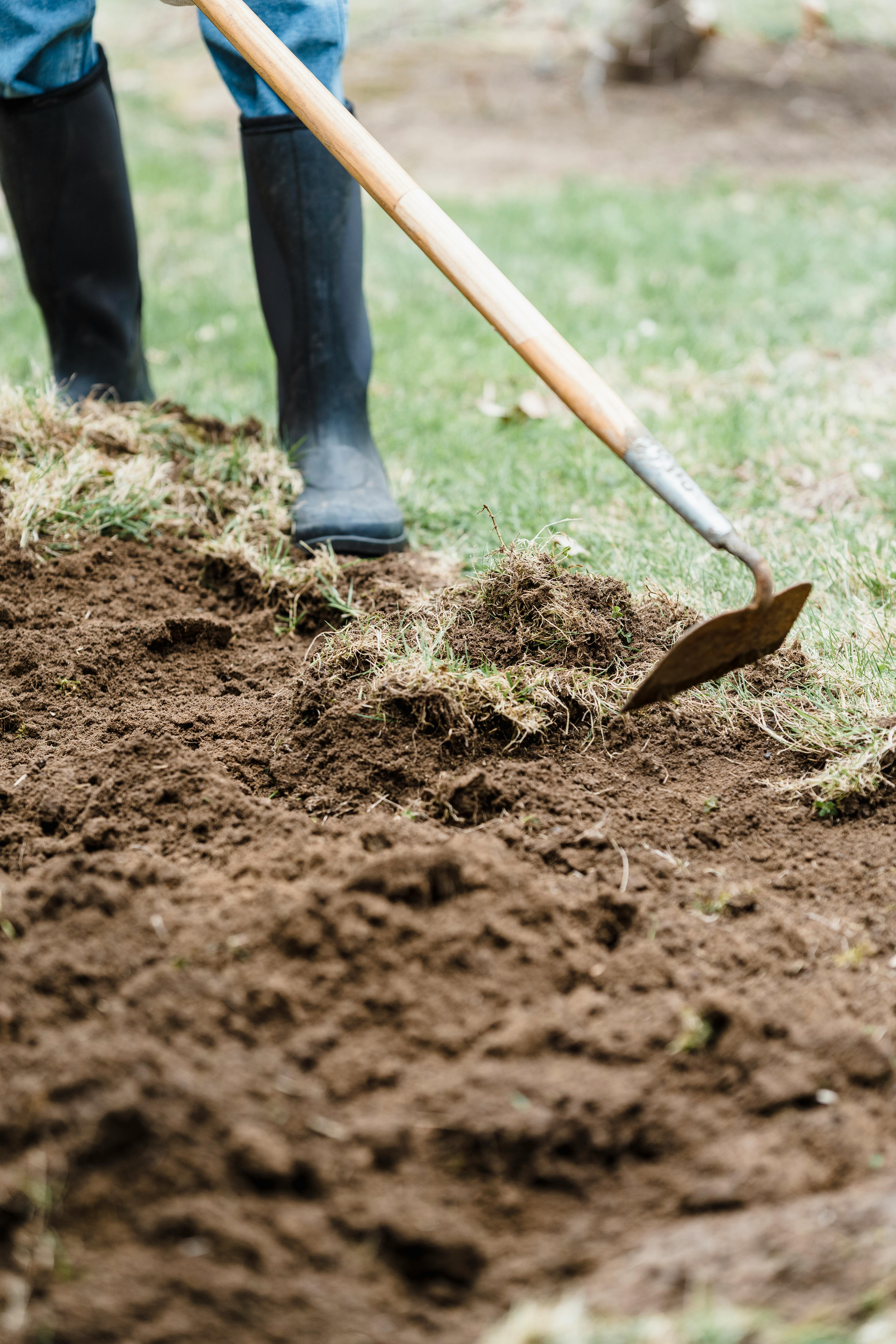 For generations, plowing has been a standard practice in Kenyan agriculture, aimed at preparing seedbeds and controlling weeds. However, decades of intensive tillage have exacted a heavy toll on our precious agricultural soils. Studies indicate that conventional plowing can lead to significant losses in soil organic carbon, a vital component for soil fertility and water holding capacity. In many parts of Kenya, soil erosion rates are alarmingly high, exacerbated by torrential rains washing away nutrient-rich topsoil from tilled fields. This has severely impacted crop productivity and increased farmers' reliance on external, often costly, inputs.The urgency to adopt sustainable farming practices is further amplified by the erratic rainfall patterns and prolonged droughts experienced across East Africa. Farmers need resilient systems that can withstand climatic shocks. No-till farming, a core component of conservation agriculture, offers this resilience by mimicking natural ecosystems where soil remains undisturbed. A 2024 KARI (Kenya Agricultural and Livestock Research Organization) study highlights the tangible benefits, showing that no-till farms in Bomet County saw 30% higher maize yields during droughts compared to tilled fields. This compelling evidence underscores the potential for no-till to not only restore degraded soils but also ensure food security in vulnerable regions. The growth of organic farming and sustainable agribusiness in Kenya demonstrates a clear demand for methods that prioritize ecological health alongside economic viability.
Key Insights or Strategies
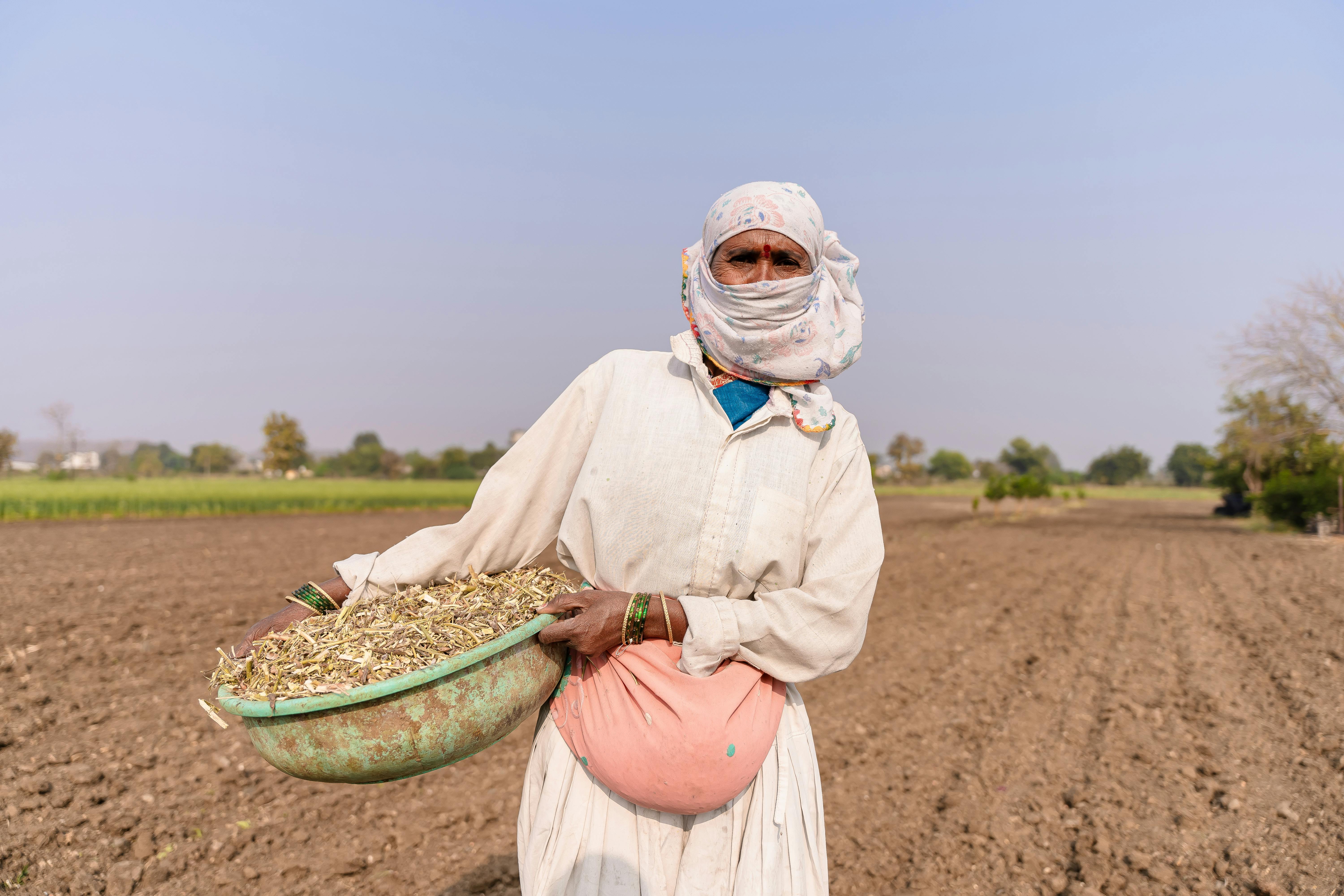 Adopting no-till farming in Kenya involves a strategic shift from conventional practices, focusing on minimal soil disturbance, permanent soil cover, and diversified cropping systems. These insights form the pillars of a successful transition.
The Power of Cover Crops
One of the most transformative elements of no-till farming is the strategic use of cover crops. These non-cash crops are planted to cover the soil, especially during fallow periods, bringing a multitude of benefits. They protect the soil from erosion, suppress weeds by competing for light and nutrients, improve soil structure, and add organic matter. Leguminous cover crops, such as vetch or cowpeas, also fix atmospheric nitrogen, naturally enriching the soil and reducing the need for synthetic fertilizers.Selection: Choose cover crops adapted to your local climate and soil type. Consider species like lablab, sunn hemp, vetch, or even indigenous grasses that can tolerate dry spells and contribute beneficial biomass.Planting: Integrate cover crop planting into your rotation. They can be planted after harvesting a main crop, intercropped, or even planted before the cash crop is harvested (relay cropping).Termination: Cover crops must be terminated before they compete too much with the cash crop. Methods include crimping, rolling, or mowing, leaving the residue on the surface as mulch.For enhancing soil health and natural nitrogen fixation, consider incorporating beneficial cover crops. The Hairy Vetch Cover Crop Seeds – available on Amazon offers an excellent option for improving soil structure and adding organic matter.Embracing Precision Planting
Precision planting is essential in no-till systems to ensure accurate seed placement through the crop residue, optimize spacing, and maximize germination rates. This contrasts sharply with traditional methods where tilled soil offers an easier bed for planting. In no-till, specialized planters or adapted conventional planters are used to cut through residue and place seeds directly into the undisturbed soil.Equipment: For smallholder farmers, this might involve jab planters, direct seeders, or modified conventional planters with residue-cutting attachments. The goal is to minimize disturbance while ensuring good seed-to-soil contact.Calibration: Proper calibration of planting equipment is crucial for achieving the correct seed depth and spacing, which directly impacts crop emergence and yield potential.Timing: Planting at the optimal time, considering moisture levels and temperature, becomes even more critical in no-till as soil conditions can vary slightly compared to tilled fields.Boosting Soil Organic Matter with Integrated Practices
One of the primary goals and benefits of no-till farming is the significant increase in soil organic matter (SOM). SOM is vital for soil fertility, water infiltration, nutrient cycling, and overall soil health. Key steps include using cover crops for weed suppression, precision planting equipment, and integrating livestock manure for fertility. The continuous decomposition of crop residues and cover crops, combined with the absence of tillage, allows organic matter to accumulate near the soil surface.Residue Retention: Always leave crop residues on the soil surface after harvest. This acts as a protective mulch, slowly breaking down to feed soil microbes and build SOM.Composting and Manure: Incorporate well-composted livestock manure or other organic amendments. This provides a rich source of nutrients and organic material, significantly accelerating SOM accumulation.Crop Rotation: Implement diverse crop rotations that include cereals, legumes, and root crops. This helps in breaking pest cycles, improving nutrient uptake, and diversifying the types of organic residues returned to the soil.Understanding your soil’s specific needs is paramount for effective organic matter management. The MySoil Soil Test Kit – available on Amazon provides comprehensive analysis, guiding your amendment strategies for optimal soil health. To further enhance your farming knowledge and find tailored organic solutions, explore sustainable organic farming solutions with Biofarm Kenya.
Case Studies, Examples, or Comparisons
The successful adoption of no-till farming is not just a theoretical concept; it's a proven reality for many Kenyan farmers who have embraced these sustainable practices. Across various regions, farmers are witnessing tangible improvements in soil health, water retention, and ultimately, crop yields. A notable example is the work highlighted by the 2024 KARI study in Bomet County, where farmers practicing no-till maize cultivation experienced a remarkable 30% higher maize yields during droughts compared to tilled fields. This empirical evidence is critical, especially in a country prone to extended dry spells. These Bomet farmers reported better soil structure, increased earthworm activity, and a noticeable improvement in water infiltration after just a few seasons of no-till.Another success story comes from Western Kenya, where smallholder farmers, traditionally relying on ox-plows, transitioned to minimal soil disturbance by utilizing jab planters and diversifying their crop rotations with cover crops like Desmodium and Mucuna. These farmers observed a significant reduction in labor costs associated with land preparation, which is often a major expenditure. Furthermore, the continuous soil cover helped in suppressing stubborn weeds, reducing the need for manual weeding and herbicide application. This shift has not only boosted their household food security but also improved their farm's long-term ecological balance.Comparatively, farms that continue with conventional tillage often face persistent challenges such as accelerated soil erosion during heavy rains, rapid moisture loss from exposed soil, and a gradual decline in soil fertility over time. This leads to a vicious cycle of increasing input costs (fertilizers) and diminishing returns. The resilience demonstrated by no-till farms during adverse weather conditions, such as the aforementioned droughts, starkly contrasts with the vulnerability of conventionally tilled lands. Organizations like the Food and Agriculture Organization (FAO) have consistently advocated for conservation agriculture, including no-till, as a viable strategy to enhance agricultural sustainability and food security in developing countries, citing examples from Kenya and other East African nations as models of success. You can learn more about FAO's initiatives on sustainable land management here: FAO: Sustainable Land Management.
Common Mistakes to Avoid
Transitioning to no-till farming, while highly beneficial, requires a nuanced approach. Many farmers encounter pitfalls that can hinder success or lead to unnecessary setbacks. Being aware of these common mistakes can help Kenyan farmers navigate their journey to sustainable agriculture more smoothly.Hasty Transition Without Proper Planning
One of the most frequent errors is adopting no-till without adequate preparation and understanding of its underlying principles. Farmers sometimes expect immediate results without considering their specific soil type, previous cropping history, or local climatic conditions. A successful transition demands a comprehensive plan for crop rotation, cover crop selection, and nutrient management tailored to the farm's unique context. Without this foresight, farmers might face unexpected weed outbreaks or nutrient deficiencies, leading to frustration and a premature return to conventional tillage.Neglecting Cover Crop Selection and Management
Cover crops are the cornerstone of no-till systems, but their improper selection or management can undermine the entire practice. Some farmers might choose cover crops not suited for their region, leading to poor establishment or competition with cash crops. Others might fail to terminate cover crops effectively, turning them into weeds themselves, or remove them too early, losing their beneficial effects. It's crucial to research and experiment with different cover crop species and termination methods to find what works best for your specific farm and rotation.Inadequate Pest and Disease Management Strategies
The shift from disturbed to undisturbed soil creates a new environment, which can alter pest and disease dynamics. While no-till generally promotes beneficial insects and soil organisms, some pests might initially thrive in the undisturbed residue layer. A common mistake is not adapting pest management strategies to these new conditions. Farmers need to integrate biological controls, resistant varieties, and careful monitoring to manage potential pest shifts effectively rather than relying solely on chemical interventions which might disrupt the developing soil ecosystem.Improper Crop Residue Management
Leaving crop residue on the soil surface is fundamental to no-till. However, sometimes farmers either leave too little residue, exposing the soil, or leave an excessive amount that can interfere with planting or create a cool, wet environment unfavorable for certain cash crops. Uneven distribution of residue is also an issue, leading to patchy soil health and crop growth. Proper residue management involves ensuring an adequate and evenly distributed layer of plant material across the field, which requires attention during harvest and planting.
Expert Tips or Best Practices
For Kenyan farmers looking to maximize the benefits of no-till farming, these expert tips and best practices, honed through years of experience and local adaptation, can provide a significant advantage.Regular Soil Testing
Before making any significant changes, and throughout your no-till journey, regular soil testing is absolutely paramount. Understanding your soil's baseline nutrient levels, pH, and organic matter content will allow you to make informed decisions about cover crop selection, fertilizer application (if necessary), and organic amendments. This diagnostic approach helps in avoiding over-application of nutrients and ensures your soil builds health efficiently. Soil tests can reveal micronutrient deficiencies that might not be apparent otherwise, allowing for targeted interventions.Advanced Water Conservation Techniques
No-till naturally enhances soil's water retention capacity, but integrating advanced water conservation techniques can further optimize water use, especially in Kenya’s semi-arid regions. Drip irrigation systems deliver water directly to the plant roots, minimizing evaporation and runoff. This precision watering, combined with the mulching effect of crop residues, ensures every drop counts. Implementing drip irrigation can lead to substantial water savings and more consistent crop growth. For efficient water delivery to your crops, consider the Drip Irrigation Kit for Small Farms – available on Amazon, a practical solution for maximizing water use efficiency.The transition to no-till can be complex, and learning from peers and experts is invaluable. Engage with local agricultural extension services, participate in farmer field schools, and join farmer cooperatives. These platforms offer opportunities to share experiences, learn about locally adapted no-till techniques, and get hands-on training. Collective learning fosters innovation and helps overcome initial challenges by leveraging community knowledge and support networks. This collaborative approach can accelerate the adoption of sustainable practices and lead to widespread success.To further enrich your soil and ensure robust plant growth, consider quality organic amendments. The The Andersons BioChar DG Organic Soil Amendment – available on Amazon helps improve nutrient retention and water holding capacity. For more comprehensive resources and to connect with a network of sustainable farming experts, explore sustainable organic farming solutions with Biofarm Kenya.
Future Trends or Predictions
The future of agriculture in Kenya, particularly with the widespread adoption of no-till farming, is poised for significant transformation driven by technological innovation and a deepening commitment to sustainability. We can anticipate several exciting trends that will further enhance the effectiveness and accessibility of no-till practices.One major trend is the increasing integration of smart irrigation systems. These systems utilize sensors to monitor soil moisture levels and weather forecasts, delivering precise amounts of water exactly when and where it's needed. This intelligent water management will be crucial in a climate-vulnerable region like Kenya, maximizing the benefits of no-till's enhanced water retention capabilities and minimizing waste.Another area of rapid development is AI-driven crop monitoring and diagnostics. Drones equipped with multispectral cameras and AI algorithms will be able to assess crop health, detect early signs of pests or diseases, and identify nutrient deficiencies with unprecedented accuracy. This will allow no-till farmers to implement targeted interventions, reducing input costs and further enhancing crop resilience.Furthermore, we can expect advancements in seed technology, particularly for cover crops and cash crops optimized for no-till systems. This includes varieties with improved root systems, enhanced nutrient uptake efficiency, and greater resistance to local pests and diseases, all contributing to more robust and higher-yielding no-till farms. Biotechnology will also play a role in developing more effective nitrogen-fixing legumes and drought-tolerant crops suited for Kenya's diverse agro-ecological zones.Finally, policy support and financial incentives for sustainable agriculture are likely to expand. Governments and international organizations are increasingly recognizing the importance of practices like no-till for climate change mitigation and adaptation. This could translate into easier access to specialized no-till equipment, subsidized sustainable inputs, and training programs, making the transition even more feasible for smallholder farmers across Kenya. The convergence of these trends promises a more productive, resilient, and environmentally friendly agricultural future for the nation.
Conclusion
The journey towards sustainable and profitable agriculture in Kenya is inextricably linked to the adoption of innovative practices like no-till farming. We've explored how minimizing soil disturbance, coupled with the strategic use of cover crops and precision planting, significantly enhances soil health, conserves precious water resources, and boosts organic matter. The evidence, from local studies in Bomet County to widespread farmer successes, clearly demonstrates no-till's potential to deliver higher yields, especially during challenging drought conditions, while simultaneously reducing erosion and long-term input costs. While the transition may present initial challenges such as equipment costs and adapting pest management strategies, the long-term benefits in terms of increased resilience, improved soil fertility, and sustained profitability are undeniable. By embracing these evidence-backed strategies and continuously learning, Kenyan farmers can cultivate healthier soils, achieve greater yields, and secure a more prosperous future for their farms and communities. Discover trusted organic farming tools on Amazon and learn more about sustainable solutions with Biofarm Kenya.
FAQs
Q1: What is no-till farming and why is it important for Kenya?
No-till farming, also known as zero tillage, is an agricultural technique for growing crops or pasture without disturbing the soil through tillage. This means seeds are planted directly into the residue of previous crops. It's crucial for Kenya because it combats prevalent issues like soil erosion, moisture loss, and declining soil fertility, which are exacerbated by climate change. By protecting the soil structure and enhancing organic matter, no-till farming helps farmers achieve higher yields and greater resilience against droughts, contributing significantly to food security. For further reading on global sustainable land management, refer to the Food and Agriculture Organization (FAO).Q2: What are the main benefits of no-till farming for soil health?
No-till farming offers numerous benefits for soil health. It preserves the soil's natural structure, reduces compaction, and significantly increases soil organic matter content. This leads to improved water infiltration and retention, allowing soils to hold more moisture for crops, especially during dry spells. Furthermore, it fosters a healthier ecosystem of beneficial soil microbes, fungi, and earthworms, which are vital for nutrient cycling and disease suppression. Research from the Kenya Agricultural and Livestock Research Organization (KALRO) consistently highlights these improvements in soil health indicators under no-till systems.Q3: How do cover crops contribute to no-till success in Kenya?
Cover crops are integral to successful no-till systems in Kenya. They provide continuous soil cover, protecting against erosion from wind and rain, and suppressing weeds by outcompeting them for resources. Many cover crop species, particularly legumes, fix atmospheric nitrogen, enriching the soil naturally and reducing the need for synthetic fertilizers. Their root systems improve soil structure and water infiltration, while their biomass adds valuable organic matter as it decomposes. The Ministry of Agriculture, Livestock, Fisheries and Cooperatives in Kenya offers guidance on suitable cover crop varieties for different agro-ecological zones.Q4: What are the initial challenges Kenyan farmers might face when adopting no-till?
Initial challenges for Kenyan farmers adopting no-till can include the upfront investment in appropriate planting equipment (e.g., direct seeders or jab planters), which might be more costly than traditional plows. There can also be a learning curve in managing crop residues, selecting and terminating cover crops, and adapting pest and weed management strategies to a no-till environment. However, with proper training and support, these challenges are surmountable, leading to long-term operational savings and environmental benefits. Biofarm Kenya provides resources and training to help farmers overcome these transition hurdles.Q5: What equipment is needed for no-till farming on a small scale?
For small-scale no-till farming in Kenya, the equipment needs can be relatively modest but crucial. Key tools include jab planters or hand-held direct seeders for accurate seed placement through residue. For larger smallholder farms, animal-drawn no-till planters or small tractor-mounted direct seeders might be suitable. Tools for managing cover crops, such as rollers or crimpers, are also beneficial for terminating cover crops without disturbing the soil. Investment in these tools ensures the core principle of minimal soil disturbance is maintained. For information on appropriate agricultural technologies, consult the National Environment Management Authority (NEMA) for sustainable farming guidelines.Q6: How does no-till farming impact crop yields in arid and semi-arid regions of Kenya?
In arid and semi-arid regions of Kenya, no-till farming has a profoundly positive impact on crop yields, primarily due to its ability to conserve soil moisture. The layer of crop residue acts as a mulch, reducing evaporation from the soil surface and moderating soil temperatures. This conserved moisture is critical for crop survival and growth during dry periods. Studies, including local research in Kenya, have shown that no-till fields consistently outperform tilled fields in maize and other staple crop yields during droughts. This enhanced water use efficiency is vital for ensuring food security in these challenging environments. More insights into resilient farming can be found through Egerton University's agricultural research initiatives.





0 Comments