

Estimated Reading Time: 11 minutes
TL;DR: Rising fertilizer costs in Kenya demand sustainable solutions. Strategic crop rotation with legumes like cowpeas and pigeon peas can naturally boost soil fertility, increase maize yields by up to 30%, and reduce input expenses. Proper planning, including species selection and rotation timing, is crucial to maximize benefits and avoid common pitfalls like continuous legume monocultures. Embrace organic practices for a healthier, more profitable farm.
Key Takeaways:
- Implement legume-maize crop rotation to naturally fix nitrogen and improve soil structure, reducing reliance on synthetic fertilizers.
- Select legume varieties like cowpeas and pigeon peas that are well-adapted to specific Kenyan climates for optimal results.
- Strategically time crop rotations to maximize nutrient transfer and break pest and disease cycles effectively.
- Regularly test your soil to understand its nutrient profile and pH, allowing for precise and efficient farming decisions.
- Diversify your crop rotation beyond just legumes and maize to enhance biodiversity and further suppress pest and disease pressures.
Table of Contents
Introduction
In Kenya, the agricultural landscape is constantly evolving, with farmers facing a myriad of challenges, not least among them the escalating cost of synthetic fertilizers. These rising expenses threaten the livelihoods of many smallholder farmers and push them to seek more resilient and cost-effective farming methods. Indeed, reports indicate that a 100% increase in fertilizer prices can lead to a 38% reduction in crop production. Against this backdrop, Kenyan farmers are increasingly seeking sustainable soil fertility solutions, recognizing that long-term productivity hinges on healthy, vibrant soil. This guide trains farmers to implement strategic crop rotation with legumes, which naturally fix nitrogen and improve soil structure. By adopting these sustainable practices, farmers can not only cut down on significant input costs but also significantly boost their maize yields. This article delves into the practical aspects of implementing effective crop rotation, emphasizing the selection of appropriate legume species adapted to local climates (e.g., cowpeas, pigeon peas) and the optimal timing of rotations to maximize nutrient transfer. Evidence from 2024 KALRO trials shows legume rotations increased maize yields by 30% vs. manure-only plots. Farmers must learn to avoid continuous legume monocultures to prevent pest buildup and optimize crop synergies.
Background & Context
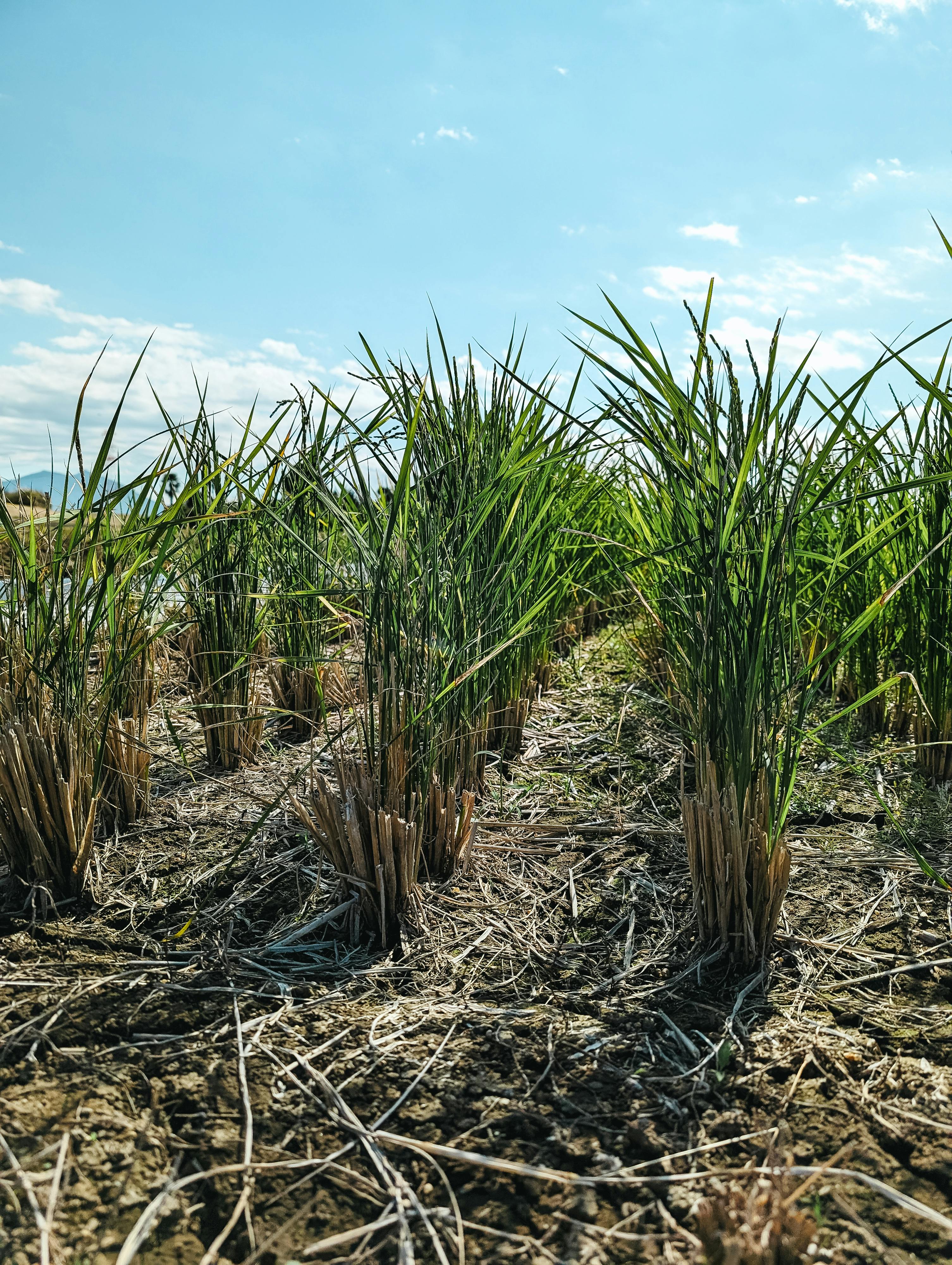
Kenya's agricultural sector, a cornerstone of its economy, faces persistent challenges including climate change impacts, land degradation, and volatile market prices for inputs. The surge in global fertilizer prices has hit Kenyan farmers particularly hard, making conventional farming less viable for many who struggle with limited capital. This economic pressure has catalyzed a growing interest in organic farming and sustainable agriculture, especially among smallholder farmers who form the backbone of the nation's food production.
Organic farming in Kenya has gained significant momentum, driven by both environmental awareness and the economic benefits of reduced external input costs. Practices like crop rotation, intercropping, and organic manure application are crucial for maintaining soil health and fertility without synthetic chemicals. These methods are not just environmentally friendly; they are also economically sensible, offering a pathway to food security and improved farmer livelihoods. Investing in these practices safeguards soil as a vital natural resource, ensuring its productivity for future generations.
Key Insights or Strategies for Sustainable Maize Production
Embracing sustainable crop rotation is a game-changer for Kenyan maize farmers. It's about working with nature to enhance soil health and crop productivity, moving away from chemical dependency towards ecological resilience.

Strategic Legume Selection for Nitrogen Fixation
Legumes are nature's nitrogen factories. They harbor rhizobia bacteria in their root nodules, which convert atmospheric nitrogen into a form usable by plants. This natural nitrogen enrichment reduces the need for costly synthetic nitrogen fertilizers. For Kenyan farmers, selecting the right legume species is paramount.
- Cowpeas (Vigna unguiculata): Highly adaptable to various soil types and drought-tolerant, cowpeas are excellent for short rains. They provide quick ground cover, suppress weeds, and contribute significant nitrogen.
- Pigeon Peas (Cajanus cajan): These long-duration legumes are deep-rooted, helping to break hardpans and improve soil structure. They are highly resilient and can provide both grain and significant biomass for soil amendment.
- Green Grams/Mung Beans (Vigna radiata): Fast-growing and suited for intercropping, green grams are ideal for rapid nitrogen contribution and early harvest, offering an additional income stream.
Before planting, consider your specific agro-ecological zone, rainfall patterns, and soil conditions to choose the most suitable legume. Understanding your soil's current state is also crucial for successful crop rotation. Boost your yields with the Rapitest Soil Test Kit – available on Amazon, which helps analyze soil pH and nutrient levels, guiding your legume selection and fertilization strategy.
Optimizing Rotation Timing to Maximize Nutrient Transfer
The timing of your crop rotation significantly impacts its effectiveness. The goal is to maximize the benefits of legumes to the subsequent maize crop.
- Pre-Maize Legume Planting: Plant legumes (e.g., cowpeas or green grams) during the short rains before the main maize season. This allows them to fix nitrogen and build soil organic matter, leaving a nutrient-rich residue for the maize.
- Residue Management: After harvesting the legume pods, incorporate the remaining biomass (leaves, stems, roots) into the soil. This green manure further enriches the soil with nitrogen and organic matter, improving soil structure and water retention.
- Intercropping: Consider intercropping legumes like pigeon peas with maize. This allows for simultaneous benefits, with the legumes providing nitrogen to the maize during its growth cycle.
Efficient water management is also vital for both legumes and maize, especially during dry spells. A well-planned drip irrigation system can ensure optimal moisture levels. Implement precise watering with a Drip Irrigation Kit for Small Farms – available on Amazon, ensuring your crops receive water directly at the root zone, minimizing waste and maximizing efficiency.
Avoiding Continuous Legume Monocultures and Managing Pests
While legumes are beneficial, continuous planting of the same legume species can lead to a buildup of specific pests and diseases. Diversification is key to a robust and sustainable system.
- Diverse Rotation Cycles: After a legume-maize cycle, consider introducing a different crop family (e.g., root crops like sweet potatoes or cereals like sorghum) before returning to legumes. This breaks pest and disease cycles and utilizes different soil nutrients.
- Pest Monitoring: Regularly scout your fields for common maize pests like Fall Armyworm and legume pests such as pod-sucking bugs (e.g., giant coreid bugs for pigeon peas, aphids for cowpeas). Early detection allows for timely and targeted organic pest control.
- Beneficial Insects: Encourage beneficial insects (predators and parasitoids) by planting diverse flowering plants around your fields. These natural enemies can help keep pest populations in check.
By integrating these strategies, Kenyan farmers can build a sustainable, productive, and resilient farming system that reduces reliance on expensive external inputs while enhancing environmental health. Explore sustainable organic farming solutions with Biofarm Kenya to find more resources and support for your farm.
Case Studies: Kenyan Farmers Thriving with Crop Rotation
The success of sustainable crop rotation is not just theoretical; it's a lived reality for many Kenyan farmers. Across different regions, innovative approaches are yielding remarkable results, demonstrating the tangible benefits of moving towards more ecological farming practices.
A compelling example comes from trials conducted by the Kenya Agricultural and Livestock Research Organization (KALRO). Their 2024 trials on legume rotations have provided concrete evidence of the positive impact on maize yields. Specifically, these trials revealed that legume rotations increased maize yields by an impressive 30% when compared to plots that relied solely on manure. This significant boost in productivity underscores the power of nitrogen-fixing legumes in enhancing soil fertility and nutrient availability for subsequent maize crops.
Beyond the scientific trials, individual farmers are showcasing similar success stories. In Western Kenya, regions like Siaya County have seen smallholder farmers adopting integrated soil fertility management (ISFM) practices, which often include legume intercropping and rotation. These farmers report not only improved maize yields but also better soil structure and reduced susceptibility to drought, thanks to the increased organic matter content. For instance, farmers who consistently intercrop maize with pigeon peas or cowpeas observe healthier crops with fewer pest issues and a noticeable decrease in the need for synthetic fertilizers, directly translating to higher profit margins.
These real-world examples and research findings from authoritative institutions like KALRO provide strong evidence that strategic crop rotation with legumes is a viable and highly effective strategy for Kenyan maize farmers. It's a pathway to not only increasing food production but also building more resilient and economically sustainable agricultural systems.
Common Mistakes to Avoid in Crop Rotation
While crop rotation offers immense benefits, missteps in its implementation can diminish its effectiveness. Being aware of common errors allows farmers to proactively prevent them and maximize their yields.
- Continuous Legume Monocultures: A common misconception is that simply planting any legume year after year will continuously improve soil. However, planting the same legume repeatedly can lead to the buildup of specific legume pests and diseases (e.g., cowpea aphids, pigeon pea pod borers) and deplete other essential micronutrients, creating an imbalance.
- Poor Legume Species Selection: Choosing legume varieties that are not well-suited to the local climate, soil type, or rainfall patterns can result in poor growth, minimal nitrogen fixation, and ultimately, a reduced benefit to the subsequent maize crop. For instance, planting a drought-intolerant legume in an arid region will yield poor results.
- Incorrect Rotation Timing: The benefits of legumes are maximized when they are incorporated at the right time. Harvesting legumes too late or too early, or not allowing sufficient time for biomass decomposition before planting maize, can reduce nutrient availability and negatively impact the maize crop.
- Neglecting Residue Management: After harvesting the legume pods, some farmers remove all plant biomass from the field instead of incorporating it back into the soil. This practice strips the soil of valuable organic matter and fixed nitrogen, negating a significant benefit of the rotation.
- Lack of Soil Testing: Without regular soil testing, farmers operate on assumptions about their soil's health. This can lead to imbalances, where even with crop rotation, specific nutrient deficiencies or pH issues remain unaddressed, limiting overall productivity.
- Ignoring Pest and Disease Monitoring: Assuming that crop rotation alone will eliminate all pest and disease problems is a mistake. While it significantly reduces pressure, active monitoring and timely intervention (using organic methods) are still crucial to protect crops.
By understanding and actively avoiding these common pitfalls, Kenyan farmers can ensure their crop rotation strategies are robust, effective, and truly sustainable, leading to consistently higher maize yields and healthier soil.
Expert Tips & Best Practices for Maximized Yields
To truly unlock the potential of sustainable crop rotation and achieve exceptional maize yields, consider these expert tips and best practices tailored for Kenyan farming conditions:
- Diversify Beyond Legumes and Maize: While legumes are crucial, integrate other crop families into your rotation. Root crops like sweet potatoes or leafy greens can further break pest cycles, improve soil structure, and provide different nutrient contributions. This diversity also builds greater farm resilience against climate shocks and market fluctuations.
- Incorporate Organic Matter Regularly: Beyond legume residues, actively seek to incorporate other organic materials. Compost, farmyard manure, and green manures from cover crops (e.g., Tithonia diversifolia) are excellent for boosting soil organic matter, improving water retention, and releasing a steady supply of nutrients. For farmers seeking a reliable compost solution, consider the VEVOR Compost Bin, 43-Gal Dual Chamber Composting Tumbler – available on Amazon, which makes composting easy and efficient.
- Practice Conservation Tillage: Minimize soil disturbance through practices like no-till or reduced tillage. This helps maintain soil structure, conserve moisture, reduce erosion, and protect the beneficial soil microorganisms that are vital for nutrient cycling.
- Water Management is Key: Even with drought-tolerant legumes, judicious water use is critical. Implement efficient irrigation methods like drip irrigation, especially during critical growth stages. Mulching also helps conserve soil moisture and suppress weeds, creating a more favorable microclimate for your crops.
- Integrate Bio-Pesticides and Beneficial Insects: For organic pest management, explore the use of locally available botanical extracts (e.g., neem, pyrethrum) and encourage natural predators. Understanding the life cycles of common pests and their natural enemies is empowering.
- Continuous Learning and Adaptation: Agricultural science is always advancing. Stay informed about new drought-resistant maize varieties, improved legume species, and sustainable farming techniques. Participate in farmer field schools and workshops to share knowledge and learn from peers.
By integrating these practices, Kenyan farmers can not only increase their maize yields but also build a more resilient, environmentally sound, and profitable farming enterprise. Explore sustainable organic farming solutions with Biofarm Kenya to access further resources, training, and partnerships that can empower your journey towards agricultural excellence.
Future Trends in Sustainable Kenyan Agriculture
The landscape of agriculture in Kenya is on the cusp of significant transformation, driven by innovation and a growing imperative for sustainability. Several emerging trends promise to redefine farming practices and enhance productivity for maize farmers and beyond.
One prominent trend is the increasing adoption of smart irrigation systems. These technologies, ranging from basic drip irrigation to advanced sensor-based systems, optimize water usage by delivering precise amounts directly to plant roots. This is particularly crucial in Kenya’s arid and semi-arid regions, where water scarcity is a constant challenge. By minimizing water waste and ensuring efficient delivery, smart irrigation enhances crop resilience and yield, even under fluctuating climate conditions.
Another exciting development is the rise of AI-driven crop monitoring and precision agriculture. Drones and satellite imagery, combined with artificial intelligence, can analyze crop health, soil nutrient levels, and identify pest infestations or disease outbreaks early. This allows farmers to make informed, data-backed decisions, applying inputs only where and when needed, thereby reducing costs and environmental impact. While still in early stages for many smallholder farmers, accessible mobile applications and community-based drone services are making these technologies increasingly available.
Furthermore, the focus on bio-fortification and climate-resilient crop varieties will continue to grow. Research institutions are developing maize and legume varieties that are not only high-yielding but also fortified with essential micronutrients and more tolerant to drought, heat, and common diseases. These genetic advancements will play a crucial role in enhancing food security and nutritional outcomes across Kenya.
Finally, the movement towards circular economy principles in agriculture is gaining traction. This involves minimizing waste by converting farm residues into valuable resources like compost, biochar, or even bioenergy. This holistic approach reduces external input dependency, improves soil health, and creates new income streams for farmers, fostering a truly sustainable and regenerative agricultural system in Kenya.
Conclusion
Embracing strategic crop rotation with legumes is more than just a farming technique; it’s a commitment to sustainable agriculture that yields tangible benefits for Kenyan maize farmers. By leveraging the natural nitrogen-fixing abilities of legumes like cowpeas and pigeon peas, farmers can significantly reduce their reliance on expensive synthetic fertilizers, improve soil health and structure, and critically, boost maize yields by as much as 30%. This approach not only enhances economic viability but also fosters environmental resilience, creating healthier ecosystems and more productive land for generations to come.
The journey towards sustainable farming requires knowledge, careful planning, and the right tools. From understanding your soil's unique needs through testing to selecting the perfect legume varieties for your climate, every step contributes to success. Avoiding common mistakes like continuous monocultures and ensuring proper residue management are crucial for long-term benefits. As Kenya looks towards a future of climate-smart agriculture, integrating these practices positions farmers at the forefront of innovation and prosperity.
We encourage all Kenyan farmers to explore these sustainable solutions. Discover trusted organic farming tools on Amazon and learn more about sustainable solutions with Biofarm Kenya, your partner in building a thriving, resilient agricultural future.
FAQs on Sustainable Crop Rotation in Kenya
Here are answers to common questions about implementing effective crop rotation practices in Kenya:
Q1: What are the primary benefits of rotating maize with legumes for Kenyan farmers?
A: The primary benefits include natural nitrogen fixation, which reduces the need for synthetic fertilizers, improved soil structure and organic matter content, enhanced water infiltration, and reduced incidence of pests and diseases specific to maize. This leads to higher, more sustainable maize yields and lower production costs. Learn more about crop rotation benefits.
Q2: Which legume species are best suited for crop rotation with maize in different Kenyan regions?
A: Cowpeas (kunde) and pigeon peas (mbaazi) are highly recommended due to their adaptability to various Kenyan agro-ecological zones and their significant nitrogen-fixing capabilities. Green grams (ndengu) are also excellent for shorter seasons and quick soil improvement. The best choice depends on your specific climate and soil type. Refer to One Acre Fund's guide on maize-legume rotation for regional suitability.
Q3: How does crop rotation help in managing pests and diseases in maize farming?
A: Crop rotation breaks the life cycles of specific pests and pathogens that accumulate when a single crop is grown continuously. By alternating maize with non-host crops like legumes, the pest populations decline due to lack of food and habitat, reducing the need for chemical interventions. Explore organic pest management strategies with Infonet-Biovision.
Q4: What is the optimal timing for planting legumes before maize to maximize nutrient transfer?
A: Ideally, legumes should be planted during the short rains (October-December) to allow them to grow, fix nitrogen, and accumulate biomass before the main maize planting season (long rains, March-May). This ensures that decomposing legume residues provide a nutrient boost when the maize crop requires it most. Find more on maize-legume rotation and intercropping timing from IITA.
Q5: How can smallholder farmers overcome challenges like limited land or knowledge to implement crop rotation effectively?
A: Smallholder farmers can start with intercropping, where legumes and maize are grown simultaneously on the same plot, providing immediate benefits. Accessing training from agricultural extension services, NGOs like Biofarm Kenya, and farmer cooperatives is crucial for gaining knowledge. Starting with small trials on a portion of the land can also build confidence and demonstrate success. Connect with Biofarm Kenya for training and resources.
Q6: Are there any specific soil testing methods recommended for Kenyan farmers focusing on sustainable practices?
A: Simple, affordable soil testing kits are excellent for understanding basic parameters like pH, nitrogen, phosphorus, and potassium levels. For more detailed analysis, agricultural laboratories offer comprehensive tests that can guide precise organic fertilization and amendment strategies. Regular testing every 2-3 years is recommended to monitor soil health changes. Read about organic-based soil fertility management in Kenya from Frontiers.



0 Comments