

Estimated Reading Time: 11 minutes
Meta Description: Learn to boost yields by 30% (KALRO 2024) transitioning to organic farming. Discover composting, biochar, and crop rotation for fertile soil. Reduce costs today!
TL;DR:
- Organic farming offers a sustainable solution to rising soil degradation and chemical costs in Kenya.
- Key organic practices like composting, biochar application, and crop rotation significantly improve soil fertility and boost yields.
- Evidence from KALRO suggests up to a 30% increase in maize yields with organic amendments.
- Transitioning requires understanding local context, avoiding common pitfalls, and adopting smart, nature-friendly techniques.
- Leverage resources like Biofarm Kenya and quality farming tools for a successful organic journey.
Key Takeaways:
- Implement diversified crop rotation plans to naturally replenish soil nutrients and manage pests.
- Master composting techniques to convert farm waste into nutrient-rich organic fertilizer.
- Explore biochar production and application for long-term soil health improvement and carbon sequestration.
- Conduct regular soil testing to precisely identify nutrient deficiencies and guide organic amendments.
- Network with successful organic farmers and utilize available training resources for practical insights.
Table of Contents
Introduction: Cultivating a Greener Future in Kenyan Agriculture
Kenya's agricultural landscape is at a critical juncture. Farmers across the nation face the twin challenges of rising soil degradation and chemical costs, which are driving a significant demand for organic alternatives. The long-term reliance on synthetic fertilizers and pesticides has taken a toll on our precious soil, diminishing its natural fertility and resilience. This necessitates a fundamental shift towards sustainable practices that not only protect our environment but also secure the livelihoods of countless farming communities. This comprehensive guide focuses on the practical steps involved in transitioning to compost, biochar, and green manure as foundational elements for a thriving organic farm.
The good news is that this transition isn't just about environmental stewardship; it's also about boosting farm yields and profitability. Groundbreaking research from the Kenya Agricultural and Livestock Research Organization (KALRO 2024) provides compelling evidence, demonstrating up to a 30% yield increase in maize with organic amendments. This isn't a theoretical claim but a practical reality for farmers who embrace nature-based solutions. This article will serve as your step-by-step guide, covering essential composting techniques, the importance of soil testing for nutrient gap identification, and effective crop rotation strategies to restore and maintain soil fertility without the need for synthetic inputs. Join us as we explore how to unlock the full potential of your farm, naturally.
Background & Context: The Shifting Sands of Kenyan Soil

Kenya's agricultural sector, a cornerstone of its economy, is grappling with significant environmental pressures. Decades of conventional farming practices, characterized by intensive tillage and heavy reliance on chemical inputs, have led to widespread soil degradation. Reports indicate that over 40% of East Africa's soils are degraded, with only about 20% of Kenya's land being fit for food production due to issues like high acidity and nutrient depletion (DowntoEarth.org.in). This alarming trend directly impacts food security and rural livelihoods.
However, there's a growing movement towards organic farming in Kenya. With over 150,000 farmers nationwide now adopting organic methods, the sector is gaining significant momentum (royalseedlings.com). This shift is driven by a dual motivation: the need to restore ecological balance and the increasing market demand for healthier, chemical-free produce, both locally and internationally. Organic farming promotes sustainable agriculture by improving soil health, preserving biodiversity, and enhancing food security through nutrient-rich crops. The agribusiness growth in Kenya is increasingly recognizing the value of sustainable practices, moving towards a more resilient and environmentally friendly future.
Key Insights & Strategies for Organic Yield Enhancement
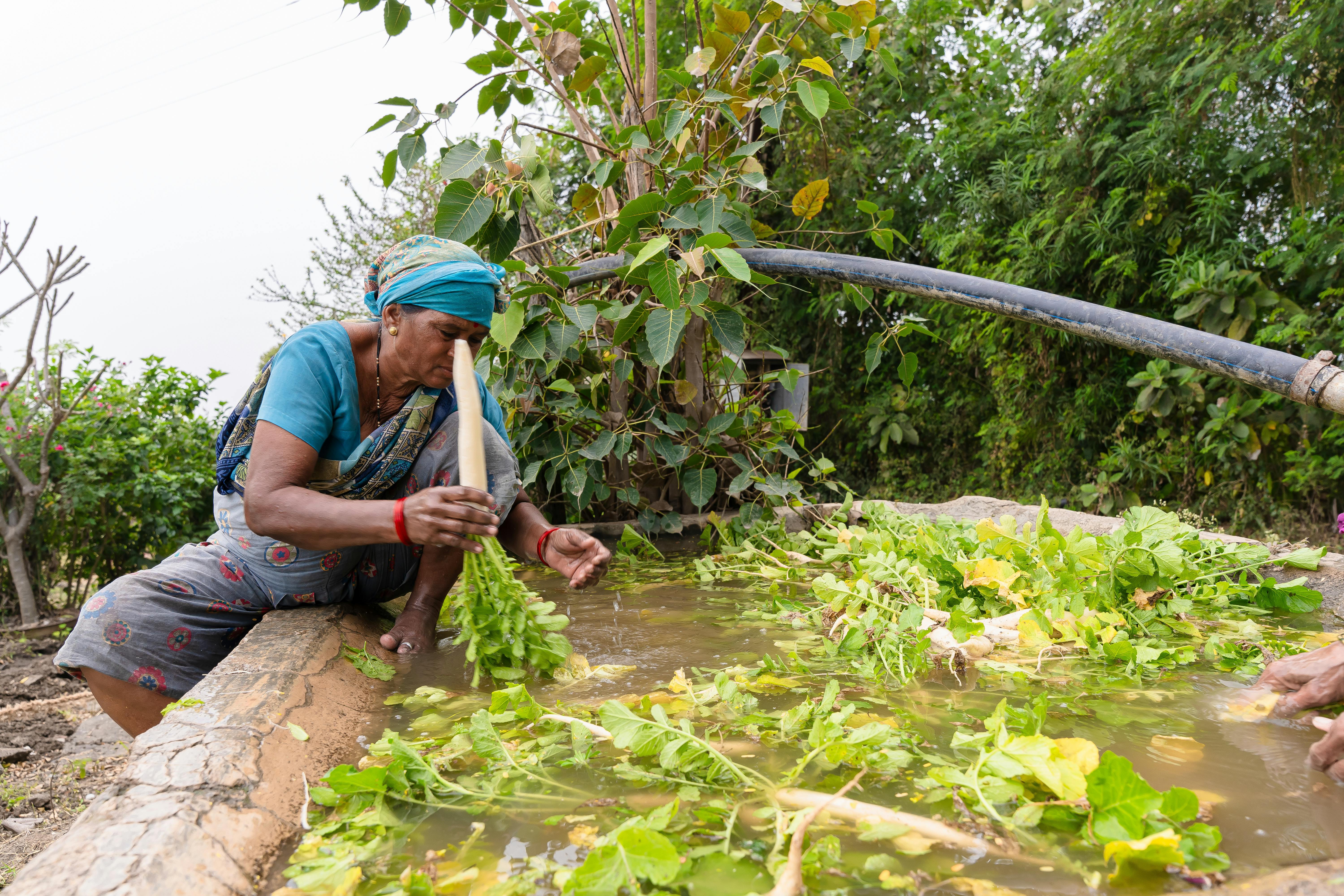
Transitioning to organic farming fundamentally revolves around nurturing soil health. By focusing on natural processes, farmers can build a robust ecosystem that supports vigorous plant growth and higher yields. The core of this transformation lies in embracing composting, biochar, and strategic crop rotation.
The Power of Composting: Turning Waste into Gold
Composting is the cornerstone of organic farming, transforming organic waste into a nutrient-rich soil amendment. This process not only recycles farm and household waste but also creates a living fertilizer teeming with beneficial microorganisms.
- Select Your Materials: Gather 'greens' (nitrogen-rich: food scraps, fresh grass clippings, manure) and 'browns' (carbon-rich: dry leaves, straw, wood chips, shredded paper). Aim for a balanced mix.
- Choose Your Method: For small farms, simple heap composting or pit composting is effective. For faster decomposition, consider a three-bin system. Bokashi composting, fermenting organic material, is also gaining popularity in Kenya for quick, nutrient-rich compost (mongabay.com).
- Build Your Pile: Layer greens and browns, moistening each layer as you build. Ensure good aeration to prevent anaerobic conditions.
- Turn Regularly: Turning the pile every few days or weeks introduces oxygen, speeds up decomposition, and ensures even heating. The pile should reach temperatures hot enough to kill weed seeds and pathogens.
- Harvest & Apply: Once the compost is dark brown, crumbly, and smells earthy, it's ready. Apply it generously to your garden beds, around plants, or mix it into the soil before planting. For farmers seeking a reliable compost solution, consider the Vitamix FoodCycler FC-50, 2L Capacity, Indoor Food Waste Composter – available on Amazon, which helps in efficient breakdown of food waste for composting.
Biochar: The Ancient Secret for Modern Soil Enhancement
Biochar is charcoal produced from biomass pyrolysis (heating in the absence of oxygen). When added to soil, it offers remarkable long-term benefits for fertility, water retention, and microbial life.
- Source Sustainable Biomass: Use agricultural waste like maize stalks, coffee husks, or sawdust.
- Produce Biochar: Small-scale biochar production can be achieved using simple kilns like Kon-Tiki kilns, which are relatively easy to construct and operate. Ensure safe burning practices.
- Activate Biochar: Raw biochar has limited immediate benefits. Charge it by soaking it in nutrient-rich solutions (e.g., liquid manure, compost tea) for a few weeks to allow microbes and nutrients to colonize its porous structure.
- Apply to Soil: Incorporate activated biochar into your soil during planting or as a top dressing. Its effects are long-lasting, improving soil structure and nutrient retention for decades. Biochar for Gardening and Agriculture – available on Amazon can be a convenient option for those looking to integrate this powerful soil amendment directly.
Crop Rotation: Nature's Way to Restore Fertility
Crop rotation is the practice of growing different types of crops in the same area in sequential seasons. This simple yet effective strategy is vital for maintaining soil health, managing pests, and optimizing nutrient cycles.
- Plan Your Rotation: Divide your farm into sections and rotate crops from different families (e.g., legumes, cereals, root crops, leafy greens) over a 3-4 year cycle.
- Incorporate Legumes: Legumes like beans, peas, and groundnuts fix atmospheric nitrogen into the soil, naturally enriching it and reducing the need for external nitrogen inputs.
- Follow a Sequence: A common sequence might be: heavy feeders (e.g., maize, cabbage) followed by light feeders (e.g., carrots, onions), then nitrogen fixers (legumes), and finally green manures.
- Utilize Green Manures: Crops like sunhemp, vetch, or even specific grasses can be grown and then tilled back into the soil while still green. This adds organic matter, suppresses weeds, and prevents erosion.
By diligently applying these strategies, Kenyan farmers can significantly enhance their farm's productivity and sustainability. For further support and tailored guidance on these organic solutions, explore sustainable organic farming solutions with Biofarm Kenya.
Case Studies & Success Stories from Kenya
The success of organic farming is not just a concept; it's a lived reality for many Kenyan farmers. These pioneers demonstrate that with dedication and the right techniques, sustainable agriculture can lead to thriving farms and improved livelihoods.
Mary Wanjiru: A Beacon of Sustainable Farming in Nyandarua
Mary Wanjiru, a dedicated farmer from Nyandarua County, exemplifies the transformation possible through organic practices. Initially facing declining yields and escalating input costs, Mary embraced sustainable farming methods, particularly focusing on intensive composting and crop diversification. By integrating local farm waste into her compost and strategically rotating her crops, she not only revitalized her soil but also saw a remarkable increase in her vegetable yields. Her farm now serves as a demonstration site, inspiring neighbors to adopt similar eco-friendly approaches (Kimbumbugarden.com). Mary's story underscores the efficacy of simple, accessible organic methods in enhancing productivity and resilience.
Safi Organics: Empowering Smallholder Farmers with Biochar Technology
Safi Organics is a notable Kenyan enterprise that has successfully bridged the gap between scientific innovation and smallholder farming needs. They empower farmers by converting agricultural waste into biochar and organic fertilizers, addressing both waste management and soil fertility challenges. Through their localized production units and training programs, Safi Organics has helped numerous small-scale farmers improve their soil health, increase yields, and reduce reliance on synthetic inputs. Their model demonstrates how innovative, circular economy approaches can lead to significant agricultural and economic benefits for rural communities (Green Policy Platform). This initiative aligns perfectly with the focus on utilizing biochar to restore fertility.
BrookVeg Farm Ltd: Organic Excellence with Value Addition
Located on the outskirts of Nairobi, BrookVeg Farm Ltd stands as a testament to the commercial viability of organic farming in Kenya. This farm has successfully cultivated a wide range of organic produce, focusing not only on primary production but also on value addition. By processing some of their organic crops into market-ready products, they've tapped into niche markets and commanded premium prices. Their success is attributed to rigorous organic certification, consistent application of organic soil management practices, and a keen understanding of consumer demand for high-quality, safe food. BrookVeg Farm highlights that organic farming in Kenya can be both environmentally responsible and economically rewarding (Organic Consumers Alliance). These examples provide tangible proof that 30% yield increases are not just theoretical, but achievable.
Common Mistakes to Avoid in Your Organic Farming Journey
Transitioning to organic farming is a rewarding endeavor, but it comes with its own set of challenges. Avoiding common pitfalls can save farmers time, resources, and ensure a smoother, more successful journey towards sustainable agriculture.
1. Neglecting Soil Testing
One of the most frequent errors is not conducting regular soil tests. Without understanding your soil's current nutrient profile and pH levels, you're essentially farming blind. Organic amendments, while beneficial, need to be tailored to specific deficiencies. Over-applying certain organic materials or failing to address significant nutrient gaps can hinder plant growth and yield.
Correction: Invest in routine soil testing. This provides invaluable data to guide your composting, biochar, and green manure strategies, ensuring you apply the right amendments in the correct quantities. A simple soil testing kit can be an invaluable asset in this regard.
2. Impatience with Transition
Organic farming is a long-term commitment. Many farmers expect immediate results comparable to conventional farming, especially when it comes to yield. The soil ecosystem takes time to heal and re-establish its natural fertility. Disappointment can set in if yields don't immediately skyrocket in the first season.
Correction: Understand that the transition period, typically 2-3 years, involves rebuilding soil health. Focus on incremental improvements in soil structure, microbial activity, and plant resilience. The rewards, as KALRO (2024) shows with 30% yield increases, come with sustained effort.
3. Inadequate Pest and Disease Management
Reliance on chemical sprays in conventional farming often means organic farmers are unprepared for natural pest and disease management. Simply removing chemicals without implementing alternative strategies can lead to significant crop losses.
Correction: Adopt a holistic Integrated Pest Management (IPM) approach. This includes encouraging beneficial insects, using companion planting, practicing strict sanitation, and utilizing organic pest deterrents. Crop rotation is also a powerful tool in breaking pest and disease cycles.
4. Poor Composting Practices
While composting is crucial, improper techniques can lead to ineffective or even harmful compost. Piles that are too wet, too dry, or lack proper aeration won't decompose efficiently or may harbor pathogens.
Correction: Learn and apply proper composting ratios (greens to browns), moisture levels, and turning frequencies. Ensure your compost reaches adequate temperatures to sterilize weed seeds and pathogens. Quality compost is vital for enriching soil and achieving those desired yield increases.
5. Ignoring Market Demand
Some organic farmers fall into the trap of growing what they like, rather than what the market demands or what is most profitable for their region (kcoa-africa.org). While organic produce fetches better prices, understanding consumer preferences is key to commercial success.
Correction: Research local market trends and consumer preferences for organic produce. Grow a diversified range of crops that are both ecologically suited to your farm and economically viable.
Expert Tips & Best Practices for Maximizing Organic Farm Productivity
Achieving high yields and healthy crops in organic farming requires a blend of traditional wisdom and modern innovation. Here are some expert, locally relevant tips to help Kenyan farmers boost their farm yields sustainably.
1. Embrace Biodiversity Above and Below Ground
A truly productive organic farm is a biodiverse one. This extends beyond just crop rotation. Plant diverse cover crops, establish hedgerows, and integrate agroforestry elements (planting trees on farms) to create a resilient ecosystem. This encourages beneficial insects, improves soil structure, and provides additional income streams. Below ground, this diversity fosters a vibrant microbial community essential for nutrient cycling.
2. Master Water Management Techniques
Water scarcity and unpredictable rainfall are major challenges in many parts of Kenya. Efficient water use is paramount.
- Drip Irrigation: Install drip irrigation systems to deliver water directly to the plant roots, minimizing evaporation and water wastage. This is especially crucial for high-value crops. For efficient water delivery, consider investing in a Drip Irrigation Kit with Timer and Adjustable Drippers – available on Amazon.
- Rainwater Harvesting: Set up systems to collect and store rainwater for use during dry spells.
- Mulching: Apply a thick layer of organic mulch around your plants. This significantly reduces soil moisture loss, suppresses weeds, and adds organic matter as it decomposes.
3. Prioritize Seed Selection
The success of your organic farm begins with the right seeds. Opt for open-pollinated, heirloom, or locally adapted varieties that are known for their resilience, disease resistance, and good yields under organic conditions. Avoid genetically modified (GMO) or chemically treated seeds, which are incompatible with organic principles.
4. Regular Soil Monitoring and Nutrient Cycling
Don't just apply compost; understand its impact. Regularly observe your plants for signs of nutrient deficiencies and correlate them with your soil test results. Actively manage nutrient cycles by integrating legumes, green manures, and returning all appropriate farm waste to the soil. Maintaining healthy soil with Organic Compost Starter Mix – available on Amazon can accelerate the decomposition process and enrich your compost.
5. Continuous Learning and Networking
The organic farming landscape is constantly evolving. Attend workshops, join farmer cooperatives, and learn from experienced organic practitioners. Share your experiences and challenges, as collective knowledge can lead to innovative solutions. Organizations like Biofarm Kenya are excellent resources for training and support.
By integrating these expert tips into your farming routine, you can not only boost your farm's productivity but also enhance its long-term sustainability and resilience. To access a wealth of knowledge, resources, and partnership opportunities, explore sustainable organic farming solutions with Biofarm Kenya.
Future Trends: Innovation Paving the Way for Sustainable Agriculture
The future of agriculture in Kenya, particularly in the organic sector, is poised for significant transformation driven by technological advancements and a deeper understanding of ecological principles. As we continue to battle climate change and strive for food security, innovation will be key to developing resilient and productive organic farming systems.
Smart Irrigation Systems
Precision agriculture is making inroads into organic farming. Smart irrigation systems, utilizing sensors and data analytics, can monitor soil moisture levels and weather patterns to deliver the exact amount of water crops need, precisely when they need it. This not only conserves water, a critical resource in Kenya, but also optimizes plant growth and nutrient uptake, preventing waterlogging or drought stress. This technology will significantly enhance water efficiency in organic farms.
Vertical Farming and Urban Agriculture
With increasing urbanization and limited arable land, vertical farming and urban agriculture are gaining traction. These methods allow for high-density crop production in controlled environments, often with significantly reduced land and water usage. While initial setup costs can be higher, they offer year-round production, protection from adverse weather, and closer proximity to markets, reducing transport costs and carbon footprint. Organic vertical farms are emerging as a viable solution for fresh produce in urban centers.
AI-Driven Crop Monitoring and Disease Detection
Artificial Intelligence (AI) and machine learning are revolutionizing crop monitoring. Drones equipped with multispectral cameras can detect early signs of pest infestations or nutrient deficiencies, allowing farmers to intervene precisely and proactively with organic treatments. AI can also analyze vast amounts of data on soil, weather, and crop performance to provide tailored recommendations for planting, fertilization, and harvesting, further optimizing organic practices and boosting those critical yield increases.
Enhanced Bio-Input Development
Research and development in bio-inputs are accelerating. Expect to see more sophisticated organic fertilizers, bio-pesticides, and beneficial microbial inoculants becoming available. These innovations will further empower organic farmers by providing effective, natural solutions for crop nutrition and protection, moving beyond basic compost and into advanced biological formulations that enhance soil biology and plant vigor.
Regenerative Agriculture Principles
Beyond simply avoiding chemicals, the trend is moving towards regenerative agriculture, a holistic approach that focuses on restoring and enhancing entire ecosystems. This includes practices like no-till farming, extensive cover cropping, diverse rotations, and integrating livestock to mimic natural systems. Regenerative organic farming aims not just for sustainability, but for actively improving soil health, biodiversity, and ecosystem services, ultimately leading to even greater long-term productivity and resilience, echoing the importance of restoring fertility without synthetic inputs.
Conclusion: Your Path to a Prosperous Organic Farm
The journey towards organic farming in Kenya is not merely a trend but a vital shift towards a more sustainable and prosperous agricultural future. As evidenced by KALRO's findings of up to a 30% yield increase in maize with organic amendments, transitioning to natural methods like composting, biochar, and green manure is a powerful strategy to combat rising soil degradation and chemical costs. By embracing these practices, you can restore your soil's natural vitality, enhance crop resilience, and secure a healthier harvest for generations to come.
This guide has provided a comprehensive roadmap, from mastering composting techniques and understanding the benefits of biochar to implementing effective crop rotation strategies and avoiding common pitfalls. The insights shared, coupled with real-world Kenyan success stories, underscore the immense potential within our local farming communities. Remember, the key to success lies in continuous learning, diligent application, and a commitment to working with nature, not against it.
As you embark on or continue your organic farming journey, empower yourself with the right tools and knowledge. Discover trusted organic farming tools on Amazon and learn more about sustainable solutions with Biofarm Kenya. Together, we can cultivate a greener, more fertile future for Kenyan agriculture.
FAQs: Your Organic Farming Questions Answered
Q1: How does organic farming specifically boost yields in crops like maize, as per KALRO's findings?
A: KALRO's research indicates that organic amendments like compost, biochar, and green manure significantly improve soil structure, water retention, and nutrient availability. This creates a healthier environment for maize roots to grow, access essential nutrients, and resist stressors, leading to increased cob size, grain fill, and overall yield by up to 30%. Organic practices also foster beneficial microbial activity, which further aids nutrient cycling and plant health.
Learn more about KALRO's agricultural research initiatives.
Q2: What is the optimal ratio of 'greens' to 'browns' for effective composting in a Kenyan farm setting?
A: While ideal ratios vary, a general guideline for effective composting is a carbon-to-nitrogen (C:N) ratio of 25-30:1. This usually translates to roughly two to three parts 'brown' materials (dry leaves, straw, wood chips) for every one part 'green' materials (fresh grass clippings, food scraps, manure) by volume. Maintaining this balance ensures rapid decomposition without excessive odor or slow breakdown.
Refer to FAO guidelines for small-scale composting techniques.
Q3: How often should I conduct soil testing when transitioning to organic farming, and what key nutrients should I focus on?
A: During the initial transition phase (first 2-3 years), it's advisable to conduct soil tests annually to monitor changes in soil health and nutrient levels. Once your soil stabilizes, biennial testing may suffice. Key nutrients to focus on include Nitrogen (N), Phosphorus (P), Potassium (K), pH, and organic matter content. Micronutrients like Boron, Zinc, and Manganese are also important to check periodically.
Find accredited soil testing services in Kenya through KEBS (Kenya Bureau of Standards).
Q4: Can biochar be produced safely and efficiently by smallholder farmers in Kenya?
A: Yes, smallholder farmers can produce biochar safely and efficiently using simple, low-cost technologies like Kon-Tiki kilns or drum kilns. These methods allow for controlled pyrolysis of agricultural waste (e.g., maize stalks, coffee husks) with minimal emissions. Training on proper kiln operation and safety protocols is essential to ensure efficient biochar production and maximize its benefits for soil health.
Explore resources from the International Biochar Initiative for small-scale production methods.
Q5: What are the best crop rotation sequences for improving soil fertility in different agro-ecological zones in Kenya?
A: The best crop rotation sequences depend on your specific agro-ecological zone. Generally, a good rotation includes a cereal (e.g., maize), a legume (e.g., beans, groundnuts) for nitrogen fixation, a root crop (e.g., potato, carrot), and a leafy vegetable. In drier areas, drought-resistant legumes and cover crops are crucial. For example, maize-beans-sorghum-green manure is a common rotation. Consulting local agricultural extension officers or Biofarm Kenya partners can provide tailored advice for your specific region.
Read more about crop rotation benefits from Agriculture Kenya.
Q6: What certifications are available for organic farmers in Kenya, and how can Biofarm Kenya assist with the process?
A: In Kenya, the primary organic certification standard is Kilimohai Organic™. This standard ensures that organic produce meets specific criteria for production, processing, and handling. The Kenya Organic Agriculture Network (KOAN) provides coordination and services for the organic sector, including certification guidance. Biofarm Kenya, through its extensive network and expertise, can guide farmers through the certification process, offering training, technical support, and linking them to certification bodies, helping them meet the requirements for organic recognition.
Visit the Kenya Organic Agriculture Network (KOAN) for more details on organic certification.
External Authoritative Links:
- Kenya Agricultural and Livestock Research Organization (KALRO)
- Food and Agriculture Organization of the United Nations (FAO)
- Kenya Bureau of Standards (KEBS)
- International Biochar Initiative
- Agriculture Kenya
- Kenya Organic Agriculture Network (KOAN)
Internal Biofarm Kenya Links:



0 Comments