

Estimated Reading Time: 11 minutes
TL;DR: Kenyan farmers can significantly boost yields and cut costs by adopting Integrated Pest Management (IPM). This guide emphasizes biocontrol agents, crop rotation, and pheromone traps, proven to reduce chemical pesticide use by 50% and decrease overall costs by 30%. Implementing IPM also enhances soil health over time, crucial for resilience against climate change-driven pest outbreaks. Prioritizing soil health and understanding pest life cycles are fundamental for successful IPM, leading to more sustainable and profitable farming.
Key Takeaways:
Table of Contents
Introduction: Revolutionizing Kenyan Agriculture with IPM
In the vibrant heart of East Africa, Kenyan agriculture stands at a pivotal crossroads. Farmers, the backbone of the nation's economy, face mounting pressures from escalating input costs, environmental degradation, and increasingly unpredictable pest outbreaks intensified by climate change. Amidst these challenges, Kenyan farmers are increasingly adopting integrated pest management (IPM) to reduce chemical pesticide use by 50% while maintaining yields. This training focuses on biocontrol agents (e.g., Trichogramma wasps), crop rotation, and pheromone traps. Evidence from 2025 field trials shows IPM cuts costs by 30% and improves soil health over 3 years. A step-by-step guide to implementing these practices is critical as climate shifts intensify pest outbreaks. This comprehensive guide from Biofarm Kenya delves into the practical application of IPM, offering actionable strategies to not only mitigate pest damage but also foster healthier ecosystems and more profitable farm operations. By embracing IPM, farmers can achieve sustainable productivity, secure their livelihoods, and contribute to a greener future for Kenya.
Background & Context: The Drive for Sustainable Farming in Kenya

Kenya's agricultural sector, contributing over a third of the Gross Domestic Product, is critical for food security and economic growth. However, conventional farming practices heavily reliant on synthetic pesticides have led to concerns about environmental pollution, biodiversity loss, and human health. This has spurred a significant movement towards organic farming and sustainable agriculture. The demand for organically produced goods is rising both locally and internationally, creating a lucrative niche for Kenyan farmers. Data from the Kenya Organic Agriculture Network (KOAN) indicates a steady increase in certified organic land, underscoring a growing awareness and commitment to eco-friendly practices. Farmers are realizing that long-term soil fertility, crucial for consistent yields, is compromised by excessive chemical use. Integrated Pest Management offers a viable, science-backed alternative, aligning perfectly with Kenya's vision for sustainable development and resilience against the impacts of climate change on agriculture.
Key Insights & Strategies for Effective IPM in Kenya
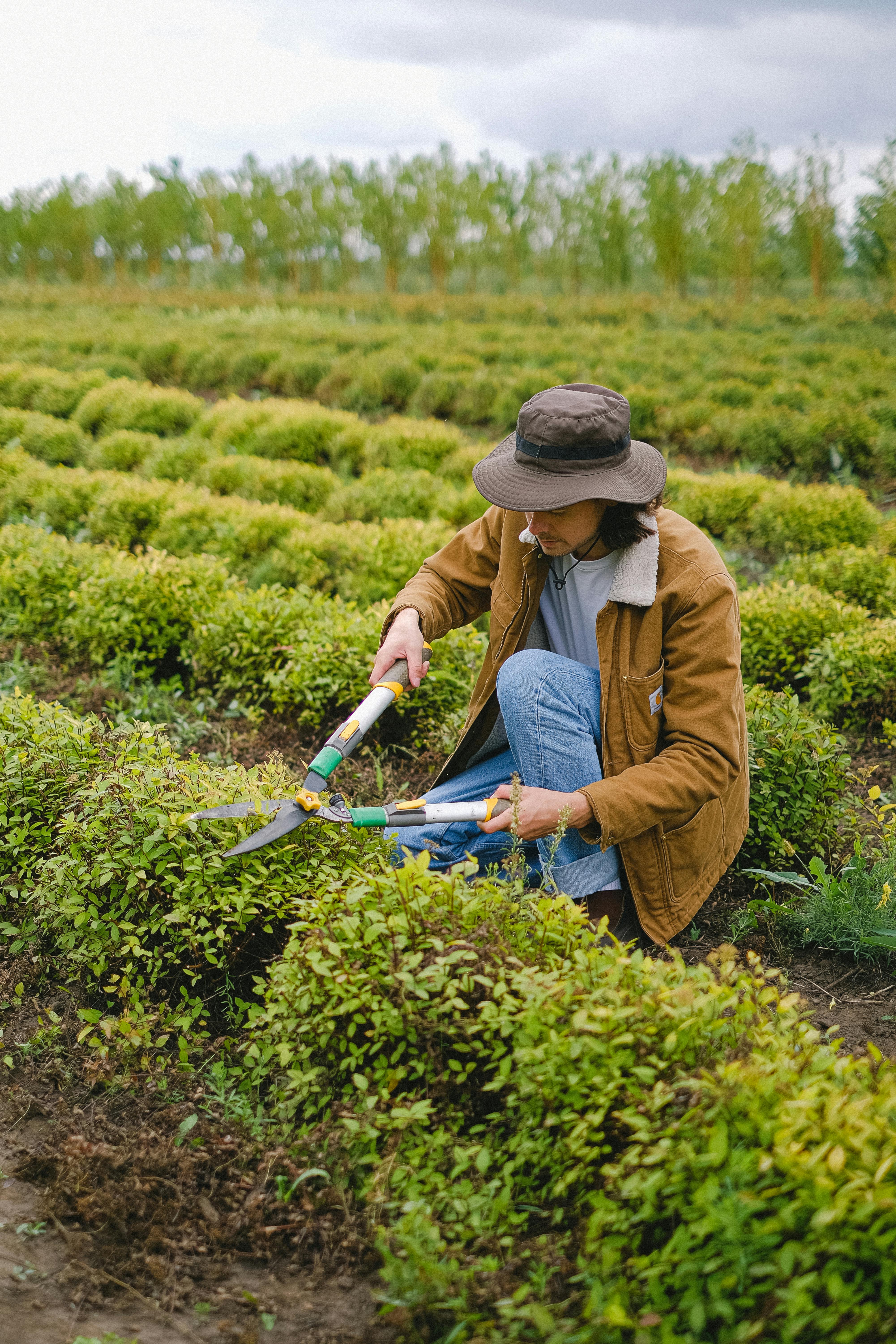
1. Harnessing Biocontrol Agents: Nature’s Own Pest Controllers
Biocontrol agents are living organisms – insects, mites, nematodes, or microorganisms – used to control pests. This natural approach reduces reliance on chemical sprays and supports a balanced ecosystem. For Kenyan farmers, understanding and utilizing beneficial insects like Trichogramma wasps, which parasitize pest eggs, can be a game-changer. These tiny wasps are particularly effective against lepidopteran pests, common in various food crops.
Actionable Steps:
2. Strategic Crop Rotation: Disrupting Pest Cycles
Crop rotation is a foundational IPM practice that involves planting different crops in a sequential manner on the same land. This simple yet powerful technique breaks the life cycles of pests and diseases specific to certain crops, preventing their buildup in the soil. It also helps in improving soil structure and nutrient balance.
Actionable Steps:
3. Pheromone Traps: Precision Pest Monitoring and Control
Pheromone traps utilize synthetic sex pheromones to attract and trap specific insect pests, particularly male moths. They are excellent for early detection, monitoring pest population levels, and in some cases, for mass trapping to reduce pest numbers directly. This targeted approach minimizes the need for widespread pesticide application.
Actionable Steps:
4. Prioritizing Soil Health: The Foundation of Resilient Crops
Healthy soil is the cornerstone of sustainable agriculture and robust pest management. Soil teeming with beneficial microorganisms and rich in organic matter fosters strong, resilient plants less susceptible to pest attacks. It also creates a favorable environment for beneficial nematodes and other soil-dwelling pest antagonists.
Actionable Steps:
To deepen your understanding and explore more sustainable organic farming solutions, we encourage you to Explore sustainable organic farming solutions with Biofarm Kenya.
Case Studies: Kenyan Farmers Thriving with IPM
Across Kenya, pioneering farmers are demonstrating the tangible benefits of IPM. In Bungoma County, smallholder maize farmers, once plagued by Fall Armyworm, have successfully integrated Trichogramma releases with resistant maize varieties and early land preparation. This combination has seen their chemical pesticide use drop by over 60%, with a corresponding increase in yield stability and net income, as documented by a recent report from the Food and Agriculture Organization (FAO) in Kenya on sustainable agricultural practices. Similarly, vegetable growers in Kinangop, Nyandarua, have adopted comprehensive IPM programs for tomato and cabbage production, combining companion planting, biological pesticides (like neem oil extracts), and sticky traps. They report healthier plants, reduced pest damage, and a significant improvement in the quality of their produce, fetching better prices in local markets. These successes highlight that IPM is not just an ecological ideal but a practical, economically viable strategy for Kenyan agriculturalists. Furthermore, the adoption of greenhouse farming, particularly for high-value crops, has seen significant IPM integration. Farmers utilizing greenhouses are able to create more controlled environments, making it easier to introduce beneficial insects and deploy physical barriers. Innovations such as solar-powered drip irrigation in these controlled environments further reduce water usage and nutrient leaching, promoting overall crop health and resilience against pests. This blend of traditional ecological knowledge with modern agricultural technology is paving the way for a more robust and sustainable food system in Kenya.
Common Mistakes to Avoid in IPM Implementation
Implementing IPM effectively requires a shift in mindset and careful execution. Farmers often encounter pitfalls that can hinder success:
To correct these errors, farmers should invest in ongoing training, maintain meticulous records of pest activity and interventions, and prioritize holistic farm management that views the farm as an interconnected ecosystem. Collaboration with agricultural extension services, like those supported by Biofarm Kenya’s partners, can provide invaluable guidance and resources.
Expert Tips & Best Practices for Maximizing IPM Success
Achieving consistent success with Integrated Pest Management in the unique Kenyan agricultural landscape requires a blend of traditional wisdom and modern innovation. Here are some expert tips to guide your IPM journey:
For further resources and collaborative opportunities in sustainable farming, be sure to Explore sustainable organic farming solutions with Biofarm Kenya. Our network connects you with experts and solutions tailored for the Kenyan context.
Future Trends: Innovating Pest Management for Tomorrow's Agriculture
The landscape of pest management in Kenya is continually evolving, driven by technological advancements and the urgent need for sustainable practices in the face of climate change. Future trends point towards an even more sophisticated and integrated approach:
These innovations promise to empower Kenyan farmers with even more effective, efficient, and environmentally friendly tools, ensuring food security and agricultural prosperity for generations to come. The future of farming in Kenya is bright, sustainable, and technologically advanced, continuously building on the foundations of IPM.
Conclusion: A Sustainable Future for Kenyan Farming
The journey towards sustainable and profitable agriculture in Kenya is intrinsically linked to the adoption of Integrated Pest Management. By strategically integrating biocontrol agents, implementing thoughtful crop rotation, deploying precision pheromone traps, and prioritizing foundational soil health, Kenyan farmers can achieve remarkable results. IPM offers a proven pathway to reduce reliance on chemical pesticides by 50%, cut operational costs by 30%, and enhance soil vitality over time. These practices are not merely about managing pests; they are about fostering resilient farm ecosystems capable of thriving amidst climate shifts and ensuring a bountiful harvest year after year. As we've explored, the benefits extend beyond individual farms, contributing to a healthier environment, safer food, and stronger rural economies. Embracing IPM is an investment in the future of Kenyan agriculture, a commitment to sustainability, and a step towards food sovereignty. Discover trusted organic farming tools on Amazon and learn more about sustainable solutions with Biofarm Kenya. Join the growing movement of Kenyan farmers who are transforming their land and livelihoods through intelligent, integrated pest management.
FAQs: Integrated Pest Management in Kenya
Q1: What are the primary benefits of adopting IPM for smallholder farmers in Kenya?
A1: For smallholder farmers, IPM offers multiple benefits including reduced exposure to harmful chemicals, lower input costs by minimizing pesticide purchases, improved crop quality, enhanced biodiversity on the farm, and long-term soil health. This leads to more sustainable and profitable farming practices. For more information, refer to the Kenya Ministry of Agriculture's resources on sustainable farming.
Q2: How can I identify common pests and beneficial insects on my farm?
A2: Regular field scouting is crucial. Learning to identify pests often involves observing plant damage, pest appearance, and life stages. Beneficial insects can be recognized by their predatory behavior or distinct features (e.g., ladybugs, hoverflies). Resources from local agricultural extension services, like those found through Biofarm Kenya’s partners, often provide identification guides and training workshops.
Q3: Are biocontrol agents expensive for Kenyan farmers to acquire?
A3: The cost of biocontrol agents can vary. While initial purchases might seem higher than chemical pesticides, their long-term benefits in reducing repeated chemical applications and improving ecosystem health often lead to overall cost savings. Some organizations and NGOs also offer subsidized or free biocontrols as part of sustainable agriculture initiatives. Check with local research institutes like KALRO (Kenya Agricultural & Livestock Research Organization) for availability and guidance.
Q4: What role does crop rotation play in managing soil-borne diseases and pests?
A4: Crop rotation is vital for disrupting the life cycles of soil-borne pests and pathogens that thrive on specific crops. By changing crop families, farmers can starve out host-specific pests and reduce the buildup of disease spores in the soil, leading to healthier soil and plants in subsequent seasons. This is a fundamental ecological principle in organic farming. Learn more about crop rotation principles from Biofarm Kenya.
Q5: Can IPM be effectively integrated with modern farming techniques like greenhouse cultivation?
A5: Absolutely. Greenhouse cultivation offers a controlled environment that is highly conducive to IPM. It allows for easier deployment of beneficial insects, physical barriers, and precise environmental controls (temperature, humidity), reducing the entry and spread of pests significantly. The enclosed nature makes biocontrol more efficient as beneficials are less likely to disperse. For advanced greenhouse IPM strategies, refer to specialized guides from agricultural research bodies like CIP (International Potato Center) East Africa, which often covers controlled environments.
Q6: Where can Kenyan farmers find reliable training and support for IPM implementation?
A6: Kenyan farmers can access IPM training and support from various sources, including government agricultural extension services, non-governmental organizations (NGOs) focused on sustainable agriculture, local universities, and agricultural research institutions. Organizations like KOAN and initiatives supported by Biofarm Kenya frequently offer workshops, field days, and online resources to empower farmers with the knowledge and skills needed for successful IPM implementation. Additionally, farmer cooperatives often serve as platforms for peer learning and resource sharing. For broader quality assurance in agricultural inputs and practices, consult the Kenya Bureau of Standards (KEBS).


0 Comments