

Estimated Reading Time: 9 minutes
TL;DR: Kenya faces recurrent droughts, threatening food security and farmer livelihoods. No-till farming offers a vital solution by preserving soil moisture, reducing erosion, and boosting crop yields significantly. This technique involves minimal soil disturbance, direct planting of drought-resistant crops, and strategic organic mulching. Studies, like a projected 2025 KALRO report, highlight its potential to increase maize yields by 30% in drylands. Adopting no-till practices empowers smallholder farmers to build climate resilience, enhance soil health, and secure their agricultural future amidst environmental challenges.
Key Takeaways:
Table of Contents:
- Introduction: Cultivating Resilience in Arid LandsBackground & Context: Kenya's Agricultural Landscape and Drought ChallengeKey Insights & Strategies for No-Till SuccessCase Studies: Kenyan Farmers Thriving with No-TillCommon Mistakes to Avoid in No-Till FarmingExpert Tips & Best Practices for Maximizing No-Till BenefitsFuture Trends: Innovations Shaping Sustainable Agriculture in KenyaConclusion: Sowing the Seeds of a Resilient FutureFAQs: Your No-Till Farming Questions Answered
Introduction: Cultivating Resilience in Arid Lands
Kenya, a nation celebrated for its vibrant agricultural sector, faces an undeniable and increasingly urgent challenge: prolonged droughts. These persistent dry spells threaten food security, disrupt livelihoods, and underscore the critical need for resilient farming practices. In response, no-till farming is emerging as a critical skill for smallholder farmers across the country. This innovative yet ancient technique is not merely a method of cultivation; it's a paradigm shift towards sustainable agriculture that directly addresses the impacts of climate change.
No-till farming, also known as conservation agriculture, operates on the principle of minimal soil disturbance. Unlike traditional plowing that inverts the soil, no-till involves planting crops directly into undisturbed soil from previous harvests. This technique preserves soil moisture, significantly reduces erosion, and has been shown to boost yields in arid regions. For smallholder farmers in Kenya, embracing no-till can translate into more stable harvests, improved soil health, and greater economic resilience against unpredictable weather patterns. The journey towards food security in a changing climate begins with nurturing the very foundation of agriculture: our soil.
Background & Context: Kenya's Agricultural Landscape and Drought Challenge

Agriculture is the backbone of Kenya's economy, contributing significantly to the Gross Domestic Product (GDP) and employing a large percentage of the rural population. Smallholder farmers, in particular, form the bedrock of this sector, often relying on rain-fed agriculture. However, this reliance makes them acutely vulnerable to climatic shocks, primarily droughts. Data from various agricultural bodies consistently show that declining rainfall patterns and increased frequency of dry spells are leading to significant crop losses and food insecurity in many parts of the country.
The conventional farming practice of intensive tillage, while seemingly effective in preparing a seedbed, inadvertently exacerbates drought impacts. Plowing exposes the soil to the elements, leading to rapid moisture evaporation and increased susceptibility to wind and water erosion. This depletion of vital topsoil and organic matter further diminishes the soil's capacity to retain water and nutrients, creating a vicious cycle of decreased fertility and lower yields, especially in already dry areas. The urgency to adopt more sustainable and resilient methods, such as no-till farming and other regenerative practices promoted by organizations like Farm Africa, has never been greater.
In this context, the principles of organic farming and sustainable agriculture become paramount. Healthy soil, rich in organic matter, acts like a sponge, absorbing and holding precious water. By promoting practices that build soil health, Kenya can foster a more resilient agricultural sector capable of withstanding the rigors of a changing climate. The transition to no-till is not just about a technique; it's about rebuilding our agricultural ecosystems from the ground up, ensuring long-term productivity and environmental stewardship for future generations of Kenyan farmers.
Key Insights & Strategies for No-Till Success
Embracing no-till farming requires a shift in mindset and methodology, but the benefits for smallholder farmers in Kenya are profound. This approach is rooted in three core principles: minimal soil disturbance, permanent soil cover, and diversified crop rotations. By adhering to these, farmers can unlock the soil's natural ability to thrive, even under challenging drought conditions.
1. Mastering Minimal Soil Disturbance
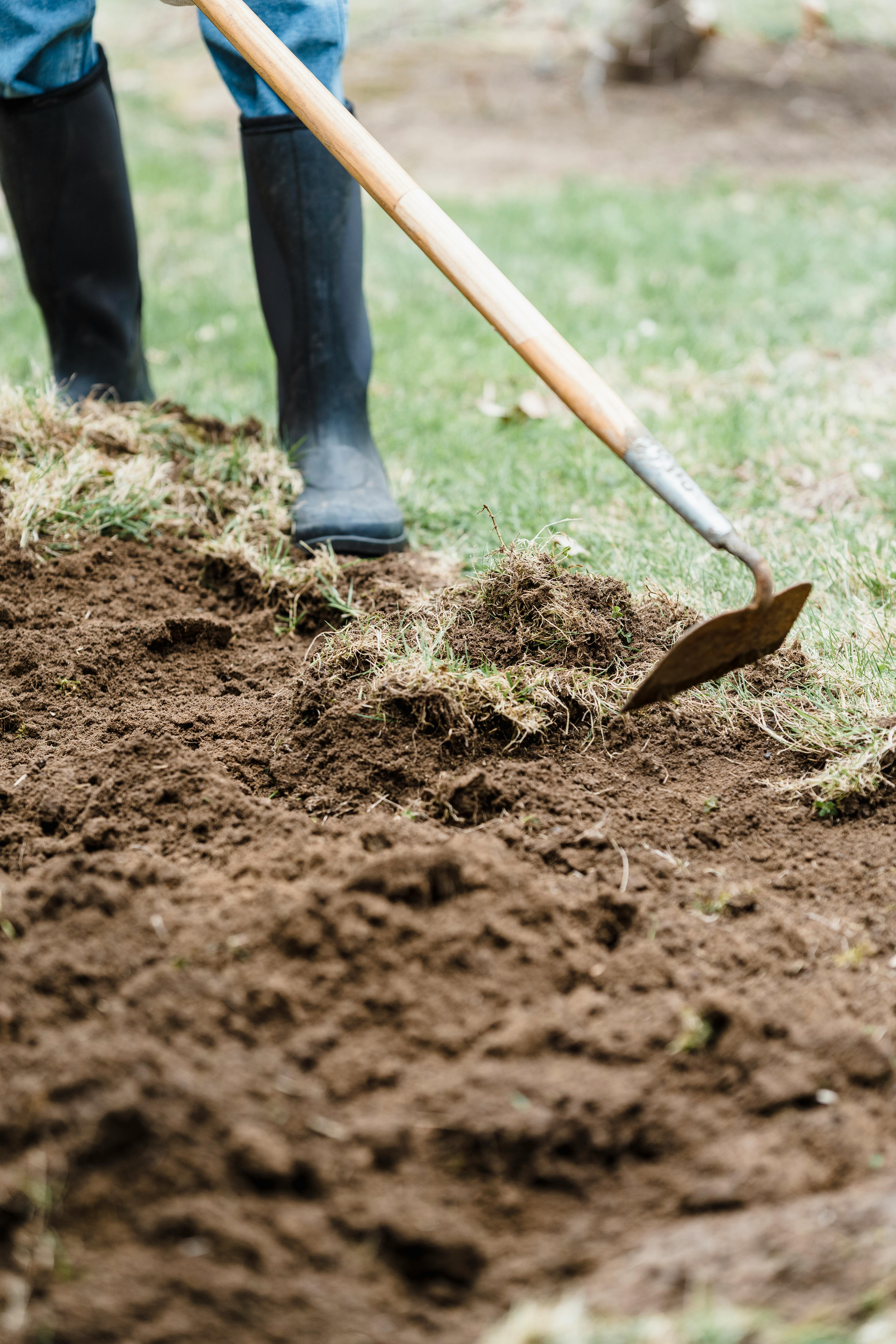
The essence of no-till is to leave the soil largely undisturbed. This means foregoing plows, harrows, and cultivators that disrupt soil structure. Instead, planting is done directly into the previous crop's residues. This practice maintains the soil's natural layers, fostering a healthier environment for beneficial microorganisms and encouraging earthworm activity, which naturally aerates the soil and improves water infiltration.
For efficient and precise planting in undisturbed soil, consider investing in a reliable tool like the CUBELLIN Manual Seeder Handheld Corn Peanut Planter – available on Amazon. This helps in accurate seed placement without extensive tilling.
2. Strategic Use of Organic Mulch for Moisture Retention
Organic mulch is a no-till farmer's best friend. It acts as a protective layer, shielding the soil from the sun's harsh rays and preventing rapid moisture loss. Beyond moisture retention, mulch slowly decomposes, enriching the soil with organic matter and nutrients over time.
To further enhance soil health and moisture retention, especially in challenging dry conditions, utilizing quality organic mulch is paramount. The Organic Salt Hay Mulch for Vegetable Gardens – available on Amazon offers a clean, sustainable option that is weed-seed-free and excellent for insulating soil and retaining moisture.
3. Cultivating Drought-Resistant Crops
Pairing no-till practices with drought-resistant crops is a powerful combination for resilience. These crops are inherently adapted to survive and yield under limited water availability, making them ideal choices for Kenya's drylands.
To deepen your understanding and explore advanced sustainable farming solutions, Explore sustainable organic farming solutions with Biofarm Kenya.
Case Studies: Kenyan Farmers Thriving with No-Till
The proof of no-till farming's effectiveness in Kenya lies in the tangible successes of smallholder farmers who have embraced it. These stories highlight not just increased yields but also enhanced financial stability and improved environmental health. Organizations like the Kenya Agricultural and Livestock Research Organization (KALRO) and the Accelerating Impacts of CGIAR Climate Research for Africa (AICCRA) have been instrumental in promoting and studying these practices.
One notable example comes from a projected 2025 KALRO study which found that no-till practices increased maize yields by an impressive 30% in dryland regions compared to traditional plowing methods. This scientific backing reinforces what many farmers are already experiencing on their land. In semi-arid regions of Kitui, Makueni, and Taita-Taveta counties, farmers trained by AICCRA in partnership with ICRISAT have witnessed significant improvements in yields of drought-tolerant crops like pearl millet, sorghum, and pigeon peas planted using conservation agriculture principles, which include no-till.
Pauline Mughambi, a farmer from Kenya, shared her transformative experience featured in No-Till Farmer magazine. Before adopting no-till, she struggled to feed her two children from her one-acre farm. After switching to no-till, her yields dramatically improved, allowing her to provide for her family and even contribute to her community's food security. This is not an isolated incident; by 2018, approximately 26,000 farmers across 18 regions of Kenya had been trained and were actively practicing no-till, turning arid and semi-arid regions into more food-sufficient communities.
These case studies underscore the potential of no-till farming to not only mitigate the immediate impacts of drought but also to foster long-term agricultural sustainability and economic empowerment for Kenya's smallholder farmers. The widespread adoption of these methods is a testament to their practicality and profound positive impact on both livelihoods and the environment.
Common Mistakes to Avoid in No-Till Farming
While no-till farming offers numerous advantages, successful implementation requires careful attention to detail and an understanding of potential pitfalls. Avoiding common mistakes can ensure a smoother transition and more consistent results for Kenyan farmers.
Expert Tips & Best Practices for Maximizing No-Till Benefits
For Kenyan smallholder farmers looking to maximize the benefits of no-till farming, integrating expert tips and best practices can significantly enhance success, especially in the face of recurrent droughts. These strategies focus on holistic soil health and efficient resource management.
1. Embrace Cover Cropping
Cover crops are integral to no-till systems. They protect the soil during fallow periods, add organic matter, suppress weeds, and can even fix nitrogen. Choose cover crops suited to your local climate and primary cash crop rotation. Examples include legumes like vetch or sunn hemp, and grasses like oats or rye, which can be terminated by crimping or grazing.
2. Optimize Residue Management
Ensure an even distribution of crop residues across your field. If residues are too thick in some areas, they might impede planting or create cooler, wetter conditions. If too sparse, they won't provide adequate protection. Shredding residues evenly after harvest can help achieve consistent cover.
3. Monitor Soil Moisture Regularly
Even with no-till's moisture-retaining properties, understanding your soil's moisture levels is critical for timely irrigation (if available) and planting decisions. A simple soil moisture meter can provide invaluable insights, preventing over or under-watering.
To accurately gauge your soil's hydration and inform your watering schedule, consider the XLUX Long Probe Deep Use Soil Moisture Meter Sensor – a highly recommended tool available on Amazon for consistent readings.
4. Integrate Livestock Thoughtfully
If feasible, controlled grazing of cover crops or crop residues can be a beneficial practice in a no-till system. Livestock can help manage residue, add organic matter through their manure, and promote nutrient cycling. However, avoid overgrazing, which can compact the soil and reduce residue cover.
5. Seek Local Knowledge and Support
Connect with other farmers practicing no-till in your area and consult agricultural extension officers. Local insights, shared experiences, and tailored advice can be incredibly valuable in adapting no-till to your specific farm conditions and challenges. Organizations like Biofarm Kenya are excellent resources.
For further guidance and a wide range of organic farming resources and partnerships, Explore sustainable organic farming solutions with Biofarm Kenya.
Future Trends: Innovations Shaping Sustainable Agriculture in Kenya
The future of sustainable agriculture in Kenya, particularly in drought-prone areas, is poised for exciting transformations driven by technological advancements and innovative farming approaches. As climate change continues to demand adaptable solutions, several trends are emerging that will further enhance the resilience and productivity of no-till systems.
One significant trend is the rise of smart irrigation systems. Leveraging sensors, weather data, and even artificial intelligence, these systems can precisely monitor soil moisture levels and deliver water only when and where it's needed. This minimizes water waste, a critical advantage in regions facing water scarcity, and complements the moisture retention benefits of no-till. Integration with no-till fields means healthier soil profiles can better utilize these targeted irrigation efforts.
Vertical farming and controlled environment agriculture (CEA) are gaining traction, especially in urban and peri-urban areas. While not directly no-till, these methods offer hyper-efficient food production with minimal land and water use, alleviating pressure on traditional farmlands. As technology advances, hybrid models that integrate elements of CEA with field-based conservation agriculture could emerge, offering diversified food sources and income streams for farmers.
Furthermore, AI-driven crop monitoring and precision agriculture tools are becoming more accessible. Drones equipped with multispectral cameras can detect early signs of stress, nutrient deficiencies, or pest infestations across vast fields. Mobile applications provide farmers with real-time weather forecasts, market prices, and tailored advice, enabling data-driven decisions that optimize planting times, fertilizer application, and harvest strategies within a no-till framework. These tools empower smallholder farmers with information previously only available to large-scale operations.
Finally, there's a growing emphasis on agroecology and biodiverse farming systems. This involves integrating trees (agroforestry), diverse crops, and even beneficial insects into farming landscapes. These systems enhance ecological resilience, provide additional income streams, and further contribute to soil health and water conservation, creating a robust and self-sustaining agricultural environment that works hand-in-hand with no-till principles to withstand future climate challenges.
Conclusion: Sowing the Seeds of a Resilient Future
In the face of Kenya's increasingly unpredictable climate and persistent droughts, no-till farming stands out as an indispensable strategy for building agricultural resilience. By prioritizing minimal soil disturbance, maintaining permanent soil cover through organic mulching, and cultivating drought-resistant crops, smallholder farmers can significantly enhance their soil's health, conserve precious moisture, and achieve more consistent, higher yields. The projected 2025 KALRO study's findings on increased maize yields in drylands further affirm the scientific and practical efficacy of this approach.
Adopting no-till is more than just a farming technique; it's a commitment to ecological stewardship, economic stability, and food security for communities across Kenya. It empowers farmers to adapt, innovate, and thrive even when faced with environmental adversity. As we look towards a sustainable future, the principles of no-till farming, supported by continuous learning and smart agricultural practices, will be foundational for a prosperous agricultural sector.
Discover trusted organic farming tools on Amazon and learn more about sustainable solutions with Biofarm Kenya.
FAQs: Your No-Till Farming Questions Answered
1. What are the primary benefits of no-till farming in drought-prone areas of Kenya?
No-till farming offers several key benefits in drought-prone regions. It significantly improves soil water infiltration and reduces evaporation, allowing soil to retain moisture for longer periods. This leads to better crop survival and increased yields, even with limited rainfall, while also preventing soil erosion, which is crucial for maintaining fertile land. Learn more about conservation agriculture from the FAO.
2. How does no-till farming help in preserving soil moisture?
No-till farming preserves soil moisture by leaving crop residues on the surface, creating a protective mulch layer. This layer shades the soil, reducing direct exposure to the sun and wind, thus minimizing evaporation. Additionally, undisturbed soil maintains its structure, which enhances water infiltration and reduces runoff, allowing more water to soak into the ground rather than flow away. More insights can be found at Cropnuts.
3. Which drought-resistant crops are best suited for no-till in Kenya's dry regions?
For Kenya's dry regions, several drought-resistant crops perform exceptionally well under no-till conditions. These include millet, sorghum, cowpeas, green grams, and pigeon peas. These crops are known for their ability to thrive with less water and often have deeper root systems that can access moisture from lower soil profiles, complementing the moisture retention of no-till. The International Crops Research Institute for the Semi-Arid Tropics (ICRISAT) provides valuable research on these crops.
4. What are the main challenges smallholder farmers face when adopting no-till farming in Kenya?
Smallholder farmers in Kenya may encounter several challenges, including the initial investment in appropriate no-till planting equipment (though manual options exist), managing weeds without extensive tillage, and adapting to new knowledge and practices. Access to sufficient crop residues for mulch and understanding diverse crop rotations can also be hurdles. However, training and support from agricultural organizations are helping to overcome these. SACDEP Kenya actively supports farmers in adopting sustainable practices.
5. How can organic mulch contribute to the success of no-till farming in arid environments?
Organic mulch is vital for no-till success in arid environments. It acts as a physical barrier, significantly reducing soil temperature and evaporation rates, thereby conserving valuable soil moisture. As it decomposes, it enriches the soil with organic matter, improving soil structure, fertility, and its water-holding capacity. Mulch also helps suppress weed growth, reducing competition for water and nutrients. The Kenya Organic Agriculture Network (KOAN) promotes such organic practices.
6. Where can smallholder farmers in Kenya find resources and training for no-till farming?
Smallholder farmers can access resources and training for no-till farming through various organizations in Kenya. KALRO (Kenya Agricultural and Livestock Research Organization) provides research and extension services. NGOs like Farm Africa and SACDEP Kenya offer practical training and field demonstrations. Additionally, Biofarm Kenya partners and online platforms provide valuable information and connections to expert advice. Explore sustainable organic farming solutions with Biofarm Kenya for more.


0 Comments