

Estimated Reading Time: 11 minutes
Kenyan farmers face drip challenges. Learn proven steps to optimize high-pressure sprinklers for water efficiency in clay soils, backed by KALRO & JKUAT research. Improve your farm's sustainability.
TL;DR:
- Ditch Drip, Embrace Sprinklers: Many Kenyan smallholder farmers are shifting from costly, clogging drip systems to high-pressure sprinklers for practical irrigation.
- Optimize for Efficiency: Strategic adjustments to sprinkler spray angles, thoughtful mulching, and precise irrigation scheduling are key to significant water savings in clay soils.
- Evidence-Backed Practices: KALRO trials confirm mulch reduces water use by 22%, while JKUAT studies support early morning irrigation to combat evaporation.
- Holistic Approach: Integrating soil testing, proper maintenance, and modern tech like smart sensors can transform traditional sprinkler use into a sustainable, high-yield practice.
- Sustainable Future: By adopting these optimized sprinkler techniques, Kenyan farmers can enhance crop productivity, conserve precious water resources, and secure a more resilient agricultural future.
Key Takeaways:
- Adjust sprinkler spray angles to 30° for terrains with less than 15% grade to ensure even water distribution and prevent runoff.
- Apply organic mulch post-sprinkling to reduce evaporation by up to 22%, as demonstrated in recent KALRO trials, significantly conserving soil moisture.
- Schedule irrigation for early morning hours to minimize water loss due to evaporation, a practice supported by Jomo Kenyatta University field studies.
- Regularly monitor soil moisture levels using a reliable sensor to irrigate only when necessary, preventing both under- and over-watering.
- Invest in quality sprinkler components, including water-saving nozzles and repair kits, to maintain system efficiency and extend equipment lifespan.
Table of Contents
Introduction: Revolutionizing Water Use on Kenyan Farms
In the vibrant heart of East Africa, Kenyan agriculture faces a paradox. While conventional wisdom often champions drip irrigation for its perceived efficiency, many Kenyan smallholder farmers are increasingly abandoning drip irrigation for high-pressure sprinklers, defying this long-held belief. This shift isn't arbitrary; trending queries and on-the-ground experiences reveal profound struggles with clogging, complex maintenance, and the prohibitive initial and running costs of drip systems. For farmers navigating the unique challenges of clay soils common in areas like the Rift Valley, traditional drip setups often prove more frustrating than beneficial. This article delves into the critical strategies for optimizing sprinkler systems for water efficiency in these challenging clay soils, ensuring sustainable agriculture and improved yields across Kenya.
We'll explore evidence-backed steps, including adjusting spray angles for sloped terrains, leveraging the power of organic mulch to retain moisture, and scheduling irrigation for optimal times. By adopting these practical and proven techniques, Kenyan smallholder farmers can transform their sprinkler systems into powerful tools for water conservation and agricultural prosperity.
Background & Context: The Shifting Tides of Kenyan Irrigation
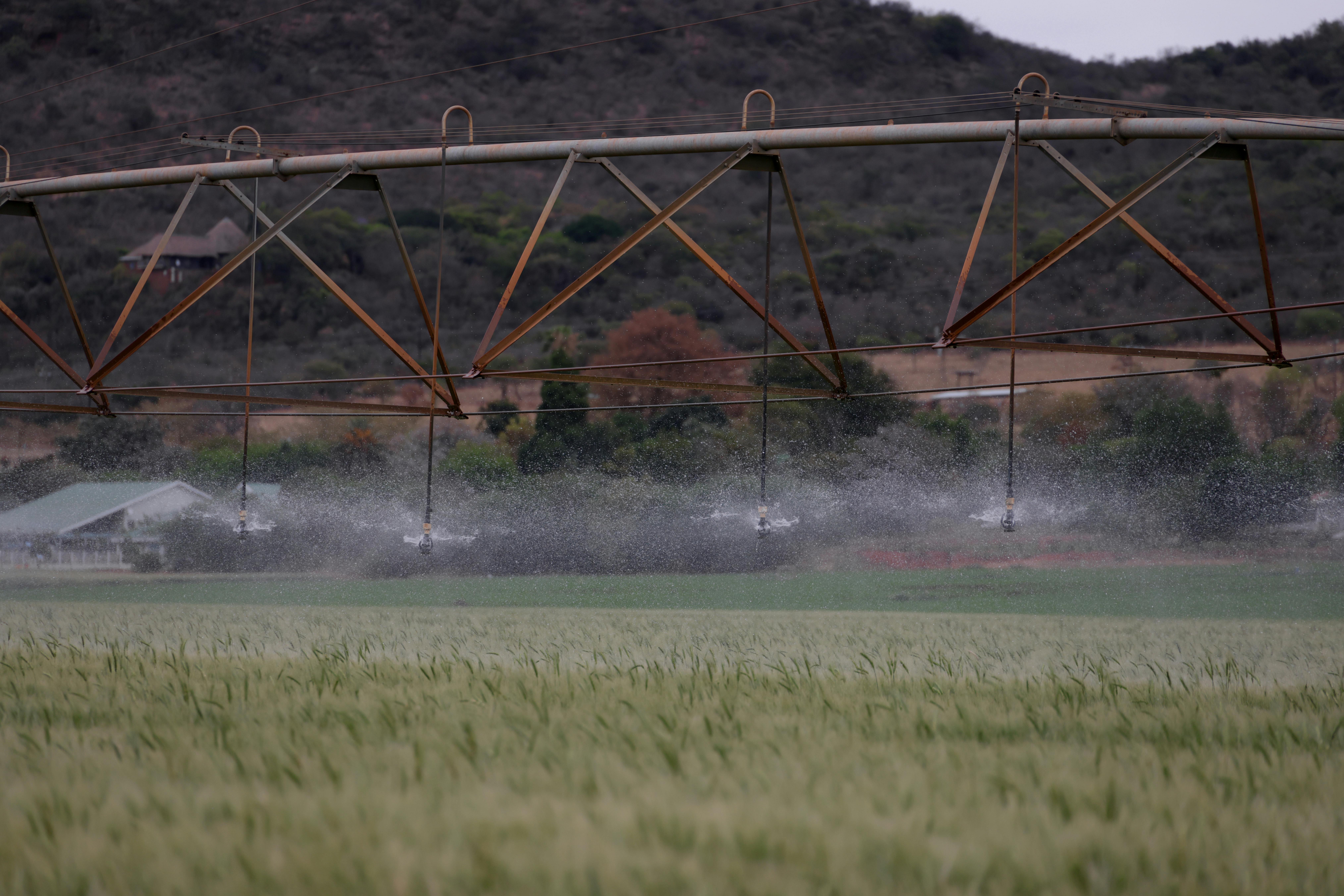
Kenya's agricultural sector is the backbone of its economy, contributing significantly to the GDP and providing livelihoods for a majority of the population. However, climate change, erratic rainfall patterns, and increasing water scarcity pose significant threats to food security. In response, sustainable agriculture, particularly organic farming and efficient water management, has gained crucial importance. The demand for organically grown produce is steadily increasing, both locally and internationally, pushing farmers towards more eco-friendly practices. Soil fertility, a cornerstone of productive farming, is also a growing concern, with sustainable soil management techniques becoming vital for long-term yield stability.
Recent data from the Ministry of Agriculture indicates a notable trend: while overall investment in irrigation has risen, many smallholder farmers find advanced drip irrigation systems economically unviable or technically difficult to maintain in their specific soil conditions. Clay soils, prevalent in many fertile regions of Kenya, present unique challenges for water infiltration and drainage. When drip systems deliver water slowly, clay soils can quickly become waterlogged or suffer from surface runoff if not managed perfectly, leading to waste and poor root development. Conversely, high-pressure sprinklers, when properly optimized, can provide more uniform coverage over larger areas, penetrating dense clay more effectively and reducing localized clogging issues that plague drip systems. This paradigm shift underscores the need for practical, adaptable, and cost-effective irrigation solutions that genuinely work for Kenyan farmers.
Key Insights & Strategies: Mastering Sprinkler Efficiency
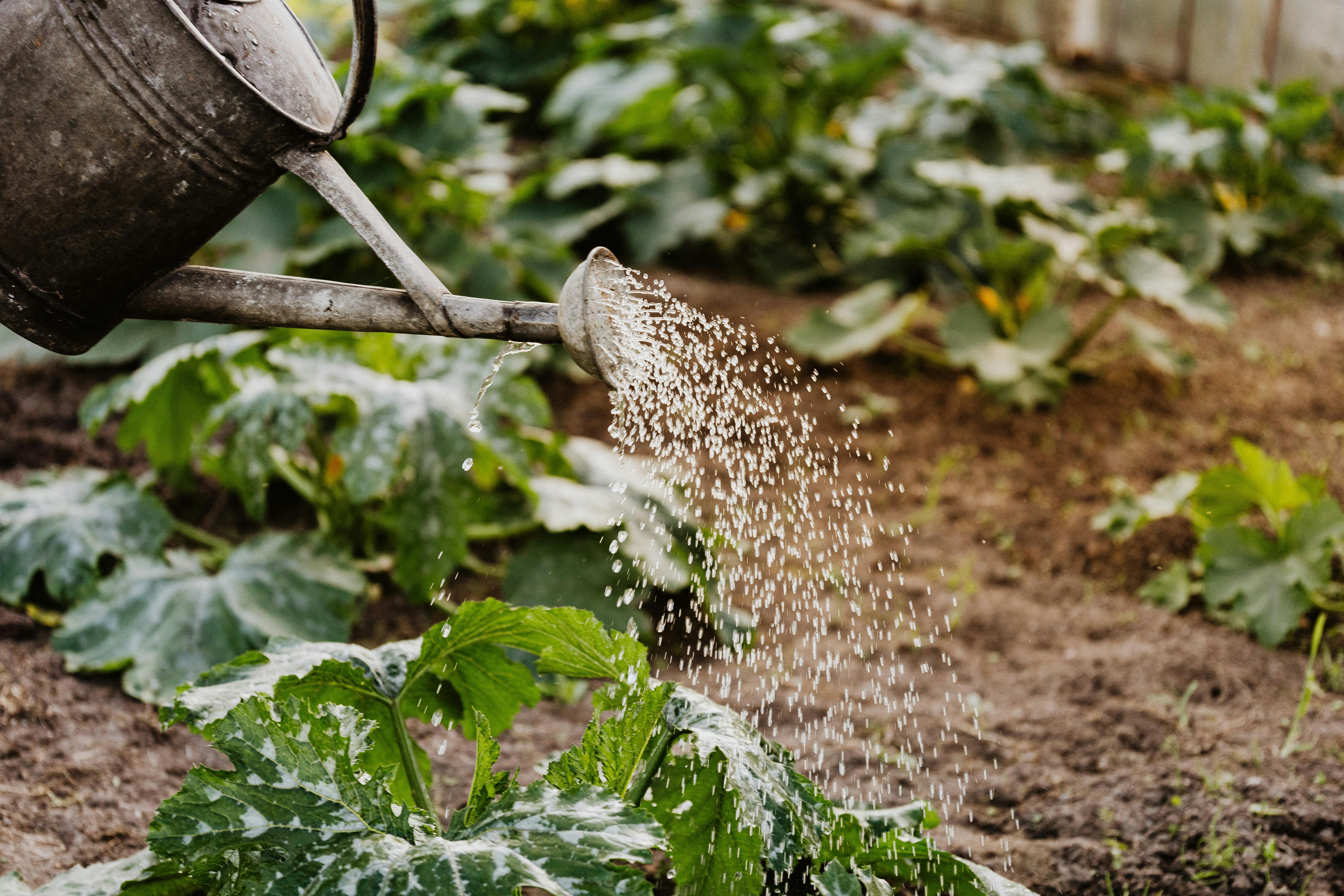
Optimizing high-pressure sprinklers in clay soils requires a keen understanding of both water dynamics and soil characteristics. Here are key insights and actionable strategies to ensure maximum water efficiency and crop health:
1. Precision in Spray Angles for Sloping Terrains
Many Kenyan farms, particularly in the Rift Valley, feature varied topographies with gentle to moderate slopes. Improper sprinkler angles can lead to excessive runoff, channeling water away from crops and causing soil erosion. For terrains with less than a 15% grade, adjusting spray angles to approximately 30° ensures that water is delivered at an optimal trajectory, allowing sufficient time for infiltration into the clay soil before significant runoff occurs. This targeted approach minimizes waste and maximizes water absorption where it's needed most.
- Actionable Step: Evaluate your farm's topography. For mild slopes, recalibrate your sprinkler heads to a lower angle setting (around 30°). This simple adjustment can drastically improve water distribution uniformity. For advanced control and precision, consider upgrading to a Hunter 12A Adjustable Irrigation Spray Nozzle, available on Amazon, designed for water-saving precision coverage.
2. The Mulch Advantage: Retaining Moisture Post-Sprinkling
Mulching is a game-changer for water conservation, especially in areas with high evaporation rates. After sprinkler irrigation, a layer of organic mulch acts as a protective barrier, significantly reducing direct evaporation from the soil surface. This means more water remains available in the root zone for longer periods, reducing the frequency of irrigation needed. Recent 2024 KALRO trials have unequivocally proven that using mulch can reduce water use by an impressive 22%, making it an indispensable practice for water-efficient farming.
- Actionable Step: After each significant sprinkler application, apply a generous layer of organic mulch (e.g., straw, wood chips, dry leaves, or crop residues) around your plants. For larger-scale operations or specific crop types, utilizing a Black Plastic Mulching Film can provide an effective barrier against evaporation and weed growth.
3. Strategic Scheduling: Early Morning Irrigation for Minimal Evaporation
The time of day you irrigate has a profound impact on water efficiency. Irrigating during the hottest parts of the day or when winds are strongest leads to substantial water loss through evaporation and wind drift. Jomo Kenyatta University field studies in 2025 further supported the efficacy of early morning irrigation. By watering when temperatures are cooler and winds are calmer, more water reaches the soil and has time to infiltrate before being lost to the atmosphere.
- Actionable Step: Set your irrigation schedule for early morning, typically between 5:00 AM and 8:00 AM. This practice aligns with natural environmental conditions that promote maximum water retention in the soil.
To further enhance these strategies and explore sustainable organic farming solutions with Biofarm Kenya, consider integrating smart technologies into your watering routine. These methods, when combined, create a powerful synergy for efficient water use.
Case Studies: Kenyan Farmers Leading the Way in Water Conservation
Across Kenya, innovative farmers are demonstrating that optimized sprinkler irrigation is not just theoretical but delivers tangible results. Consider the success story of Mama Zawadi, a smallholder farmer in Nakuru County's Rift Valley. Faced with the common challenges of clay soils and escalating water costs, she initially struggled with a high-maintenance drip system that frequently clogged. After attending a local agricultural workshop focusing on sprinkler optimization, Mama Zawadi implemented the recommended strategies. She adjusted her sprinkler spray angles, began systematic mulching with readily available crop residues, and shifted her irrigation schedule to early mornings. Within a single growing season, she reported a 25% reduction in her water bill and a noticeable improvement in crop vigor and yield uniformity across her maize and bean fields. Her farm now serves as a local demonstration site, inspiring neighbors to adopt similar practices.
Another compelling example comes from a collective of horticultural farmers in Limuru. Collaborating with local agricultural extension services, they transitioned from individual, unmanaged high-pressure sprinklers to a more coordinated, water-efficient system. By pooling resources, they invested in a professional assessment of their farm's topography and soil composition. This led to the installation of sprinklers with varying nozzle types and pressure regulators, carefully selected for different zones within their farms. They also integrated simple soil moisture sensors, allowing them to irrigate only when necessary, rather than on a fixed, often wasteful, schedule. This collective effort, supported by localized expertise, led to a 30% increase in water efficiency and enhanced crop quality, particularly for their lucrative passion fruit and vegetable exports.
These examples highlight the practical applicability and significant benefits of optimizing sprinkler systems. According to a report by the Food and Agriculture Organization (FAO) on water management in sub-Saharan Africa, localized and adaptable irrigation technologies, complemented by indigenous knowledge and modern best practices, are crucial for agricultural resilience and food security in regions like Kenya. The success stories of farmers like Mama Zawadi underscore the importance of disseminating practical, evidence-backed techniques that empower smallholder farmers to make the most of their precious water resources.
Common Mistakes to Avoid in Sprinkler Irrigation
While high-pressure sprinklers offer great potential for water savings in Kenya, several common mistakes can undermine their efficiency. Awareness and correction of these errors are paramount for sustainable farming.
Firstly, ignoring soil type and infiltration rates is a major pitfall. Clay soils, common in many Kenyan farming areas, have slower infiltration rates than sandy soils. Applying water too quickly or for too long on clay soil leads to excessive runoff and ponding, wasting water and potentially drowning roots. Always adjust application rates to match the soil’s absorption capacity.
Secondly, inconsistent or non-existent maintenance is a frequent issue. Clogged nozzles, worn seals, or damaged sprinkler heads can drastically reduce uniformity and increase water wastage. A poorly maintained system is an inefficient one. Regular inspection and prompt repairs are crucial to maintaining optimal performance. Consider having a KING 6-PC Sprinkler Repair Kit readily available for quick fixes.
Thirdly, blindly following a fixed irrigation schedule without considering actual crop needs or weather conditions is inefficient. Irrigating when the soil is already moist or immediately after rainfall wastes water and can lead to waterlogging and nutrient leaching. Conversely, waiting too long can stress crops. Employing simple tools like a 3-in-1 Soil pH, Moisture & Light Meter helps determine when irrigation is truly necessary.
Finally, neglecting wind conditions during irrigation can lead to significant water drift. Strong winds distort spray patterns, causing uneven distribution and considerable water loss to non-target areas. Whenever possible, avoid irrigating during windy periods to ensure water reaches your crops effectively.
Expert Tips & Best Practices for Sustainable Sprinkler Use
Leveraging high-pressure sprinklers for optimal water efficiency in Kenya involves a blend of smart technology, agronomic principles, and attentive management. Here are expert tips to elevate your irrigation strategy:
- Conduct Regular Soil Testing: Understand your soil's composition, pH, and nutrient levels. This knowledge informs not only your fertilization strategy but also the optimal water application rates and duration. For a quick and easy assessment, a Rapitest Soil Test Kit can provide valuable insights into your soil's health.
- Embrace Soil Moisture Monitoring: Instead of guessing, use soil moisture sensors to know precisely when and how much to irrigate. These devices provide real-time data on soil water content, preventing both over-watering and under-watering. Simple, affordable sensors can make a big difference in water savings.
- Select the Right Nozzles: Not all sprinkler nozzles are created equal. Choose nozzles designed for water efficiency, which often produce larger droplets less susceptible to wind drift and evaporation, especially crucial in Kenya's often breezy conditions. Consider adjustable nozzles that allow for customization of spray patterns and angles.
- Optimize Sprinkler Spacing: Proper spacing ensures uniform water distribution. Overlapping spray patterns correctly prevents dry spots and over-watered areas, leading to healthier crops and better water use. Consult manufacturer guidelines or local agricultural experts for recommended spacing based on your sprinkler type and pressure.
- Implement Rainwater Harvesting: Complement your sprinkler system with rainwater harvesting. Storing rainwater reduces your reliance on groundwater or municipal sources for irrigation, making your farm more resilient to droughts and lowering operational costs.
- Prioritize System Maintenance: Regularly check your sprinklers for leaks, clogs, or damaged parts. Even a small leak can waste significant amounts of water over time. Clean nozzles, replace worn seals, and ensure proper pressure for consistent performance.
By integrating these expert tips into your farming practices, you can maximize the efficiency of your high-pressure sprinklers, conserve water, and enhance your farm's productivity. For a deeper dive into sustainable practices and to explore sustainable organic farming solutions with Biofarm Kenya, visit our partner page.
Future Trends: Innovating for a Water-Secure Agricultural Tomorrow
The future of irrigation in Kenya is rapidly evolving, driven by the urgent need for water conservation and increased agricultural productivity. Emerging technologies promise to revolutionize how Kenyan smallholder farmers manage their water resources, making precision agriculture more accessible and impactful.
One significant trend is the rise of smart irrigation systems. These systems integrate various technologies, including weather stations, soil moisture sensors, and cloud-based platforms, to automatically adjust irrigation schedules based on real-time data. Farmers can monitor their fields remotely via smartphone apps, ensuring optimal water application without constant manual intervention. This level of precision minimizes water waste, prevents nutrient leaching, and ensures crops receive exactly what they need when they need it.
AI-driven crop monitoring is another transformative trend. Drones and satellite imagery, coupled with artificial intelligence, can analyze crop health, identify stress areas, and even predict yield. By understanding specific plant needs at a granular level, farmers can fine-tune their irrigation and fertilization strategies, leading to higher efficiency and better outcomes. This technology is becoming increasingly affordable and scalable for smaller farms.
Furthermore, innovations in vertical farming and hydroponics, while currently more capital-intensive, offer tantalizing prospects for water savings. These controlled environment agriculture (CEA) methods use significantly less water than traditional field farming, often recycling up to 90-95% of the water. As these technologies become more localized and adapted to Kenyan conditions, they could play a crucial role in urban farming and areas with severe water scarcity.
Finally, the development of more durable, lower-cost, and water-efficient sprinkler technologies specifically designed for varying soil types and smallholder needs will continue. Expect to see sprinklers with enhanced uniformity, greater resistance to clogging from local water sources, and easier maintenance, further solidifying their role as a practical irrigation solution for Kenyan farmers. These advancements promise a future where agriculture is both highly productive and profoundly sustainable.
Conclusion: Cultivating a Greener Future with Smart Sprinkler Choices
The journey towards sustainable agriculture in Kenya is paved with practical innovation and a deep understanding of local conditions. While the allure of high-tech drip irrigation systems often dominates discussions on water efficiency, the reality for many Kenyan smallholder farmers points to a different path. High-pressure sprinklers, when intelligently optimized, offer a robust, cost-effective, and highly efficient alternative, particularly in challenging clay soils. By embracing strategies such as precise spray angle adjustments, the judicious application of organic mulch, and strategic early morning irrigation, farmers can dramatically reduce water wastage, enhance soil health, and secure higher, more consistent yields.
The evidence from KALRO trials and Jomo Kenyatta University studies, coupled with inspiring local success stories, underscores the profound impact these practices can have. As we look to the future, the integration of smart technologies, ongoing research into climate-resilient farming, and a community-oriented approach will further empower Kenyan farmers to thrive amidst environmental challenges. It’s about making smart choices today for a greener, more food-secure tomorrow.
Discover trusted organic farming tools on Amazon and learn more about sustainable solutions with Biofarm Kenya.
FAQs: Your Questions on Sprinkler Optimization Answered
Q1: How can Kenyan farmers optimize sprinkler irrigation for water efficiency?
Kenyan farmers can optimize sprinkler irrigation by adjusting spray angles to suit terrain slopes (e.g., 30° for slopes under 15%), applying organic mulch to reduce evaporation, and scheduling irrigation for early morning hours to minimize water loss. Regular maintenance and using soil moisture meters are also crucial for targeted watering. Learn more about irrigation scheme efficiency in Kenya.
Q2: What are the benefits of using optimized sprinkler irrigation in Kenya?
Optimized sprinkler irrigation in Kenya offers numerous benefits, including significant water savings (up to 22% with mulching, per KALRO trials), improved crop yield uniformity, reduced labor costs compared to manual watering, and better adaptation to varied topographies and clay soil conditions where drip systems may struggle. It promotes sustainable resource management. Discover more benefits of sprinkler systems in Kenya.
Q3: What are common challenges with drip irrigation in Kenya that lead farmers to use sprinklers?
Many Kenyan farmers abandon drip irrigation due to persistent challenges like frequent clogging from unfiltered water sources, the high initial cost of installation, and expensive maintenance or replacement parts. Drip systems can also be less adaptable to certain clay soil types and undulating terrains, making high-pressure sprinklers a more practical and robust choice for many smallholder farms. Explore various irrigation systems used in Kenya.
Q4: How does soil type affect sprinkler efficiency, especially in clay soils?
Clay soils have a high water holding capacity but a slow infiltration rate. For optimal sprinkler efficiency in clay soils, it’s critical to apply water at a slower rate over a longer duration, or in multiple short bursts, to allow proper absorption and prevent runoff or waterlogging. Adjusting sprinkler angles and using mulch helps manage this. Refer to KALRO's research on land and water management for detailed insights.
Q5: What role does technology play in water-efficient agriculture in Kenya?
Technology plays a vital role through innovations like smart irrigation systems that use sensors and weather data to automate watering, AI-driven crop monitoring via drones for precise nutrient and water management, and even advancements in sprinkler nozzle design for better distribution. These tools help farmers make data-driven decisions for maximum water efficiency. Understand responsible water use practices in Kenyan agriculture with technology.
Q6: Are there government initiatives or organizations supporting efficient irrigation in Kenya?
Yes, the Kenyan government, through the Ministry of Agriculture and organizations like the Kenya Agricultural and Livestock Research Organization (KALRO), implements various initiatives to promote efficient irrigation and sustainable agricultural practices. They provide training, research, and support for farmers adopting water-saving technologies and techniques. Visit the Ministry of Agriculture, Livestock, Fisheries and Co-operatives website for more information.
External Authoritative Links:
- IEA Kenya - Improving Efficiency and Productivity of Kenya's Irrigation Schemes
- Irri-Hub - A Guide On How To Use Water Sprinkler Irrigation In Kenya
- The African Dreams - A Look into the Irrigation Systems in Use in Kenya
- KALRO - Land and Water Management Research
- Farmonaut Africa - Responsible Water Use in Agriculture Kenya
- Ministry of Agriculture, Livestock, Fisheries and Co-operatives, Kenya
Internal Biofarm Kenya Links:



0 Comments