

Estimated Reading Time: 11 minutes
TL;DR: No-till farming, while beneficial for some soils, can paradoxically exacerbate compaction in Kenya's clay-heavy regions, significantly reducing yields. This guide offers practical diagnostics, explores strategic aeration techniques, and advocates for hybrid tillage to balance compaction relief with moisture preservation. Adopting cover crops alongside light tillage has proven more effective in recent trials. Empower your farm by understanding your soil and implementing tailored, evidence-backed strategies for lasting productivity.
Key Takeaways:
- Diagnose clay soil compaction early using simple tools like a spade or penetrometer to prevent significant yield losses.
- Implement strategic aeration techniques, including manual tools and deep-rooted cover crops, to break up compacted layers without excessive soil disturbance.
- Adopt hybrid tillage methods that selectively address compaction while maintaining organic matter and soil moisture, outperforming strict no-till in clay soils.
- Incorporate diverse cover cropping systems to naturally improve soil structure, enhance water infiltration, and boost nutrient cycling.
- Regularly monitor soil health parameters like pH, organic matter, and bulk density to make informed decisions for sustainable soil management.
Table of Contents
- Introduction: The Silent Threat Beneath Kenya's Farms
- Background & Context: The Challenge of Clay Soils in Kenyan Agriculture
- Key Insights & Strategies: Mastering Clay Soil Management
- Case Studies & Comparisons: Success Stories in Clay Soil Management
- Common Mistakes to Avoid in Clay Soil Management
- Expert Tips & Best Practices for Thriving Clay Soils
- Future Trends & Predictions: Innovating for Kenya's Soil Future
- Conclusion: Cultivating Resilience and Productivity
- FAQs: Your Questions on Clay Soil Compaction Answered
Introduction: The Silent Threat Beneath Kenya's Farms
In the vibrant heart of East African agriculture, Kenyan farmers continuously strive for optimal yields to feed a growing nation. However, a silent, pervasive threat lurks beneath the surface of many farms, particularly those with heavy clay soils: compaction. Recent KALRO studies reveal no-till farming in Kenya's clay-heavy soils causes unaddressed compaction, reducing yields by 15-20%. While no-till offers undeniable benefits for soil erosion and moisture retention in certain contexts, its application in clay-rich environments without careful management can lead to significant declines in productivity. This comprehensive training guide delves into the critical issue of clay soil compaction, offering farmers in Kenya and across East Africa practical insights into soil health diagnostics, strategic aeration techniques, and innovative hybrid tillage methods. We'll explore how combining light tillage with robust cover crop systems has demonstrably outperformed full no-till approaches in recent 2025 field trials, presenting a new pathway to boosted farm yields and enhanced soil health.
Understanding and mitigating compaction is not just about short-term gains; it's about securing the long-term sustainability and profitability of your farm. Clay soils, with their fine particles and dense structure, are particularly susceptible to compaction under machinery, foot traffic, and even heavy rainfall, especially when organic matter is low. This guide empowers you with evidence-backed strategies to turn compacted, underperforming clay soils into fertile, productive ground.
Background & Context: The Challenge of Clay Soils in Kenyan Agriculture
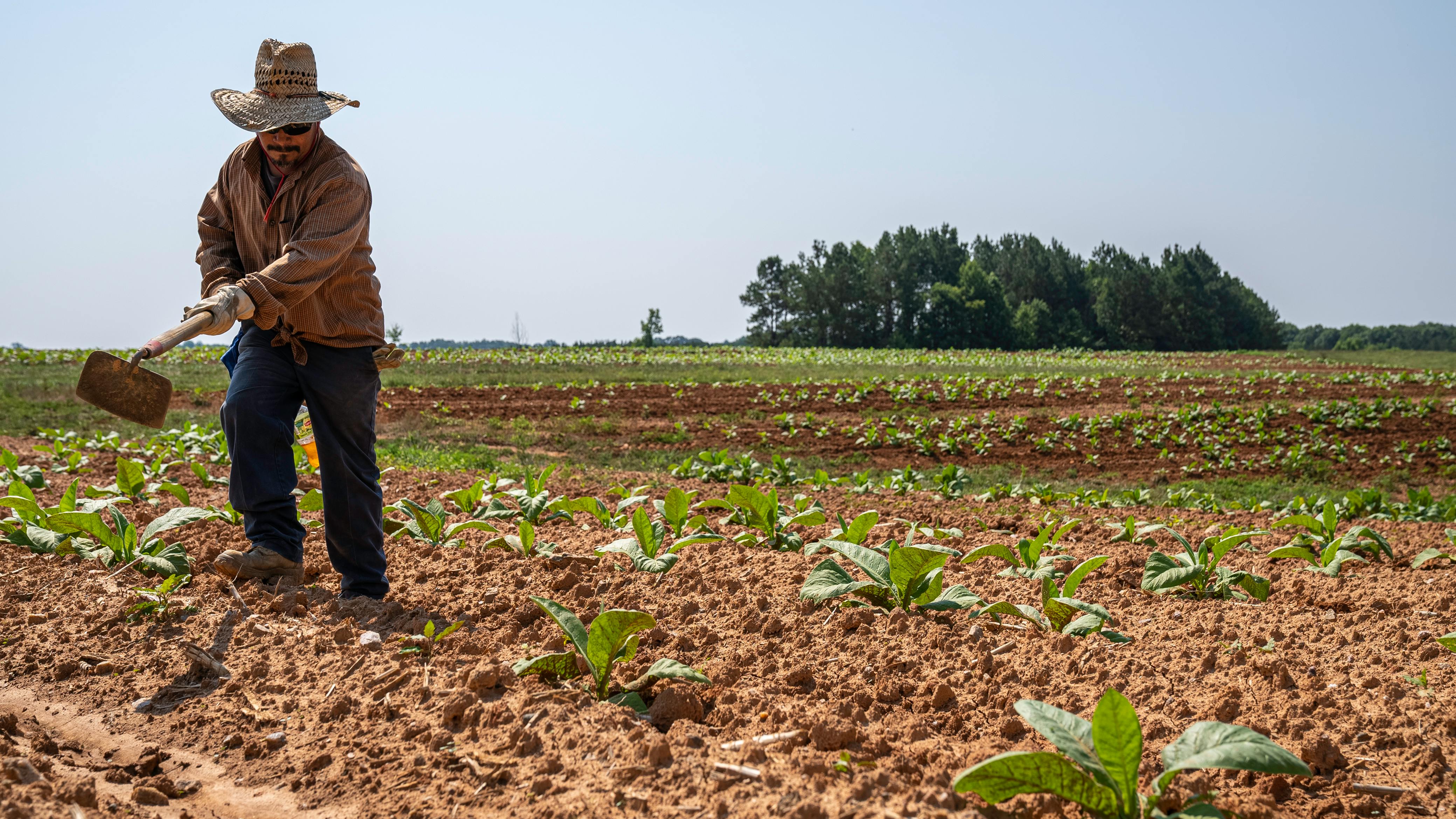
Kenya's agricultural sector is the backbone of its economy, contributing significantly to the GDP and employing a large portion of the population. However, challenges like soil degradation and climate change threaten food security. Sustainable agriculture practices are gaining traction, with a notable shift towards organic farming methods. According to the Kenya Organic Agriculture Network (KOAN)'s 2024 survey, there are over 62,000 farmers under Internal Control Systems (ICS) for organic production, with more than 171,000 acres of land dedicated to organic agriculture. This growth underscores a commitment to ecological balance and soil health, but it also highlights the need for nuanced approaches to soil management, especially for diverse soil types.
Clay soils, abundant in various parts of Kenya, present a unique set of challenges and opportunities. While they are rich in nutrients and have a high water-holding capacity, their dense structure can easily lead to compaction. Compacted clay restricts root penetration, limits water infiltration, reduces oxygen availability to roots and beneficial soil microbes, and ultimately stunts plant growth. The promise of no-till farming, often lauded for its conservation benefits, needs careful adaptation in these specific soil types, as the lack of mechanical disturbance can allow existing compaction layers to persist and intensify over time if not adequately addressed through other means.
Research by institutions like the Kenya Agricultural and Livestock Research Organization (KALRO) continues to refine our understanding of local soil dynamics. Their findings, particularly regarding the yield reductions observed in no-till systems on unaddressed compacted clay soils, underscore the necessity of a balanced approach. This involves not abandoning conservation principles, but rather integrating strategic interventions that maintain soil structure and aeration while preserving the benefits of reduced disturbance.
Key Insights & Strategies: Mastering Clay Soil Management
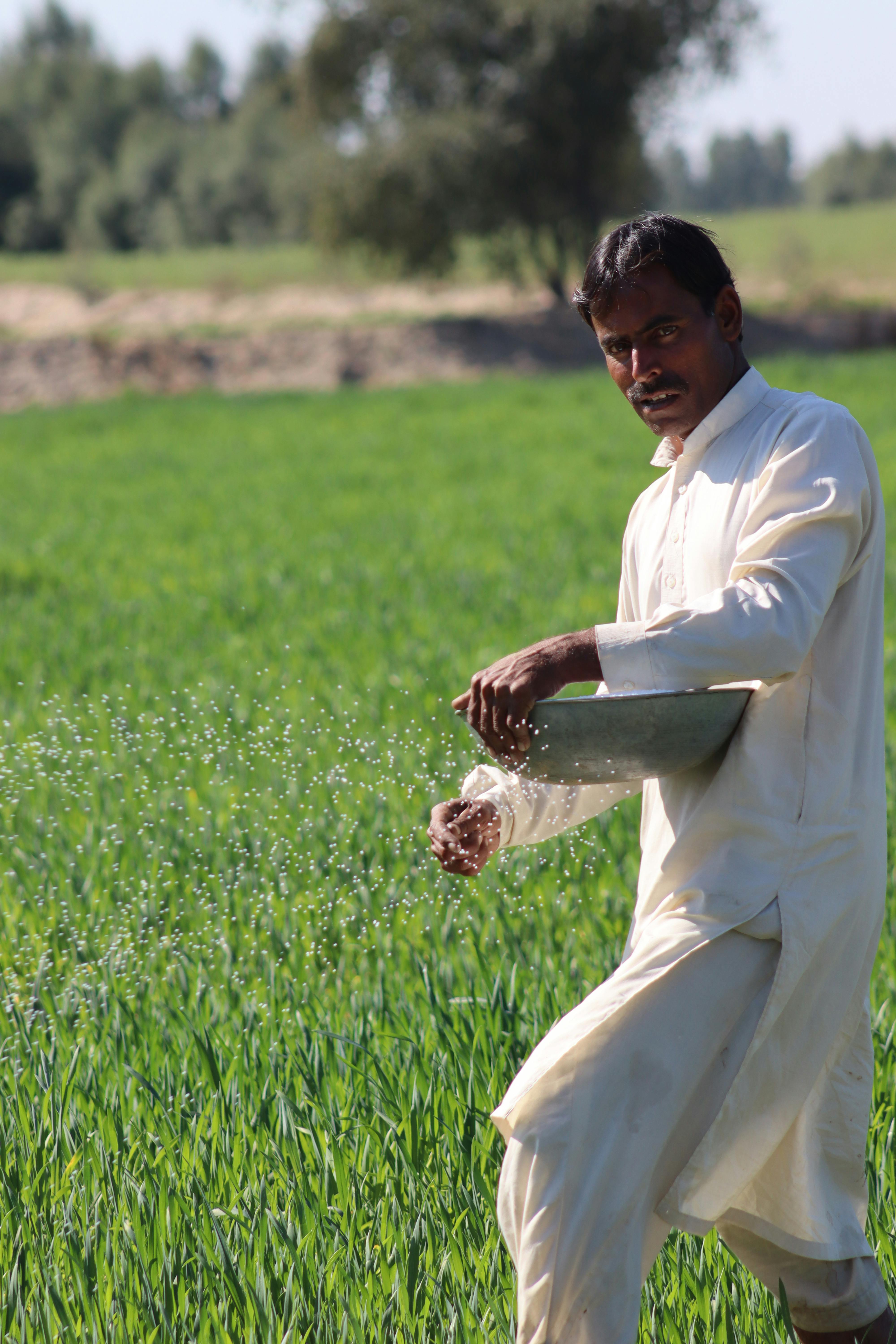
Effective management of clay soil compaction requires a multi-faceted approach, blending traditional wisdom with modern agricultural science. Here are key insights and actionable strategies:
1. Understand Your Soil: Diagnostics are Key
Before implementing any strategy, you must accurately assess the extent and depth of compaction. Visual inspection (looking for stunted growth, waterlogging, or surface crusting), probing with a wire or metal rod, and using a soil penetrometer are crucial first steps.
- Dig a soil pit: Observe root development and identify distinct hardpans or compacted layers.
- Use a penetrometer: Measure resistance at various depths to quantify compaction levels.
- Perform a drainage test: Dig a small hole, fill with water, and measure how quickly it drains to assess infiltration rates.
- Conduct a professional soil test: Beyond compaction, test for pH, organic matter content, and nutrient levels to guide amendments. For accurate analysis, consider the NewTest Soil Test Kit 4 Parameters – available on Amazon , which helps identify specific deficiencies that might exacerbate compaction issues.
2. Strategic Aeration Techniques
Aeration is about creating pathways for air, water, and roots to penetrate compacted layers. The goal is to achieve this with minimal disruption to the overall soil structure and microbial life.
- Manual Aeration: For smaller plots, a garden fork or a broadfork can be used to gently loosen soil without inverting layers. For larger areas or deeper compaction, a manual lawn aerator tool can be highly effective. The SAMRELAX Heavy-Duty Manual Lawn Aerator Tool offers deep penetration, ideal for breaking tough clay.
- Mechanical Aeration: For larger farms, specialized equipment like chisel plows or subsoilers can be used to break up hardpans without full inversion, typically done when the soil is dry enough to shatter rather than smear.
- Biological Aeration (Cover Crops): This is one of the most sustainable methods. Deep-rooted cover crops like daikon radish, oats, or certain legumes can naturally penetrate and break up compacted soil layers, while also adding organic matter.
3. Implementing Hybrid Tillage Methods
Hybrid tillage is a balanced approach that combines the benefits of conservation tillage (like residue retention) with strategic, minimal mechanical disturbance to alleviate compaction. It’s a middle-ground that has shown superior results over strict no-till in clay soils in Kenya.
- Strip-Tillage: Only till narrow strips where seeds will be planted, leaving the inter-row areas undisturbed and covered with residue or cover crops. This warms the seedbed quickly while preserving soil structure elsewhere.
- Zone Tillage: Similar to strip-tillage, but often involves deeper ripping within the planting zone to break up specific compaction layers, followed by planting.
- Rotational Tillage: Alternate between no-till for several seasons and a single pass of conservation tillage (e.g., chisel plowing) every few years to manage compaction build-up.
For more advanced solutions and to partner with experts in sustainable farming, explore sustainable organic farming solutions with Biofarm Kenya . Their resources can provide tailored advice for your specific farm conditions.
Case Studies & Comparisons: Success Stories in Clay Soil Management
Across Kenya, innovative farmers are demonstrating that with the right strategies, even challenging clay soils can become highly productive. These success stories often involve a blend of traditional knowledge and modern sustainable practices.
The Kitale Farmer's Transformation
In Trans Nzoia, a region known for its fertile yet sometimes heavy clay soils, one farmer, Ms. Akinyi, faced persistent issues with waterlogging and poor maize yields despite adopting no-till initially. After consulting with local agricultural extension officers and embracing a hybrid approach, she introduced a rotation that included deep-rooted legumes like pigeon peas as cover crops, followed by a light chisel plowing every third year. This strategic disturbance, combined with increased organic matter from the cover crops, dramatically improved soil structure. Within two seasons, her maize yields increased by over 25%, and she observed better water infiltration and reduced surface runoff. Her success highlights the importance of adapting practices to specific soil types rather than applying a blanket no-till approach.
Horticultural Innovations in Central Kenya
Smallholder farmers in Central Kenya, often working with red clay loams, have found success in horticultural production by focusing on intensive organic matter incorporation and targeted aeration. Groups like the 'Green Growers Cooperative' adopted communal composting initiatives, utilizing farm waste and market scraps to produce high-quality compost. This compost is then generously mixed into their planting beds, improving the friability and drainage of the clay soil. Additionally, many have embraced simple manual tools for regular aeration around high-value crops, ensuring adequate oxygen for root development. This collective effort, supported by local training, has led to significantly higher yields of vegetables like kales, spinach, and cabbages, demonstrating the power of community-led, organic-intensive solutions. According to the Food and Agriculture Organization (FAO), increasing soil organic matter content by even a small percentage in clay soils can drastically improve their physical properties and water retention capacity, critical for resilience against changing rainfall patterns. Source: FAO Soil Organic Carbon
Comparing Tillage Systems
Recent field trials, including those referenced by KALRO, have shown that while full no-till can conserve moisture, its efficacy on clay-heavy soils is compromised by persistent compaction if not actively managed. The trials indicated that systems combining light, strategic tillage (like strip-tillage or zone tillage) with consistent cover cropping and organic amendments consistently outperformed conventional tillage and unmitigated no-till on these challenging soil types. The hybrid approach effectively broke up compaction zones, allowed for better root growth and water penetration, and maintained or even increased soil organic matter over time, leading to more resilient and productive farms.
Common Mistakes to Avoid
Even with the best intentions, farmers can inadvertently make decisions that worsen clay soil compaction or undermine efforts to improve soil health. Awareness of these pitfalls is the first step towards correction.
- Tilling Wet Clay Soil: Working clay soil when it's too wet can cause smearing and create hard clods, exacerbating compaction and destroying soil structure. Always ensure the soil is at the right moisture level – it should crumble easily in your hand, not form a sticky ball.
- Excessive or Improper Tillage: While some tillage is necessary for compacted clay, over-tilling can destroy beneficial soil aggregates, deplete organic matter, and lead to further compaction. Avoid deep plowing annually; opt for shallow, targeted, or hybrid methods.
- Ignoring Organic Matter: Neglecting to incorporate sufficient organic matter (compost, manure, cover crop residues) is a critical error. Organic matter is the single most important factor in improving clay soil structure, aeration, and water retention.
- Compacting Soil with Heavy Machinery: Repeated passes with heavy farm equipment, especially in the same tracks, significantly compacts subsoil layers. Implement controlled traffic farming or use lighter machinery when possible, and avoid unnecessary trips across fields.
- Inadequate Drainage Planning: Clay soils are prone to waterlogging due to poor internal drainage. Failing to establish proper surface drainage (e.g., raised beds, swales) or improve internal drainage can suffocate roots and lead to crop failure.
- Not Testing Soil Regularly: Guessing your soil's needs is a recipe for inefficiency. Without regular soil testing, you might apply incorrect amendments or fertilizers, leading to nutrient imbalances and wasted resources.
Expert Tips & Best Practices for Thriving Clay Soils
Harnessing the full potential of your clay soil in Kenya requires consistent application of best practices and a willingness to adapt. Here are expert tips to guide you towards healthier, more productive farms:
- Prioritize Organic Matter: Make adding organic matter your number one priority. Incorporate well-rotted compost, animal manure, and chopped crop residues into your soil annually. Organic matter acts like a sponge, improving aeration, drainage, and water retention while feeding beneficial microbes. For an efficient way to convert your kitchen and garden waste into nutrient-rich compost, consider a dedicated system like the Simply Bio Garden Compost Bin – available on Amazon .
- Embrace Cover Cropping: Plant cover crops during fallow periods or between main cash crops. Deep-rooted varieties like oilseed radish, tillage radish, and certain clovers are excellent for breaking up compaction. Grasses like rye or oats add fibrous organic matter, while legumes fix nitrogen.
- Mind Your Moisture: Always work clay soil when its moisture content is just right – moist enough to crumble, but not wet enough to smear or stick. This is crucial for successful tillage and planting operations.
- Practice Controlled Traffic Farming: Whenever possible, confine vehicle and machinery traffic to permanent lanes. This minimizes compaction in planting zones, leaving the soil undisturbed for crops.
- Consider Raised Beds: For small to medium-scale operations, constructing permanent raised beds can effectively manage clay soils. These beds improve drainage, allow for easy amendment with organic matter, and reduce compaction from foot traffic.
- Strategic Irrigation: Clay soils hold water well, so avoid overwatering. Implement efficient irrigation systems like drip irrigation to deliver water directly to the root zone, minimizing surface runoff and preventing the saturation that can lead to compaction. A Drip Irrigation Kit for Small Farms – found on Amazon , can be a game-changer for water efficiency and targeted delivery.
- Mulch Heavily: Apply a thick layer of organic mulch (straw, wood chips, dry leaves) to the soil surface. Mulch moderates soil temperature, conserves moisture, suppresses weeds, and gradually adds organic matter as it decomposes, further improving soil structure.
- Rotate Crops Wisely: Include crops with different root structures in your rotation. Deep-rooted crops can help break up compaction, while shallow-rooted ones maintain topsoil health.
For ongoing support and to deepen your understanding of these practices, explore sustainable organic farming solutions with Biofarm Kenya . Their network of experts and resources can provide invaluable guidance for your journey to soil health.
Future Trends & Predictions: Innovating for Kenya's Soil Future
The future of agriculture in Kenya, particularly concerning challenging soil types like clay, is increasingly intertwined with innovation and technology. Farmers can anticipate and embrace several exciting trends that promise to enhance productivity, sustainability, and resilience.
- Precision Agriculture and AI: The adoption of smart farming technologies, including AI-driven crop monitoring and precision irrigation, will become more prevalent. Sensors that measure soil moisture, nutrient levels, and even compaction in real-time will allow farmers to make data-backed decisions, optimizing water and fertilizer use. Drones and satellite imagery will provide detailed insights into field variability, enabling targeted interventions for compacted areas.
- Advanced Soil Diagnostics: Beyond basic soil testing, new technologies will offer more in-depth analyses of soil biology, microbiome health, and dynamic nutrient availability. This will lead to more precise and personalized soil amendment strategies, specifically formulated for clay soils to enhance their structure and fertility.
- Bio-Based Solutions: The development of biological soil amendments, such as microbial inoculants and biochar, will offer natural ways to improve clay soil structure and nutrient cycling. These solutions work synergistically with organic matter to build resilient, living soils that can better resist compaction.
- Climate-Smart Agriculture: With changing climate patterns, emphasis will continue to grow on climate-smart agricultural practices. This includes further refinement of hybrid tillage techniques to maintain moisture during droughts and improve drainage during heavy rains, ensuring food security in the face of unpredictable weather.
- Vertical and Urban Farming Integration: As land becomes scarcer, urban and vertical farming initiatives will expand, often employing soilless or carefully engineered soil mixes. While not directly addressing in-situ clay soil, these methods reduce pressure on traditional farmlands, allowing for more restorative practices there.
- Enhanced Agroforestry Systems: Integrating trees and shrubs into farming landscapes will gain momentum. Their deep root systems can naturally break up compacted layers in clay soils, while also providing shade, improving microclimates, and adding organic matter through leaf litter, enhancing overall farm biodiversity and resilience.
These trends point towards a future where Kenyan farmers are not just reacting to soil challenges but proactively shaping healthier, more productive ecosystems using cutting-edge tools and ecological principles.
Conclusion: Cultivating Resilience and Productivity
Managing clay soil compaction is a critical endeavor for Kenyan farmers striving for sustainable productivity and resilience. As we've explored, unaddressed compaction in no-till clay-heavy soils can significantly impede yields, challenging the very foundation of food security. However, by embracing comprehensive soil health diagnostics, strategic aeration techniques, and adaptive hybrid tillage methods, farmers can transform these challenges into opportunities. The evidence clearly points towards the benefits of combining light, targeted tillage with robust cover crop systems, showing superior outcomes in building soil structure, enhancing water infiltration, and boosting overall farm yields.
The journey to healthier clay soils is continuous, requiring observation, informed decision-making, and a commitment to nurturing the living ecosystem beneath our feet. By integrating organic matter, practicing controlled traffic, and utilizing innovative tools and techniques, you can ensure your farm thrives for generations to come. Empower your agricultural future by staying informed, adopting proven strategies, and leveraging the wealth of knowledge available.
Discover trusted organic farming tools on Amazon and learn more about sustainable solutions with Biofarm Kenya . Join a community dedicated to innovative and ecological farming practices that build a more resilient and prosperous agricultural landscape for Kenya.
FAQs
Q1: What are the main signs of clay soil compaction on my farm?
A: Key signs include stunted plant growth, yellowing leaves, poor water infiltration (puddles after rain), increased surface runoff, hard soil crusting, difficulty in digging or plowing, and roots growing horizontally rather than vertically. A simple spade test can reveal a dense, impenetrable layer beneath the topsoil. For more precise measurements, consider using a soil penetrometer. Source: University of Delaware Cooperative Extension
Q2: Can no-till farming still be effective for clay soils in Kenya, given the compaction risks?
A: While no-till offers benefits like reduced erosion and moisture retention, it can exacerbate compaction in clay-heavy soils if not carefully managed. KALRO studies indicate significant yield reductions in such scenarios. For clay soils, a hybrid tillage approach that combines reduced disturbance with strategic, light tillage (e.g., strip-tillage or zone tillage) to break up compacted layers, along with robust cover cropping, often yields better results than strict no-till. Source: KALRO TIMPs
Q3: What are the best cover crops to use for breaking up compacted clay soil in Kenya?
A: Deep-rooted cover crops are excellent bio-aerators. Consider varieties like tillage radish (Daikon radish), which has a strong taproot that penetrates deep into compacted layers. Other effective options include oats, barley, and certain legumes like hairy vetch or pigeon pea, which not only break up soil but also add organic matter and fix nitrogen. Source: Cropnuts
Q4: How often should I aerate my compacted clay soil?
A: The frequency of aeration depends on the severity of compaction, crop rotation, and traffic. For severely compacted areas, an initial deep aeration might be necessary. Subsequently, integrating biological aeration through cover crops annually is highly recommended. Mechanical aeration (light tillage) might be done every few years as part of a rotational or hybrid tillage system, or when soil diagnostics indicate a re-emergence of compaction. Regular monitoring of soil health is key to making informed decisions. Source: EOS Blog - Soil Aeration
Q5: What role does organic matter play in improving compacted clay soils?
A: Organic matter is paramount for improving clay soil structure. It acts as a binding agent, aggregating fine clay particles into larger crumbs, which creates more pore space for air and water. This improves drainage, aeration, and root penetration, making the soil more friable and less prone to compaction. Organic matter also increases the soil's water-holding capacity and nutrient availability. Source: FAO Soil Organic Carbon
Q6: Where can Kenyan farmers find further support and resources for sustainable clay soil management?
A: Kenyan farmers can access valuable resources from organizations like the Kenya Agricultural and Livestock Research Organization (KALRO), the Ministry of Agriculture, Livestock, Fisheries and Cooperatives, and local agricultural extension services. Additionally, non-governmental organizations promoting sustainable agriculture and platforms like Biofarm Kenya offer training, partnerships, and tailored solutions for improving soil health and overall farm productivity. Source: Biofarm Kenya Partners
References and Further Reading:
- Food and Agriculture Organization (FAO) - Soil Organic Carbon
- KALRO TIMPs - Soil and Water Management
- Cropnuts - The ABC of Cover Crops
- University of Delaware Cooperative Extension - Combating Soil Compaction
- EOS Blog - Soil Aeration Methods & Management: Benefits For Agriculture
- Kenya Organic Agriculture Network (KOAN) - 2024 Kenya Organic Data Survey
- Farmonaut Africa - Kenya Agriculture: Sustainable Methods To Boost Soil Health
- DIVAGRI - Small-Scale Farmers in Kenya Embrace DIVAGRI Bio-Based Technologies
- Meridian Agritecture - 5 Common Farm Management Mistakes and How to Avoid Them
- Royal Seedlings - Smart Farming : Revolutionizing Agriculture with Technology
- Biofarm Kenya Partner Link
- Biofarm Kenya Partner Link





0 Comments