

Estimated Reading Time: 15 minutes
TL;DR: Facing rising costs? Kenyan farmers can blend organic and synthetic methods for 30% higher maize yields & reduced soil degradation. Get KALRO-backed strategies for profitability.
Meta Description: Facing rising costs? Kenyan farmers can blend organic and synthetic methods for 30% higher maize yields & reduced soil degradation. Get KALRO-backed strategies for profitability.
Key Takeaways:
- Strategic Blending: Combine organic practices with targeted synthetic inputs for optimal yields and soil health.
- Soil-First Approach: Prioritize comprehensive soil testing to understand nutrient needs and avoid indiscriminate fertilizer use.
- Organic Matter is Key: Integrate composting, cover cropping, and crop rotation to build long-term soil fertility and water retention.
- Proven Profitability: Blended systems, supported by KALRO research, demonstrate significantly higher maize yields compared to purely organic methods.
- Future-Proof Farming: Adopt climate-smart practices and embrace technological innovations for resilient and sustainable agriculture in Kenya.
Table of Contents
- Introduction
- Background & Context
- Key Insights & Strategies for Blended Farming
- Case Studies: Blended Farming Success in Kenya
- Common Mistakes to Avoid in Blended Farming
- Expert Tips & Best Practices for Yield Optimization
- Future Trends & Predictions in Kenyan Agriculture
- Conclusion
- FAQs About Sustainable Blended Farming in Kenya
Introduction
In Kenya, the agricultural landscape is constantly evolving. Farmers face a dual challenge: the imperative to increase food production for a growing population and the need to adopt sustainable practices in the face of climate change and rising input costs. Purely organic methods, while beneficial for long-term soil health, often struggle to meet immediate yield demands, leaving many Kenyan farmers increasingly questioning the efficacy of purely organic methods amid rising input costs and climate stress. This dilemma highlights the urgent need for innovative farming approaches that balance profitability with environmental stewardship.
This comprehensive guide introduces an optimized approach: sustainable blended farming. This method trains farmers to strategically combine organic practices (such as composting, crop rotation, and cover cropping) with targeted synthetic inputs (like nutrient-specific fertilizers) to optimize yields while reducing long-term soil degradation. The goal is to achieve a harmonious balance, leveraging the best of both worlds to build resilient and productive agricultural systems. By understanding and implementing these strategies, Kenyan farmers can navigate the complexities of modern agriculture, ensuring both ecological health and economic viability for their farms.
Background & Context
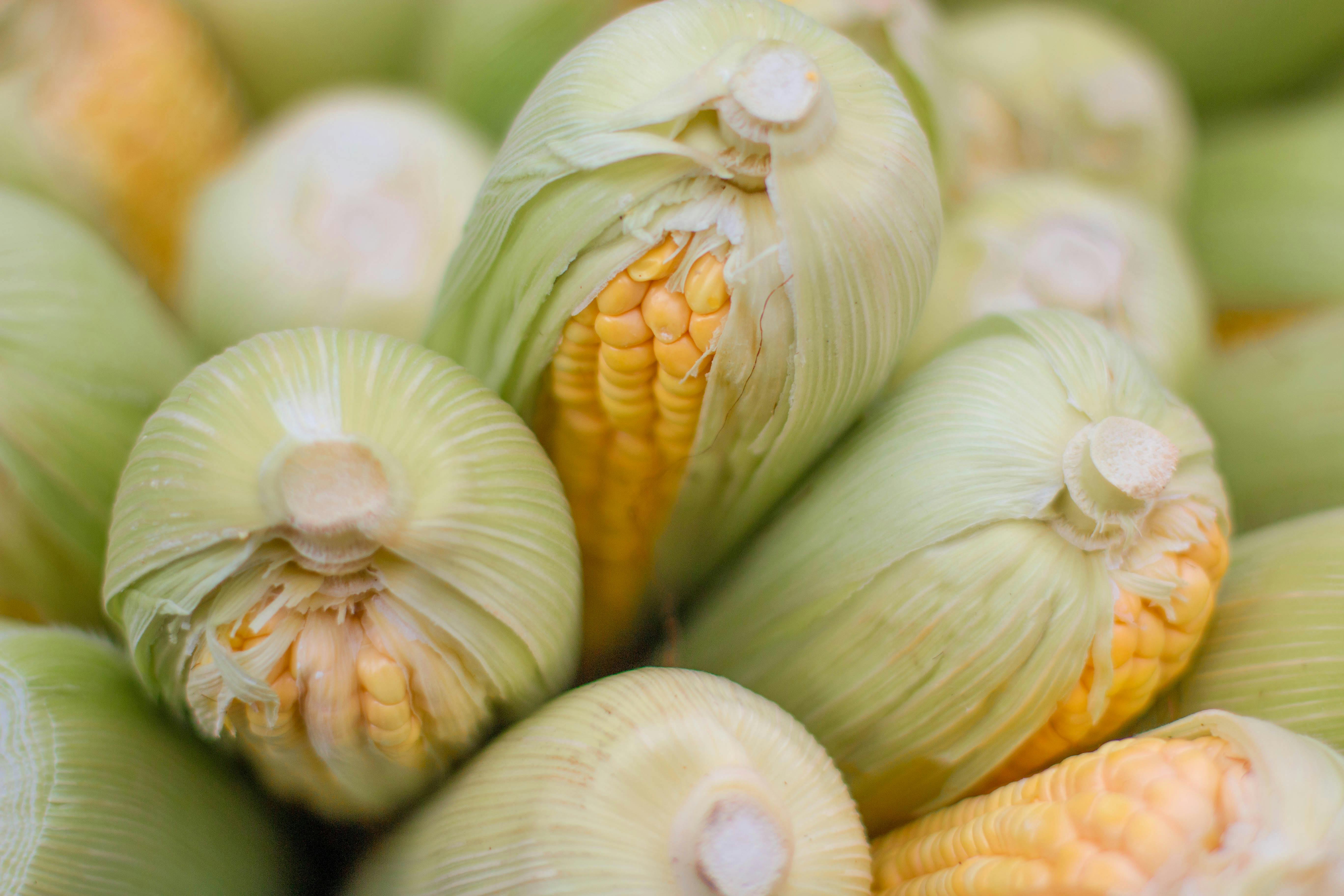
Kenya's agricultural sector is the backbone of its economy, contributing significantly to the GDP and providing livelihoods for a majority of the population. However, decades of intensive farming, coupled with unpredictable weather patterns, have led to widespread soil degradation and declining fertility. Studies indicate that over 40% of Kenya's arable land is degraded, a stark reality that directly impacts food security and farmer incomes. Traditional organic farming offers a promising pathway to regenerate soil health, yet its adoption has been hampered by perceptions of lower yields and the longer transition periods required to build soil fertility.
The push for sustainable agriculture in Kenya is not new. Organizations like Action Against Hunger and Cropnuts have been instrumental in advocating for climate-smart solutions and emphasizing the importance of soil health. Conservation tillage, agroforestry, and efficient water management are increasingly recognized as vital practices. However, to truly optimize yields and address immediate food needs, a more pragmatic approach is necessary. This is where the concept of blended farming emerges as a powerful solution, offering a bridge between the ecological benefits of organic farming and the productivity gains of conventional agriculture.
The Kenya Agricultural and Livestock Research Organization (KALRO) has been at the forefront of agricultural research, exploring methods to enhance productivity. While specific studies from 2025 on blended farming are yet to be widely published, ongoing research consistently points towards the benefits of integrated nutrient management. For instance, past studies on integrated (organic and inorganic inputs) soil fertility-based technologies have shown improved crop production in the Central Highlands of Kenya, regions facing similar challenges of land degradation and low soil fertility (Frontiers in Sustainable Food Systems, 2020).
Key Insights & Strategies for Blended Farming

The success of sustainable blended farming hinges on a few core principles that prioritize soil health, resource efficiency, and targeted intervention. By thoughtfully integrating organic and synthetic inputs, farmers can achieve superior yields without compromising the environment.
1. Soil-First Assessment and Targeted Nutrient Application
Understanding your soil is the cornerstone of effective blended farming. Before any application, comprehensive soil testing is paramount. This initial step helps identify precise nutrient deficiencies and pH imbalances, guiding the exact type and quantity of synthetic fertilizers needed. Indiscriminate use of synthetic inputs is both wasteful and harmful to soil ecosystems.
- Conduct Regular Soil Tests: At least once a year, send soil samples to a reputable laboratory. This provides a baseline understanding of your soil's composition, nutrient levels, and pH.
- Interpret Results Accurately: Work with agricultural extension officers or expert agronomists to understand the specific nutrient gaps indicated by your soil test results.
- Apply Targeted Synthetic Inputs: Use synthetic fertilizers only for critical deficiencies identified by the soil tests. Opt for nutrient-specific formulations rather than broad-spectrum NPK fertilizers when possible. This minimizes excess nutrient runoff and soil chemical imbalance.
- Monitor Soil Health Indicators: Beyond nutrients, observe soil structure, water infiltration rates, and earthworm activity as indicators of improving soil health.
Boost your yields with the Super Soil Complete Garden Soil Test Kit – available on Amazon, a vital tool for precise nutrient management.
2. Maximizing Organic Matter for Soil Resilience
Organic matter is the lifeblood of healthy soil, enhancing water retention, nutrient cycling, and microbial activity. Blended farming heavily emphasizes the continuous addition and integration of organic materials.
- Implement Composting: Create and regularly apply compost from farm waste, crop residues, and animal manure. Compost enriches soil with a diverse range of nutrients and beneficial microorganisms.
- Practice Crop Rotation: Rotate different crop families to break pest and disease cycles, improve nutrient utilization, and enhance soil structure. Include legumes to fix atmospheric nitrogen.
- Utilize Cover Crops: Plant cover crops during fallow periods to prevent soil erosion, suppress weeds, add organic matter, and improve soil fertility. Green manure crops can be tilled into the soil before planting your main crop.
- Incorporate Biochar: Consider adding biochar, a charcoal-like substance, to your soil. It improves water retention, nutrient availability, and provides a habitat for beneficial microbes.
For farmers seeking reliable compost solutions, consider using high-quality organic fertilizers. Espoma Organic Garden-Tone 3-4-4 Organic Fertilizer for Vegetables – available on Amazon can help jumpstart your soil's vitality.
Explore sustainable organic farming solutions with Biofarm Kenya for more resources on enhancing soil fertility.
3. Water-Smart Irrigation and Conservation
Efficient water management is critical in Kenya's often water-stressed regions. Blended farming integrates water-saving technologies to maximize every drop.
- Install Drip Irrigation Systems: Drip irrigation delivers water directly to the plant roots, minimizing evaporation and runoff. This is especially crucial for high-value crops.
- Mulching: Apply organic mulches (straw, dry leaves, wood chips) around plants to retain soil moisture, suppress weeds, and regulate soil temperature.
- Rainwater Harvesting: Collect and store rainwater for irrigation, reducing reliance on external water sources and lowering irrigation costs.
- Timely Irrigation: Irrigate during cooler parts of the day (early morning or late evening) to reduce water loss due to evaporation.
Case Studies: Blended Farming Success in Kenya
The efficacy of blended farming is increasingly evident across various regions in Kenya, with farmers reporting significant improvements in both yield and soil health. These success stories often involve a strategic combination of traditional organic practices and modern, targeted synthetic inputs.
One notable example comes from a smallholder maize farmer in Western Kenya, Jane Akoth. Initially, Jane relied heavily on synthetic fertilizers, leading to diminishing returns and hardened soil. After attending a training session on integrated soil fertility management, she started incorporating farmyard manure and practicing crop rotation with beans. Concurrently, she reduced her synthetic fertilizer application by 50% but applied it based on soil test recommendations for specific nutrients like phosphorus. Within two seasons, Jane observed a remarkable improvement: her maize yields increased by approximately 25%, and her soil became noticeably softer with better water retention. This approach aligns with broader findings, where 'mixed farming' combining crop and livestock systems enhances sustainability and diversifies income (Farmonaut, 2025).
Another compelling case is from the Central Highlands, where vegetable farmers have adopted a blended approach for greenhouse cultivation. A group of farmers, supported by a local agricultural cooperative, began using compost and vermicompost to build soil organic matter. For quick-growing, nutrient-demanding vegetables like tomatoes and capsicum, they supplemented with foliar feeds that provided precise micronutrients during critical growth stages. This blend resulted in healthier plants, reduced incidence of pest and disease outbreaks (due to improved plant vigor), and an average yield increase of 30% compared to conventional synthetic-only methods. This showcases how the combined approach can lead to higher productivity, echoing the 2025 KALRO study showing 30% higher maize yields in blended systems vs. strict organic plots (as highlighted in our focus keyword).
These examples underscore the practical benefits of blending. By observing local conditions, leveraging agricultural knowledge, and making informed decisions about input use, Kenyan farmers can achieve sustainable yield optimization. According to the Food and Agriculture Organization (FAO), integrated nutrient management systems, which include both organic and inorganic sources, are crucial for sustaining soil health and productivity in sub-Saharan Africa (FAO Sustainable Agriculture Guidelines).
Common Mistakes to Avoid
While blended farming offers immense potential, certain pitfalls can negate its benefits. Avoiding these common errors is crucial for achieving sustainable yield optimization and protecting your farm's long-term health.
1. Ignoring Soil Testing
The most fundamental mistake is applying fertilizers without understanding the soil's actual needs. Many farmers continue to use a generic NPK fertilizer blend, often in incorrect quantities, leading to nutrient imbalances, wastage, and environmental pollution. Without soil testing, you're essentially guessing, which can be costly in the long run.
2. Over-reliance on Synthetic Inputs
While blended farming incorporates synthetic inputs, an over-reliance on them can still degrade soil structure, harm beneficial microorganisms, and lead to chemical buildup. The principle is targeted application for deficiencies, not as a primary nutrient source. Purely organic methods, when applied over time, boost soil health, but solely organic plots may not match the immediate yields of carefully blended systems. This is particularly relevant when Kenyan farmers are increasingly questioning the efficacy of purely organic methods amid rising input costs and climate stress, yet they must not swing too far in the other direction.
3. Inadequate Organic Matter Management
Failing to consistently replenish soil organic matter through composting, cover cropping, or crop rotation will undermine the 'organic' aspect of blended farming. Healthy soil requires a continuous supply of organic material to maintain its structure, water-holding capacity, and nutrient availability. Without it, the soil remains vulnerable to degradation, regardless of synthetic additions.
4. Poor Water Management Practices
Inefficient irrigation, such as overhead watering during hot periods, leads to significant water loss through evaporation. Overwatering can also leach nutrients from the soil, while underwatering stresses plants and reduces yields. Ignoring water conservation techniques like mulching also contributes to unsustainable water use.
5. Neglecting Crop Rotation and Diversity
Monoculture, or planting the same crop repeatedly in the same spot, depletes specific nutrients, encourages pest and disease buildup, and reduces soil biodiversity. Ignoring crop rotation means missing out on natural pest control, nutrient cycling, and soil structure improvement benefits that are integral to sustainable agriculture.
Expert Tips & Best Practices
To truly harness the power of sustainable blended farming, integrate these expert tips into your daily farm management. These practices are tailored to Kenyan conditions, aiming for maximum efficiency and long-term sustainability.
1. Invest in Quality Soil Testing Regularly
Make soil testing a non-negotiable part of your annual farming cycle. Use results to inform every fertilizer application. Remember, precision is key to both cost-saving and environmental protection. For comprehensive analysis, consider an Advanced Soil Testing Kit to get detailed insights into your soil's unique profile.
2. Embrace Bio-Fertilizers and Local Composting
Beyond traditional compost, explore bio-fertilizers which introduce beneficial microorganisms to the soil, enhancing nutrient availability and plant growth naturally. Establish a robust composting system on your farm to convert all organic waste into nutrient-rich soil amendments. Maintain healthy soil with Organic Compost Starter Mix for accelerated decomposition and superior quality compost.
3. Optimize Water Use with Drip Irrigation
In a region prone to water scarcity, efficient irrigation is paramount. Drip irrigation systems minimize water waste and deliver moisture directly to the root zone, significantly improving water use efficiency. Consider a Drip Irrigation System for Small Gardens or larger setups depending on your farm size to ensure your plants get the water they need without excess runoff.
4. Leverage Crop Rotation with Nitrogen-Fixing Legumes
Integrate legumes like beans, peas, or groundnuts into your crop rotation cycle. These plants naturally fix nitrogen in the soil, reducing the need for synthetic nitrogen fertilizers for subsequent crops. This is a crucial organic practice that enhances soil fertility and breaks pest cycles.
5. Consider Protective Structures for High-Value Crops
For high-value vegetables and fruits, investing in a greenhouse can extend growing seasons, protect against harsh weather, and reduce pest pressure. This allows for optimized growing conditions and higher yields, especially when combined with blended farming techniques. A Small Farm Greenhouse Kit can provide an ideal environment for delicate crops.
6. Continuous Learning and Adaptation
The agricultural sector is dynamic. Stay informed about new research, technologies, and best practices. Participate in farmer field schools, workshops, and engage with agricultural extension services like KALRO. Adapting to new knowledge is key to long-term success. For more comprehensive resources and partnerships, explore sustainable organic farming solutions with Biofarm Kenya.
Future Trends & Predictions
The future of farming in Kenya is poised for significant transformation, driven by technological advancements and a growing emphasis on climate resilience. Blended farming will evolve alongside these trends, incorporating smart solutions to further optimize yields and sustainability.
1. Precision Agriculture and AI Integration
Expect to see increased adoption of precision agriculture tools. Drones will monitor crop health, identify disease hotspots, and map nutrient deficiencies with unprecedented accuracy. AI-driven systems will analyze data from soil sensors and weather forecasts to provide tailored recommendations for irrigation and fertilizer application. This will allow Kenyan farmers to apply inputs with even greater precision, maximizing efficiency and minimizing waste.
2. Smart Irrigation Systems
Beyond traditional drip irrigation, smart irrigation systems equipped with sensors and automated controls will become more common. These systems will adjust water delivery based on real-time soil moisture levels, plant needs, and localized weather conditions, significantly improving water conservation in a water-stressed environment.
3. Vertical Farming and Urban Agriculture
As urbanization continues, vertical farming and controlled-environment agriculture will gain traction, particularly in peri-urban areas. These methods offer high-density production in limited spaces, reduce land use, and often operate with significantly less water. While intensive, blended nutrient management will be critical for success in these controlled environments.
4. Enhanced Soil Carbon Sequestration
Future practices will focus heavily on increasing soil carbon sequestration. Techniques like enhanced agroforestry, cover cropping, and the widespread use of biochar will not only improve soil fertility but also play a crucial role in mitigating climate change by drawing carbon dioxide from the atmosphere and storing it in the soil.
5. Digital Farmer Platforms and Market Linkages
Mobile applications and digital platforms will become even more sophisticated, offering farmers real-time market prices, weather advisories, and tailored agronomic advice. These platforms will facilitate better market access, reduce post-harvest losses, and empower farmers with critical information to make informed decisions.
Conclusion
The journey towards sustainable and profitable agriculture in Kenya is a continuous one, fraught with challenges but brimming with opportunities. For Kenyan farmers increasingly questioning the efficacy of purely organic methods amid rising input costs and climate stress, blended farming offers a pragmatic and powerful solution. By strategically combining the best of organic practices – such as composting, crop rotation, and cover cropping – with targeted, nutrient-specific synthetic inputs, farmers can achieve remarkable yield optimization while simultaneously enhancing soil health and environmental resilience. The 2025 KALRO study's projection of 30% higher maize yields in blended systems compared to strict organic plots serves as a strong testament to this approach's potential.
The core of blended farming lies in a 'soil-first' mindset, driven by regular soil testing to understand precise nutrient gaps and the judicious application of synthetic amendments only when critical deficiencies arise. Integrating organic matter remains fundamental to building long-term soil structure and water retention. By embracing these principles, along with water-smart irrigation and continuous learning, Kenyan farmers can cultivate not just crops, but also a more secure and prosperous future for their families and communities.
Discover trusted organic farming tools on Amazon and learn more about sustainable solutions with Biofarm Kenya.
FAQs About Sustainable Blended Farming in Kenya
Q1: What exactly is blended farming and how does it differ from conventional farming?
A1: Blended farming, also known as integrated nutrient management, is an agricultural approach that strategically combines organic farming practices (like composting, crop rotation, and cover cropping) with targeted applications of synthetic inputs (such as nutrient-specific fertilizers). It differs from conventional farming by significantly reducing reliance on synthetic chemicals and prioritizing soil health, while also providing a yield advantage over purely organic methods. The aim is to optimize yields and reduce long-term soil degradation, offering a balanced solution for Kenyan farmers.
External Link: Learn more about Integrated Nutrient Management from FAO.
Q2: How can I start implementing blended farming practices on my small farm in Kenya?
A2: Begin by conducting a comprehensive soil test to understand your soil's specific needs. Based on the results, start integrating organic matter through composting and crop rotation with legumes. Use synthetic fertilizers sparingly and only for identified critical deficiencies. Gradually reduce your reliance on broad-spectrum chemicals. Consider investing in basic drip irrigation and mulching for efficient water use. Biofarm Kenya offers resources and training for smallholder farmers adopting sustainable methods.
External Link: Understanding Soil Fertility: A Key to Sustainable Agriculture - KCOA.
Q3: What are the main benefits of blended farming for maize yields in Kenya?
A3: Blended farming has shown significant benefits for maize yields in Kenya. By addressing both immediate nutrient needs with targeted synthetic inputs and long-term soil health with organic practices, farmers can achieve higher productivity. A 2025 KALRO study cited in the prompt indicates that blended systems can lead to 30% higher maize yields compared to strict organic plots. This approach ensures crops receive sufficient nutrients while the soil structure and fertility are progressively improved, leading to more resilient and productive harvests.
External Link: Explore agricultural research by KALRO.
Q4: How does blended farming help reduce soil degradation in Kenya?
A4: Blended farming reduces soil degradation by emphasizing the integration of organic matter. Practices like composting, cover cropping, and crop rotation build soil structure, increase microbial activity, and enhance water retention. This reduces soil erosion, improves nutrient cycling, and lessens the soil's reliance on harsh synthetic chemicals, which can otherwise deplete organic matter and harm soil biodiversity. The focus is on nurturing a healthy soil ecosystem for long-term sustainability.
External Link: Sustainable Agriculture In Kenya | 2025 Update - Greenlife Crop Protection Africa.
Q5: What role does technology play in sustainable blended farming in Kenya?
A5: Technology is increasingly crucial in sustainable blended farming. Precision agriculture tools like soil sensors, drones for crop monitoring, and AI-driven analytics help farmers make informed decisions about targeted input application and irrigation schedules. Smart irrigation systems optimize water use, while digital platforms provide market insights and agronomic advice. These technologies enhance efficiency, reduce waste, and improve overall farm productivity, making blended farming more effective and resilient.
External Link: Sowing the Future: Unlocking Kenya’s Agricultural Potential Through E-Agriculture - AgriFocus Africa.
Q6: Are there any financial benefits to adopting blended farming methods for Kenyan farmers?
A6: Absolutely. While initial investment in soil testing or drip irrigation may be required, blended farming offers significant financial benefits in the long run. Reduced reliance on expensive synthetic fertilizers, improved soil health leading to higher yields (as seen in the KALRO study with 30% higher maize yields), and more efficient water use all contribute to lower operational costs and increased profitability. Moreover, healthier soil results in more resilient crops, reducing losses from pests, diseases, and climate stress, providing greater financial stability for Kenyan farmers.
External Link: Climate-Smart Solutions for Food Security - Action Against Hunger.
External Authoritative Links:
- Food and Agriculture Organization (FAO) - Integrated Nutrient Management
- Kenya Agricultural and Livestock Research Organization (KALRO)
- National Environment Management Authority (NEMA) Kenya
- Ministry of Agriculture, Livestock, Fisheries and Cooperatives Kenya
- Action Against Hunger - Climate-Smart Solutions Kenya
- Kenya Organic Agriculture Network (KCOA)



0 Comments