

Estimated Reading Time: 11 minutes
Meta Description: Kenyan farmers boost profits by 40% in dry seasons. Adopt sustainable agriculture with drought-resistant crops and climate-smart solutions. Learn how to thrive.
TL;DR:
- Climate-Smart Agriculture (CSA) helps Kenyan farmers combat erratic rainfall and droughts, ensuring stable yields and increased profits.
- Transitioning to drought-resistant crops like sorghum and millet can significantly reduce water usage and improve food security.
- Implementing advanced water management techniques, such as drip irrigation and rainwater harvesting, is crucial for resilience.
- Soil health optimization through organic composting and cover cropping boosts fertility and moisture retention.
- Embracing agri-tech innovations and continuous learning empowers farmers to make data-driven decisions for sustainable growth.
Key Takeaways:
- Diversify Your Crops: Shift from water-intensive crops to resilient varieties like sorghum, millet, and cassava to secure harvests during dry spells.
- Invest in Water Efficiency: Adopt drip irrigation and establish rainwater harvesting systems to maximize every drop of precious water.
- Nourish Your Soil Naturally: Focus on organic farming practices—composting, mulching, and intercropping—to build healthy, moisture-retentive soil.
- Embrace Knowledge and Technology: Stay informed about climate-smart seed varieties, soil testing, and modern farming technologies to enhance productivity.
- Connect with Experts: Utilize resources from agricultural organizations and partners like Biofarm Kenya for training and sustainable solutions.
Table of Contents
- Introduction: Cultivating Resilience in Kenya's Changing Climate
- Background & Context: The Shifting Sands of Kenyan Agriculture
- Key Insights or Strategies for Climate-Smart Farming
- Case Studies, Examples, or Comparisons: Success Stories from the Field
- Common Mistakes to Avoid in Climate-Smart Agriculture
- Expert Tips or Best Practices for Sustainable Prosperity
- Future Trends or Predictions: The Horizon of Kenyan Agri-Tech
- Conclusion: Sowing Seeds for a Profitable and Sustainable Future
- FAQs About Climate-Smart Agriculture in Kenya
Introduction: Cultivating Resilience in Kenya's Changing Climate
The agricultural landscape of Kenya, a nation deeply rooted in its farming traditions, is undergoing a profound transformation. Historically, communities have relied on consistent rainfall for bountiful harvests, but the reality of climate change presents new challenges. Kenyan farmers face erratic rainfall and prolonged droughts, making traditional maize cultivation risky. These environmental shifts demand innovative solutions and a proactive approach to farming, pushing us towards climate-smart agriculture.
This article delves into how adopting sustainable, climate-resilient practices can significantly boost farm profits, even in the face of adverse weather. Training focuses on transitioning to drought-resistant crops like sorghum and millet, which require 30% less water and yield consistently in arid conditions. Key steps include soil moisture retention techniques, intercropping with legumes for nitrogen fixation, and using climate-smart seed varieties. A 2024 KALRO study shows farmers adopting these practices saw 40% higher profits during dry seasons compared to maize growers. By embracing these strategies, Kenyan farmers can not only secure their livelihoods but also contribute to a more food-secure nation.
Background & Context: The Shifting Sands of Kenyan Agriculture
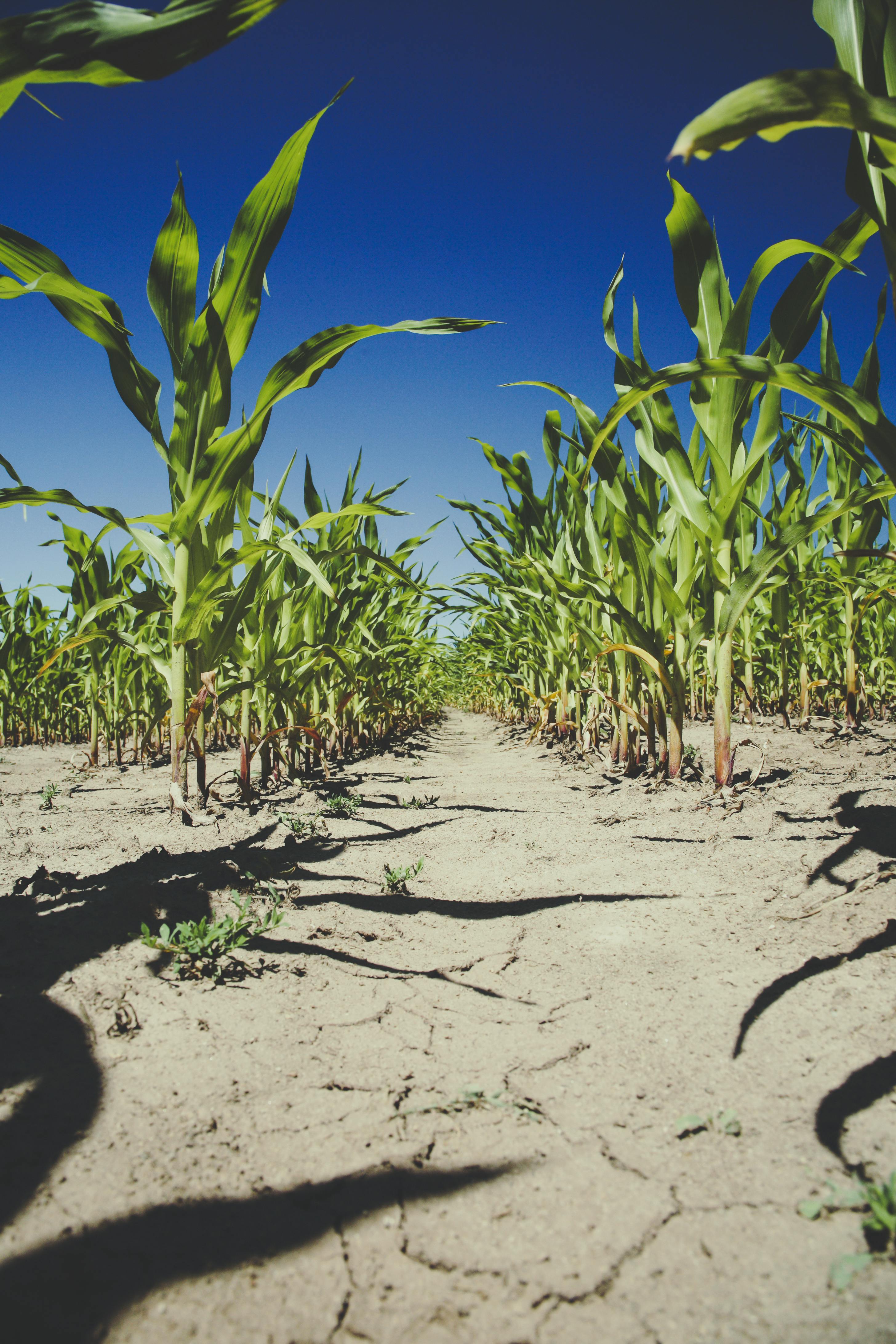
Agriculture remains the backbone of Kenya's economy, employing a significant portion of the population and contributing substantially to the GDP. However, the sector is particularly vulnerable to the impacts of climate change, including unpredictable rainfall patterns, increased temperatures, and more frequent extreme weather events. This vulnerability underscores the urgent need for a paradigm shift towards sustainable and climate-smart agricultural practices.
Organic farming, a key component of sustainable agriculture, is witnessing steady growth across Kenya. According to the 2024 Kenya Organic Data Survey report by the Kenya Organic Agriculture Network (KOAN), there are over 62,626 farmers under Internal Control Systems (ICS) cultivating approximately 171,298 acres of organic land. This growth highlights a rising awareness among farmers about the long-term benefits of healthy soil, reduced chemical dependency, and premium market access for organic produce. The Kenya Climate Smart Agriculture Strategy (KCSAS) 2017-2026 further emphasizes the nation's commitment to building resilience, adapting to climate change, and minimizing agricultural emissions.
Key Insights or Strategies for Climate-Smart Farming
Adopting climate-smart agriculture involves a holistic approach that integrates technology, traditional knowledge, and ecological principles. Here are some key strategies that Kenyan farmers can implement to boost their profits and ensure resilience:
1. Embrace Drought-Resistant and Diversified Crops
Moving away from monoculture, especially of water-intensive crops like maize, is paramount. Drought-resistant crops are naturally adapted to arid conditions and can provide stable yields when other crops fail.
- Plant Sorghum and Millet: These traditional grains require significantly less water than maize and are highly nutritious. KALRO has developed improved varieties with enhanced yields.
- Cultivate Cassava and Sweet Potatoes: These root crops are excellent for food security in dry regions due to their ability to store water and nutrients in their tubers.
- Introduce Legumes: Intercropping with legumes like beans, cowpeas, and groundnuts not only diversifies income but also naturally enriches the soil with nitrogen, reducing the need for synthetic fertilizers.
2. Implement Efficient Water Management Techniques
Water scarcity is a defining challenge. Maximizing the efficiency of available water resources is critical for climate resilience.
- Adopt Drip Irrigation: This method delivers water directly to the plant roots, minimizing evaporation and water wastage. It can reduce water usage by up to 50% compared to traditional irrigation.
- Harvest Rainwater: Constructing earth dams, water pans, or roof catchment systems allows farmers to collect and store rainwater during rainy seasons for use during dry spells.
- Practice Mulching: Applying organic material like straw, dry leaves, or crop residue around plants helps retain soil moisture, suppress weeds, and regulate soil temperature. For farmers interested in advanced water management, a reliable drip irrigation system is a game-changer. Consider a foundational kit like the 2025 Flat Soaker Hose 25 ft for Garden – available on Amazon , which ensures consistent, slow soaking to roots.
3. Enhance Soil Health through Organic Practices
Healthy soil is the foundation of productive and resilient farming. Organic practices improve soil structure, water retention, and nutrient availability.
- Composting: Turning organic waste into nutrient-rich compost enriches the soil, improves its texture, and enhances its capacity to hold water.
- Cover Cropping: Planting non-cash crops like legumes or grasses between main growing seasons protects the soil from erosion, adds organic matter, and fixes nitrogen.
- Minimal Tillage: Reducing soil disturbance helps preserve soil structure, microbial life, and organic matter, preventing erosion and improving fertility.
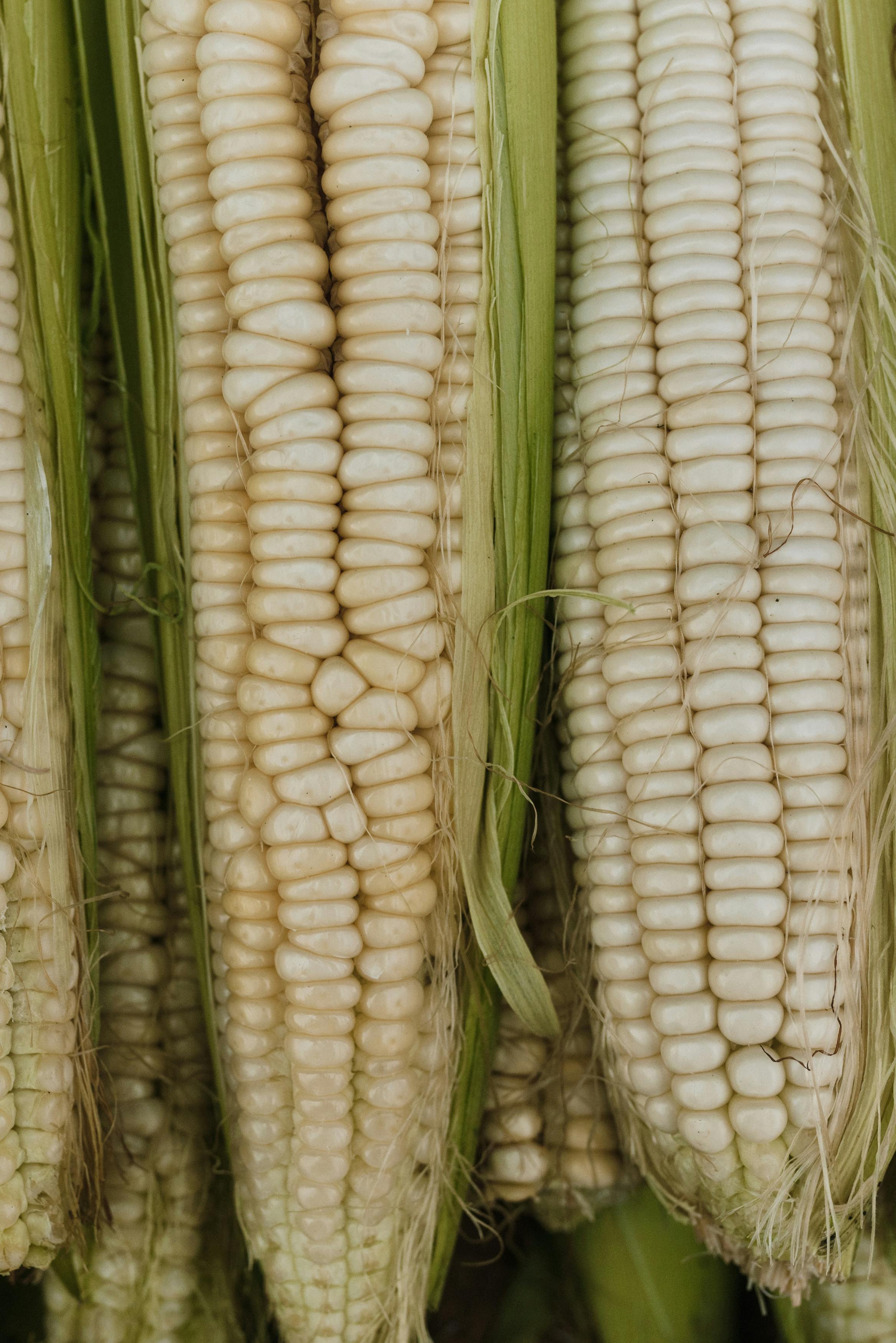
By integrating these insights, farmers can build robust agricultural systems that withstand climate shocks and deliver consistent, higher profits. For those looking to delve deeper into sustainable methods and gain practical support,explore sustainable organic farming solutions with Biofarm Kenya.
Case Studies, Examples, or Comparisons: Success Stories from the Field
Across Kenya, numerous farmers are demonstrating the tangible benefits of adopting climate-smart agricultural practices. These success stories serve as powerful testaments to the potential for increased profits and enhanced resilience.
In drier regions of Eastern Kenya, communities previously reliant on rain-fed maize are increasingly shifting to drought-tolerant crops like green grams, pigeon peas, and improved varieties of sorghum. For instance, farmers partnering with KALRO in Kitui County have reported significant improvements in food security and income stability by integrating these crops into their farming systems. A KALRO study (2024, as cited in the focus keyword) highlighted that farmers adopting drought-resistant crops and soil moisture retention techniques saw up to 40% higher profits during dry seasons compared to those solely cultivating maize. These farmers often employ simple yet effective methods like zai pits and tied ridges to maximize water infiltration and reduce runoff.
Another inspiring example comes from smallholder farmers in Nyandarua County who have embraced greenhouse farming. By using controlled environments, they can cultivate high-value crops like tomatoes and capsicum year-round, regardless of external weather conditions. This innovation, coupled with efficient drip irrigation, has allowed them to achieve multiple harvests and secure premium prices in local markets, dramatically increasing their annual income. These examples underscore that with the right knowledge and tools, Kenyan farmers can thrive amidst climate challenges.
Common Mistakes to Avoid in Climate-Smart Agriculture
While the benefits of climate-smart agriculture are clear, pitfalls can hinder progress. Avoiding these common mistakes can ensure a smoother transition and greater success for Kenyan farmers.
- Over-reliance on a Single Crop: Despite efforts to diversify, many farmers still dedicate vast tracts of land to a single crop (e.g., maize), making them highly vulnerable to specific pests, diseases, or market fluctuations. Diversification is key to resilience.
- Poor Soil Management: Neglecting soil health through excessive tilling, insufficient organic matter addition, or inappropriate fertilizer use depletes nutrients and reduces water retention. Healthy soil is a living ecosystem that requires careful stewardship.
- Inefficient Water Use: Many farmers continue to use traditional, wasteful irrigation methods like furrow irrigation, leading to significant water loss through evaporation and runoff. Lack of proper planning for rainwater harvesting also contributes to water scarcity.
- Ignoring Local Climate Data: Failing to consult localized weather forecasts or historical climate data can lead to suboptimal planting times, crop choices, or inadequate preparation for droughts or heavy rains.
- Inadequate Pest and Disease Management: Relying solely on chemical pesticides without integrating biological controls or resistant crop varieties can harm beneficial insects, degrade soil health, and lead to pesticide resistance.
- Lack of Continuous Learning: The agricultural sector is constantly evolving. Not seeking out new information, training, or adopting improved seed varieties can leave farmers behind in a competitive and changing environment.
Expert Tips or Best Practices for Sustainable Prosperity
To truly unlock the potential of climate-smart agriculture, Kenyan farmers should integrate these expert tips and best practices into their daily operations.
- Regular Soil Testing: Understand your soil's composition, pH levels, and nutrient deficiencies. This guides precise fertilizer application, preventing overuse and ensuring optimal plant health. For farmers aiming for precision, a reliable tool is essential. The SONKIR Soil pH Meter, MS02 3-in-1 Soil Moisture/Light/pH Tester – available on Amazon , can provide crucial data for informed decisions.
- Strategic Intercropping and Crop Rotation: Plant different crops together or rotate them over seasons. This enhances biodiversity, improves soil fertility, breaks pest and disease cycles, and maximizes land use.
- Integrated Pest Management (IPM): Combine biological, cultural, physical, and chemical tools to manage pests in an economically sound and environmentally responsible manner. This reduces reliance on harmful pesticides.
- Utilize Quality Organic Fertilizers: Instead of synthetic options, opt for organic compost and manure to enrich your soil naturally. This not only feeds your plants but also improves soil structure and microbial activity. To kickstart your soil's vitality, consider investing in a high-quality organic compost. The Purple Cow Organics All Purpose Veggie Mix, 1 Cubic Foot Bag – available on Amazon , offers a ready-to-use, chemical-free blend.
- Continuous Capacity Building: Attend workshops, farmer field schools, and access extension services. Knowledge is your most powerful tool in adapting to climate change. Explore sustainable organic farming solutions with Biofarm Kenya for training programs and resources tailored for local conditions.
- Embrace Protected Cultivation: For high-value crops, consider small-scale greenhouses. They offer protection from extreme weather, pests, and allow for year-round production. Ensure you use quality materials like Bootstrap Farmer Greenhouse Plastic 4 Year 6 mil UV Resistant Clear Polyethylene Film – found on Amazon , to safeguard your crops.
Future Trends or Predictions: The Horizon of Kenyan Agri-Tech
The future of agriculture in Kenya is intrinsically linked with technological innovation. As climate change continues to pose significant threats, agri-tech offers promising solutions to enhance productivity, efficiency, and sustainability.
One of the most impactful trends is the rise of smart irrigation systems. These systems, often powered by IoT sensors, monitor soil moisture levels and weather patterns to deliver precise amounts of water, minimizing waste and optimizing plant growth. This contrasts sharply with traditional, often manual, irrigation methods, leading to significant water savings and improved yields.
Another area of rapid growth is AI-driven crop monitoring and analytics. Companies like Apollo Agriculture in Kenya are already leveraging satellite data and machine learning to provide smallholder farmers with vital information on crop health, input credit, and even insurance. Drones are increasingly being used for precision spraying, mapping, and monitoring large farms, offering a level of detail and efficiency previously unimaginable.
Furthermore, vertical farming and hydroponics are gaining traction, especially in urban and peri-urban areas, offering solutions for limited land space and controlled environments. These methods allow for year-round production with significantly less water and land. As these technologies become more accessible and affordable, they are poised to revolutionize how food is grown in Kenya, fostering a more resilient and profitable agricultural sector.
Conclusion: Sowing Seeds for a Profitable and Sustainable Future
The journey towards a climate-resilient and profitable agricultural sector in Kenya is not merely an aspiration; it is a tangible reality achievable through the strategic adoption of climate-smart practices. By embracing drought-resistant crops, optimizing water usage, nurturing soil health, and leveraging emerging agri-tech innovations, Kenyan farmers can transform challenges into opportunities. The focus keyword highlights the proven success: farmers transitioning to resilient crops and employing smart techniques have seen up to 40% higher profits in dry seasons.
This comprehensive approach ensures food security, enhances environmental sustainability, and secures economic prosperity for farming communities. The path forward demands continuous learning, adaptability, and collaboration among farmers, researchers, and supportive organizations. Discover trusted organic farming tools onAmazonandlearn more about sustainable solutions with Biofarm Kenya. Together, we can cultivate a future where every farm thrives, irrespective of the climate's changing patterns.
FAQs
Q1: What exactly is Climate-Smart Agriculture (CSA)?
A1: Climate-Smart Agriculture (CSA) is an approach that helps guide actions needed to transform and reorient agricultural systems to effectively support development and ensure food security in a changing climate. It aims to achieve three main objectives: sustainably increasing agricultural productivity and incomes; adapting and building resilience to climate change; and reducing and/or removing greenhouse gas emissions (where possible). For more information, refer to the Food and Agriculture Organization (FAO) on CSA.
Q2: Which drought-resistant crops are most suitable for Kenyan farmers?
A2: For Kenyan farmers facing erratic rainfall, highly recommended drought-resistant crops include sorghum, millet (finger and pearl), cassava, sweet potatoes, and various legumes such as green grams, pigeon peas, and cowpeas. These crops are known for their ability to thrive in arid and semi-arid conditions with minimal water input. You can find detailed research and varieties from KALRO (Kenya Agricultural and Livestock Research Organization).
Q3: How can smallholder farmers afford climate-smart technologies like drip irrigation?
A3: While initial investment can be a concern, many organizations and government initiatives in Kenya offer subsidies, microfinance options, and training programs to make climate-smart technologies accessible to smallholder farmers. Simple, low-cost drip irrigation kits are available, and community-based approaches can help share costs. Additionally, the long-term savings in water and increased yields often offset the initial investment. Explore affordable solutions and partnerships through Biofarm Kenya partners.
Q4: What are the benefits of organic farming for soil health in a changing climate?
A4: Organic farming significantly improves soil health by increasing organic matter content, which enhances the soil's water retention capacity, nutrient availability, and microbial activity. Healthy soil is more resilient to drought and erosion, crucial factors in a changing climate. It also reduces reliance on synthetic chemicals, contributing to environmental sustainability. Learn more about organic practices from the Kenya Organic Agriculture Network (KOAN).
Q5: How does intercropping help boost farm profits and resilience?
A5: Intercropping, the practice of growing two or more crops in proximity, offers multiple benefits. It increases biodiversity on the farm, suppresses weeds, reduces pest and disease incidence, and improves soil fertility (especially with legumes fixing nitrogen). Economically, it diversifies income streams, reduces the risk of total crop failure, and maximizes land utilization, ultimately boosting overall farm profits. For specific intercropping strategies, consult agricultural extension services like those from the Ministry of Agriculture, Livestock, Fisheries and Cooperatives.
Q6: What role does technology play in the future of Kenyan agriculture?
A6: Technology is set to revolutionize Kenyan agriculture, offering solutions from precision farming to market access. Innovations like smart irrigation, AI-driven crop monitoring (using satellite imagery and drones), mobile-based agricultural advisories, and digital financial services are empowering farmers with data-driven decision-making. These technologies enhance efficiency, optimize resource use, reduce waste, and connect farmers to markets more effectively, paving the way for a more productive and sustainable future. Stay updated on agri-tech trends with resources from organizations like APNI (African Plant Nutrition Institute).
Further Resources & Partners:
- Kenya Agricultural and Livestock Research Organization (KALRO)
- FAO Kenya
- National Environment Management Authority (NEMA) Kenya
- Ministry of Agriculture, Livestock, Fisheries and Cooperatives, Kenya
- Kenya Organic Agriculture Network (KOAN)
- World Bank Kenya
- Biofarm Kenya Products
- Biofarm Kenya Services
- Biofarm Kenya Blog
- Contact Biofarm Kenya
- About Biofarm Kenya
- Explore sustainable organic farming solutions with Biofarm Kenya



0 Comments