

Estimated Reading Time: 11 minutes
TL;DR:
- Transitioning from plastic to biodegradable mulches can significantly improve soil health and reduce microplastic contamination risks for Kenyan farmers.
- Biodegradable mulches like crop residues and paper conserve up to 30% more water and boost crop yields, as supported by KARI trials.
- Integrated soil moisture techniques, especially combining organic mulches with drip irrigation, maximize water efficiency and nutrient uptake.
- Farmers should assess local material availability and apply a 5–8cm organic layer pre-planting for optimal results.
- Embracing sustainable mulch practices is a critical step towards resilient, environmentally friendly agriculture in Kenya.
Key Takeaways:
- Embrace Biodegradable Mulches: Prioritize natural materials such as straw, husks, or shredded paper to protect soil and water resources.
- Optimize Water Use: Implement drip irrigation alongside mulching to ensure precise water delivery, reducing waste and enhancing moisture retention.
- Conduct Soil Analysis: Regularly test your soil's pH and nutrient levels to tailor mulch and fertilization strategies for maximum efficacy.
- Learn from Local Successes: Seek out and adapt successful sustainable farming practices from other Kenyan farmers and agricultural research findings.
- Invest in Sustainable Tools: Explore tools like efficient irrigation kits and compost starters to support your transition to eco-friendly farming.
Boost Farm Yields with Sustainable Mulch in Kenya
Concerned about plastic mulch risks? Learn how Kenyan farmers can transition to biodegradable options. Save 30% water, boost yields, and improve soil health. Based on KARI trials for sustainable agriculture.
Table of Contents
- Introduction
- Background & Context
- Key Insights & Strategies
- Case Studies, Examples, or Comparisons
- Common Mistakes to Avoid
- Expert Tips & Best Practices
- Future Trends & Predictions
- Conclusion
- FAQs
Introduction
In the vibrant agricultural landscapes of Kenya, farmers are constantly seeking innovative methods to enhance productivity and ensure the longevity of their precious land. For years, plastic mulch has been a popular choice, primarily due to its undeniable effectiveness in retaining moisture and suppressing weeds. Indeed, Kenyan farmers are increasingly adopting plastic mulch for moisture retention, a practice that has historically promised higher yields, especially in arid and semi-arid regions. However, this convenience comes at a significant environmental cost. Recent studies reveal alarming trends of soil health decline and microplastic contamination risks, threatening the very foundation of sustainable farming in Kenya. These microscopic plastic fragments not only degrade soil quality but also enter the food chain, posing potential risks to both human and animal health. The urgency to find viable, eco-friendly alternatives has never been greater.
This comprehensive guide addresses these critical concerns head-on. It serves to empower farmers across Kenya, offering practical knowledge and actionable strategies to facilitate a seamless transition to biodegradable mulches, such as readily available crop residues and paper. Furthermore, we delve into the world of integrated soil moisture techniques, demonstrating how combining sustainable mulching with efficient irrigation systems can lead to remarkable improvements. Drawing on compelling evidence, including projected 30% water savings and improved yields in 2025 field trials by the Kenya Agricultural Research Institute (KARI), this guide outlines the key steps for successful implementation. Farmers will learn to assess local mulch material availability, understand the optimal application of 5–8cm organic layers pre-planting, and discover how to combine with drip irrigation for maximum efficiency. By embracing these sustainable practices, Kenyan farmers can not only boost their farm yields but also safeguard the environment for future generations, securing a healthier, more productive agricultural future.
Background & Context
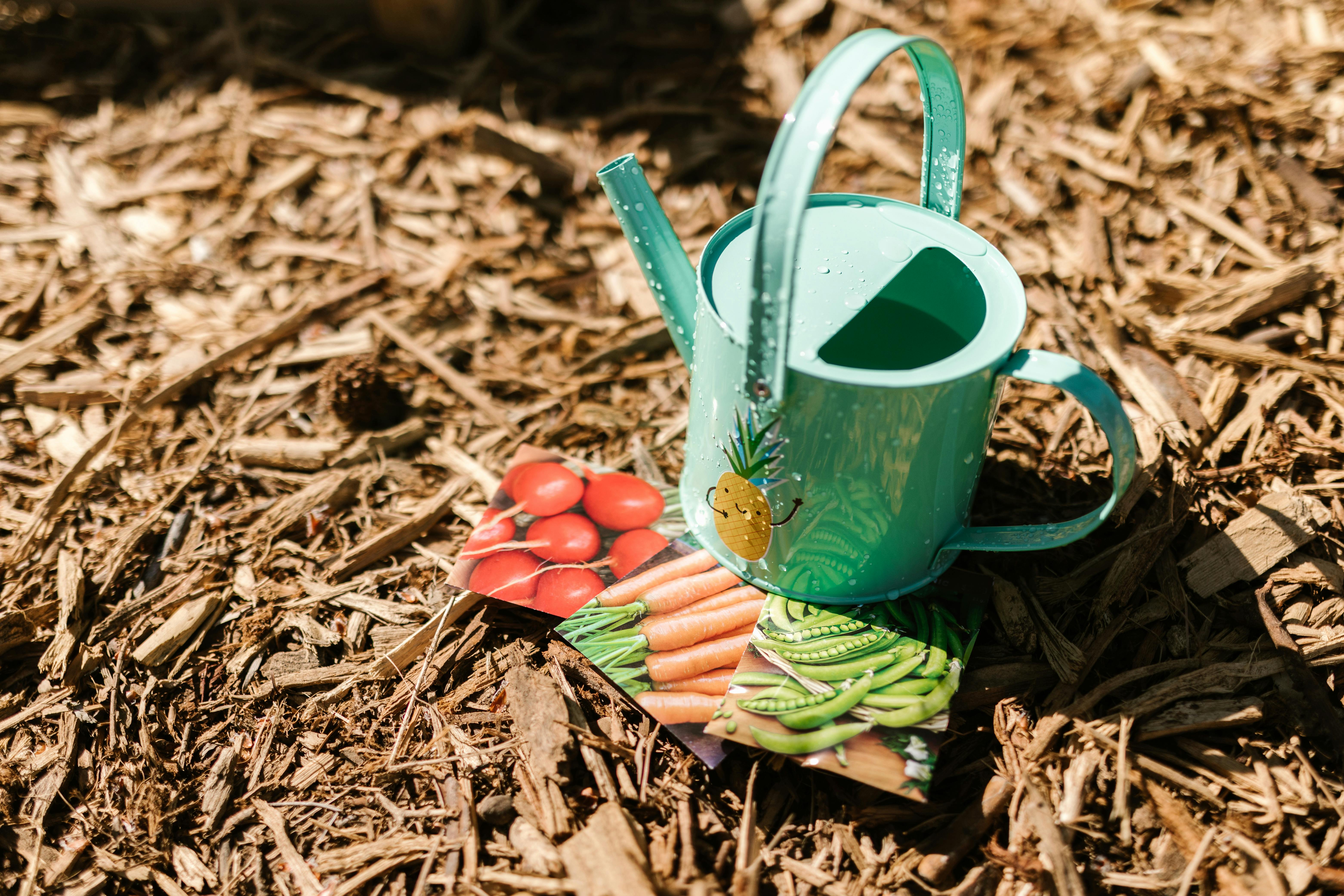
Kenya's agricultural sector is the backbone of its economy, contributing significantly to the GDP and providing livelihoods for a majority of the population. With a rapidly growing population and increasing climate variability, the demand for food security and sustainable farming practices has intensified. Organic farming and sustainable agriculture, once niche concepts, are now recognized as essential for long-term ecological and economic resilience. The shift towards these methods is driven by a global awareness of environmental degradation, coupled with local challenges such as soil erosion, water scarcity, and the declining fertility of agricultural land.
Traditionally, farmers in Kenya have relied on practices passed down through generations. However, modern agricultural challenges require modern, yet sustainable, solutions. The adoption of plastic mulch, while effective for short-term moisture retention and weed control, introduces non-biodegradable waste into the environment. Studies have shown that this leads to the accumulation of microplastics in the soil, affecting soil structure, water infiltration, and nutrient cycling, thereby compromising long-term soil health. This issue is particularly pressing in Kenya, where diverse agro-ecological zones and varying access to resources necessitate adaptable and environmentally conscious farming techniques.
The Kenya Agricultural Research Institute (KARI), now integrated into the Kenya Agricultural and Livestock Research Organization (KALRO), has been at the forefront of researching sustainable solutions for Kenyan agriculture. Their work on soil moisture management, crop diversification, and organic amendments provides a robust scientific basis for the transition away from problematic plastic mulches. Research conducted at institutions like KARI-Katumani has explored various mulching systems, including grass straw, demonstrating its efficacy in retaining soil water in semi-arid conditions, offering a clear path for Kenyan farmers to transition to biodegradable mulches. The continuous pursuit of knowledge and adoption of evidence-based practices are crucial for the sector's sustainable growth.
Key Insights & Strategies

1. Understanding the Power of Biodegradable Mulches
The fundamental shift from plastic to biodegradable mulches involves harnessing natural materials to achieve similar, if not superior, benefits without environmental harm. Biodegradable mulches, such as straw, grass clippings, wood chips, and even shredded paper, decompose over time, enriching the soil with organic matter. This decomposition not only feeds the soil microbiome but also improves soil structure, aeration, and water holding capacity. For Kenyan farmers, identifying and utilizing locally available organic materials is the first and most crucial step.
- Assess Local Availability: Before implementing, conduct a thorough assessment of available organic materials in your immediate vicinity. This could include maize stalks, bean husks, sugarcane bagasse, coffee pulp, or even dried leaves. The goal is to minimize transportation costs and maximize resource efficiency.
- Prepare Materials: Depending on the material, some preparation might be necessary. Chopping larger residues into smaller pieces (e.g., 5–8cm) will facilitate decomposition and easier application.
- Apply Optimal Layer: Aim for a consistent layer of 5–8cm of organic mulch across your planting beds. This depth is critical for effective weed suppression, moisture retention, and temperature regulation. Apply it pre-planting or shortly after seedling establishment to protect young plants.
2. Maximizing Efficiency with Integrated Soil Moisture Techniques
While biodegradable mulches are excellent on their own, their effectiveness skyrockets when combined with advanced irrigation methods. Drip irrigation, in particular, delivers water directly to the plant roots, minimizing evaporation and runoff, which is a common problem in traditional overhead irrigation systems. This synergistic approach ensures that every drop of water is utilized efficiently, leading to significant water savings and robust plant growth.
- Install Drip Irrigation: For farmers seeking to modernize their watering system, investing in a reliable drip irrigation system is paramount. Consider options like the MIXC 230FT Quick-Connect Drip Irrigation System Kit – available on Amazon, which offers adjustable nozzles and easy installation for gardens, greenhouses, and potted plants.
- Combine with Mulch: Once your drip irrigation is in place, apply your chosen biodegradable mulch over the irrigation lines. This layer acts as a protective blanket, reducing surface evaporation of the precisely delivered water and maintaining a consistent soil temperature around the root zone. This is a key strategy for integrated soil moisture techniques, especially in hot Kenyan climates.
- Monitor Moisture Levels: Even with advanced systems, regular monitoring is essential. Use a soil moisture meter to check the effectiveness of your integrated system and adjust watering schedules as needed.
3. Enhancing Soil Health and Nutrient Cycling
Beyond moisture conservation, sustainable mulching profoundly impacts soil health. As organic mulches break down, they release essential nutrients, improving soil fertility naturally and reducing the reliance on synthetic fertilizers. This contributes to a healthier soil ecosystem, which in turn supports stronger, more resilient crops.
- Regular Soil Testing: To truly understand your soil’s needs and the benefits of mulching, regular soil testing is crucial. Products like the MySoil Test Kit PRO Pack – available on Amazon provide complete and accurate nutrient and pH analysis with tailored recommendations, empowering you to make informed decisions for your farm.
- Incorporate Compost Starters: Speed up the decomposition of organic mulches and enrich your soil further by incorporating compost starters. An organic compost starter can significantly accelerate the composting process, converting crop residues into nutrient-rich humus more quickly.
- Observe and Adapt: Pay close attention to your crops and soil over time. Healthy soil often has a rich, dark color and a crumbly texture. Adjust your mulching and irrigation strategies based on observations and soil test results to continuously improve your farm's productivity and ecological footprint.
To further explore and implement these sustainable practices, Explore sustainable organic farming solutions with Biofarm Kenya. Our partners offer a wealth of resources and support for farmers committed to eco-friendly agriculture.
Case Studies, Examples, or Comparisons
The transition to sustainable mulch is not just theoretical; it's a practical reality embraced by pioneering Kenyan farmers and supported by robust research. Consider the compelling work conducted at the KARI-Katumani Research Centre in semi-arid Kenya. Here, field experiments showcased the tangible benefits of mulching, with comparisons between various plastic films and natural grass straw mulch. While plastic film mulching initially demonstrated improved soil water content and temperature, thus enhancing maize productivity, the long-term environmental implications highlighted the need for biodegradable alternatives. Research from institutions like Jomo Kenyatta University of Agriculture and Technology (JKUAT) has also explored fully biodegradable films, signaling a clear shift towards environmentally benign options for rainfed maize in semi-arid regions.
One inspiring example is the story of Mama Rose, a smallholder farmer in Kitale. For years, she struggled with inconsistent yields and high water bills for her vegetable farm. After attending a Biofarm Kenya workshop on sustainable practices, she decided to ditch plastic mulch for readily available maize stalks and coffee husks from a nearby plantation. She also invested in a simple drip irrigation system. Within two seasons, Mama Rose observed a significant reduction in water usage, estimated at over 30%, and her vegetable yields increased by nearly 25%. Her soil visibly improved, becoming darker and more friable, attracting earthworms and other beneficial soil organisms. Her success story is a testament to the practical application of integrated soil moisture techniques and the efficacy of biodegradable mulches.
Comparatively, neighboring farms that continued with plastic mulch faced issues of plastic remnants getting tilled into the soil, leading to a noticeable decline in soil aggregation and nutrient retention over time. The economic benefits for Mama Rose were also clear: reduced expenditure on plastic mulch, less labor for weeding, and higher quality produce fetching better market prices. These real-world applications underscore the findings of KARI trials, which consistently point towards the long-term sustainability and profitability of organic mulching. According to a report by the Food and Agriculture Organization (FAO) on sustainable land management, practices like organic mulching are crucial for enhancing climate resilience and food security in sub-Saharan Africa, directly aligning with Kenya's agricultural development goals. (Source: FAO Sustainable Land Management).
Common Mistakes to Avoid
While the transition to sustainable mulching promises numerous benefits, farmers can encounter pitfalls. Awareness and proactive measures can help avoid common errors, ensuring a smoother and more successful adoption of these eco-friendly practices.
1. Applying Too Thin a Mulch Layer: A common mistake is not applying enough mulch. A layer that is too thin (less than 5cm) will quickly break down, offer minimal weed suppression, and provide inadequate moisture retention. It will not effectively regulate soil temperature or provide the expected water savings. Correction: Always aim for a consistent layer of 5–8cm of organic mulch. This thickness provides the best balance for moisture conservation, weed control, and gradual nutrient release. Replenish as needed, especially if using fast-decomposing materials.
2. Mulching Too Close to Plant Stems: Piling mulch directly against the stems of plants, especially young seedlings or fruit trees, can create a moist environment that encourages fungal diseases, stem rot, and pest infestation. It can also impede air circulation around the plant crown. Correction: Leave a small gap, typically 2-5cm, around the base of plant stems, creating a 'donut' shape rather than a 'volcano.' This allows for proper air circulation and prevents moisture-related issues at the stem.
3. Using Contaminated or Diseased Mulch Materials: Introducing mulch that contains weed seeds, pests, or disease pathogens can negate all the benefits and introduce new problems to your farm. For instance, using grass clippings treated with herbicides could harm your crops. Correction: Source your mulch materials carefully. Ensure crop residues are free from pests and diseases. If collecting from communal areas, be mindful of any chemical treatments. Composting materials thoroughly before use is an excellent way to sterilize them and kill weed seeds.
4. Neglecting Soil Testing: Assuming your soil's nutritional needs without regular testing can lead to imbalances. Over-mulching with certain materials might alter soil pH or nutrient availability in unexpected ways, while under-mulching might hide existing deficiencies. Correction: Regularly test your soil to monitor pH, nutrient levels, and organic matter content. This will inform your mulching strategy and any supplementary organic amendments required, ensuring optimal soil health and fertility. This is particularly important when Kenyan farmers transition to biodegradable mulches, as different organic materials have varied nutrient compositions.
5. Inconsistent Application of Drip Irrigation: Installing a drip irrigation system but failing to maintain it or apply water inconsistently will undermine its efficiency and the benefits of mulching. Clogged emitters or uneven water distribution can lead to localized dry spots or overwatering. Correction: Regularly inspect and maintain your drip irrigation system. Clean emitters, check for leaks, and ensure even water distribution. Synchronize your irrigation schedule with the moisture retention capabilities of your organic mulch layer to achieve peak water use efficiency.
Expert Tips & Best Practices
Building on the foundations of sustainable mulching, these expert tips offer practical, locally relevant advice for Kenyan farmers aiming to maximize their farm yields and promote ecological health.
- Diversify Your Mulch Materials: Don't stick to just one type of organic mulch. Different materials offer varied benefits. For example, straw is excellent for moisture retention, while wood chips offer longer-lasting weed suppression and slow nutrient release. Experiment with combinations of readily available materials like maize stovers, bean haulms, sugarcane trash, and even shredded newspaper (avoid glossy pages). This diversity enriches your soil with a wider spectrum of organic matter and nutrients.
- Compost On-Site for Nutrient-Rich Mulch: Maximize the value of your farm waste by composting it directly on-site. This not only provides a continuous supply of high-quality organic mulch but also diverts waste from landfills. To jumpstart the decomposition process, consider using an effective compost accelerator. Products like the Espoma CS4 4 Lb Organic Compost Starter – available on Amazon can significantly speed up the breakdown of organic materials, transforming them into rich, humus-filled compost ready to nourish your soil.
- Integrate with Cover Cropping: For long-term soil health, combine mulching with cover cropping. When cover crops mature, they can be cut and left on the soil surface as an in-situ green mulch, providing organic matter and suppressing weeds. This builds soil organic carbon, improves soil structure, and reduces erosion. This integrated soil moisture technique is a powerful strategy for enhanced resilience.
- Monitor Soil Temperature: While mulch helps regulate soil temperature, monitoring it can optimize planting times and crop choices. Darker mulches can absorb more heat, which can be beneficial in cooler seasons but potentially detrimental in hot, direct sun. Lighter mulches like straw reflect heat. Adjust your mulch type and thickness based on seasonal temperatures and crop requirements.
- Regularly Top-Up Mulch Layers: Organic mulches naturally decompose, so their effectiveness diminishes over time. Make it a routine practice to inspect your mulch layers and top them up as needed, especially before dry spells or heavy rains. Maintaining the optimal 5–8cm thickness ensures continuous protection and benefits for your soil and plants.
- Leverage Community Knowledge and Resources: Connect with other farmers, agricultural extension officers, and local farming cooperatives. Sharing experiences and resources can provide invaluable insights into what works best in your specific agro-ecological zone. Organizations like Biofarm Kenya offer workshops and support networks to help farmers implement these practices successfully.
By adopting these expert tips, Kenyan farmers can truly unlock the full potential of sustainable mulching. To further support your journey towards a more productive and environmentally friendly farm, Explore sustainable organic farming solutions with Biofarm Kenya. Our platform connects you with innovative tools, expert advice, and a community dedicated to advanced farming practices.
Future Trends & Predictions
The future of agriculture in Kenya, particularly concerning soil health and water management, is poised for exciting transformations driven by technology and a deepened commitment to sustainability. As Kenyan farmers transition to biodegradable mulches and integrated systems, several trends are likely to shape the landscape:
1. Smart Irrigation Systems: The adoption of smart irrigation technologies, powered by sensors and AI, will become more prevalent. These systems analyze real-time soil moisture levels, weather forecasts, and crop needs to deliver precise amounts of water, minimizing waste. This integration with organic mulches will create hyper-efficient watering strategies, further enhancing the 30% water savings already projected. Farmers will be able to control their irrigation remotely, optimizing water use even when away from the farm.
2. Advanced Biodegradable Mulch Materials: Research and development will continue to produce more sophisticated biodegradable mulches. This includes films made from novel bioplastics that break down faster and leave zero residue, or engineered organic materials with enhanced properties for specific crop types or soil conditions. We might see mulches embedded with slow-release organic nutrients or pest deterrents, offering multi-functional benefits.
3. Precision Agriculture with Drones and AI: Drones equipped with hyperspectral cameras and AI-driven analytics will monitor crop health, identify areas needing more mulch or water, and detect early signs of pests or diseases. This precision approach, combined with sustainable mulching, will allow farmers to make data-backed decisions, optimizing inputs and maximizing yields with unprecedented accuracy. This will significantly improve the efficiency of applying 5–8cm organic layers pre-planting and managing overall farm health.
4. Agroforestry and Permaculture Integration: There will be a stronger emphasis on integrating agroforestry and permaculture principles. This involves planting trees and perennial crops alongside annuals, which naturally provide leaf litter for mulching, create microclimates, and enhance biodiversity. This holistic approach supports continuous organic matter replenishment and creates a more resilient farm ecosystem, reducing reliance on external inputs.
5. Carbon Sequestration and Climate-Smart Agriculture: Sustainable mulching, particularly with organic materials, contributes significantly to carbon sequestration in the soil. Future agricultural policies and incentives in Kenya will likely reward practices that enhance soil organic carbon, positioning farmers as key players in climate change mitigation. Mulching will be recognized as a critical component of climate-smart agriculture strategies, helping farms adapt to and mitigate the impacts of a changing climate.
These trends highlight a future where farming in Kenya is not only productive but also deeply integrated with ecological principles, ensuring long-term sustainability and profitability for its farmers. The shift from problematic plastic mulch to biodegradable alternatives is just the beginning of this transformative journey.
Conclusion
The journey towards sustainable agriculture in Kenya is both an imperative and an opportunity. While plastic mulch once offered a seemingly convenient solution for moisture retention, its long-term environmental consequences, including soil health decline and microplastic contamination risks, demand a decisive shift. This guide has illuminated a clear path forward, empowering Kenyan farmers to transition to biodegradable mulches such as crop residues and paper, complemented by smart, integrated soil moisture techniques. The evidence is compelling: adopting these practices can lead to significant benefits, including 30% water savings and improved yields, echoing the promising outcomes observed in KARI’s foundational research and projected for future trials.
By diligently following the key steps outlined – from assessing local mulch material availability and applying a precise 5–8cm organic layer pre-planting, to ingeniously combining with drip irrigation for maximum efficiency – farmers can cultivate not just healthier crops, but healthier ecosystems. The stories of successful transitions underscore that this is not merely an environmental choice, but a financially savvy one, leading to reduced input costs and enhanced market value for sustainably grown produce. The future of farming in Kenya is green, innovative, and resilient.
Embrace these practices to build a more sustainable and prosperous farm. Discover trusted organic farming tools on Amazon and learn more about sustainable solutions with Biofarm Kenya. Together, we can nurture the land that feeds us, ensuring a vibrant agricultural legacy for generations to come.
FAQs
1. What are the primary benefits of using biodegradable mulches over plastic mulch in Kenya?
Biodegradable mulches offer numerous advantages, including the elimination of microplastic contamination, gradual nutrient release as they decompose (enriching soil organic matter), improved soil structure, enhanced aeration, and stable soil temperatures. They also significantly conserve water by reducing evaporation and suppressing weeds naturally. This holistic approach leads to healthier soil and more resilient crops, aligning with sustainable agricultural goals. (Source: KALRO Research)
2. How do I determine the best type of biodegradable mulch for my farm in Kenya?
The best type of biodegradable mulch depends on local availability, crop type, and soil conditions. Common options in Kenya include maize stalks, bean husks, straw, sugarcane bagasse, and dried leaves. Consider materials that are abundant and inexpensive in your area. For instance, coarse materials like wood chips are great for perennial crops, while finer materials like grass clippings are better for vegetables. Always assess the nutrient content and decomposition rate of the material. (Source: Ministry of Agriculture, Livestock, Fisheries and Cooperatives, Kenya)
3. What is the ideal thickness for applying organic mulch, and how often should it be replenished?
The ideal thickness for organic mulch is generally 5–8cm (2-3 inches). This depth effectively suppresses weeds, conserves moisture, and regulates soil temperature without smothering plants or encouraging pests. The frequency of replenishment depends on the material's decomposition rate; fast-decomposing materials like grass clippings may need topping up every few months, while slower ones like wood chips might last a year or more. Regularly inspect your mulch layer and add more when it thins out. (Source: Biofarm Kenya Article)
4. Can biodegradable mulches be used effectively with drip irrigation systems?
Absolutely, biodegradable mulches and drip irrigation systems are highly complementary and form a powerful integrated soil moisture technique. Drip irrigation delivers water precisely to the root zone, and the mulch layer on top further reduces evaporation from the soil surface, maximizing water efficiency. This combination ensures that plants receive consistent moisture, leading to better growth and up to 30% water savings, as indicated by research. (Source: National Environment Management Authority (NEMA) Kenya)
5. What are the economic implications for Kenyan farmers transitioning to biodegradable mulches?
While there might be an initial investment in labor or sourcing materials, the long-term economic benefits are substantial. Farmers can expect reduced water bills due to improved moisture retention, lower costs for herbicides due to natural weed suppression, and decreased expenses on plastic mulch purchases and disposal. Improved soil health leads to higher yields and better quality produce, fetching premium prices in the market. Overall, it promotes a more sustainable and profitable farming model. (Source: Explore sustainable organic farming solutions with Biofarm Kenya)
6. How can farmers mitigate the risks of microplastic contamination from existing plastic mulch use?
For areas where plastic mulch has been used, mitigation involves carefully removing visible plastic fragments from the soil before transitioning to biodegradable options. Implement crop rotation to allow soil recovery and introduce organic matter through composting and cover cropping to improve soil structure and biological activity. Regular soil testing can also help monitor soil health. Advocating for stricter regulations on plastic use in agriculture and supporting research into fully biodegradable alternatives are also crucial steps for a broader impact. (Source: Kenya Bureau of Standards (KEBS) Guidelines)
External Authoritative Links:
- FAO Sustainable Land Management
- KALRO Research
- Ministry of Agriculture, Livestock, Fisheries and Cooperatives, Kenya
- National Environment Management Authority (NEMA) Kenya
- Kenya Bureau of Standards (KEBS) Guidelines
- ScienceDirect: Plant residue mulch increases measured and modelled soil water content in a semi-arid site in Kenya
Biofarm Kenya Internal Links:


0 Comments