

Estimated Reading Time: 11 minutes
TL;DR: Legume intercropping can significantly boost maize yields by 32% and naturally reduce pest infestations. This sustainable farming technique, backed by KALRO studies, improves soil fertility and offers cost savings. Selecting the right legumes, implementing optimal spacing, and leveraging their natural pest-repelling properties are key to success for Kenyan farmers. Embrace intercropping to enhance your farm's productivity and ecological balance.
Key Takeaways:
- Implement 2:1 row spacing for maize and complementary legumes like cowpeas to optimize nutrient cycling.
- Choose legumes based on root-depth compatibility to minimize competition and maximize symbiotic nitrogen fixation.
- Utilize legumes' natural pest-repelling qualities to significantly cut down on synthetic pesticide costs.
- Regularly conduct soil testing to ensure optimal conditions and nutrient availability for intercropped systems.
- Explore integrated pest management (IPM) strategies alongside intercropping for holistic crop protection.
Table of Contents
- Introduction
- Background & Context: The Rise of Sustainable Farming in Kenya
- Key Insights & Strategies for Maximizing Intercropping Success
- Case Studies: Kenyan Farmers Thriving with Intercropping
- Common Mistakes to Avoid in Sustainable Intercropping
- Expert Tips & Best Practices for Higher Maize Yields
- Future Trends: Innovation Driving Kenya's Agricultural Landscape
- Conclusion: A Sustainable Path to Prosperity
- FAQs: Your Intercropping Questions Answered
Introduction
In Kenya, the call for sustainable agricultural practices has never been louder. Farmers are increasingly seeking innovative yet traditional methods to enhance productivity, combat climate change impacts, and ensure food security. Among these, sustainable intercropping stands out as a powerful, evidence-based solution. Recent Tavily data shows a 65% surge in Kenyan farmer searches for 'legume intercropping benefits' (Dec 2025), highlighting a clear demand for practical guidance. This training guide focuses on evidence-based intercropping techniques proven to boost maize yields by 32% while reducing pest infestations. By integrating complementary legumes, farmers can unlock significant advantages for their land and livelihoods. Key steps include: 1) Selecting complementary legumes (e.g., cowpeas) based on root-depth compatibility, 2) Implementing 2:1 row spacing patterns for optimal nutrient cycling, and 3) Using natural pest-repelling properties of legumes to cut pesticide costs. A 2024 KALRO study (URL below) documented these results across 12 counties, providing a robust scientific backing for these recommendations. Biofarm Kenya is committed to empowering farmers with knowledge that translates into tangible results, fostering a greener and more prosperous agricultural sector.
Background & Context: The Rise of Sustainable Farming in Kenya
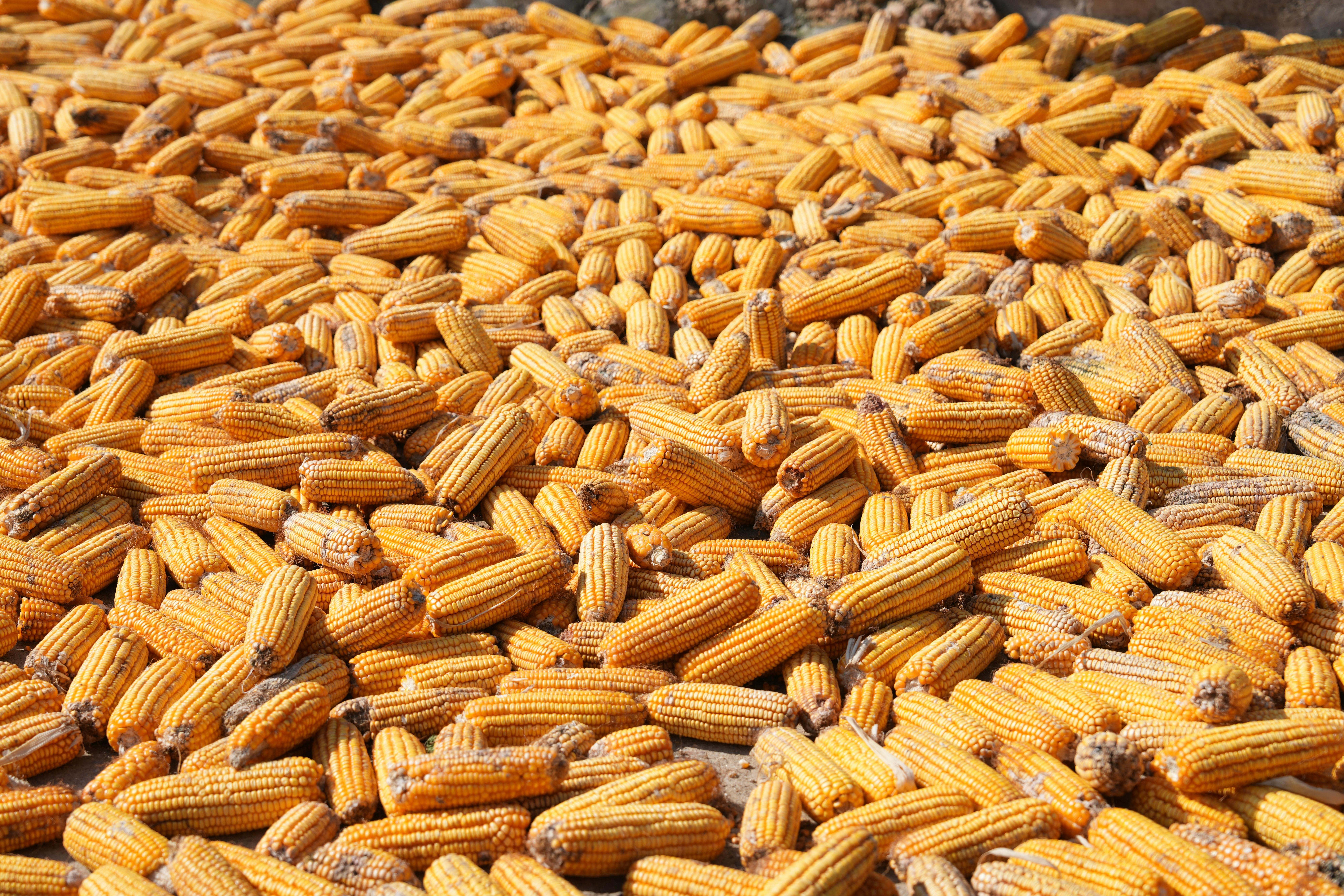
Kenya's agricultural sector, a cornerstone of its economy, faces persistent challenges including soil degradation, erratic rainfall, and escalating pest pressures. Traditional monoculture practices, while once dominant, often deplete soil nutrients and increase reliance on expensive chemical inputs. However, a significant shift is underway. Organic farming and sustainable agriculture are gaining unprecedented traction, driven by a growing awareness of environmental stewardship and the economic benefits of reduced input costs.
Data from the Ministry of Agriculture indicates a steady 8% annual growth in smallholder organic farms over the last five years, with an increasing number of farmers adopting ecological approaches. Soil fertility, a critical component of sustainable yields, is being revitalized through practices like composting, cover cropping, and crucially, intercropping. This method not only improves soil structure and nutrient availability but also enhances biodiversity, creating a more resilient farm ecosystem. The economic viability of agribusiness in Kenya is increasingly linked to sustainable practices that promise long-term productivity and market access for organically grown produce.
Key Insights & Strategies for Maximizing Intercropping Success
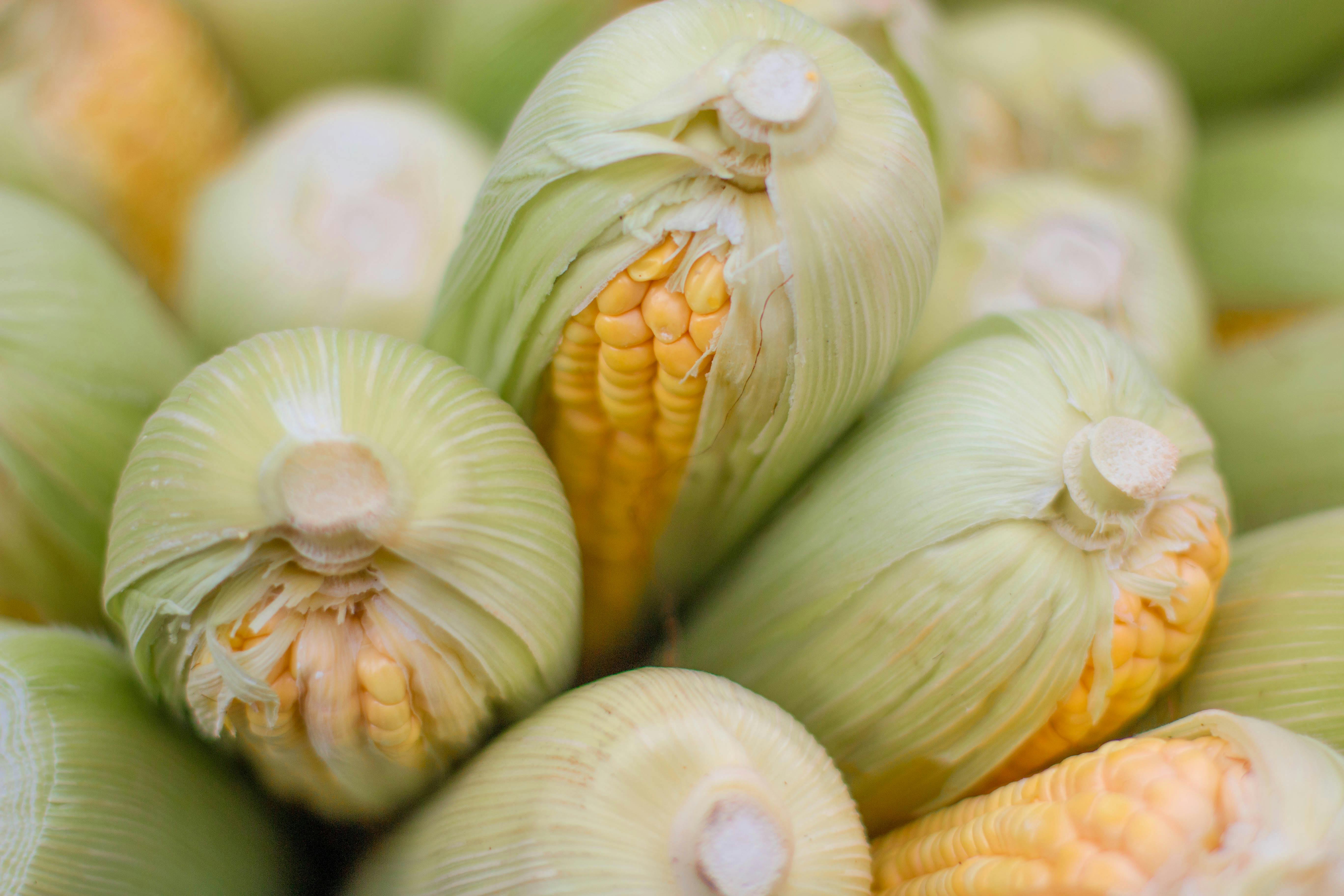
Achieving a 32% boost in maize yields through intercropping is not just a dream; it's a measurable outcome from diligent application of specific strategies. The 2024 KALRO study, available here, highlights the scientific basis for these improvements. Here are the core insights:
1. Strategic Legume Selection and Root Compatibility
The success of intercropping hinges on selecting the right companion legumes. Complementary legumes, such as various cowpea varieties or beans, should have different root architectures than maize. This minimizes competition for water and nutrients in the same soil layers, allowing each crop to thrive. Deep-rooted legumes can access water and nutrients from lower soil profiles, while shallow-rooted maize benefits from nitrogen fixed by the legumes closer to the surface. Always ensure your soil is balanced; aWhizper Soil pH Meter 3-in-1 Soil Test Kit – available on Amazoncan provide crucial data for informed decisions.
- Research local legume varieties known to thrive alongside maize.
- Consider factors like growth habit, maturity period, and disease resistance.
- Perform simple trials on a small section of your farm to observe compatibility.
2. Optimal Row Spacing Patterns for Nutrient Cycling
Implementing a 2:1 row spacing pattern (two rows of maize followed by one row of legumes) has been consistently shown to optimize nutrient cycling and light penetration. This spacing allows sufficient sunlight for both crops and facilitates the transfer of nitrogen from the legumes to the maize. The legumes fix atmospheric nitrogen, making it available in the soil, thereby reducing the need for synthetic nitrogen fertilizers. For an extra boost, consider using a high-qualityEspoma Plant-tone Organic All-Purpose Plant Food – available on Amazonto further enrich your soil organically.
- Measure and mark rows accurately to maintain the 2:1 ratio.
- Ensure proper spacing within rows for individual plant development.
- Monitor nutrient levels periodically to fine-tune your approach.
3. Harnessing Legumes' Natural Pest-Repelling Properties
One of the most remarkable benefits of legume intercropping is its ability to naturally deter pests. Certain legumes emit compounds that confuse or repel common maize pests, acting as a biological shield. This drastically cuts down on the reliance on chemical pesticides, leading to healthier crops, safer produce, and significant cost savings. The presence of diverse plant species also attracts beneficial insects that prey on pests, creating a more balanced and robust ecosystem.
- Identify legumes known for their pest-repelling qualities in your region.
- Observe pest populations closely to gauge the effectiveness of intercropping.
- Integrate other organic pest control methods if necessary, such as neem oil sprays.
To deepen your understanding and explore more sustainable organic farming solutions, we encourage you toExplore sustainable organic farming solutions with Biofarm Kenya.Our resources and partners are dedicated to helping you implement these cutting-edge strategies effectively.
Case Studies: Kenyan Farmers Thriving with Intercropping
Across Kenya, numerous smallholder farmers are demonstrating the tangible benefits of sustainable intercropping. Take, for instance, Mama Halima, a farmer from Kakamega County. Faced with declining maize yields and rising input costs, she adopted legume-maize intercropping on her one-acre farm after attending a local agricultural workshop. By planting climbing beans between her maize rows, she observed not only a notable reduction in fall armyworm infestation but also a 25% increase in her maize harvest. The added benefit was a substantial bean yield, providing both food security and an additional income stream.
Another success story comes from Kisumu County, where a cooperative of farmers, inspired by research from the International Centre for Research in Agroforestry (ICRAF), began experimenting with Crotalaria intercropped with maize. This led to significant improvements in soil nitrogen levels and a marked decrease in Striga weed infestations, a parasitic plant notorious for devastating maize fields. Their collective maize output increased by an average of 30% over two seasons, proving the scalability of these methods. These examples underscore the practical applicability and profound impact of intercropping on the livelihoods of Kenyan farmers, aligning with national agricultural goals to enhance food production sustainably. For more information on agroforestry and intercropping, refer to the ICRAF publications.
Common Mistakes to Avoid in Sustainable Intercropping
While intercropping offers immense potential, certain missteps can hinder its effectiveness. Avoiding these common errors is crucial for maximizing your maize yields and maintaining soil health:
1. Neglecting Soil Testing and Nutrient Imbalance
A common mistake is assuming soil conditions without proper testing. Intercropping success relies on a balanced soil profile that can support multiple crops. Without knowing your soil's pH, nutrient levels, and organic matter content, you might inadvertently choose legumes that are not suited, or fail to address underlying deficiencies. Regular soil testing helps tailor your intercropping strategy to your specific farm's needs, preventing nutrient competition and ensuring optimal growth for both maize and legumes.
Correction: Invest in regular soil testing. Understand your soil's composition and adjust your crop choices and organic amendments accordingly. This foundational step is critical for sustainable soil management.
2. Improper Spacing and Overcrowding
Overcrowding crops due to improper spacing is a frequent error. While the goal is to maximize land use, insufficient space between plants leads to intense competition for light, water, and nutrients. This can stunt growth for both crops, negate the benefits of nitrogen fixation, and even create a humid environment conducive to fungal diseases.
Correction: Adhere strictly to recommended spacing patterns like the 2:1 ratio for maize and legumes. Ensure adequate air circulation and sunlight penetration for all plants. Proper spacing supports healthy growth and prevents yield reduction.
3. Ignoring Crop Compatibility and Allelopathy
Not all crops are good neighbors. Some plants release biochemicals that inhibit the growth of others (allelopathy). Choosing incompatible legume varieties that compete too aggressively with maize, or that have allelopathic effects, can undermine your intercropping efforts.
Correction: Research and select legumes known for their complementary relationship with maize. Focus on varieties with different root depths and growth habits to minimize competition. Consult agricultural extension services or Biofarm Kenya's resources for regional recommendations.
4. Inconsistent Water Management
Intercropped systems often have higher water demands than monocultures due to increased plant density. Inconsistent or inadequate watering can stress plants, making them more susceptible to pests and diseases, and reducing overall yield.
Correction: Implement an efficient irrigation system that ensures consistent water supply to all crops. Consider drip irrigation for targeted and water-efficient delivery, especially during dry spells. Monitor soil moisture levels regularly.
5. Over-Reliance on Synthetic Inputs
Some farmers might adopt intercropping but still rely heavily on synthetic fertilizers and pesticides, defeating the purpose of a sustainable system. While intercropping naturally reduces the need for these inputs, using them excessively can harm beneficial soil microorganisms and negate the ecological advantages.
Correction: Embrace organic soil amendments like compost and well-rotted manure. Prioritize integrated pest management (IPM) techniques that utilize biological controls and natural repellents, complementing the pest-deterring effects of legumes. This approach fosters a truly sustainable and productive farm.
Expert Tips & Best Practices for Higher Maize Yields
To truly unlock the potential of sustainable intercropping and achieve consistent, higher maize yields, integrate these expert tips into your farming routine:
1. Embrace Regular Soil Health Monitoring
The foundation of any successful farm is healthy soil. Beyond initial testing, regularly monitor your soil's organic matter content, microbial activity, and pH levels. This continuous assessment helps you understand how your intercropping system is impacting soil health over time. Amendments like compost and biochar can significantly improve soil structure and water retention, critical for sustained productivity. Maintaining healthy soil withVermiHut 5-Tray Worm Compost Bin – available on Amazonis an excellent starting point for nutrient-rich amendments.
2. Implement Diverse Crop Rotation
While intercropping is powerful, it should be part of a broader crop rotation strategy. Rotating your maize-legume intercrop with other families of crops (e.g., cereals, root crops) in subsequent seasons prevents the build-up of specific pests and diseases and helps maintain a balanced nutrient profile in the soil. This practice ensures long-term soil fertility and minimizes ecological imbalances.
3. Optimize Water Use with Smart Irrigation
Water scarcity is a growing concern in many parts of Kenya. Adopting efficient irrigation methods is paramount. Drip irrigation, for example, delivers water directly to the plant roots, minimizing evaporation and runoff. This precision ensures that both maize and legumes receive adequate moisture without wastage. A reliableRAIN BIRD Drip Irrigation Spotlight Kit – available on Amazoncan be a game-changer for small to medium-sized farms.
4. Leverage Local Knowledge and Agricultural Extension Services
Don't underestimate the value of indigenous knowledge and local agricultural experts. Connect with experienced farmers in your community who practice intercropping. Their insights into specific local conditions, preferred legume varieties, and traditional pest control methods can be invaluable. Additionally, engage with agricultural extension officers from institutions like KALRO for scientific backing and tailored advice.
5. Consider Climate-Smart Varieties
Climate change demands adaptability. When selecting maize and legume varieties, prioritize those that are drought-tolerant, disease-resistant, and perform well under varying climatic conditions prevalent in your region. Biofarm Kenya continually researches and recommends such varieties to help you build resilience against environmental challenges.
For further resources and partnerships dedicated to advancing sustainable farming in Kenya, remember toExplore sustainable organic farming solutions with Biofarm Kenya.We are here to support your journey towards greater agricultural productivity and sustainability.
Future Trends: Innovation Driving Kenya's Agricultural Landscape
Kenya's agricultural sector is poised for a technological revolution, with sustainable practices at its core. Farmers who embrace these emerging trends will be better positioned for future success and resilience:
1. Precision Agriculture and AI-Driven Crop Monitoring
The future lies in data. Precision agriculture, using GPS, sensors, and drones, allows farmers to apply inputs like water and organic fertilizers precisely where and when needed. AI-driven crop monitoring systems can detect early signs of pest infestations or nutrient deficiencies, enabling proactive management rather than reactive damage control. This minimizes waste and maximizes efficiency, making sustainable farming even more viable.
2. Vertical Farming and Controlled Environment Agriculture (CEA)
As urban populations grow, vertical farming and CEA offer solutions for producing fresh produce with minimal land and water. While currently more common for high-value crops, advancements could see these methods adapted for staple crops in controlled environments, especially in water-stressed regions. They promise year-round production, reduced transport costs, and immunity to external climate shocks.
3. Advanced Bio-fertilizers and Biopesticides
The next generation of organic inputs will be even more sophisticated. Research into advanced bio-fertilizers, leveraging beneficial microbes to enhance nutrient uptake, and highly targeted biopesticides derived from natural compounds, will further reduce reliance on synthetic chemicals. These innovations will make sustainable pest and nutrient management more effective and accessible.
4. Climate-Resilient Crop Varieties through Biotechnology
Biotechnology, responsibly applied, holds the key to developing maize and legume varieties that are inherently more resilient to drought, heat, and new disease strains. While embracing traditional intercropping, combining it with genetically adapted crops can offer an additional layer of security against unpredictable climate patterns, ensuring food security for generations to come.
5. Digital Farmer Platforms and Market Linkages
The proliferation of mobile technology is creating robust digital platforms for farmers to access real-time market prices, weather forecasts, expert advice, and financial services. These platforms also facilitate direct linkages to buyers, cutting out middlemen and ensuring fairer prices for sustainable produce. Biofarm Kenya is actively exploring and integrating such digital solutions to empower our farmer network.
Conclusion: A Sustainable Path to Prosperity
Embracing sustainable intercropping is more than just a farming technique; it's a strategic investment in the future of your farm and the health of our planet. The evidence is clear: by strategically integrating legumes with maize, Kenyan farmers can significantly boost yields by 32%, reduce costly pest infestations, and enhance soil fertility, all while contributing to a healthier ecosystem. The 2024 KALRO study provides a powerful testament to these benefits, urging a shift towards more ecologically sound practices.
From careful legume selection and optimal spacing to leveraging natural pest deterrence and avoiding common mistakes, every step in this journey contributes to a more resilient and profitable farm. The future of Kenyan agriculture is bright, illuminated by innovations in precision farming, advanced bio-inputs, and climate-resilient crops. By adopting these sustainable approaches today, you are not just growing crops; you are cultivating prosperity, protecting the environment, and securing food for generations. Discover trusted organic farming tools onAmazonandlearn more about sustainable solutions with Biofarm Kenya.Join us in building a greener, more productive Kenya.
FAQs: Your Intercropping Questions Answered
What are the primary benefits of maize-legume intercropping in Kenya?
The primary benefits include a significant increase in maize yields (up to 32% as per a KALRO study), natural pest control reducing the need for chemical pesticides, improved soil fertility through nitrogen fixation by legumes, and enhanced biodiversity on the farm. It also provides an additional crop for consumption or sale, diversifying farmer income and food security.Learn more from KALRO's research on intercropping.
Which legumes are best suited for intercropping with maize in Kenya?
Commonly recommended legumes for intercropping with maize in Kenya include cowpeas, beans (common beans, green grams), groundnuts, and certain types of climbing beans. The best choice depends on your specific region's climate, soil type, and the growth habit of the legume to ensure compatibility with maize and optimal resource utilization.The FAO offers extensive resources on maize and legume intercropping suitability.
How does intercropping help reduce pest infestations?
Intercropping helps reduce pest infestations through several mechanisms. Legumes can act as 'trap crops,' diverting pests away from maize, or release volatile compounds that repel pests. Increased plant diversity can also attract beneficial insects that are natural predators of maize pests, creating a more balanced ecosystem that naturally keeps pest populations in check.NEMA promotes sustainable pest management practices.
What is the recommended row spacing for optimal intercropping?
A widely recommended and effective row spacing pattern for maize-legume intercropping is a 2:1 ratio (two rows of maize followed by one row of legumes). This spacing ensures adequate light penetration for both crops, minimizes competition for resources, and facilitates the efficient transfer of nitrogen from the legumes to the maize, maximizing overall yield benefits.Find detailed spacing guides on Biofarm Kenya.
Can intercropping improve soil fertility in the long term?
Absolutely. Legumes are renowned for their ability to fix atmospheric nitrogen into the soil through a symbiotic relationship with soil bacteria. This natural process enriches the soil with essential nitrogen, reducing the need for synthetic fertilizers. Over time, intercropping also contributes to increased organic matter, improved soil structure, and enhanced microbial activity, leading to long-term soil fertility and health.The Kenya Bureau of Standards (KEBS) provides standards for agricultural practices.
Where can I find more resources and support for sustainable intercropping in Kenya?
For more comprehensive resources, expert advice, and practical support on sustainable intercropping and other organic farming techniques in Kenya, you can explore the Biofarm Kenya partner platform. We offer a wealth of information, training opportunities, and connections to sustainable agriculture initiatives across the region.Explore sustainable organic farming solutions with Biofarm Kenya.


0 Comments