

Estimated Reading Time: 12 minutes
Kenyan farmers gain 30% more profit using KALRO-proven drought strategies. Learn minimum tillage, mulching & cover crops for 25% higher maize yields. Optimize your farm.
TL;DR:
- Minimum tillage and mulching reduce soil moisture loss by 40%, boosting maize yields by 25% in semi-arid regions.
- Cover crops like cowpeas naturally fix nitrogen, cut herbicide costs by 60%, and suppress weeds.
- Timing planting with soil moisture sensors ensures optimal use of first rains, defying traditional plowing.
- Adopting these strategies has shown a 30% increase in profits for farmers in Laikipia County.
- Transitioning to sustainable methods requires commitment but promises significant long-term economic and environmental benefits.
Key Takeaways:
- Implement minimum tillage to preserve soil structure and enhance water infiltration.
- Apply organic mulch generously to retain soil moisture, regulate temperature, and suppress weeds.
- Integrate cover crops into your farming cycle to improve soil fertility and reduce dependency on chemical inputs.
- Invest in basic tools like soil moisture sensors for precise planting and irrigation decisions.
- Explore collaborative opportunities and training programs offered by organizations like Biofarm Kenya to adopt these practices effectively.
Table of Contents:
- Introduction: Unlocking Profit in Arid Lands
- Background & Context: The Shifting Sands of Kenyan Agriculture
- Key Insights & Strategies: Mastering Drought Mitigation
- Case Studies: Kenyan Farmers Leading the Way
- Common Mistakes to Avoid: Pitfalls in Drought Resilience
- Expert Tips & Best Practices: Cultivating a Resilient Future
- Future Trends: Innovation in Kenyan Agriculture
- Conclusion: A Sustainable Path to Prosperity
- FAQs: Your Drought Mitigation Questions Answered
Introduction: Unlocking Profit in Arid Lands
In Kenya's dynamic agricultural landscape, facing unpredictable weather patterns and prolonged dry spells has become the norm. The resilience of local farmers is constantly tested, driving an urgent need for innovative and sustainable solutions. Amidst these challenges, Kenyan farmers are increasingly seeking cost-effective drought mitigation strategies that not only protect their livelihoods but also promise significant financial gains. This article delves into groundbreaking approaches that are revolutionizing farming in semi-arid regions, demonstrating how strategic shifts can lead to thriving harvests even in adversity.
Recent data from 2024 KALRO trials offers a beacon of hope: minimum tillage combined with mulching reduces soil moisture loss by 40% and improves maize yields by 25% in semi-arid regions. These proven methods highlight a paradigm shift from traditional practices, emphasizing ecological balance and resource efficiency. For farmers in areas like Laikipia County, adopting these innovative techniques has translated into a remarkable 30% higher profit. This isn't just about survival; it's about optimizing agricultural practices for unprecedented profitability and sustainability.
Background & Context: The Shifting Sands of Kenyan Agriculture
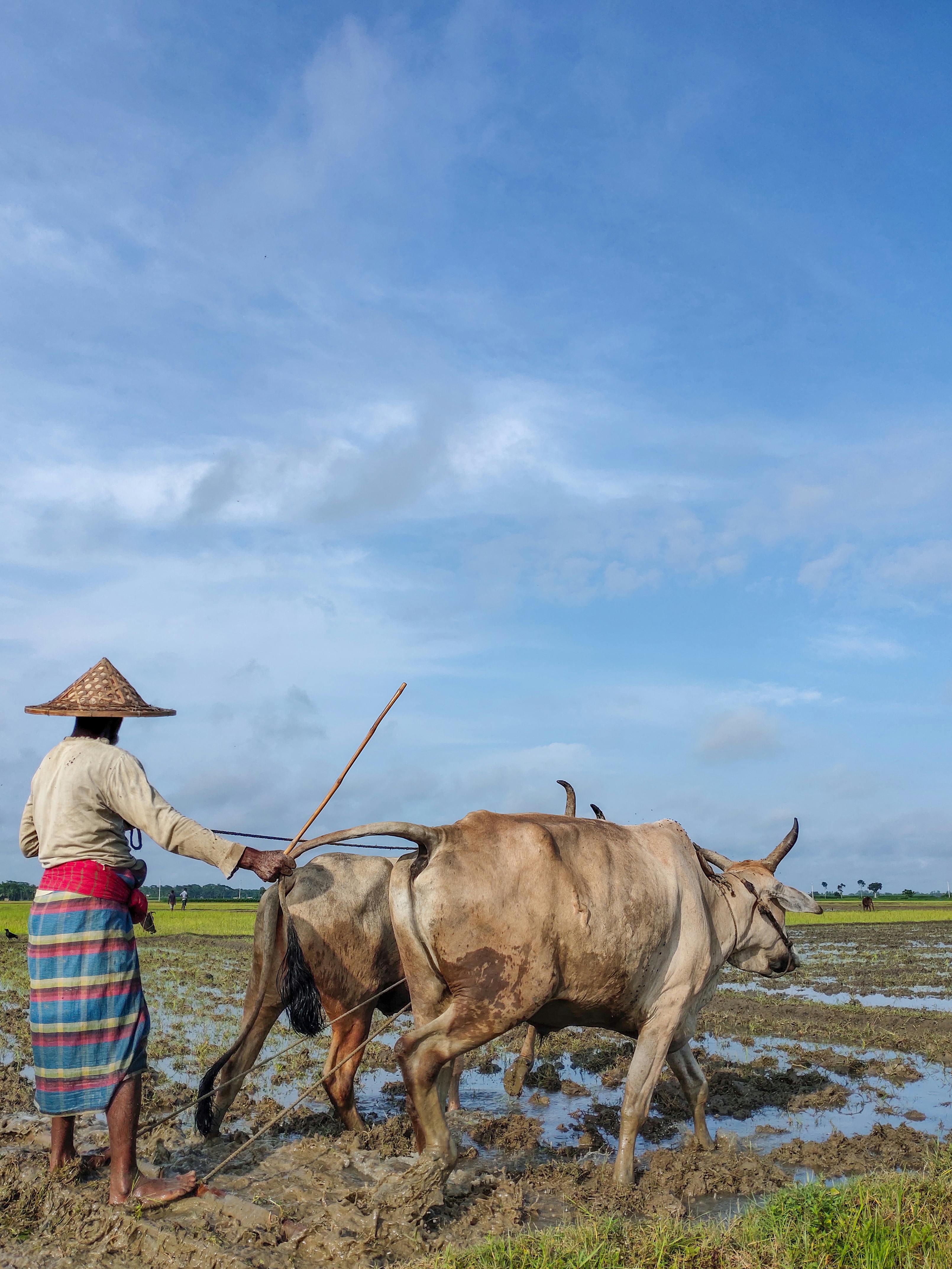
Kenya's agricultural sector, a cornerstone of its economy, is acutely vulnerable to climate change, particularly prolonged droughts. Traditional farming methods, often reliant on conventional plowing and chemical inputs, inadvertently exacerbate soil degradation and water loss, diminishing crop yields and farmer incomes. However, a growing awareness of sustainable agriculture and organic farming practices is paving the way for a more resilient future. Organic farming, in particular, is gaining momentum due to its benefits in enhancing soil fertility, conserving water, reducing erosion, and promoting biodiversity.
The imperative to adopt climate-smart agriculture has never been stronger. Smallholder farmers, who constitute the backbone of Kenya's food security, are at the forefront of this transformation. By integrating practices that are both environmentally sound and economically viable, they are not only safeguarding their farms against the whims of weather but also contributing to national food security and ecological health. The success stories emerging from various regions underscore the potential for widespread adoption and the profound impact these changes can have on individual prosperity and national development.
Key Insights & Strategies: Mastering Drought Mitigation

Drought mitigation isn't about fighting nature; it's about working with it. The core principles revolve around maximizing every drop of water, enriching soil health, and building resilient cropping systems. The 2024 KALRO trials vividly illustrate the efficacy of specific integrated strategies that can transform arid lands into productive farms.
Minimum Tillage: The Foundation of Soil Health
Conventional plowing disturbs the soil structure, leading to increased evaporation and erosion. Minimum tillage, conversely, keeps the soil largely undisturbed, preserving its natural layers, microbial life, and organic matter. This practice creates a healthier soil environment that acts like a sponge, significantly enhancing water infiltration and retention.
- Reduced Soil Disturbance: Limit plowing to only what is necessary for planting, often just creating a furrow or small hole.
- Improved Water Infiltration: Undisturbed soil maintains its natural porosity, allowing rainwater to penetrate deeper and be stored more effectively.
- Enhanced Organic Matter: Crop residues are left on the surface, breaking down to enrich the soil, further boosting its water-holding capacity.
Mulching: Nature's Protective Blanket
Mulching involves covering the soil surface with organic materials such as crop residues, straw, or wood chips. This simple yet powerful technique is a cornerstone of drought mitigation, directly combating moisture loss and improving soil conditions.
- Water Retention: Mulch acts as a barrier, drastically reducing evaporation from the soil surface, especially during dry spells.
- Temperature Regulation: It insulates the soil, keeping it cooler in hot weather and warmer during cold nights, protecting delicate root systems.
- Weed Suppression: By blocking sunlight, mulch naturally suppresses weed growth, reducing competition for water and nutrients. For farmers seeking a reliable organic option, consider using Blue Mountain Hay | Organic Garden Straw – available on Amazon, a USDA organic solution perfect for mulching.
Cover Crops: The Living Mulch and Soil Builder
Integrating cover crops, such as cowpeas, into farming systems offers multifaceted benefits. These non-cash crops are planted to cover the soil, protecting it from erosion, improving fertility, and outcompeting weeds.
- Nitrogen Fixation: Leguminous cover crops like cowpeas have the unique ability to fix atmospheric nitrogen, naturally enriching the soil and reducing the need for synthetic fertilizers. This can cut herbicide costs by 60%. Farmers can find high-quality options like Outsidepride Cowpeas Seeds – available on Amazon, designed for heat and drought tolerance.
- Weed Suppression: Their dense growth outcompetes weeds, further contributing to herbicide reduction.
- Soil Structure Improvement: Their root systems penetrate the soil, improving aeration and drainage, while their biomass adds organic matter.
Timing Planting with Precision
Accurate planting time is critical, especially when rainfall is erratic. Relying on traditional indicators can be risky. Modern tools offer a significant advantage.
- Soil Moisture Sensors: These devices provide real-time data on soil moisture levels, allowing farmers to plant precisely when the soil has adequate moisture from the first rains, maximizing germination and early growth. Boost your precision with the XLUX Soil Moisture Meter – available on Amazon, a simple and effective tool for accurate water monitoring.
- Weather Forecasting: Integrate reliable local weather forecasts to anticipate rainfall patterns and inform planting decisions.
- Raised Beds: Creating raised beds with organic mulch helps to maximize water retention and improve soil drainage, particularly beneficial in areas prone to flash floods or waterlogging after heavy rains.
These integrated strategies, proven in KALRO trials, not only defy conventional plowing norms but promise significant returns, with adopters in Laikipia County seeing a 30% increase in profits. To delve deeper into these and other cutting-edge sustainable farming solutions, explore sustainable organic farming solutions with Biofarm Kenya.
Case Studies: Kenyan Farmers Leading the Way
Across Kenya, resourceful farmers are demonstrating that drought mitigation is not just theoretical but entirely achievable and profitable. Their stories serve as powerful testaments to the efficacy of sustainable practices.
In Kitui County, a group of smallholder farmers, traditionally reliant on rain-fed maize, faced consistent crop failures due to erratic rainfall. Inspired by conservation agriculture principles, they transitioned to minimum tillage, mulching with maize stover, and intercropping with green grams (a drought-tolerant legume). The initial investment in training and basic equipment was modest, but the returns were significant. Within two seasons, they reported an average increase in maize yields by 35% and a notable reduction in water requirement. Furthermore, the improved soil health led to a decrease in pest infestations, lowering their input costs. This success was partly facilitated by local agricultural extension services promoting climate-smart practices.
Another inspiring example comes from a women's cooperative in Machakos County. Faced with persistent water scarcity, they adopted small-scale drip irrigation systems for their horticultural crops. Coupled with a strong emphasis on organic compost application, their vegetable production soared. The precision of drip irrigation minimized water waste, while the compost enriched their sandy soils, boosting water retention. Their produce, now healthier and more consistent, fetches premium prices in local markets, significantly improving household incomes. This demonstrates how even modest technological adoptions, when combined with sound organic practices, can yield substantial benefits. According to the Food and Agriculture Organization (FAO), such community-led initiatives are crucial for building resilience in vulnerable regions, showcasing that local innovation can drive national impact (Source: FAO Kenya).
Common Mistakes to Avoid: Pitfalls in Drought Resilience
While the path to drought resilience is promising, farmers often encounter common pitfalls that can undermine their efforts. Recognizing and addressing these mistakes is crucial for successful implementation of sustainable strategies.
- Over-Reliance on Conventional Plowing: Deep plowing disrupts soil structure, exposes precious moisture to evaporation, and destroys beneficial soil microorganisms. This traditional method, though seemingly effective in the short term, degrades soil health over time, making it less resilient to drought.
- Neglecting Soil Testing: Many farmers overlook regular soil testing, leading to uninformed decisions about nutrient application. Without understanding soil pH and nutrient deficiencies, fertilizers are often applied inefficiently, wasting resources and potentially harming the soil. As emphasized by local agricultural experts, consistent soil analysis is foundational to effective soil management.
- Inadequate Mulching or No Mulch at All: Failing to apply sufficient organic mulch or not mulching at all is a major missed opportunity. Bare soil is highly susceptible to moisture loss through evaporation and erosion from wind and rain, especially in hot, dry climates.
- Improper Irrigation Practices: Even with irrigation systems, inefficient watering methods can waste water. Over-watering can lead to nutrient leaching and waterlogging, while under-watering starves crops. Furthermore, using overhead sprinklers in arid conditions leads to significant evaporative losses before water reaches the plant roots.
- Ignoring Cover Crops: The failure to integrate cover crops means missing out on natural soil enrichment, weed suppression, and additional organic matter input. This often leads to increased reliance on synthetic fertilizers and herbicides, raising costs and environmental impact.
- Lack of Diversification: Monocropping leaves farms highly vulnerable to specific pest outbreaks, diseases, and market fluctuations, especially under drought stress. Diversifying crops, including drought-tolerant varieties, spreads risk and enhances agroecosystem resilience.
By avoiding these common errors and embracing science-backed, sustainable approaches, Kenyan farmers can build more robust and profitable farming systems capable of withstanding the challenges of a changing climate.
Expert Tips & Best Practices: Cultivating a Resilient Future
Building a drought-resilient farm requires a holistic approach, combining traditional wisdom with modern insights. Here are expert tips for Kenyan farmers aiming for sustainable success:
- Embrace Integrated Soil Fertility Management: Focus on building soil organic matter through compost, farmyard manure, and crop residues. This is the single most effective way to improve soil water retention and nutrient availability. For optimizing your compost, maintaining healthy soil with an Organic Compost Starter Mix like the VEVOR 5-Tray Worm Compost Bin – available on Amazon can significantly accelerate the process and produce nutrient-rich vermicompost.
- Strategic Water Harvesting: Implement simple, effective water harvesting techniques such as contour farming, terracing, and construction of small farm ponds or sub-surface dams to capture and store rainwater. Even small-scale systems can make a significant difference during dry periods.
- Choose Drought-Tolerant Varieties: Prioritize local and improved drought-tolerant crop varieties recommended by KALRO and other agricultural research institutions. These seeds are adapted to harsh conditions and offer better chances of survival and yield.
- Efficient Irrigation Systems: If irrigation is an option, invest in efficient systems like drip irrigation. This minimizes water loss through evaporation and delivers water directly to the plant roots. For small farms, a Standard Drip Irrigation Kit for Small Farms – available on Amazon can be a game-changer, providing targeted water delivery and reducing water usage.
- Agroforestry Integration: Plant trees and shrubs strategically on your farm. They provide shade, reduce wind erosion, improve soil fertility through leaf litter, and can tap into deeper water sources, creating a more favorable microclimate.
- Continuous Learning and Adaptation: Agriculture is dynamic. Stay informed about new research, technologies, and best practices. Participate in farmer field schools, workshops, and collaborate with local agricultural extension services. Your farm is a living laboratory; observe, learn, and adapt.
For further resources and collaborative opportunities, explore sustainable organic farming solutions with Biofarm Kenya. Their network connects farmers with essential knowledge, tools, and partnerships to build truly resilient and profitable enterprises.
Future Trends or Predictions: Innovation in Kenyan Agriculture
The future of Kenyan agriculture is poised for significant transformation, driven by technological advancements and an increasing commitment to sustainability. Several emerging trends promise to redefine farming practices and enhance resilience against climate change.
- Precision Agriculture and Smart Farming: The integration of IoT (Internet of Things) sensors, drones, and AI-driven analytics will enable farmers to monitor crop health, soil conditions, and weather patterns with unprecedented accuracy. This will lead to optimized resource use, from precise irrigation to targeted nutrient application, maximizing yields while minimizing waste.
- Vertical and Urban Farming: As land becomes scarcer and urbanization expands, vertical farms and controlled-environment agriculture will gain traction, especially in urban and peri-urban areas. These systems can produce high yields with minimal land and water, offering a solution for local food security and reducing transport costs.
- Climate-Resilient Crop Development: Continued research by institutions like KALRO will lead to the development of new crop varieties that are even more tolerant to drought, heat, and salinity, ensuring food security in increasingly challenging environments.
- Biotechnology and Bio-inputs: Advances in biotechnology will offer eco-friendly solutions for pest and disease management, while bio-fertilizers and bio-pesticides will reduce reliance on synthetic chemicals, aligning with organic farming principles.
- Decentralized Renewable Energy: Solar-powered irrigation systems and other off-grid energy solutions will become more accessible and affordable, empowering rural farmers with sustainable power for their agricultural operations.
- Blockchain for Supply Chain Transparency: Blockchain technology could enhance transparency and traceability in agricultural supply chains, ensuring fair prices for farmers and guaranteeing the authenticity of organic and sustainably produced goods for consumers.
These trends collectively point towards an agricultural sector that is not only highly productive but also deeply sustainable, economically viable, and resilient in the face of environmental uncertainties, securing a prosperous future for Kenyan farmers.
Conclusion: A Sustainable Path to Prosperity
Boosting farm profits with drought mitigation in Kenya is not merely an aspiration but a tangible reality achievable through the adoption of proven, sustainable strategies. The insights from KALRO trials, demonstrating 25% higher maize yields and 30% increased profits with minimum tillage, mulching, and cover crops, underscore a clear path forward. These practices, combined with precise planting and efficient water management, empower farmers to transform challenges into opportunities, securing their livelihoods and contributing to a healthier environment.
The journey towards a drought-resilient future demands a commitment to continuous learning, adaptation, and smart investment in tools that support sustainable growth. By embracing organic farming principles, leveraging local innovations, and integrating modern agricultural technologies, Kenyan farmers can build robust, profitable, and ecologically sound enterprises. The collective effort to champion these methods will not only safeguard individual farms but also bolster national food security and foster a greener, more prosperous Kenya.
Discover trusted organic farming tools on Amazon and learn more about sustainable solutions with Biofarm Kenya.
FAQs: Your Drought Mitigation Questions Answered
Here are some frequently asked questions regarding drought mitigation and sustainable farming in Kenya:
1. What are the primary benefits of minimum tillage in drought-prone areas of Kenya?
Minimum tillage significantly reduces soil moisture loss by preserving soil structure and organic matter, leading to better water infiltration and retention. It also minimizes soil erosion, protects beneficial soil organisms, and can lead to improved crop yields, as shown in 2024 KALRO trials with 25% higher maize yields in semi-arid regions. Learn more about KALRO's soil and water research.
2. How do cover crops like cowpeas enhance soil fertility and moisture retention?
Leguminous cover crops such as cowpeas fix atmospheric nitrogen into the soil, naturally enriching its fertility and reducing the need for synthetic fertilizers. Their root systems improve soil structure, increasing water infiltration and holding capacity, while their biomass adds organic matter. This practice also suppresses weeds, cutting herbicide costs. Explore FAO's insights on conservation agriculture.
3. What is the optimal timing for planting crops in Kenya's semi-arid regions to maximize water use?
Optimal planting time in semi-arid regions involves using soil moisture sensors to accurately determine when the soil has sufficient moisture from the first rains. This precision ensures high germination rates and robust early crop growth, maximizing the efficient use of limited water resources. Relying solely on calendar dates can be risky due to unpredictable rainfall patterns. Find resources from Kenya's Ministry of Agriculture on climate-smart agriculture.
4. How can small-scale Kenyan farmers affordably implement drip irrigation systems?
Small-scale farmers can implement affordable drip irrigation by utilizing local suppliers for basic kits, community-led initiatives for shared resources, and government or NGO support programs that offer subsidized equipment and training. Simple gravity-fed systems can be constructed with readily available materials, significantly reducing initial costs. Discover affordable irrigation solutions and partnerships with Biofarm Kenya.
5. What are the key differences between organic and conventional farming in terms of drought resilience?
Organic farming typically builds healthier soils rich in organic matter, which significantly improves water retention and overall soil resilience to drought. It avoids synthetic chemicals that can harm soil biology, further enhancing natural water cycling. Conventional farming, with its reliance on synthetic inputs and often intensive tillage, can degrade soil over time, making it less able to withstand dry spells. Learn about NEMA's role in environmental management in Kenya.
6. Where can Kenyan farmers access reliable training and resources for sustainable drought mitigation strategies?
Reliable training and resources are available through institutions like KALRO (Kenya Agricultural and Livestock Research Organization), the Ministry of Agriculture's extension services, various agricultural NGOs, and organizations like Biofarm Kenya. These bodies offer workshops, field demonstrations, and technical support on climate-smart agriculture, organic farming, and drought-resilient practices. Visit the KALRO website for research and training programs.
Authoritative External Links:
- FAO Kenya: Building Climate Resilience
- Kenya Agricultural and Livestock Research Organization (KALRO)
- Ministry of Agriculture, Livestock, Fisheries and Cooperatives, Kenya
- World Agroforestry Centre (ICRAF)
- National Environment Management Authority (NEMA), Kenya
- Kew Gardens: Kenyan Agriculture & Climate Change Project
Internal Biofarm Kenya Links:


0 Comments