

Estimated Reading Time: 11 minutes
TL;DR:
- Lablab intercropping with maize offers a robust, sustainable solution for Kenyan farmers facing climate change.
- This KARI-proven practice significantly improves soil health, increases moisture retention by up to 25%, and enhances nitrogen fixation, reducing the need for synthetic fertilizers.
- Farmers can achieve dual income streams and greater food security by carefully managing planting ratios (2:1 maize:lablab), pest control, and harvest timing.
- Debunk the myth that legumes 'steal' nutrients; instead, they enrich the soil, fostering a healthier ecosystem for both crops.
- Embrace modern agricultural tools and sustainable practices to maximize the benefits of intercropping and build resilient farm systems.
Key Takeaways:
- Implement optimal 2:1 maize-to-lablab planting ratios for maximum yield and resource efficiency.
- Prioritize integrated pest management strategies tailored for dual crops to protect your investment.
- Master the art of staggered harvesting to capitalize on both maize and lablab income streams.
- Regularly conduct soil testing to monitor nutrient levels and tailor your soil enrichment strategies.
- Explore sustainable organic farming solutions and resources from Biofarm Kenya to enhance your farm's resilience.
Table of Contents:
- Introduction: Cultivating Resilience in Kenyan Agriculture
- Background & Context: The Shifting Sands of Kenyan Farming
- Key Insights & Strategies: Mastering Maize-Lablab Intercropping
- Case Studies & Comparisons: Success Stories from the Field
- Common Mistakes to Avoid: Navigating Intercropping Challenges
- Expert Tips & Best Practices: Elevating Your Farm's Potential
- Future Trends & Predictions: The Horizon of Sustainable Agriculture in Kenya
- Conclusion: Sowing Seeds of a Resilient Future
- Frequently Asked Questions (FAQs)
Introduction: Cultivating Resilience in Kenyan Agriculture
The agricultural landscape in Kenya is at a pivotal crossroads. Faced with increasingly erratic rainfall patterns, soil degradation, and rising input costs, Kenyan farmers increasingly seek resilient, low-cost strategies amid erratic rainfall. For generations, traditional farming methods have sustained communities, but the imperative for sustainable and climate-smart solutions has never been more urgent. Among the most promising innovations is lablab intercropping with maize—a practice historically challenged as 'too risky' by traditionalists but now gaining significant traction.
This comprehensive guide delves into the transformative potential of intercropping maize with lablab, a versatile legume. Recent findings, including those by the 2025 Kenya Agricultural Research Institute (KARI), unequivocally demonstrate lablab's multifaceted benefits: it effectively fixes nitrogen, suppresses weeds, and crucially, increases soil moisture retention by an impressive 25%. This innovation empowers farmers not only to bolster their yields but also to secure dual income streams, mitigating financial risks associated with single-crop failures. We aim to debunk the long-held myth that legumes 'steal' nutrients from cereals, showcasing instead how they create a symbiotic relationship that enhances overall soil fertility and crop productivity. Trainees must master optimal planting ratios (typically 2:1 maize:lablab), integrated pest management for dual crops, and precise harvest timing to maximize these dual-income streams. Join us as we explore how this intelligent intercropping strategy is set to redefine farm resilience across Kenya.
Background & Context: The Shifting Sands of Kenyan Farming
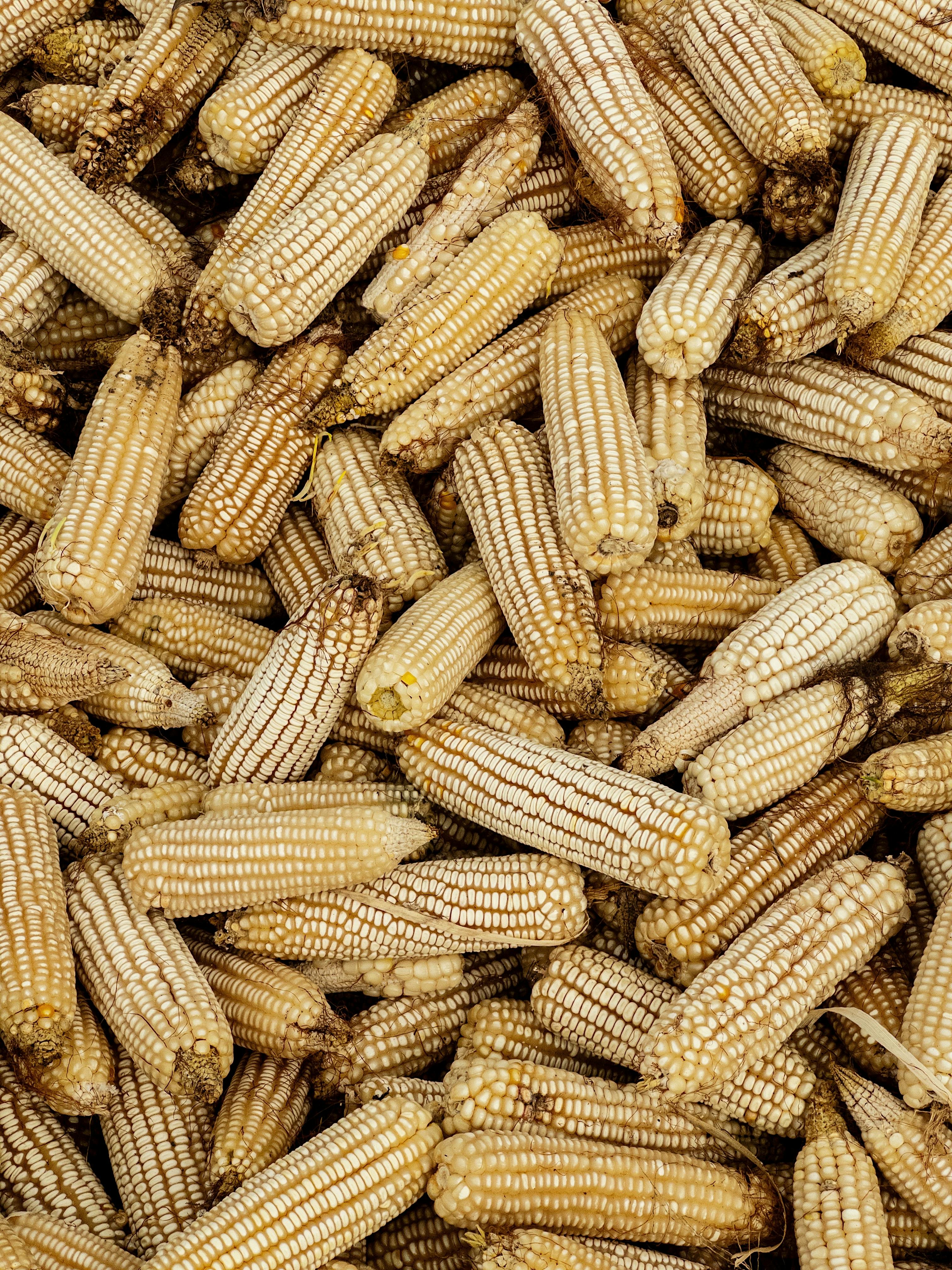
Kenya's agricultural sector, the backbone of its economy, contributes significantly to the GDP and employs a vast majority of the rural population. However, it grapples with formidable challenges, primarily climate change, which manifests through prolonged droughts, unpredictable rainfall, and increased pest infestations. These factors severely impact food security and farmers' livelihoods. Traditional monoculture practices, while familiar, often exacerbate these issues by depleting soil nutrients, reducing biodiversity, and leaving farms vulnerable to single crop failures.
In this context, sustainable agriculture and organic farming practices are no longer niche interests but essential survival strategies. Data from the Kenya Organic Agriculture Network (KOAN) indicates a steady increase in the adoption of organic farming, driven by both local and international demand for healthier produce and a growing awareness of environmental stewardship. Organic farming, at its core, emphasizes soil health, biodiversity, and ecological balance – principles that lablab intercropping perfectly embodies. It’s about working with nature, not against it, to create resilient and productive farm ecosystems.
Key Insights & Strategies: Mastering Maize-Lablab Intercropping

1. Optimal Planting Ratios & Spacing for Synergy
The success of maize-lablab intercropping hinges on striking the right balance. Research, particularly from KARI, suggests a 2:1 maize-to-lablab ratio as optimal for maximizing both crop yields without excessive competition. This means planting two rows of maize for every one row of lablab, or strategically placing lablab between maize plants within rows. Proper spacing ensures adequate sunlight, nutrient access, and air circulation for both crops. Too dense, and the lablab might compete too aggressively with maize; too sparse, and you lose out on the benefits of intercropping.
- Row Configuration: Implement alternating rows or within-row planting to allow sufficient space for each crop's growth.
- Timing is Key: Plant maize first, then introduce lablab 2-3 weeks later to give the maize a head start and minimize early competition.
- Observation: Regularly monitor plant growth and adjust future planting densities based on your specific soil and climatic conditions.
For farmers aiming to improve soil fertility and plant health, consider incorporating quality organic inputs. The Down To Earth All Natural Fertilizers Organic All Purpose – available on Amazon, provides essential nutrients, promoting vigorous growth and supporting the symbiotic relationship in intercropping systems.
2. Integrated Pest Management for Dual Crops
Intercropping naturally enhances biodiversity, which can help manage pests by attracting beneficial insects. However, dual crops mean monitoring for pests that might target either maize or lablab. An integrated pest management (IPM) approach is crucial.
- Regular Scouting: Inspect your fields frequently for signs of pests or diseases on both maize and lablab.
- Biological Controls: Encourage natural predators by maintaining diverse farm ecosystems.
- Organic Solutions: Utilize organic pesticides as a last resort, ensuring they are safe for both crops and the environment.
- Crop Rotation: While intercropping is a form of diversification, continue to rotate the entire intercrop system with other crops in subsequent seasons.
Protecting your crops from common garden pests naturally is vital for organic farming. The Earth's Ally 3-in-1 Plant Spray for Pests and Disease – available on Amazon, offers an organic solution, acting as an insecticide, fungicide, and spider mite control, perfect for dual-crop systems.
3. Strategic Harvest Timing for Maximized Income
One of the significant advantages of intercropping is the potential for dual income. Lablab can be harvested for its nutritious leaves, pods, or as a cover crop. Maize is harvested for grain. Strategic timing ensures you reap the maximum benefit from both.
- Staggered Harvesting: Lablab leaves can be harvested multiple times throughout its growth cycle, providing early income or fodder.
- Maize Maturity: Monitor maize for its optimal maturity for grain harvest, ensuring lablab doesn't hinder the process.
- Post-Harvest Benefits: After maize harvest, the lablab can continue to grow, providing additional biomass for soil enrichment or a late-season harvest.
For more advanced sustainable farming techniques and access to high-quality agricultural inputs, explore sustainable organic farming solutions with Biofarm Kenya.
Case Studies & Comparisons: Success Stories from the Field
The benefits of maize-lablab intercropping are not just theoretical; they are being realized by progressive farmers across Kenya. In Western Kenya, for instance, a project supported by the Food and Agriculture Organization (FAO) demonstrated significant yield increases and improved soil health in fields adopting legume intercropping. Farmers reported better resilience to dry spells and a noticeable reduction in the need for synthetic nitrogen fertilizers, directly translating to cost savings and environmental benefits.
One such success story comes from Kisumu County, where Jane Odinga, a smallholder farmer, embraced lablab intercropping after attending a KARI-sponsored workshop. Before, her maize yields were inconsistent, and her soil was visibly depleted. After two seasons of intercropping with lablab, she observed a remarkable change. Her maize yields increased by over 30%, attributed to the improved soil fertility and moisture retention. The lablab itself provided a valuable source of protein for her livestock, and the surplus pods were sold at the local market, offering an additional income stream. Jane's farm became a local demonstration site, inspiring neighbors to adopt the practice.
Comparatively, neighboring farms that continued with monoculture maize experienced lower yields and higher input costs, particularly for fertilizers and weed control. The intercropped fields also showed significantly less erosion during heavy rains, underscoring the lablab's role as an effective cover crop. These real-world examples illustrate the tangible economic and ecological advantages of moving away from conventional methods towards more integrated and sustainable farming systems.
Common Mistakes to Avoid: Navigating Intercropping Challenges
While intercropping offers numerous advantages, it's not without its potential pitfalls. Awareness and proactive measures can help farmers avoid common mistakes that might undermine success.
- Incorrect Planting Ratios and Spacing: Planting too many lablab plants too close to maize can lead to excessive competition for light and nutrients, ultimately reducing maize yield. Conversely, too few lablab plants diminish the benefits of nitrogen fixation and weed suppression. Always adhere to recommended ratios like 2:1 maize:lablab and ensure adequate spacing.
- Ignoring Soil Health Baseline: Assuming your soil is uniformly fertile is a mistake. Different parts of your farm might have varying nutrient levels or pH. Failing to conduct an initial soil test can lead to suboptimal growth for either crop.
- Inadequate Pest and Disease Monitoring: While intercropping can deter some pests, it also creates a more complex ecosystem where new pest dynamics can emerge. Neglecting regular scouting or misidentifying pests can lead to widespread crop damage.
- Improper Water Management: Relying solely on rainfall, especially during critical growth stages, can jeopardize both crops. While lablab improves moisture retention, supplemental irrigation might still be necessary during prolonged dry spells.
- Late or Poor Weed Control: Although lablab suppresses weeds, it doesn't eliminate them entirely. Allowing weeds to establish early can significantly impact crop growth, especially for young maize plants, before the lablab canopy fully develops.
- Using Uncertified Seeds: Starting with low-quality or uncertified maize and lablab seeds can introduce diseases, reduce germination rates, and lead to poor yields, negating the effort of intercropping.
Expert Tips & Best Practices: Elevating Your Farm's Potential
To truly unlock the potential of maize-lablab intercropping and enhance your farm's overall resilience, consider these expert tips and best practices, drawing from the latest agricultural science and local expertise.
- Invest in Soil Diagnostics: Regularly test your soil to understand its nutrient profile, pH, and organic matter content. This allows for precise amendments and maximizes the effectiveness of lablab's nitrogen-fixing capabilities. A comprehensive Rapitest Soil Test Kit for Gardens, Vegetables, Flowers and Lawns – available on Amazon, can be an invaluable tool for this, empowering you to make data-driven decisions.
- Embrace Water-Efficient Irrigation: Even with improved soil moisture retention from lablab, supplementary watering during dry periods is crucial. Drip irrigation systems deliver water directly to the root zone, minimizing waste and maximizing efficiency. Consider a reliable CARPATHEN Drip Irrigation System Kit – available on Amazon, to ensure your crops receive consistent moisture.
- Harness the Power of Composting: Enhance soil fertility and structure by incorporating your own compost. Lablab residues, combined with other organic matter, can be turned into nutrient-rich compost. To accelerate this process, use a high-quality Espoma CS4 4 Lb Organic Compost Starter – available on Amazon.
- Continuous Learning and Adaptation: Agricultural science is always evolving. Stay informed about new lablab varieties, improved intercropping techniques, and climate-smart farming innovations through local agricultural extension services, farmer cooperatives, and reputable online resources.
- Record Keeping: Document everything—planting dates, rainfall, fertilizer applications, pest observations, and yields. This data is invaluable for understanding what works best on your specific farm and for making informed decisions in future seasons.
- Community Engagement: Share your successes and challenges with fellow farmers. Learning from each other's experiences fosters a strong agricultural community and accelerates the adoption of beneficial practices.
By integrating these practices, you can create a more robust, productive, and sustainable farming system. For further resources and partnerships in sustainable agriculture, explore sustainable organic farming solutions with Biofarm Kenya.
Future Trends & Predictions: The Horizon of Sustainable Agriculture in Kenya
The future of Kenyan agriculture is poised for significant transformation, driven by innovation, technology, and a renewed commitment to sustainability. As climate change continues to pose challenges, smart, data-driven farming practices will become increasingly crucial.
- Precision Agriculture and IoT: Expect a surge in the adoption of precision agriculture technologies. This includes IoT (Internet of Things) sensors for real-time monitoring of soil moisture, nutrient levels, and weather conditions. Drones will likely be used for aerial imaging, providing insights into crop health and pest detection, allowing farmers to apply inputs precisely where and when needed, minimizing waste.
- AI and Machine Learning: Artificial intelligence and machine learning will play a growing role in predictive analytics. AI-powered platforms can analyze vast amounts of data—from historical weather patterns to market prices—to provide farmers with actionable advice on planting times, crop choices, and optimal harvest schedules, further de-risking farming operations.
- Vertical Farming and Hydroponics: In urban and peri-urban areas, vertical farming and hydroponics are gaining traction. These methods offer high-yield production in limited spaces, using significantly less water and often without soil. While not directly related to field intercropping, they represent an important trend towards diversified food production systems.
- Enhanced Biopesticides and Biofertilizers: The demand for organic and environmentally friendly inputs will continue to drive innovation in biopesticides and biofertilizers. These natural alternatives will offer effective pest control and nutrient delivery without the ecological footprint of synthetic chemicals, aligning perfectly with sustainable practices like intercropping.
- Climate-Resilient Crop Varieties: Ongoing research will lead to the development of new, climate-resilient crop varieties that are more tolerant to drought, heat, and new pest strains. This includes improving existing varieties of maize and lablab to maximize their intercropping synergy.
- Blockchain for Traceability: To meet the growing consumer demand for transparency and accountability, blockchain technology may be increasingly used to trace produce from farm to fork, ensuring authenticity and quality, particularly for organic and sustainably grown crops.
These trends highlight a future where Kenyan agriculture is not only more productive but also more resilient, efficient, and environmentally responsible, ensuring food security and economic prosperity for generations to come. The continued integration of traditional wisdom with cutting-edge technology will be key to navigating the challenges ahead.
Conclusion: Sowing Seeds of a Resilient Future
Lablab intercropping with maize represents a powerful, accessible, and scientifically validated strategy for Kenyan farmers seeking to build resilience against the unpredictable forces of climate change and economic volatility. By embracing this KARI-proven practice, farmers can transform their fields into vibrant, productive ecosystems that not only yield dual income streams but also fundamentally enrich the soil, conserve precious water resources, and reduce reliance on expensive synthetic inputs.
The journey towards sustainable agriculture is continuous, demanding a blend of traditional ecological knowledge, modern scientific insight, and a willingness to adapt. The debunking of old myths, coupled with the clear advantages of improved soil moisture retention, nitrogen fixation, and weed suppression, positions maize-lablab intercropping as a cornerstone of climate-smart farming in Kenya. By mastering optimal planting ratios, practicing diligent pest management, and timing harvests strategically, farmers can secure a more prosperous and sustainable future.
As we look to the horizon, the integration of innovative tools and a commitment to regenerative practices will be paramount. Discover trusted organic farming tools and supplies on Amazon and learn more about sustainable solutions with Biofarm Kenya. Together, we can cultivate a future where Kenyan farms are not just surviving, but thriving.
Frequently Asked Questions (FAQs)
Q1: What are the primary benefits of intercropping maize with lablab for Kenyan farmers?
A1: The primary benefits include enhanced soil fertility through nitrogen fixation, increased soil moisture retention (up to 25% as per KARI findings), significant weed suppression, reduced need for synthetic fertilizers, and the creation of dual income streams from both maize grain and lablab (for fodder or food). This combination leads to greater farm resilience and profitability. (Frontiers in Plant Science)
Q2: What is the recommended planting ratio for maize and lablab, and why is it important?
A2: A common recommendation, supported by KARI research, is a 2:1 maize-to-lablab ratio. This ratio is crucial because it balances the competitive dynamics between the two crops, ensuring that maize receives sufficient light and nutrients while lablab provides its beneficial effects without hindering maize yield. Incorrect ratios can lead to suboptimal growth for one or both crops. (ResearchGate)
Q3: Does lablab intercropping genuinely increase soil moisture retention? If so, by how much?
A3: Yes, lablab intercropping significantly increases soil moisture retention. KARI findings, specifically from 2025 research, highlight an increase in soil moisture retention by up to 25%. This is primarily due to lablab's dense canopy, which reduces direct sun exposure and evaporation from the soil surface, and its extensive root system that improves soil structure and organic matter content, further enhancing water-holding capacity. (Biofarm Kenya)
Q4: How does lablab intercropping help with weed suppression?
A4: Lablab, with its vigorous growth and broad leaf canopy, effectively smothers weeds by competing for sunlight, water, and nutrients. This natural weed suppression reduces the need for manual weeding or herbicides, saving labor and input costs, and contributing to a more organic farming system. (PMC NCBI)
Q5: What are the common challenges or mistakes to avoid when implementing maize-lablab intercropping?
A5: Common mistakes include incorrect planting ratios leading to competition, neglecting initial soil testing, inadequate pest and disease monitoring, improper water management during dry spells, and poor early-stage weed control. Using uncertified seeds is another pitfall. Overcoming these requires careful planning, consistent monitoring, and adherence to best practices. (LinkedIn Agriculture Insights)
Q6: Where can Kenyan farmers find reliable information and resources for sustainable organic farming?
A6: Kenyan farmers can find reliable information and resources from several sources, including the Kenya Agricultural Research Institute (KARI), the Food and Agriculture Organization (FAO) country office in Kenya, local agricultural extension services, farmer cooperatives, and reputable organizations like Biofarm Kenya. These bodies provide training, research findings, and practical guidance on sustainable organic farming methods, including intercropping. (Biofarm Kenya)
External Authoritative Links:
- Farmers' Participatory Plant Selection of Lablab (Lablab purpureus L.) - Frontiers in Plant Science
- FAO Kenya: Supporting resilient livelihoods and food systems
- Contribution of the Dolichos Lablab value chain to farmer's ... - PMC NCBI
- Maize–lablab intercropping is promising in supporting the sustainable intensification of smallholder cropping systems under high climate risk in southern Africa - ResearchGate
- Survey reveals a steady growth in organic farming in Kenya - Kenya News Agency
- Common Maize-Bean Intercropping Mistakes to Avoid - LinkedIn (Baraka Mwamkinga)
Internal Biofarm Kenya Links:


0 Comments