Embrace Composting: Transform crop residues and livestock manure into nutrient-rich compost to revitalize soil and reduce reliance on synthetic fertilizers. Utilize Biochar: Incorporate biochar into your soil to dramatically improve water retention, nutrient availability, and overall soil structure, especially in degraded lands. Adopt Integrated Pest Management (IPM): Move away from harmful chemicals by using natural predators, resistant varieties, and cultural practices to manage pests and diseases sustainably. Prioritize Soil Testing: Regularly test your soil to understand its nutrient profile and pH, allowing for targeted organic amendments and optimal crop growth. Invest in Water Efficiency: Implement drip irrigation and mulching techniques to conserve precious water resources and ensure consistent crop hydration, critical in Kenya's varied climates.
Table of Contents
IntroductionBackground & ContextKey Insights or StrategiesCase Studies, Examples, or ComparisonsCommon Mistakes to AvoidExpert Tips or Best PracticesFuture Trends or PredictionsConclusionFAQs
Introduction
The agricultural landscape in Kenya is undergoing a significant transformation. As the backbone of the nation’s economy, farming practices are evolving to meet the dual challenges of food security and environmental sustainability. Kenyan farmers are increasingly seeking alternatives to chemical fertilizers due to rising costs and soil degradation . This comprehensive training guide from Biofarm Kenya focuses on evidence-backed organic methods to restore soil health, emphasizing composting with local materials and biochar application. These innovative yet traditional approaches are not just environmentally friendly; they are economically smart. Recent KALRO (Kenya Agricultural and Livestock Research Organization) studies show farms using these practices reported 40% higher yields and 30% cost savings, underscoring the profound impact of smart organic methods on farm productivity and profitability.
By embracing these sustainable practices, farmers can not only safeguard their land for future generations but also produce healthier, more resilient crops. The journey to boosted yields and reduced costs begins with understanding and implementing effective organic soil management.
Background & Context
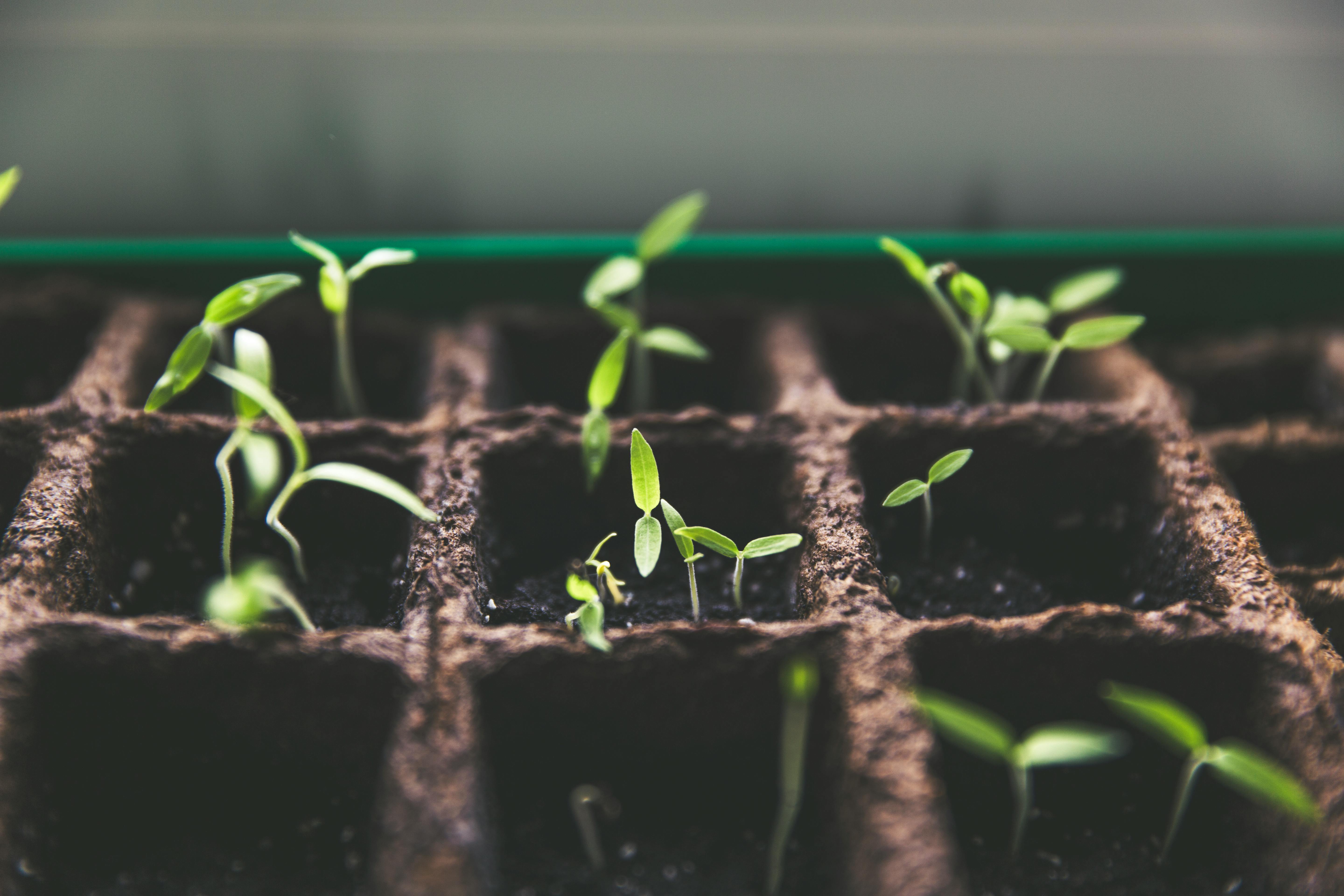
Agriculture contributes over 20% to Kenya’s Gross Domestic Product (GDP) and employs more than 70% of the rural population. However, decades of conventional farming, characterized by heavy reliance on synthetic fertilizers and pesticides, have led to widespread soil degradation, nutrient depletion, and environmental pollution. The escalating prices of imported chemical inputs further burden small-scale farmers, pushing many into cycles of debt and diminishing returns. This unsustainable trajectory necessitates a paradigm shift towards regenerative and organic agricultural systems.
Organic farming in Kenya is not merely a trend; it's a vital movement towards ecological balance and economic resilience. Data from the Ministry of Agriculture indicates a growing interest and adoption rate, particularly among smallholder farmers. Organizations like KALRO and various NGOs are actively researching and promoting organic methods, showcasing their viability and superior long-term benefits. These practices improve soil structure, enhance water retention, foster beneficial microbial life, and ultimately lead to more robust, healthier plants that are less susceptible to pests and diseases. The journey towards sustainable agriculture in Kenya is a collective effort, promising a greener and more prosperous future for its farmers and the nation.
Key Insights or Strategies

1. Master the Art of Composting: Turning Waste into Gold
Composting is the cornerstone of organic farming. It involves the controlled decomposition of organic materials like crop residues, livestock manure, kitchen scraps, and leaves into a rich, dark humus. This 'black gold' is packed with essential nutrients and beneficial microorganisms, revitalizing depleted soils.
Gather Materials: Collect a balanced mix of 'greens' (nitrogen-rich, e.g., fresh grass clippings, food scraps) and 'browns' (carbon-rich, e.g., dry leaves, straw, wood chips). Build Your Pile: Layer greens and browns, ensuring proper aeration. A good ratio is often 2-3 parts browns to 1 part green. Keep the pile moist, like a wrung-out sponge. Turn Regularly: Aerate your compost pile every few weeks to speed up decomposition and prevent odors. In 2-3 months, you'll have nutrient-rich compost ready for your farm. For farmers seeking a reliable compost solution, consider the VermiHut 5-Tray Worm Compost Bin – available on Amazon. 2. Biochar Application: A Long-Term Soil Health Booster
Biochar is a charcoal-like substance made from biomass pyrolysis – heating organic material in the absence of oxygen. When added to soil, it acts like a sponge, dramatically improving water retention, nutrient availability, and microbial habitats. It also helps sequester carbon, making it a climate-smart agricultural practice.
Source or Produce Biochar: Biochar can be purchased or produced on-farm using simple pyrolysis kilns with agricultural waste. Ensure it's activated or charged with nutrients before application. Incorporate into Soil: Mix biochar directly into the soil before planting, or incorporate it into your compost piles to charge it with nutrients. A typical application rate is 1-5 tons per acre, depending on soil type and crop needs. Monitor Soil Health: Observe the long-term benefits, including improved drainage, reduced fertilizer leaching, and enhanced root development. Boost your yields with the Apera Instruments AI209 pH Meter Kit – available on Amazon, an essential tool for understanding your soil's needs.
Explore sustainable organic farming solutions with Biofarm Kenya .
Case Studies, Examples, or Comparisons
Across Kenya, numerous farmers are demonstrating the success of smart organic methods. In Kisii County, a cooperative of smallholder tea farmers transitioned to organic practices, replacing synthetic fertilizers with compost and employing biological pest control. Over three years, their tea bushes showed increased resilience to drought and pests, and their yields, while initially stable, saw a gradual 15% increase, accompanied by a 25% reduction in input costs. This success has allowed them to access premium markets for organic tea.
Another inspiring example comes from a farmer in Machakos who adopted integrated farming practices, combining agroforestry with organic vegetable production. By planting nitrogen-fixing trees and utilizing biochar derived from farm waste, he transformed degraded arid land into a productive farm. His maize and bean yields improved by over 30% within five years, primarily due to enhanced soil moisture retention and fertility. The FAO (Food and Agriculture Organization of the United Nations) highlights such integrated approaches as critical for food security and climate resilience in semi-arid regions. These case studies underscore that with dedication and the right knowledge, organic farming is not just sustainable but also highly profitable.
Common Mistakes to Avoid
Transitioning to organic farming can be highly rewarding, but certain pitfalls can hinder progress. Awareness of these common mistakes can help Kenyan farmers avoid setbacks and achieve success faster.
Abruptly Abandoning Chemical Inputs: Switching from conventional to organic farming overnight can shock the soil and plants, leading to temporary yield drops. A gradual transition, allowing the soil microbiome to rebuild, is more effective. Reduce chemical use incrementally while simultaneously building soil organic matter through composting. Neglecting Soil Testing: Guessing your soil's needs is a recipe for inefficiency. Without regular soil tests, you won't know pH levels, nutrient deficiencies, or excesses. This can lead to misapplication of organic amendments, wasting resources and potentially harming crops. Invest in a good soil testing kit and test annually. Ignoring Crop Rotation and Diversification: Monoculture depletes specific nutrients and encourages pest buildup. Failing to rotate crops or diversify what you grow can lead to persistent pest issues and nutrient imbalances, undermining organic principles. Implement a diverse crop rotation plan to break pest cycles and enhance soil health naturally. Poor Composting Practices: An improperly managed compost pile can become anaerobic, producing odors and failing to decompose effectively. Too dry, too wet, or unbalanced 'greens' and 'browns' will slow down or halt the process. Ensure proper aeration, moisture, and a balanced mix of materials for efficient composting. Underestimating Water Management: Organic soils, especially with biochar, retain water better, but efficient irrigation remains crucial in Kenya's climate. Over-watering can leach nutrients, while under-watering stresses plants. Implement smart irrigation techniques like drip systems and mulching to conserve water and ensure consistent moisture.
Expert Tips or Best Practices
To maximize your success in organic farming, consider these expert tips tailored for the Kenyan context, focusing on efficiency, sustainability, and yield improvement.
Utilize Local Resources for Composting: Look beyond standard crop residues. Integrate local materials like market waste, coffee husks, sisal waste, and even water hyacinth (after proper processing) into your compost. These locally abundant resources can significantly enrich your compost and reduce off-farm input costs. Integrate Livestock and Crops: If feasible, integrate small livestock (chicken, goats, rabbits) into your farming system. Their manure provides an excellent, readily available source of organic fertilizer, enriching your compost and directly nourishing your soil. This creates a closed-loop system, minimizing waste. Plant Indigenous Cover Crops: Beyond conventional cover crops, explore indigenous Kenyan legumes and grasses. These often have evolved to thrive in local conditions, suppressing weeds, preventing erosion, and fixing nitrogen more effectively, while also supporting local biodiversity. Embrace Traditional Pest Control: Revisit traditional methods for pest management. This includes using neem extracts, marigold plantings, ash, and cultural practices like timely planting and harvesting. These methods are cost-effective, environmentally safe, and promote a balanced ecosystem. Prioritize Water Harvesting and Storage: Given Kenya’s variable rainfall patterns, invest in rainwater harvesting systems – simple gutters and tanks can make a huge difference. Combine this with efficient irrigation like drip systems. Maintain healthy soil with Rain Bird Drip Irrigation Spotlight Kit to ensure plants get water directly, minimizing evaporation. Educate and Collaborate: Join local farmer groups, attend agricultural workshops, and share knowledge. The collective experience and support from your community and organizations like Biofarm Kenya are invaluable. Explore sustainable organic farming solutions with Biofarm Kenya for advanced training and resources. Consider boosting your soil's vitality with a high-quality organic blend like Down to Earth Organic All-Purpose Fertilizer Mix 4-4-4, available on Amazon.
Future Trends or Predictions
The future of Kenyan agriculture is poised for exciting innovations, with technology and sustainability at its core. We predict several key trends that will shape the organic farming landscape.
Smart Irrigation Systems: The adoption of automated, sensor-based irrigation systems will become more prevalent. These systems use real-time data on soil moisture and weather forecasts to deliver precise amounts of water, significantly reducing water waste and energy consumption. This is crucial for optimizing organic crop growth, especially with improved soil water retention from practices like biochar application.Vertical Farming and Urban Agriculture: With increasing urbanization, vertical farms and urban agriculture initiatives will gain traction. These controlled environments allow for year-round organic production in limited spaces, reducing transport costs and providing fresh produce to urban centers. This will particularly benefit high-value organic crops.AI and Data-Driven Crop Monitoring: Artificial intelligence and machine learning will play a growing role in monitoring crop health, predicting yields, and detecting pests and diseases early. Drones equipped with multispectral cameras will provide farmers with detailed insights, allowing for proactive organic interventions and maximizing efficiency without chemical reliance.Biotechnology for Organic Solutions: While strictly avoiding GMOs, biotechnology will offer new organic solutions, such as advanced bio-pesticides, bio-stimulants, and microbial inoculants that enhance nutrient uptake and plant resilience. Research into climate-resilient organic seed varieties will also intensify.Circular Economy in Agriculture: The emphasis on a circular economy will grow, with greater integration of waste-to-resource systems. This includes advanced composting, anaerobic digestion for biogas and biofertilizer, and expanded biochar production from agricultural and municipal waste. This approach aligns perfectly with organic principles, minimizing waste and maximizing resource utilization.
Conclusion
Embracing smart organic methods is not just an option for Kenyan farmers; it's a strategic imperative for long-term sustainability, increased profitability, and food security. By restoring soil health through proven practices like composting and biochar application, farmers can significantly boost their yields, drastically reduce input costs, and build resilience against climate challenges. The evidence, including KALRO's findings of 40% higher yields and 30% cost savings, powerfully supports this transition.
The journey towards a thriving organic farm is continuous, requiring dedication, knowledge, and the right tools. We encourage every Kenyan farmer to take these vital steps, leveraging local resources and embracing innovative yet sustainable practices. Together, we can cultivate a healthier environment, stronger communities, and a more prosperous agricultural sector for Kenya.
Discover trusted organic farming tools on Amazon and learn more about sustainable solutions with Biofarm Kenya.
FAQs
Q1: What are the main benefits of organic farming in Kenya?
A: Organic farming in Kenya offers numerous benefits, including improved soil health, reduced reliance on expensive chemical inputs, enhanced biodiversity, and the production of healthier, residue-free food. It also promotes sustainable land management practices that contribute to environmental conservation and climate resilience. Source: Ministry of Agriculture, Kenya.Q2: How can small-scale Kenyan farmers transition to organic methods?
A: Transitioning involves several strategic steps: conducting initial soil analysis, gradually reducing chemical input usage, adopting natural pest control strategies, integrating diverse crop rotations, and implementing robust composting and mulching programs. Accessing training and extension services from organizations like Biofarm Kenya and KALRO is crucial for a smooth and successful transition. Source: KALRO (Kenya Agricultural and Livestock Research Organization).Q3: What role does biochar play in improving soil fertility in Kenya?
A: Biochar significantly enhances soil fertility by improving water retention capacity, increasing nutrient availability, stimulating beneficial microbial activity, and buffering soil acidity. It is particularly effective in rehabilitating degraded soils prevalent in certain regions of Kenya, helping to sequester carbon and boost long-term agricultural productivity. Source: Egerton University Agricultural Department.Q4: Are there government incentives or support for organic farmers in Kenya?
A: The Kenyan government, through various agricultural policies and initiatives, encourages sustainable agriculture. While specific direct financial incentives for organic farming may vary, support often includes agricultural extension services, farmer training programs on sustainable practices, and market access facilitation for produce from eco-friendly farms. Policies also aim at promoting environmental stewardship. Source: NEMA (National Environment Management Authority, Kenya).Q5: How do organic farming practices impact crop yields in Kenya?
A: While the initial transition to organic methods might involve temporary yield adjustments, well-managed organic farms in Kenya often achieve comparable or even superior yields to conventional farms in the long run. Studies, including those by KALRO, indicate that organic farms can achieve up to 40% higher yields and realize 30% cost savings due to healthier soils, reduced input reliance, and improved plant resilience. Source: KALRO (Kenya Agricultural and Livestock Research Organization).Q6: Where can Kenyan farmers find reliable training and resources for organic farming?
A: Reputable sources for training and resources include the Kenya Agricultural and Livestock Research Organization (KALRO), agricultural universities such as Egerton University, various Non-Governmental Organizations (NGOs) focused on sustainable rural development, and private sector partners like Biofarm Kenya, which offers practical training, workshops, and access to organic farming supplies. Source: Biofarm Kenya.
Additional Internal Biofarm Kenya Resources:
Biofarm Kenya's Guide to Sustainable Soil ManagementWorkshops and Training Opportunities with Biofarm KenyaBiofarm Kenya's Product Catalog for Organic InputsSuccess Stories from Biofarm Kenya Partner FarmsContact Biofarm Kenya for Expert ConsultationJoin the Biofarm Kenya Community ForumExternal Authoritative Resources:
Food and Agriculture Organization (FAO) in KenyaNEMA: Sustainable Land ManagementAbout KALRO - Kenya Agricultural and Livestock Research OrganizationMinistry of Agriculture, Livestock, Fisheries and Co-operatives, KenyaKenya Bureau of Standards (KEBS) - Organic StandardsWorld Agroforestry (ICRAF)


0 Comments