

Estimated Reading Time: 9 minutes
TL;DR:
- Millet-legume intercropping boosts yields by 30-50% in Kenya's arid regions, offering a sustainable alternative to maize monoculture.
- This method significantly reduces water needs by up to 40% and enhances soil fertility through nitrogen fixation.
- Selecting drought-tolerant millet and nitrogen-fixing legumes like cowpeas is crucial for success.
- Improved soil health, water conservation techniques, and diverse crop systems are vital for climate resilience and increased farmer income.
- Embrace climate-smart agriculture, including precision farming and organic practices, to secure food production in challenging environments.
Key Takeaways:
- Implement millet-legume intercropping to diversify your farm's output and improve soil health.
- Invest in soil testing to understand your land's specific needs before planting.
- Adopt efficient water management systems like drip irrigation to conserve precious resources.
- Select appropriate drought-tolerant crop varieties suited for your specific arid conditions.
- Regularly seek expert advice and explore sustainable farming solutions to optimize your yields and income.
Table of Contents:
- Introduction
- Background & Context
- Key Insights or Strategies
- Case Studies, Examples, or Comparisons
- Common Mistakes to Avoid
- Expert Tips or Best Practices
- Future Trends or Predictions
- Conclusion
- FAQs
Introduction
In the challenging landscapes of Kenya's arid and semi-arid lands, where unpredictable rainfall and harsh conditions are the norm, securing a stable harvest is a constant struggle. However, a transformative shift is underway. Kenyan farmers in arid regions are increasingly seeking climate-resilient practices that promise not only survival but also prosperity. This guide trains farmers to replace conventional maize monoculture, which often fails in these conditions, with a more robust and sustainable approach: millet-legume intercropping.
This innovative method, backed by extensive research, has demonstrated remarkable benefits. It boosts yields by an impressive 30-50% (ICRISAT 2024) while simultaneously restoring vital soil fertility. We'll delve into the key steps for successful implementation, including selecting the right drought-tolerant millet varieties, effectively intercropping with nitrogen-fixing legumes like cowpeas, and optimizing spacing for mutual growth and maximum benefit. A groundbreaking 2024 study conducted in Bomet County further highlights the efficacy of this system, showing it reduces water needs by a significant 40% and substantially increases farmer income through diversified, dual harvests. Join us as we explore how these sustainable farming practices can revolutionize arid agriculture in Kenya, fostering resilience, boosting food security, and creating a more prosperous future for our farming communities.
Background & Context
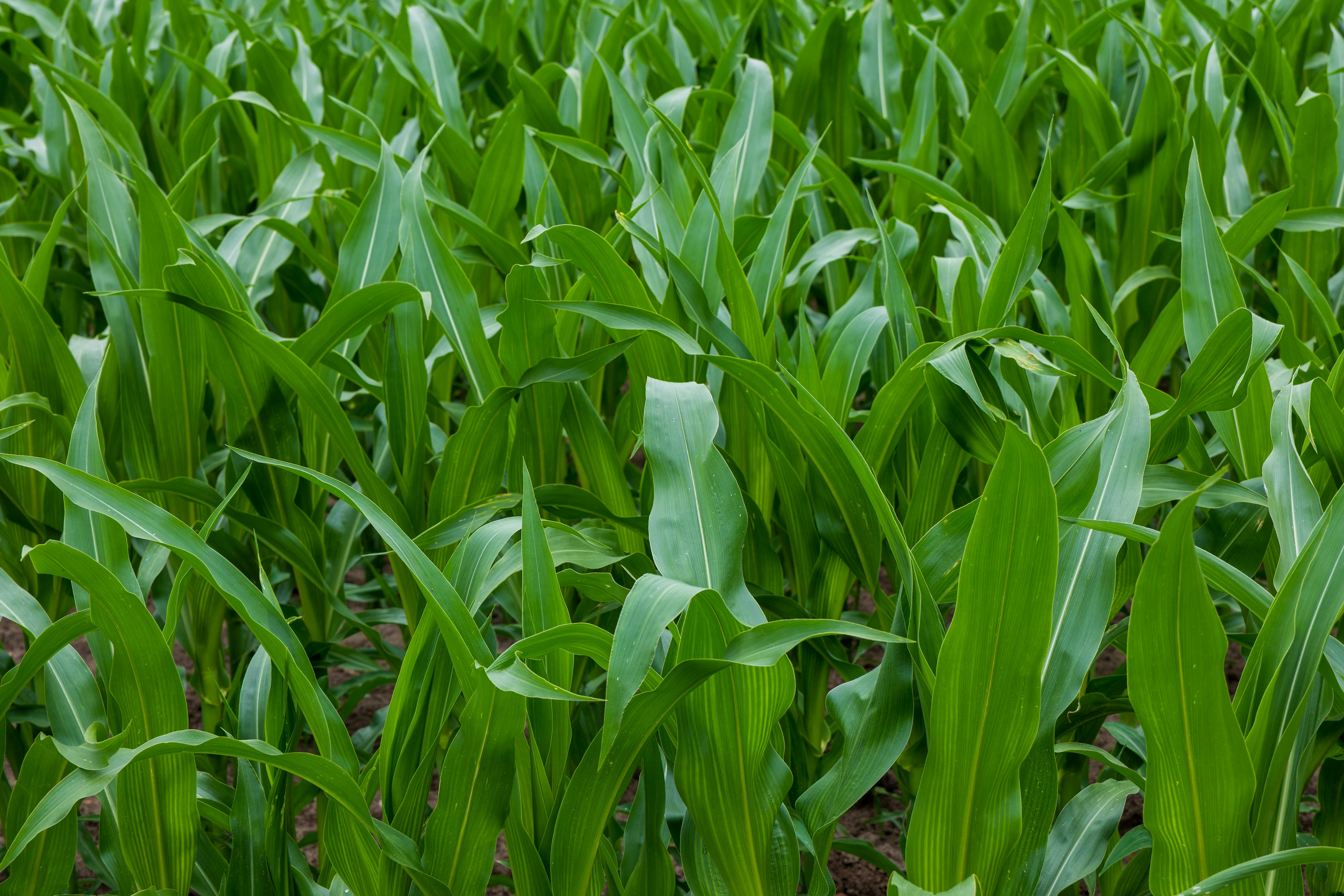
Kenya's agricultural sector is the backbone of its economy, yet it faces immense pressure from climate change, leading to increased droughts, erratic rainfall, and land degradation, particularly in arid and semi-arid regions. These conditions have historically pushed farmers towards monoculture, primarily maize, exacerbating soil depletion and vulnerability to crop failure. The need for sustainable and climate-smart agricultural practices has never been more urgent.
Conservation agriculture techniques, such as minimum tillage and cover cropping, are gaining significant traction as they promote soil health and water conservation. Water conservation strategies like drip irrigation and rainwater harvesting are becoming indispensable, helping farmers in these dry regions manage their precious water resources more effectively. These trends are not just about improving farm productivity and resilience; they are crucial for environmental conservation and ensuring long-term food security in Kenya, transforming once-barren lands into productive agricultural zones.
Key Insights or Strategies
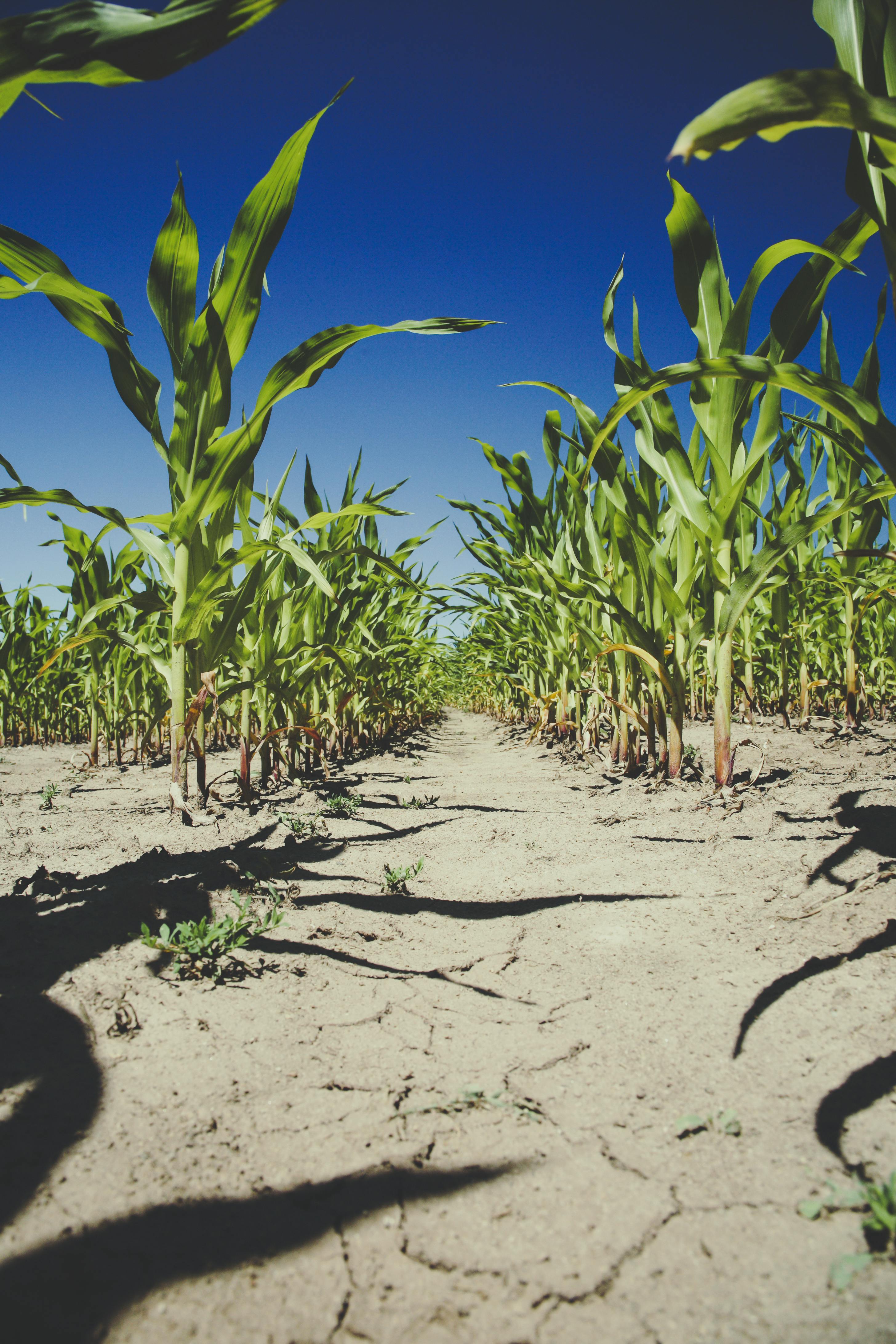
Adopting sustainable arid farming practices requires a strategic shift in cultivation methods. Millet-legume intercropping stands out as a powerful strategy, enhancing both yield and ecological balance.
1. Implementing Millet-Legume Intercropping
Millet-legume intercropping involves growing millet alongside a legume, such as cowpeas or green grams. This symbiotic relationship provides numerous benefits, including improved soil fertility through nitrogen fixation by the legumes and enhanced nutrient cycling. The intercropping system also offers better weed suppression and reduces pest incidence, leading to healthier crops.
- Select Drought-Tolerant Varieties: Choose millet varieties like P224 or Katumani, known for their resilience in arid conditions. For legumes, cowpeas (Vigna unguiculata) and green grams (Vigna radiata) are excellent choices due to their nitrogen-fixing capabilities and drought tolerance.
- Optimal Spacing: Proper spacing is crucial to prevent competition for resources. Plant millet and legume rows in an alternating pattern, ensuring adequate space for each plant to thrive. A common recommendation from ICRISAT research suggests a three-to-one millet to legume ratio for maximum benefit.
- Soil Preparation: While minimum tillage is encouraged, ensure the soil is well-prepared to allow for good seed germination and root development. Incorporate organic matter to improve soil structure and water retention. Understanding your soil's composition is key to success. For farmers serious about optimizing their soil, consider the Luster Leaf Rapitest Soil Test Kit – available on Amazon to accurately measure pH and nutrient levels.
2. Efficient Water Management
Water scarcity is a primary challenge in arid regions. Implementing efficient irrigation techniques is non-negotiable for sustainable farming.
- Drip Irrigation: This method delivers water directly to the plant roots, minimizing evaporation and water waste. It's highly effective for conserving water, reducing water needs by up to 40% compared to traditional methods.
- Rainwater Harvesting: Collect and store rainwater during the wet seasons for use during dry spells. This can be done through simple catchments, farm ponds, or underground tanks.
- Mulching: Apply organic mulches such as crop residues or dry grass around plants to reduce soil moisture evaporation, suppress weeds, and regulate soil temperature.
3. Soil Health and Nutrient Management
Healthy soil is the foundation of productive agriculture, especially in arid zones. Organic practices are vital for long-term soil fertility.
- Composting: Create and apply compost from organic waste to enrich the soil with essential nutrients and improve its water-holding capacity.
- Green Manure: Grow specific crops solely for the purpose of tilling them back into the soil to improve its fertility and organic matter content.
- Bio-fertilizers: Utilize microbial inoculants that enhance nutrient availability to plants and promote vigorous growth, reducing the reliance on synthetic fertilizers. To give your intercropped plants the best start, consider using HOSS Complete Organic Fertilizer – OMRI Certified for Organic Growing, available on Amazon. This can provide a balanced nutrient boost for both millets and legumes.
For more detailed guidance and to explore various sustainable organic farming solutions tailored for Kenyan conditions, be sure to Explore sustainable organic farming solutions with Biofarm Kenya.
Case Studies, Examples, or Comparisons
Across Kenya, innovative farmers are demonstrating the power of sustainable arid farming practices. These success stories provide compelling evidence that transforming drylands into productive agricultural zones is not only possible but also highly profitable.
One inspiring example comes from a community in Kitui County, a region notoriously prone to drought. Here, a group of smallholder farmers, supported by local agricultural extension services, transitioned from monocropping drought-sensitive maize to millet-legume intercropping with pearl millet and cowpeas. Initially, many were skeptical, but within two seasons, their yields for millet increased by an average of 45%, and they gained an entirely new harvest of cowpeas, which also improved their family's nutrition. The added benefit of the cowpeas fixing nitrogen in the soil meant a noticeable reduction in the need for chemical fertilizers, cutting their input costs significantly. This aligns with findings from the International Crops Research Institute for the Semi-Arid Tropics (ICRISAT), which consistently highlights the superior resilience and productivity of millets in dryland agriculture.
Another success story is evident in the Makueni region, where farmers have integrated small-scale drip irrigation systems with drought-tolerant traditional crops like sorghum and green grams. While drip irrigation requires initial investment, the long-term savings in water and increased crop reliability have proven to be a game-changer. Farmer groups in Makueni have reported a consistent increase in harvests, allowing them to diversify their income streams by selling surplus produce in local markets. This demonstrates how a combination of appropriate technology and sustainable crop choices can lead to economic empowerment. According to the FAO Kenya country office, promoting such climate-smart agricultural approaches is crucial for building resilience against climate shocks and achieving food security objectives in the country.
These examples underscore a crucial point: sustainable arid farming is not merely about surviving the drought; it's about thriving despite it, by working with nature and adopting intelligent, resilient practices.
Common Mistakes to Avoid
Even with the best intentions, farmers in arid regions can fall into common traps that hinder their sustainable farming efforts. Understanding and avoiding these pitfalls is just as crucial as implementing best practices.
- Ignoring Soil Testing: Many farmers skip soil testing, leading to a trial-and-error approach with fertilizers and amendments. Without knowing the soil's specific deficiencies or pH imbalances, inputs can be wasted, or worse, cause further damage. Regularly testing your soil provides a clear roadmap for targeted nutrient management and soil improvement.
- Over-reliance on Monoculture: Sticking to a single crop, especially maize, in arid areas leaves farms highly vulnerable to pests, diseases, and climate shocks. This practice depletes specific soil nutrients, making the land less productive over time. Diversifying with intercropping is a fundamental solution.
- Inefficient Water Application: Using flood irrigation or other wasteful watering methods in water-scarce regions is a significant mistake. This leads to massive water loss through evaporation and runoff, and often results in shallow root development, making plants more susceptible to drought stress.
- Improper Crop Residue Management: Burning crop residues or removing them from the field deprives the soil of valuable organic matter. This practice reduces soil fertility, decreases water retention, and contributes to soil erosion, undermining the long-term health of the farm.
- Neglecting Indigenous Knowledge and Local Varieties: Dismissing traditional drought-tolerant crops or local farming techniques in favor of exotic varieties that may not be suited to the local climate can lead to costly failures. Local knowledge often holds the key to resilience in challenging environments.
- Ignoring Pest and Disease Monitoring: Without regular monitoring, pest and disease outbreaks can quickly devastate crops, especially in intercropping systems if not managed proactively. Early detection and integrated pest management (IPM) strategies are vital to minimize losses without resorting to harmful chemicals.
Expert Tips or Best Practices
Achieving optimal yields in arid environments requires a blend of traditional wisdom and modern, sustainable techniques. Here are some expert tips to guide Kenyan farmers toward greater success and resilience.
1. Prioritize Water Conservation: Water is life, especially in arid regions. Beyond drip irrigation and rainwater harvesting, consider zai pits or demi-lunes to capture and concentrate water around individual plants. These traditional methods can significantly boost water availability at the root zone. Regular maintenance of your irrigation system is also key to preventing leaks and ensuring maximum efficiency. For small to medium-sized farms looking to implement a reliable and efficient watering solution, a Drip Irrigation Kit for Small Farms – Premium Size, available on Amazon, can make a significant difference in water conservation and crop health.
2. Embrace Agroforestry: Integrate suitable trees and shrubs into your farming system. Acacia, Prosopis, and Gliricidia species can provide shade, reduce wind erosion, fix nitrogen, and supply fodder for livestock. This creates a microclimate that benefits crops and improves overall farm biodiversity.
3. Practice Crop Rotation: Even within an intercropping system, rotate the primary crops over seasons to prevent the build-up of specific pests and diseases, and to balance nutrient extraction from the soil. Following millets and legumes with other compatible drought-tolerant crops can maintain soil vitality.
4. Enhance Soil Organic Matter: Continuously feed your soil. Incorporate farmyard manure, compost, and crop residues. This increases the soil’s capacity to hold water and nutrients, making it more resilient to drought. Using a high-quality organic fertilizer is also crucial for maintaining soil health and providing essential nutrients. To ensure your crops receive the best organic nourishment, consider Organic Plant Magic - Truly Organic™ Fast-Acting Water Soluble Plant Food, available on Amazon, which is excellent for quick nutrient uptake.
5. Monitor Weather Patterns: Stay informed about local weather forecasts and seasonal rainfall predictions. This allows for timely planting decisions and helps in planning water management strategies effectively. Indigenous weather knowledge, combined with modern forecasts, can be a powerful tool.
6. Access Knowledge and Support: Don’t farm in isolation. Join local farmer groups, attend agricultural workshops, and leverage resources from agricultural research institutions. Continuous learning and sharing experiences are invaluable for adapting to changing conditions. To further your farming knowledge and access a wealth of resources, be sure to Explore sustainable organic farming solutions with Biofarm Kenya. Our partners offer invaluable support and cutting-edge information to help your farm flourish.
Future Trends or Predictions
The future of arid farming in Kenya is bright with innovation, promising even greater resilience and productivity. As climate challenges intensify, so too does the drive for smarter, more efficient agricultural solutions. Several exciting trends are poised to reshape how farmers cultivate their land in dry regions.
One major trend is the rise of smart irrigation systems. These technologies use sensors to monitor soil moisture levels and weather data, delivering water precisely when and where it’s needed. This precision minimizes water waste significantly, making every drop count. Coupled with smart irrigation, AI-driven crop monitoring is emerging, where drones and satellite imagery analyze plant health, detect early signs of pests or diseases, and optimize nutrient application. This allows farmers to make data-backed decisions, moving beyond guesswork.
Vertical farming and controlled-environment agriculture are also gaining traction, especially for high-value crops. While perhaps not for large-scale staple crops in arid regions, these methods offer potential for urban or peri-urban areas, providing fresh produce with minimal water and land use. Innovations in drought-tolerant and heat-resistant crop varieties, developed through advanced breeding techniques, will continue to play a pivotal role. Genetic research is focusing on enhancing the natural resilience of crops like millets and traditional legumes to withstand more extreme conditions, ensuring stable harvests even in prolonged dry spells.
Furthermore, the integration of renewable energy solutions like solar-powered water pumps and processing units will reduce operational costs for farmers, making sustainable practices more economically viable. The emphasis will also be on strengthening local food systems and value chains, allowing farmers to fetch better prices for their resilient crops. These future trends collectively point towards an agricultural sector in Kenya's arid regions that is not only sustainable but also technologically advanced and economically robust.
Conclusion
Embracing sustainable arid farming practices in Kenya is no longer just an option; it is a necessity for food security, environmental stewardship, and farmer prosperity. By transitioning from traditional maize monoculture to resilient millet-legume intercropping, Kenyan farmers can unlock significantly higher yields, restore vital soil fertility, and drastically reduce water consumption. The 2024 Bomet County study exemplifies the profound impact of these methods, showcasing increased income through dual harvests and a remarkable 40% reduction in water needs.
The insights shared, from meticulous soil preparation and efficient water management to strategic intercropping and avoiding common pitfalls, provide a comprehensive roadmap for success. As we look to the future, the integration of smart irrigation, AI-driven crop monitoring, and advanced drought-tolerant varieties will further empower farmers to navigate the complexities of a changing climate. By adopting these sustainable approaches, we cultivate not just crops, but a more resilient and prosperous future for Kenya's arid regions.
Discover trusted organic farming tools and resources on Amazon and learn more about sustainable solutions with Biofarm Kenya.
FAQs
Q1: What are the primary benefits of millet-legume intercropping for Kenyan farmers in arid regions?
Millet-legume intercropping offers multiple benefits, including increased crop diversity, improved soil fertility through nitrogen fixation by legumes, enhanced pest and disease resistance, and better utilization of resources like water and sunlight. A 2024 ICRISAT study indicates this can boost yields by 30-50% while reducing water needs by up to 40%. Learn more about ICRISAT's research on millet-legume blends.
Q2: Which drought-tolerant millet varieties are best suited for intercropping in Kenya?
For arid regions in Kenya, highly recommended drought-tolerant millet varieties include P224 and Katumani finger millet. These varieties are known for their resilience, shorter maturity periods, and adaptability to challenging dry conditions. When intercropping, consider varieties that mature at similar times or those that have complementary growth habits to avoid excessive competition. Read about new drought-tolerant finger millet varieties.
Q3: How do nitrogen-fixing legumes contribute to soil health in an intercropping system?
Nitrogen-fixing legumes, such as cowpeas, green grams, and pigeon peas, host symbiotic bacteria in their root nodules that convert atmospheric nitrogen into a form usable by plants. This natural process enriches the soil with essential nitrogen, reducing the need for synthetic fertilizers, improving overall soil fertility, and benefiting the companion millet crop. Explore the biological nitrogen fixation of cowpeas in no-till systems.
Q4: What are effective water conservation techniques for arid farming in Kenya?
Effective water conservation techniques for arid farming include drip irrigation, which delivers water directly to the plant roots, minimizing evaporation. Rainwater harvesting, mulching with organic materials to retain soil moisture, and constructing water-capturing structures like zai pits are also crucial. These methods significantly reduce water consumption and enhance crop survival during dry spells. Understand how water scarcity impacts Kenya.
Q5: How can farmers test their soil to optimize intercropping success?
Farmers can test their soil using readily available soil testing kits or by sending samples to agricultural laboratories. These tests provide vital information on soil pH, nutrient levels (nitrogen, phosphorus, potassium), and organic matter content. Understanding these parameters allows farmers to make informed decisions about crop selection, fertilizer application, and soil amendments, directly impacting intercropping success. Find solutions to challenges facing agriculture in Kenya, including soil health.
Q6: Where can Kenyan farmers find additional support and resources for sustainable arid farming?
Kenyan farmers can find extensive support and resources from various organizations. Agricultural extension services provided by county governments offer localized advice and training. Research institutions like ICRISAT and CGIAR provide scientific knowledge and improved crop varieties. NGOs focusing on sustainable agriculture, local farmer cooperatives, and online platforms like Biofarm Kenya also offer valuable information, tools, and community support. Explore sustainable organic farming solutions with Biofarm Kenya.
External Authoritative Links:
- ICRISAT - Millet-Legume Blend Research
- Farmbiz Africa - Drought-Tolerant Millet Varieties
- MDPI - Biological Nitrogen Fixation of Cowpea
- The Climate Reality Project - Climate Crisis in Kenya
- Cropnuts - Solutions to Agricultural Challenges in Kenya
- FAO Kenya Country Office
Internal Biofarm Kenya Links:


0 Comments