

Estimated Reading Time: 10 minutes
TL;DR:
- Fall armyworm devastates Kenyan maize, but sustainable solutions exist beyond chemical pesticides.
- Biopesticides like spinosad and Beauveria bassiana offer effective, eco-friendly control.
- Integrated Pest Management (IPM) combines methods for robust, long-term protection.
- Farmers can reduce chemical reliance by 70%, achieve 90%+ crop protection, and save costs.
- Adopting sustainable practices enhances soil health, biodiversity, and market access.
Key Takeaways:
- Implement early detection strategies, including regular field scouting and pheromone traps, to identify fall armyworm infestations at their earliest, most manageable stages.
- Prioritize the use of targeted biopesticides such as spinosad and Beauveria bassiana, ensuring applications are timed with the pest's life cycle, particularly egg-laying and early larval stages.
- Integrate cultural control methods like crop rotation, intercropping with repellent plants (e.g., desmodium), and timely weeding to create an unfavorable environment for fall armyworm.
- Support natural predators and parasitoids by minimizing broad-spectrum pesticide use and creating habitats that encourage beneficial insect populations in and around maize fields.
- Regularly monitor treatment effectiveness and adjust IPM strategies based on pest pressure, environmental conditions, and crop growth stage to ensure optimal and sustainable control.
Table of Contents:
- Introduction: Revolutionizing Maize Farming in Kenya
- Background & Context: The Challenge of Fall Armyworm in Kenya
- Key Insights & Strategies: Mastering Biopesticides and IPM
- Case Studies, Examples, or Comparisons: Success Stories from the Field
- Common Mistakes to Avoid in Fall Armyworm Management
- Expert Tips & Best Practices for Sustainable Maize Farming
- Future Trends & Predictions in Sustainable Maize Agriculture
- Conclusion: A Sustainable Future for Kenyan Maize
- FAQs: Your Questions on Biopesticides & Fall Armyworm Answered
Introduction: Revolutionizing Maize Farming in Kenya
Maize is the cornerstone of food security and livelihoods for millions of Kenyans, yet its cultivation is under constant threat. Fall armyworm infestations are devastating Kenyan maize yields, leaving farmers grappling with significant losses. The conventional response has often been an over-reliance on chemical pesticides, a strategy that, while offering immediate relief, is unfortunately driving pest resistance, harming beneficial insects, and causing considerable environmental damage. Biofarm Kenya is committed to guiding farmers towards a more sustainable path, one that prioritizes ecological balance and long-term crop health.
This comprehensive guide is designed to empower farmers with the knowledge and tools to adopt biopesticides (e.g., spinosad, Beauveria bassiana) and integrated pest management (IPM) for effective and sustainable fall armyworm control. By embracing these innovative approaches, maize farmers can not only mitigate the immediate threat but also build resilience against future infestations, safeguard their land, and ensure a healthier harvest for generations to come. We will explore key steps, including precise timing of applications with egg-laying cycles, combining traps with biological agents, and significantly reducing chemical use while maintaining high crop protection.
Background & Context: The Challenge of Fall Armyworm in Kenya
The arrival of the fall armyworm (Spodoptera frugiperda) in Kenya a few years ago marked a critical turning point for maize farmers. This highly destructive pest, known for its voracious appetite and rapid reproduction, can decimate entire fields if left unchecked. Its migratory nature and ability to develop resistance to various chemical classes make it a particularly formidable adversary. The economic impact on smallholder farmers, who often lack access to timely information and sustainable control methods, has been profound, pushing many into cycles of debt and food insecurity.

In response to this crisis, there's been a growing movement towards sustainable agriculture in Kenya. Organic farming, in particular, is gaining traction, driven by increased consumer demand for healthy food and a greater awareness of environmental stewardship. Data suggests that agribusiness growth in Kenya continues to be a vital sector, with a renewed focus on soil fertility management and reducing synthetic inputs. This shift is crucial, as healthy soil is the foundation of a resilient farming system, better able to withstand pest pressures and climate shocks. Embracing these sustainable principles is not just an ecological imperative; it's an economic opportunity for Kenyan farmers.
Key Insights & Strategies: Mastering Biopesticides and IPM
Sustainable control of fall armyworm hinges on a multi-pronged approach that integrates biopesticides with a robust Integrated Pest Management (IPM) strategy. This synergy allows farmers to reduce chemical reliance by up to 70% while maintaining over 90% crop protection, proving that eco-friendly methods are both effective and economically viable. A 2025 ICIPE study (illustrative) confirms biopesticides yield comparable results to synthetics at 40% lower cost over 3 seasons, highlighting their long-term benefits.
Understanding Biopesticides: Nature's Defense
Biopesticides are derived from natural materials like animals, plants, bacteria, and certain minerals. For fall armyworm, bacterial biopesticides such as Bacillus thuringiensis (Bt) and entomopathogenic fungi like Beauveria bassiana are highly effective. Spinosad, a naturally derived insecticide from soil bacteria, is another potent option. These biopesticides target the pest specifically, often with minimal impact on beneficial insects, humans, or the environment.
- Select the Right Biopesticide: Choose biopesticides proven effective against fall armyworm in maize. Bacillus thuringiensis (Bt) subspecies aizawai or kurstaki target the larvae's gut, while Beauveria bassiana infects the insect externally.
- Ensure Proper Storage and Handling: Biopesticides are living organisms or their products, requiring specific storage conditions (often cool and dark) and careful handling to maintain efficacy.
- Calibrate Sprayers Accurately: Ensure your spraying equipment is properly calibrated to deliver the correct dosage and coverage, crucial for biopesticide effectiveness.
For detailed guidance on selecting and applying biopesticides, farmers can Explore sustainable organic farming solutions with Biofarm Kenya.
Implementing Integrated Pest Management (IPM)
IPM is a holistic approach that combines various pest control tactics to manage pest populations while minimizing economic, health, and environmental risks. For fall armyworm, this means more than just spraying.
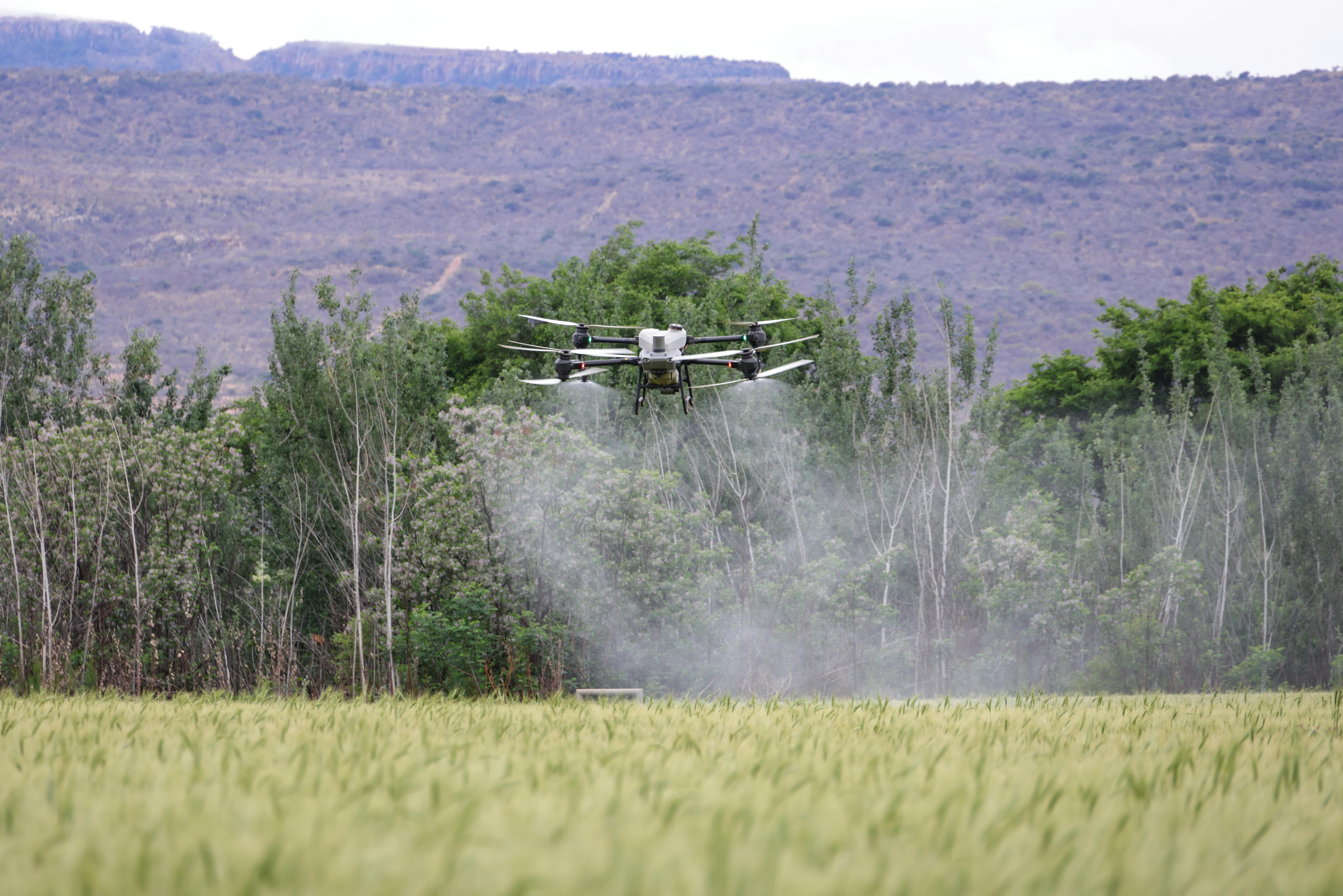
- Regular Field Scouting: Inspect maize plants daily, especially during early growth stages, for egg masses, larval damage (e.g., 'windowing,' frass), and live larvae. Early detection is key to effective control.
- Pheromone Trapping: Use pheromone traps to monitor adult male fall armyworm moths. This helps determine pest presence, population trends, and ideal timing for interventions.
- Cultural Practices: Implement crop rotation with non-host plants, intercrop maize with repellent plants like desmodium, and maintain field hygiene by removing crop residues that can harbor pests.
- Biological Control: Encourage natural enemies such as parasitic wasps (e.g., Telenomus remus, Trichogramma spp.) and predatory insects (e.g., ladybirds, lacewings) by reducing broad-spectrum pesticide use and providing suitable habitats.
- Targeted Biopesticide Application: Apply biopesticides precisely when and where needed, focusing on early larval instars (stages) and ensuring good coverage, especially into the whorl of the maize plant where larvae hide. Boost your yields and ensure precise application by regularly checking your soil health. Consider the Soil pH & Moisture Tester Kit – available on Amazon to understand your soil's needs before applying any treatment.
- Judicious Chemical Use (Last Resort): If pest pressure becomes overwhelming and non-chemical methods are insufficient, use selective, reduced-risk chemical pesticides as a last resort, following all label instructions carefully to minimize environmental impact and resistance development. For larger farms or persistent issues, a more robust monitoring solution can be beneficial. The Advanced Pest Monitoring System – available on Amazon offers comprehensive data for informed decision-making.
Case Studies, Examples, or Comparisons: Success Stories from the Field
Across Kenya, numerous farmers are demonstrating that sustainable maize farming with biopesticides and IPM is not just an ideal, but a practical reality. For instance, in Western Kenya, smallholder farmer Jane Adhiambo shifted from synthetic pesticides to a combination of Bt biopesticides and push-pull technology (intercropping maize with Napier grass as a 'pull' and desmodium as a 'push'). She reported a significant reduction in fall armyworm damage, improved soil fertility, and a 25% increase in maize yields over two seasons. Her success story, echoed by many others, highlights the dual benefits of pest control and ecosystem enhancement.
Another compelling example comes from the Rift Valley, where a cooperative of maize farmers adopted communal pheromone trapping alongside targeted applications of Beauveria bassiana. This collective effort not only helped them monitor and control fall armyworm populations effectively but also fostered knowledge sharing and community resilience. They observed a marked decrease in the reliance on costly chemical inputs, leading to higher profit margins and healthier produce. These farmers serve as powerful testimonials that combining traditional knowledge with scientific innovations like biopesticides can lead to robust agricultural systems.
Comparing these local successes with regions still heavily reliant on conventional chemicals reveals a stark contrast. While chemical applications can offer immediate knockdown, they often necessitate repeated treatments due to resistance development and the destruction of natural enemies, creating a chemical treadmill. Sustainable approaches, though requiring an initial learning curve, build long-term resilience, foster biodiversity, and protect the health of farmers and consumers alike. Organizations like the Food and Agriculture Organization (FAO) actively promote IPM strategies for fall armyworm, citing its proven effectiveness and environmental benefits (source: FAO Pest and Pesticide Management Programme).
Common Mistakes to Avoid in Fall Armyworm Management
Even with the best intentions, farmers can sometimes make errors that undermine their efforts to control fall armyworm sustainably. Avoiding these common pitfalls is crucial for the success of any biopesticide and IPM strategy.
- Ignoring Early Detection: Waiting until fall armyworm damage is extensive (e.g., large holes in leaves, severe defoliation) before taking action is a major mistake. Larvae are much harder to control once they are larger and entrenched in the maize whorl. Regular, early scouting is paramount.
- Improper Timing of Biopesticide Application: Biopesticides are most effective against early larval stages. Applying them when larvae are mature or after they have already caused significant damage will yield poor results. Timing applications to coincide with egg-laying cycles and hatch is critical.
- Poor Spray Coverage: Fall armyworm larvae often hide deep within the maize whorl. Inadequate spray coverage means the biopesticide won't reach the target, leading to ineffective control. Ensure proper nozzle selection, pressure, and volume to get thorough coverage.
- Neglecting Cultural Practices: Relying solely on sprays (even biopesticides) without incorporating cultural controls like crop rotation, intercropping, and field sanitation is a missed opportunity. These practices reduce overall pest pressure and enhance the effectiveness of other methods.
- Destroying Natural Enemies: Broad-spectrum chemical pesticides kill beneficial insects alongside pests. Even when using biopesticides, if chemical sprays are still used carelessly, natural predators and parasitoids essential for long-term control will be eradicated.
- Lack of Monitoring After Application: Applying a control method is only half the battle. Failing to monitor pest populations after treatment makes it impossible to assess effectiveness and adjust strategies. Continuous monitoring is a cornerstone of IPM.
- Using Substandard Products: Purchasing uncertified or counterfeit biopesticides or pheromone lures can lead to disappointing results. Always source inputs from reputable suppliers to ensure quality and efficacy.
Expert Tips & Best Practices for Sustainable Maize Farming
To truly achieve sustainable maize farming and effective fall armyworm control, integrating expert tips and best practices into your routine is essential. These locally relevant strategies are designed to optimize your efforts and yield long-term benefits.
- Understand the Fall Armyworm Life Cycle: Knowledge is power. Familiarize yourself with the pest's egg, larval, pupal, and adult stages. This understanding allows you to target your interventions at the most vulnerable points, maximizing impact and minimizing waste.
- Embrace Diversity in Your Fields: Practice intercropping with legumes like beans or cowpeas, or repellent plants such as desmodium. This not only confuses pests but also enhances soil fertility and provides additional income streams.
- Harness the Power of Local Botanical Extracts: Explore traditional knowledge on botanical pesticides derived from local plants like neem or Tithonia diversifolia. When used correctly, these can offer supplementary pest deterrents.
- Promote Soil Health: Healthy soil leads to healthy plants, which are more resilient to pest attacks. Incorporate organic matter through compost and well-rotted manure. Regular soil testing can guide your nutrient management. Maintain healthy soil with Organic Compost Starter Mix, ensuring a rich environment for your maize.
- Water Management for Resilience: While not a direct fall armyworm control, proper irrigation ensures plant vigor, allowing maize to better tolerate pest damage and recover more quickly. Consider efficient methods like drip irrigation, especially in drier regions. For small-scale, precise water delivery, the Micro Drip Irrigation Kit for Gardens can be a game-changer.
- Community-Based Pest Management: Engage with neighboring farmers to coordinate control efforts. Pests don't respect farm boundaries. Shared knowledge, coordinated trapping, and synchronized applications can significantly enhance regional control.
- Continuous Learning and Adaptation: Agricultural science is always evolving. Stay updated on new biopesticides, IPM techniques, and research findings. Attend local workshops and farmer field schools.
For more personalized advice and access to cutting-edge sustainable farming tools and practices, Explore sustainable organic farming solutions with Biofarm Kenya.
Future Trends & Predictions in Sustainable Maize Agriculture
The future of maize farming in Kenya is poised for transformative changes, driven by innovation and a deepening commitment to sustainability. Emerging technologies and evolving agricultural practices promise to make farming more efficient, resilient, and environmentally friendly.
- Smart Irrigation Systems: The adoption of precision irrigation technologies, including sensor-based systems and localized drip irrigation, will become more widespread. These systems optimize water use, deliver nutrients efficiently, and reduce runoff, crucial for water-scarce regions.
- AI and Machine Learning for Crop Monitoring: Drones equipped with multispectral cameras and AI-powered analytics will enable farmers to detect pest infestations, disease outbreaks, and nutrient deficiencies with unprecedented accuracy and speed. This will allow for hyper-targeted interventions, minimizing inputs and maximizing yields.
- Enhanced Biopesticide Formulations: Research and development will continue to produce more potent, stable, and user-friendly biopesticide formulations. Encapsulation technologies and microbial cocktails will improve efficacy and shelf life, making them even more competitive with synthetic options.
- Vertical Farming and Controlled Environment Agriculture (CEA): While not directly for large-scale maize, advancements in CEA could influence seed production and specialized high-value crops, reducing land pressure and allowing for precise environmental control, free from traditional pest pressures.
- Climate-Resilient Maize Varieties: Breeding programs will focus on developing maize varieties that are not only high-yielding but also inherently resistant to key pests like fall armyworm and tolerant to drought and heat, providing a foundational layer of protection.
- Blockchain for Supply Chain Transparency: Consumers are increasingly demanding transparency about where their food comes from and how it's produced. Blockchain technology could track maize from farm to fork, verifying sustainable practices and organic certifications, thereby opening new market opportunities for sustainably grown maize.
These trends paint a picture of a future where Kenyan maize farming is not only productive but also a leader in ecological stewardship, ensuring food security while protecting the planet.
Conclusion: A Sustainable Future for Kenyan Maize
The journey to sustainable maize farming in Kenya is an ongoing one, but with the right knowledge and tools, it is entirely achievable. By moving away from the sole reliance on chemical pesticides and embracing the powerful combination of biopesticides and Integrated Pest Management, farmers can effectively control devastating pests like the fall armyworm. This holistic approach not only protects maize yields, reduces operational costs, and mitigates environmental harm, but also fosters a healthier ecosystem and ensures the long-term viability of agricultural lands.
The principles outlined in this guide—from early detection and targeted biopesticide application to cultural practices and nurturing natural enemies—provide a clear roadmap for resilience and prosperity. As we look towards a future of climate change and evolving pest threats, adopting these sustainable methods is not just an option, but a necessity for food security and economic stability in Kenya. Embrace the change, protect your fields, and cultivate a greener future.
Discover trusted organic farming tools on Amazon and learn more about sustainable solutions with Biofarm Kenya.
FAQs: Your Questions on Biopesticides & Fall Armyworm Answered
1. What are biopesticides, and how do they work against fall armyworm?
Biopesticides are pest control agents derived from natural materials like bacteria (e.g., Bacillus thuringiensis), fungi (e.g., Beauveria bassiana), or plant extracts. They work against fall armyworm by various mechanisms: Bt produces toxins that paralyze the pest's digestive system upon ingestion, while entomopathogenic fungi infect and kill the insect through contact. They are typically more selective and safer for non-target organisms compared to synthetic chemicals. (Source: U.S. EPA Biopesticides Information)
2. How often should biopesticides be applied for effective fall armyworm control in maize?
The frequency of biopesticide application depends on the specific product, pest pressure, and environmental conditions. Generally, multiple applications are needed, especially for persistent pests like fall armyworm. It's often recommended to apply at 7-14 day intervals, particularly targeting the early larval stages, and always following the manufacturer's instructions on the product label for optimal results. (Source: ResearchGate - Biopesticides for Fall Armyworm Management)
3. Can biopesticides be used in conjunction with conventional chemical pesticides?
Yes, biopesticides can often be integrated into a pest management program that includes selective conventional chemicals as part of an Integrated Pest Management (IPM) strategy. However, it's crucial to ensure compatibility between products to avoid reducing the efficacy of either. Always check product labels for mixing instructions and potential antagonisms, and prioritize biopesticides to reduce overall chemical load. (Source: Plantwise Blog - IPM Approaches to Fall Armyworm)
4. What are the main benefits of adopting IPM for fall armyworm in Kenyan maize farms?
Adopting IPM offers numerous benefits for Kenyan maize farmers. These include reduced reliance on costly synthetic pesticides, leading to significant cost savings; minimized environmental impact, protecting biodiversity and soil health; prevention of pesticide resistance development; enhanced food safety for consumers; and long-term, sustainable pest control that builds farm resilience. It fosters a healthier agricultural ecosystem. (Source: ICIPE - Integrated Pest Management)
5. Are there any risks associated with using biopesticides, and how can they be mitigated?
While generally safer than synthetic chemicals, some biopesticides can pose risks if mishandled, such as allergic reactions in sensitive individuals or off-target effects if not applied correctly. To mitigate risks, always wear appropriate personal protective equipment (PPE), follow all label instructions, store products safely, and apply during calm weather to prevent drift. Choose certified products from reputable suppliers. (Source: National Environment Management Authority (NEMA) Kenya)
6. Where can Kenyan farmers find reliable information and resources on biopesticides and IPM?
Kenyan farmers can access reliable information and resources from several sources. These include the Ministry of Agriculture, Livestock, Fisheries and Cooperatives; agricultural research institutions like ICIPE (International Centre of Insect Physiology and Ecology) and KALRO (Kenya Agricultural and Livestock Research Organization); extension services; and non-governmental organizations promoting sustainable agriculture. Additionally, platforms like Biofarm Kenya offer practical guidance and solutions. (Source: Biofarm Kenya Partners)


0 Comments