

Estimated Reading Time: 12 minutes
TL;DR:
Key Takeaways:
Table of Contents
Introduction
As the backbone of Kenya's economy, agriculture faces twin challenges: rising input costs and widespread soil degradation. Kenyan farmers are increasingly seeking alternatives to chemical fertilizers due to these pressures. This guide trains farmers to adopt regenerative practices like cover cropping, composting, and biochar application, offering a pathway to sustainable prosperity. Evidence from KALRO (2024) shows farms using these methods saw 30% higher maize yields after three years, while reducing input costs by 40%. Key steps include selecting climate-resilient crop rotations and integrating livestock manure for nutrient cycling, fostering a resilient and productive agricultural landscape. Regenerative agriculture isn't just an alternative; it's a strategic imperative for food security and environmental stewardship across the nation.
Background & Context
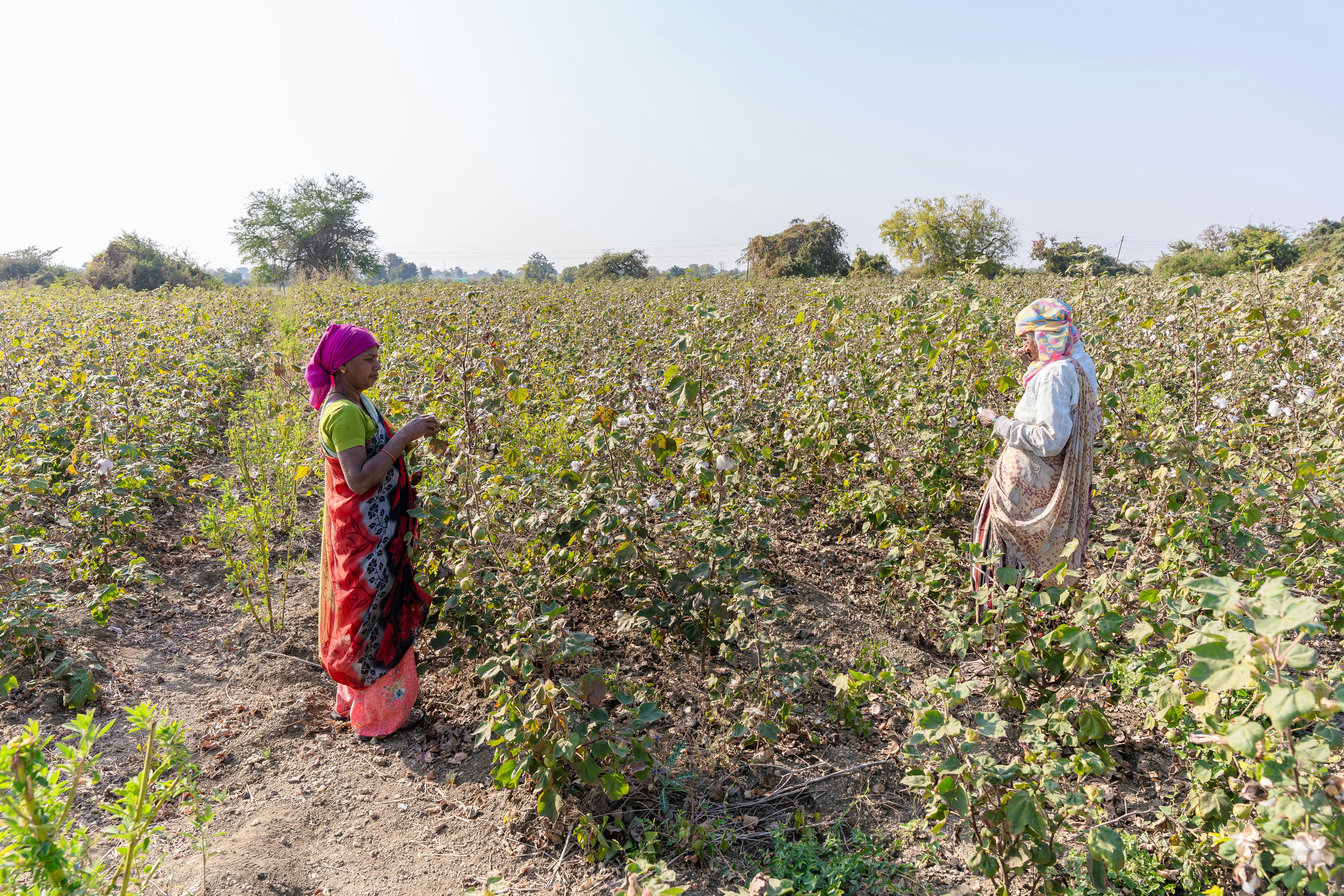
Kenya's agricultural sector, contributing over a third to the nation's GDP, is at a critical juncture. Decades of conventional farming have led to diminishing soil fertility, increased susceptibility to climate shocks, and a heavy reliance on expensive synthetic inputs. The good news is that a significant shift towards organic and sustainable farming is underway. According to the Kenya News Agency, the number of organic farms in Kenya substantially increased from 8,004 in 2007 to 62,626 in 2022, demonstrating a clear trend towards more ecological approaches. This growth is driven by a growing awareness of environmental impacts, health benefits, and the economic advantages of reduced input costs.
Regenerative agriculture, with its focus on restoring and enhancing ecosystems, particularly soil health, offers a comprehensive solution. By mimicking natural processes, these practices rebuild organic matter, improve water infiltration, increase biodiversity, and ultimately make farms more resilient to drought and pests. It's a holistic approach that views the farm as a living system, where healthy soil is the foundation for healthy crops, thriving livestock, and prosperous communities. This paradigm shift is not just about sustaining current yields but about actively regenerating the land for future generations of Kenyan farmers.
Key Insights & Strategies
Adopting regenerative practices requires a fundamental shift in mindset and a commitment to understanding the complex interactions within your farm's ecosystem. Here are three core strategies vital for success:
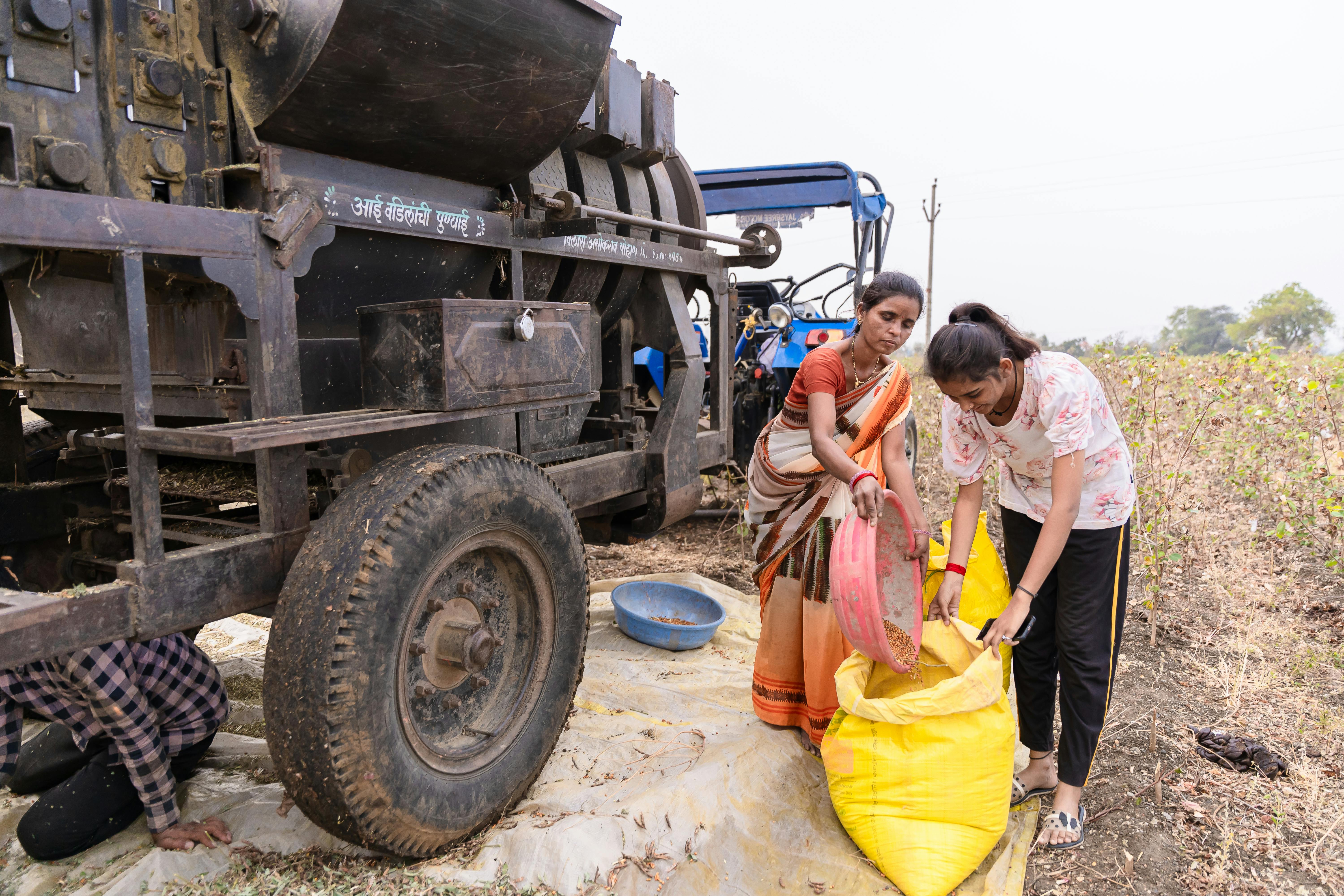
Embracing Cover Cropping for Soil Protection
Cover crops are non-cash crops grown specifically to cover the soil rather than for harvest. They are indispensable in regenerative systems, preventing erosion, suppressing weeds, and enriching the soil. In Kenya, varieties like legumes (e.g., mucuna, sunn hemp) fix nitrogen, reducing the need for synthetic fertilizers, while grasses (e.g., oats, sorghum) add biomass and improve soil structure.
- Select Appropriate Species: Choose cover crops suited to your local climate and primary cash crop rotation. Consider mixes for diverse benefits.
- Timely Planting: Plant cover crops immediately after your main harvest or during fallow periods to maximize their soil-building potential.
- Proper Termination: Terminate cover crops (e.g., crimping, rolling, or light tillage) before they go to seed to prevent them from becoming weeds.
- No-Till Integration: Combine cover cropping with no-till practices to preserve soil structure and microbial life.
To help farmers get started, acquiring quality seeds is crucial. Consider the No-Till Garden Farm and Garden Cover Crop Mix Seeds – available on Amazon, providing a diverse blend for comprehensive soil benefits. Explore sustainable organic farming solutions with Biofarm Kenya for more resources on integrating cover crops effectively.
The Power of Composting and Organic Matter
Composting transforms organic waste into a stable, nutrient-rich soil amendment. This practice is central to regenerative agriculture, reducing reliance on external inputs and enhancing soil fertility, water retention, and microbial activity. It's a closed-loop system that utilizes farm resources efficiently.
- Gather Materials: Collect plant residues, livestock manure, kitchen scraps, and other organic materials. Aim for a balanced carbon-to-nitrogen ratio.
- Build a Pile: Layer green (nitrogen-rich) and brown (carbon-rich) materials, ensuring adequate moisture and aeration.
- Turn Regularly: Aerate your compost pile periodically to speed up decomposition and prevent anaerobic conditions.
- Apply Finished Compost: Once dark, crumbly, and earthy-smelling, spread compost over your fields as a top dressing or incorporate it lightly into the soil.
For farmers eager to accelerate their composting process, the Espoma CS4 4 Lb Organic Compost Starter – available on Amazon can significantly aid in breaking down organic matter efficiently.
Biochar Application for Long-Term Soil Health
Biochar is a charcoal-like substance made from biomass pyrolysis (heating in low oxygen). When added to soil, it acts like a sponge, improving water retention, nutrient availability, and providing a habitat for beneficial microbes. Its stability means these benefits can last for centuries, making it a powerful long-term soil amendment.
- Source Quality Biochar: Ensure your biochar is produced sustainably and is free from contaminants.
- Charge the Biochar: Before application, 'charge' the biochar by mixing it with compost, manure, or liquid nutrients to inoculate it with microbial life.
- Incorporate into Soil: Apply charged biochar to the soil, ideally incorporating it into the root zone or as part of compost mixes.
- Monitor Soil Health: Regularly assess soil pH, moisture, and overall plant vigor to observe the long-term impacts of biochar.
Farmers looking to integrate this powerful amendment can consider the Rosy Soil Biochar Booster - 8qt – available on Amazon for enhancing their soil structure and fertility.
Case Studies, Examples, or Comparisons
Across Kenya, pioneering farmers are demonstrating the tangible benefits of regenerative agriculture. One notable success is the Ololo Farm and Safari Lodge on the outskirts of Nairobi. By adopting a holistic approach centered on sustainability and regenerative practices, Ololo has not only diversified its operations but also significantly improved soil health and reduced waste. They practice circular food systems, converting 100 tons of waste annually into compost that enriches their vegetable gardens, which in turn supply fresh produce to their lodge. This integrated model showcases how regenerative farming can support both ecological restoration and economic viability.
Another inspiring example comes from smallholder maize farmers in Western Kenya, who, through initiatives supported by organizations like KALRO and local NGOs, have adopted practices such as minimal tillage, improved crop rotations, and the use of organic soil amendments. These farmers report not only significant yield increases, aligning with the 30% rise mentioned earlier, but also a marked improvement in soil workability and water retention during dry spells. These successes underscore that regenerative agriculture is not a niche practice but a scalable solution for improving livelihoods and food security across diverse agro-ecological zones in Kenya. (KALRO, 2024)
Common Mistakes to Avoid
While the benefits of regenerative agriculture are immense, certain pitfalls can hinder progress. Avoiding these common mistakes can ensure a smoother transition and more consistent success for Kenyan farmers:
- Excessive Tillage: Repeated plowing disrupts soil structure, destroys fungal networks, and releases stored carbon. Always aim for minimal or no-till practices to preserve soil health.
- Monoculture Reliance: Planting a single crop year after year depletes specific nutrients, encourages pest outbreaks, and reduces biodiversity. Implement diverse crop rotations and intercropping to build soil resilience.
- Ignoring Soil Testing: Guessing soil needs leads to inefficient nutrient management and wasted resources. Regularly test your soil to understand its pH, nutrient levels, and organic matter content.
- Inconsistent Organic Matter Addition: Regenerative practices thrive on continuous organic matter input. Neglecting regular additions of compost, manure, or cover crop residues will limit soil improvement. Establish a consistent cycle of adding organic materials.
- Improper Water Management: Over-irrigation can lead to nutrient leaching and soil compaction, while under-irrigation stresses plants. Utilize efficient irrigation systems like drip irrigation and monitor soil moisture levels diligently.
Expert Tips & Best Practices
To truly unlock the potential of regenerative agriculture in your Kenyan farm, embrace these expert tips and integrate them into your daily practices:
- Start Small, Learn Constantly: Don't overhaul your entire farm overnight. Begin with a small section, experiment with one or two regenerative practices, observe the results, and scale up what works best for your specific context.
- Prioritize Soil Microbes: Understand that healthy soil is alive. Avoid anything that harms beneficial microorganisms, such as synthetic pesticides and excessive chemical fertilizers. Focus on feeding the soil biology with organic matter.
- Harness Natural Pest Control: Encourage beneficial insects and predators by planting flowering plants and creating diverse habitats. This reduces reliance on harmful chemical sprays.
- Water Wisely: Efficient water use is paramount, especially in Kenya’s variable climate. Consider installing a drip irrigation system to deliver water directly to plant roots, minimizing waste. A reliable system like the Drip Irrigation Kit for Small Farms - Deluxe – available on Amazon can make a significant difference.
- Monitor Your Progress: Keep detailed records of your practices, yields, and input costs. Regularly check your soil health. A simple and effective tool like the SONKIR Soil pH Meter, MS02 3-in-1 Soil Moisture/Light/pH Tester – available on Amazon can provide crucial insights into your soil's condition, helping you make informed decisions.
For more personalized advice and to connect with a network of sustainable farming experts, we encourage you to explore sustainable organic farming solutions with Biofarm Kenya. Our partners are dedicated to supporting farmers on their journey towards regenerative success.
Future Trends & Predictions
The future of agriculture in Kenya is poised for exciting transformations, driven by innovation and a deepening commitment to sustainability. Regenerative practices will undoubtedly evolve, integrating cutting-edge technologies to enhance efficiency and impact. We can anticipate several key trends:
- Smart Irrigation Systems: Adoption of AI-driven irrigation systems that use real-time weather data and soil moisture sensors to optimize water use, drastically reducing wastage and increasing crop resilience to droughts.
- Precision Agriculture for Organic Farms: Drones and satellite imagery will enable farmers to monitor crop health and soil conditions with unprecedented accuracy, allowing for targeted application of organic amendments and proactive pest management.
- Vertical and Urban Farming: As urbanization continues, vertical farms and urban agricultural initiatives will grow, leveraging controlled environments and resource-efficient methods to provide fresh produce closer to consumers, reducing food miles.
- Advanced Biochar Production: Innovations in biochar technology will make its production more efficient and accessible to smallholder farmers, further embedding it as a cornerstone of soil regeneration.
- Enhanced Crop Varieties: Development of new, climate-resilient crop varieties that are naturally more adaptable to harsh conditions and less reliant on external inputs, through both conventional breeding and biotechnology.
These trends promise a more productive, resilient, and environmentally friendly agricultural sector for Kenya, where technology and ecological principles work hand-in-hand to ensure food security and economic growth.
Conclusion
Embracing regenerative agriculture is more than just a farming method; it's a commitment to a healthier future for Kenyan farmers, communities, and the environment. By adopting practices like cover cropping, strategic composting, and biochar application, farmers can significantly boost their yields, drastically cut input costs, and build robust, climate-resilient farms. The evidence is clear: regenerative practices lead to stronger soils, healthier crops, and more sustainable livelihoods. The journey may require learning and adaptation, but the long-term benefits of enhanced soil fertility, increased biodiversity, and economic stability are invaluable. For those ready to transform their farming future, discover trusted organic farming tools on Amazon and learn more about sustainable solutions with Biofarm Kenya.
FAQs
Regenerative agriculture is a holistic farming approach focused on restoring and enhancing ecosystem health, particularly soil vitality. For Kenya, it's crucial for combating land degradation, improving food security, and building resilience against climate change impacts like droughts and erratic rainfall. It leads to healthier soils, increased biodiversity, and sustainable productivity. Learn more about regenerative farming in Kenya here.
Regenerative practices like cover cropping and increased soil organic matter significantly enhance soil's capacity to absorb and retain water, making farms more resilient to droughts. They also sequester atmospheric carbon, reducing greenhouse gas emissions. Healthier soil leads to stronger plants, less vulnerable to extreme weather, ensuring more stable yields for farmers. Read about how it helps combat climate change.
Core practices include minimal or no-tillage, diverse crop rotations, cover cropping, composting, and the strategic application of biochar. Integrating livestock into farming systems for natural manure application and ensuring year-round soil cover are also vital. These practices work in synergy to build soil health and overall farm resilience. Discover compost making techniques for regenerative farming.
Yes, absolutely. As highlighted by KALRO (2024), farms adopting regenerative methods have shown significant improvements, including 30% higher maize yields and a 40% reduction in input costs within three years. This is achieved through enhanced soil fertility, natural pest control, and reduced reliance on expensive chemical fertilizers and pesticides. Explore KALRO's work on high-yielding maize.
Biodiversity is fundamental to regenerative agriculture. It refers to the variety of life both above and below the soil. Diverse crop rotations, cover cropping, and encouraging beneficial insects and microorganisms create a balanced ecosystem that naturally controls pests, improves nutrient cycling, and enhances soil structure, reducing the need for external interventions. Understand how regenerative agriculture transforms food systems.
Several organizations provide support, including KALRO, various agricultural NGOs, and community-based initiatives. Biofarm Kenya is also a key partner, offering sustainable organic farming solutions and resources. Engaging with local agricultural extension services and farmer cooperatives can also provide valuable guidance and training. Connect with Biofarm Kenya for sustainable solutions.
References & Further Reading:




0 Comments