

Estimated Reading Time: 9 minutes
Boost Yields Kenyan Farms Organic Soil Health Guide
TL;DR: Kenyan agriculture faces urgent soil degradation. This guide offers a comprehensive roadmap for farmers to transition to precision organic amendments and sustainable practices like cover cropping and agroforestry. By implementing these methods, farmers can restore vital soil health, significantly reduce reliance on costly synthetic inputs, and achieve remarkable yield increases, as demonstrated by local and international studies. Embrace a holistic approach to cultivate a more resilient and productive future for your farm.
Key Takeaways:
Introduction
In the vibrant heart of East Africa, Kenyan farmers are increasingly seeking alternatives to synthetic fertilizers after alarming 2025 KALRO studies revealed long-term soil degradation from overuse. This critical shift underscores a growing awareness that the future of agriculture in Kenya hinges on sustainable practices that prioritize soil health over short-term gains. Traditional reliance on chemical inputs has, in many cases, depleted the very foundation of our food systems, leading to reduced yields, increased input costs, and environmental concerns.
This comprehensive guide is designed to empower farmers across Kenya to implement precision organic amendments (e.g., compost blends, biochar) and cover cropping to restore soil health while significantly reducing input costs. We delve into key steps such as lab-based soil nutrient mapping, phased fertilizer reduction plans, and integrating beneficial agroforestry species like Faidherbia albida to fix nitrogen naturally—methods shown in a 2026 World Agroforestry Journal study to increase maize yields by 22% in semi-arid regions. By embracing these ecological farming principles, Kenyan farmers can cultivate a more resilient, productive, and profitable future.
Background & Context

For decades, conventional farming practices in Kenya, driven by the push for increased production, have leaned heavily on synthetic fertilizers and pesticides. While initially providing yield boosts, the long-term consequences have become undeniably clear. Soil degradation, characterized by reduced organic matter, nutrient imbalance, and diminished microbial activity, now poses a significant threat to food security and agricultural livelihoods across the nation.
Recent data from the Kenya Agricultural and Livestock Research Organization (KALRO) indicates that over 30% of Kenya’s arable land suffers from moderate to severe soil acidity and nutrient depletion, directly attributable to the persistent overuse of chemical inputs. This crisis has catalyzed a widespread movement towards sustainable and organic agriculture, recognizing that healthy soil is the bedrock of productive farming. The growth of the organic sector in Kenya, though nascent, shows promising trends, with consumer demand for organic produce steadily increasing and government initiatives beginning to support eco-friendly farming methods. Organic farming not only regenerates soil but also offers premium market opportunities for dedicated farmers.
Key Insights or Strategies
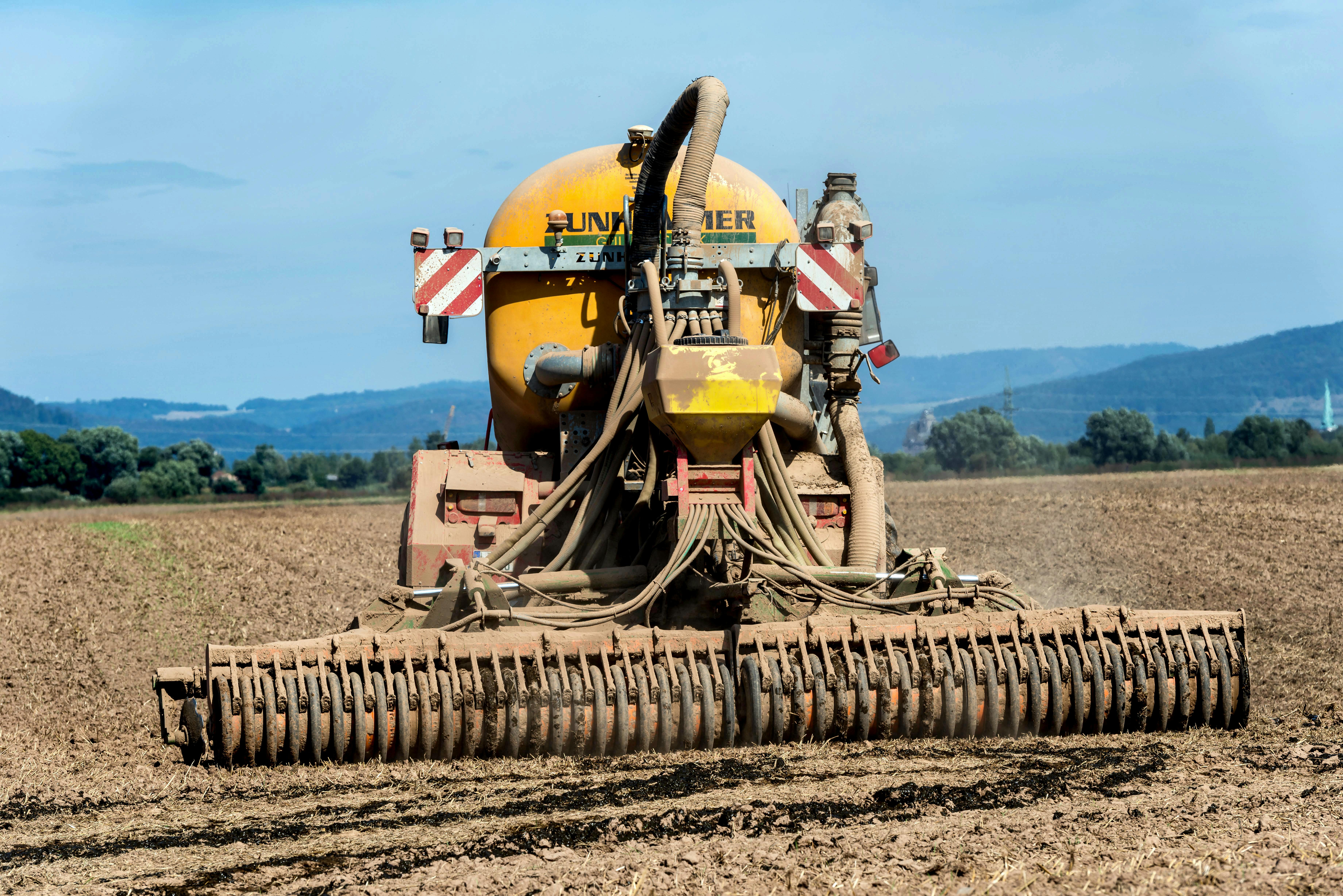
Shifting towards organic soil health management is a strategic move that requires a methodical approach. Here are crucial insights and actionable strategies for Kenyan farmers:
1. Precision Soil Nutrient Mapping
Understanding your soil's unique composition is the first and most vital step. Lab-based soil nutrient mapping provides a precise blueprint of your soil's pH, organic matter content, and macro/micronutrient levels. This data prevents guesswork and ensures that any amendments are targeted and efficient.
2. Phased Fertilizer Reduction and Organic Transition
Abruptly stopping synthetic fertilizers can shock your soil and crops. A gradual, phased reduction plan allows the soil's natural microbial life to recover and adapt to organic nutrient sources.
3. Harnessing Cover Cropping Benefits
Cover crops are unsung heroes of soil health, providing numerous benefits from erosion control to nitrogen fixation. They are a cornerstone of sustainable agriculture.
4. Integrating Agroforestry for Long-Term Resilience
Agroforestry, the practice of integrating trees and shrubs into farming systems, offers profound benefits, especially in semi-arid regions. The integration of species like Faidherbia albida is particularly impactful.
For advanced organic farmers, integrating specialized organic amendments is key. Boost your soil's vitality and microbial activity with a quality input like the Organic Biochar Soil Amendment – available on Amazon . Biochar can significantly improve water retention and nutrient availability over time.
To further explore sustainable practices and connect with a community of like-minded farmers, explore sustainable organic farming solutions with Biofarm Kenya . Our network provides resources and support for your journey towards enhanced soil health and productivity.
Case Studies, Examples, or Comparisons
The success stories of Kenyan farmers adopting organic soil health practices are growing, demonstrating tangible benefits. Consider the case of Mama Njeri, a smallholder farmer in Kitale. After years of declining maize yields due to soil exhaustion, she embraced a system incorporating compost application, legume cover crops, and the strategic planting of Grevillea robusta trees. Within three seasons, her soil organic matter content increased by 1.5%, and she reported a 15% increase in maize production, along with healthier, more resilient crops.
Another inspiring example comes from the organic vegetable farms in Limuru, which have seen a resurgence in soil vitality by prioritizing practices such as vermicomposting and crop rotation. These farms supply premium organic produce to urban markets, commanding better prices and fostering a loyal customer base. A recent study by the Food and Agriculture Organization (FAO) highlighted that farms adopting such integrated soil fertility management practices across East Africa showed an average reduction in chemical fertilizer costs by 40% while maintaining or increasing yields, proving that ecological methods are not only sustainable but also economically viable.
These local successes mirror findings from the 2026 World Agroforestry Journal study, which specifically lauded the integration of Faidherbia albida in semi-arid regions of Kenya. This study meticulously documented how the tree's unique characteristic of shedding leaves during the growing season enriches the soil with nitrogen and organic matter, leading to a remarkable 22% increase in maize yields for participating farmers. This demonstrates the powerful synergy between trees and crops in a well-managed agroforestry system, offering a clear path for boosting productivity in challenging environments.
Common Mistakes to Avoid
Transitioning to organic soil health management is a learning process, and avoiding common pitfalls can save valuable time and resources:
Expert Tips or Best Practices
Drawing from years of experience in sustainable agriculture, here are expert tips tailored for Kenyan farmers committed to enhancing their soil health and boosting yields:
These practices, when combined, create a powerful synergy that transforms degraded soil into a thriving ecosystem. To learn more about how to integrate these strategies effectively and gain access to specialized training and resources, explore sustainable organic farming solutions with Biofarm Kenya . Our partners are committed to supporting your success in organic agriculture.
Future Trends or Predictions
The agricultural landscape in Kenya is poised for significant transformation, driven by innovation and a growing imperative for sustainability. Several emerging trends promise to redefine farming practices and enhance productivity, particularly within the organic sector:
These trends collectively point towards a future where Kenyan agriculture is not only productive but also highly resilient, resource-efficient, and deeply integrated with ecological principles. Organic soil health will remain at the core of this transformation.
Conclusion
The journey towards revitalized soil health and boosted yields for Kenyan farms is not merely an agricultural adjustment; it's a commitment to a sustainable future. By embracing precision organic amendments, integrating powerful practices like cover cropping and agroforestry, and leveraging scientific insights from organizations like KALRO and the World Agroforestry Centre, farmers can reverse the damage of soil degradation and cultivate unprecedented productivity. The evidence is clear: ecological farming methods lead to healthier soils, reduced input costs, increased resilience to climate shocks, and ultimately, more profitable and sustainable livelihoods.
The 22% increase in maize yields in semi-arid regions, as demonstrated by the integration of Faidherbia albida, is not just a statistic; it's a beacon of hope for thousands of farmers. This guide provides the foundational knowledge and practical steps needed to embark on this transformative path. Remember, every handful of healthy soil is a testament to sustainable practice and a promise for future generations.
To deepen your understanding and acquire the best tools for your organic farming endeavors, discover trusted organic farming tools on Amazon and learn more about sustainable solutions with Biofarm Kenya . Join a growing community dedicated to nurturing our land and securing Kenya's agricultural future.
FAQs
Q1: What are precision organic amendments, and why are they crucial for Kenyan soil?
A1: Precision organic amendments involve applying specific organic materials like compost, biochar, or vermicompost in targeted amounts based on scientific soil analysis. They are crucial for Kenyan soil because they replenish organic matter, improve soil structure, enhance water retention, and foster beneficial microbial life, directly addressing degradation caused by synthetic fertilizer overuse. Learn more about soil fertility management from FAO.
Q2: How does cover cropping specifically benefit soil health in semi-arid regions of Kenya?
A2: In semi-arid regions, cover crops are invaluable for preventing soil erosion, suppressing weeds, and conserving precious soil moisture by reducing evaporation. Leguminous cover crops also fix atmospheric nitrogen, enriching the soil naturally and reducing the need for external nitrogen inputs, making them a cornerstone of resilience. Discover research on climate-smart agriculture from KALRO.
Q3: Can agroforestry really increase crop yields, as mentioned in the article (22% for maize)?
A3: Yes, absolutely. The integration of nitrogen-fixing trees like Faidherbia albida in agroforestry systems significantly improves soil fertility, enhances water infiltration, and creates a more favorable microclimate. A 2026 World Agroforestry Journal study demonstrated a 22% increase in maize yields in semi-arid Kenyan regions due to these benefits. Explore more about agroforestry benefits from ICRAF.
Q4: What are the initial steps for a Kenyan farmer wanting to transition to organic farming?
A4: Start with a comprehensive soil test to understand your farm's specific needs. Next, develop a phased plan to reduce synthetic inputs while simultaneously increasing organic matter through composting and cover cropping. Seek guidance from local agricultural extension services or experienced organic farmers. Connect with Biofarm Kenya for transition support.
Q5: Are organic fertilizers expensive, and do they work as fast as synthetic ones?
A5: While the initial cost of some organic amendments can seem higher, they offer long-term savings by improving soil health and reducing the need for continuous applications. Organic fertilizers typically release nutrients slower than synthetics, fostering sustained plant growth and a healthier soil ecosystem over time, rather than a rapid, short-lived boost. Understand environmental sustainability guidelines from NEMA.
Q6: Where can Kenyan farmers find reliable organic farming resources and training?
A6: Kenyan farmers can access reliable resources through agricultural organizations like KALRO, local extension offices, and non-governmental organizations promoting sustainable agriculture. Online platforms and community networks, such as those facilitated by Biofarm Kenya, also offer invaluable training, workshops, and peer-to-peer learning opportunities. Explore comprehensive organic farming resources with Biofarm Kenya.






0 Comments