

Estimated Reading Time: 8 minutes
TL;DR: No-till farming is revolutionizing maize cultivation in Kenya, offering significant benefits in soil health, moisture retention, and cost reduction. By adopting practices like cover cropping, organic mulching, and precise direct seeding, Kenyan farmers can drastically increase maize yields and reduce reliance on expensive fuel and labor. This guide provides actionable steps and expert insights to help you transition to a profitable and sustainable no-till system, ensuring a resilient future for your farm.
Key Takeaways:
- Embrace Cover Cropping for Soil Health
- Optimize Soil Fertility with Organic Mulch
- Master Direct Seeding Techniques
Introduction: Revolutionizing Maize Farming in Kenya
In Kenya, the backbone of food security and agricultural livelihoods rests heavily on maize production. However, conventional farming methods, characterized by extensive tilling, have led to significant challenges including severe soil degradation, increased erosion, and escalating operational costs. Faced with these pressing issues, Kenyan farmers are increasingly adopting no-till practices to combat soil degradation and labor costs. This shift is not merely a trend but a vital move towards sustainable and profitable agriculture. This comprehensive guide aims to train farmers to implement no-till farming with evidence-based steps, offering a pathway to significantly boost maize yields while fostering long-term environmental health.
The benefits are compelling: recent KALRO trials (2025) demonstrate that maize yields increased by 28% in no-till systems compared to conventional methods, while simultaneously reducing fuel costs by 40%. This guide will delve into critical strategies such as using cover crops to suppress weeds and retain moisture, applying organic mulch to improve soil fertility, and optimizing planting depth for direct seeding. High-volume queries like 'how to start no-till farming' and 'soil health alternatives' confirm the rising demand for practical, effective solutions. Join us as we explore how no-till farming can transform your maize farm into a more productive, resilient, and economically viable enterprise.
Background & Context: The Imperative for Sustainable Agriculture
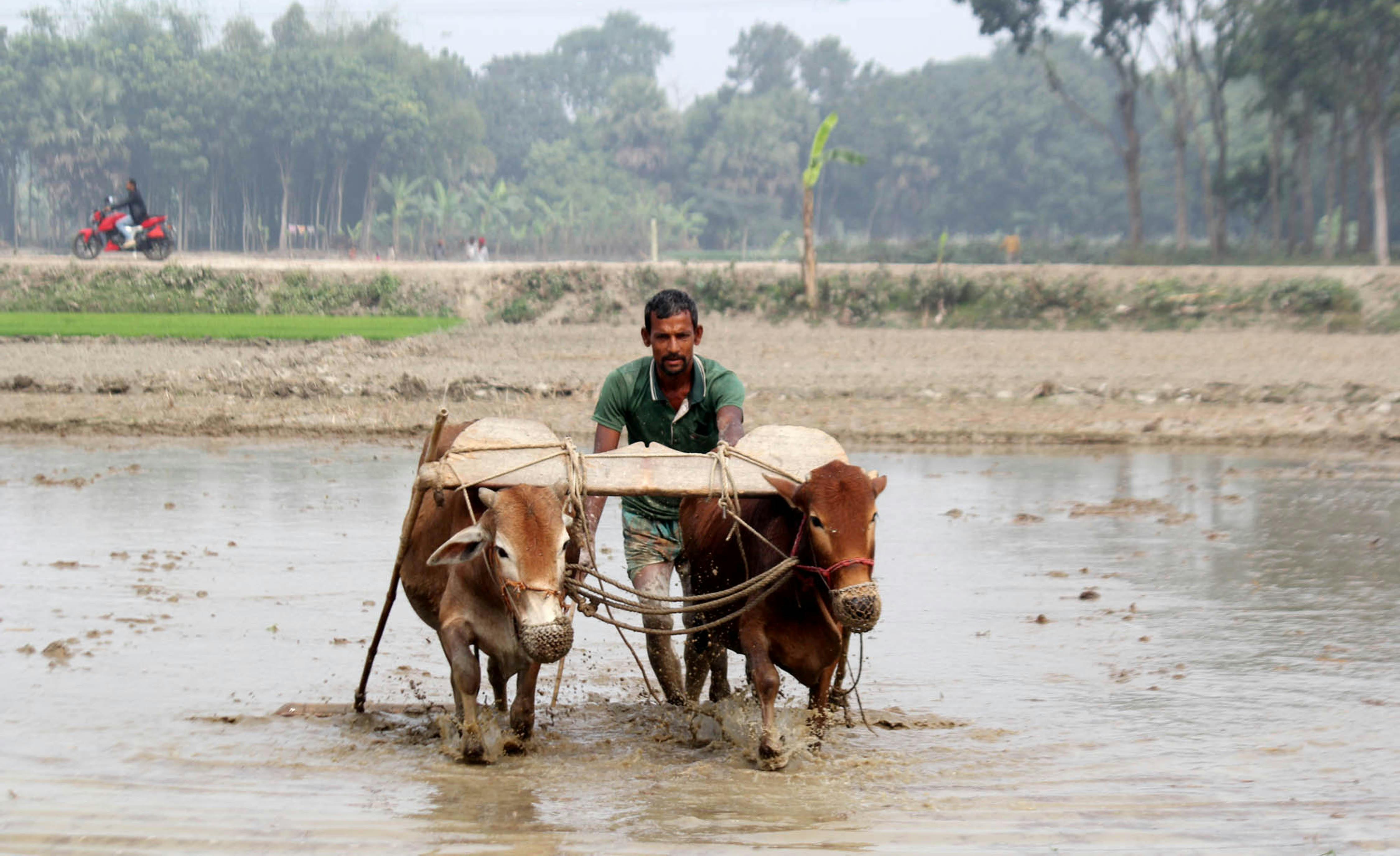
Kenya's agricultural sector, contributing over 30% to the Gross Domestic Product (GDP), faces dual pressures: feeding a rapidly growing population and mitigating the impacts of climate change. Traditional farming methods, while historically productive, often exacerbate environmental issues. The intensive ploughing associated with conventional tillage disrupts soil structure, leading to the loss of valuable topsoil, reduced organic matter, and decreased water retention capacity. This cycle not only diminishes arable land productivity but also increases farmers' vulnerability to drought and erratic rainfall patterns, which are becoming more frequent in East Africa.
Organic farming and sustainable agriculture are gaining significant traction in Kenya as viable alternatives. These approaches emphasize ecological balance, biodiversity, and soil health. No-till farming, a cornerstone of sustainable agriculture, directly addresses these concerns by minimizing soil disturbance. By leaving the soil structure intact, no-till systems promote the accumulation of organic matter, enhance microbial activity, and improve the soil's capacity to store water. This leads to healthier, more resilient soil that can sustain higher yields with fewer external inputs. The growth of agribusiness in Kenya is increasingly leaning towards these sustainable models, driven by both environmental necessity and economic opportunity.
Key Insights & Strategies for No-Till Success
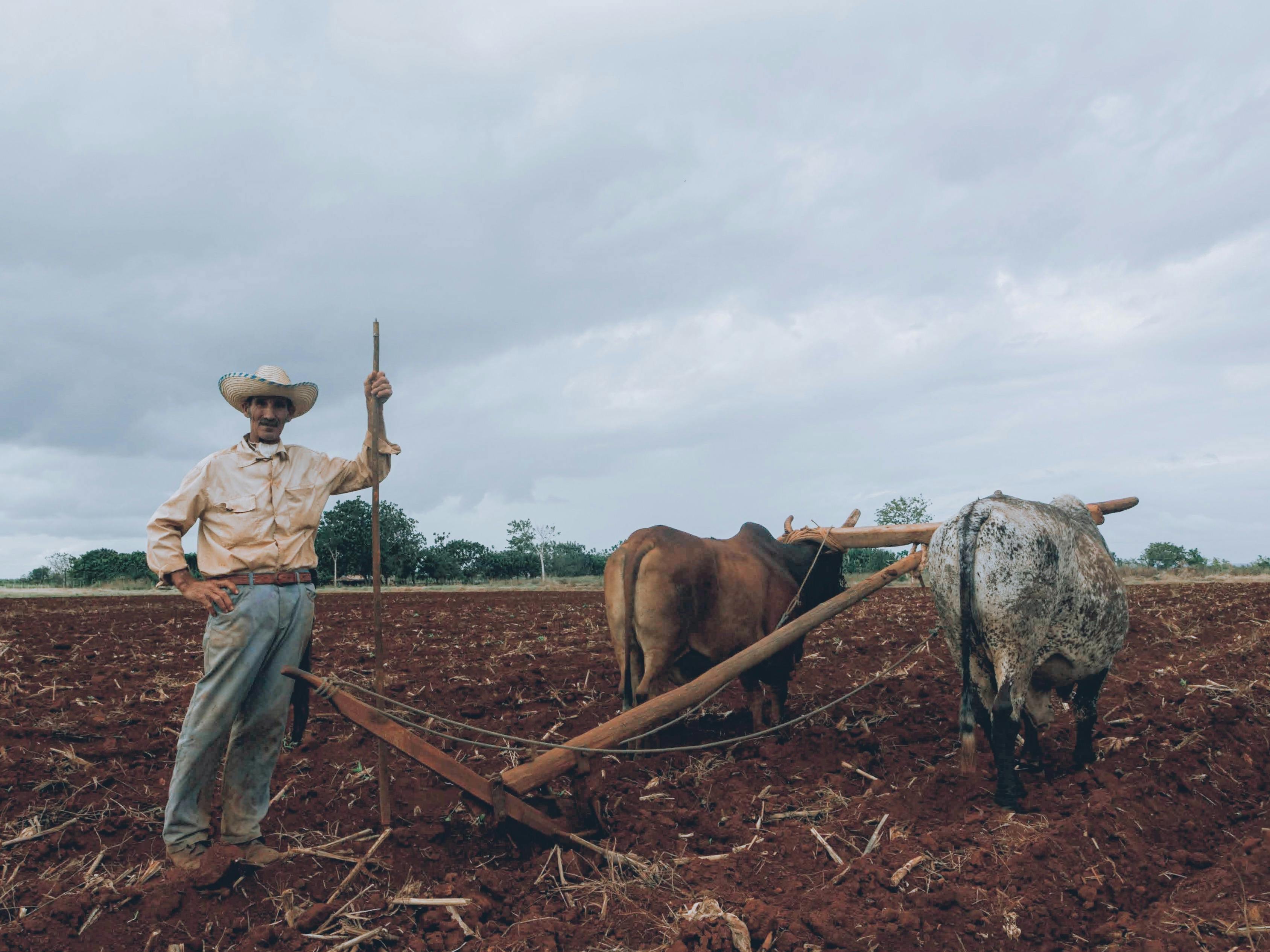
Transitioning to no-till farming requires a shift in mindset and a commitment to new methodologies, but the long-term rewards for soil health and farm profitability are immense. Here are key strategies to guide your adoption:
1. Embrace Cover Cropping for Soil Health
Cover crops are fundamental to successful no-till systems. They are planted not for harvest, but to cover the soil, protecting it from erosion, suppressing weeds, and enriching it with organic matter. Leguminous cover crops like desmodium or mucuna add nitrogen to the soil, reducing the need for synthetic fertilizers. Non-legumes such as oats or millet provide significant biomass, enhancing soil structure and moisture retention. The choice of cover crop depends on your climate, soil type, and primary objectives.
For farmers looking to precisely manage soil nutrients and acidity, understanding your soil's current state is crucial before planting cover crops. Boost your yields with the Soil pH & Moisture Tester Kit – available on Amazon. This essential tool helps in making informed decisions about cover crop selection and soil amendments, ensuring optimal growing conditions for your maize.
2. Optimize Soil Fertility with Organic Mulch
Organic mulch, primarily derived from crop residues left on the soil surface, is another cornerstone of no-till. This protective layer plays a crucial role in maintaining soil health. It shields the soil from the harsh sun and heavy rains, preventing temperature fluctuations and reducing erosion. As the mulch decomposes, it gradually releases nutrients, feeding the soil microbiome and enhancing overall fertility. This also helps in retaining soil moisture, a critical advantage in Kenya's often dry conditions.
3. Master Direct Seeding Techniques
Direct seeding, or planting directly into undisturbed soil through the residue layer, is central to no-till. This technique requires specialized equipment, typically a no-till planter, which can cut through residues and place seeds at the optimal depth without significant soil disruption. Proper seeding ensures good seed-to-soil contact, crucial for uniform germination and strong seedling establishment.
For comprehensive guidance and resources on transitioning to no-till and other sustainable practices, explore sustainable organic farming solutions with Biofarm Kenya. Their expertise and network can provide invaluable support for your farming journey.
Case Studies: Kenyan Farmers Thriving with No-Till
Across Kenya, an increasing number of farmers are demonstrating the tangible benefits of no-till farming. One notable example comes from a cooperative of smallholder farmers in Kitale, Trans-Nzoia County. Traditionally reliant on conventional ploughing, these farmers faced diminishing returns due to declining soil fertility and unpredictable rainfall. Inspired by local agricultural extension services, they adopted a no-till system, incorporating cover crops like sunn hemp and dolichos lablab between their maize cycles. After just three seasons, they reported a noticeable improvement in soil structure, with richer, darker topsoil. Maize yields in their no-till plots averaged 35 bags per acre, a significant increase from the 25 bags per acre they achieved with conventional tillage. Furthermore, their expenditure on fuel for tractors dropped by nearly half, leading to substantial cost savings and improved household incomes. This success story highlights the potential for no-till to transform livelihoods even on a small scale.
Another inspiring case is from a farm in Makueni County, a semi-arid region where water conservation is paramount. This farmer implemented a no-till system coupled with extensive mulching using maize stover and pigeon pea residues. By keeping the soil covered year-round, they observed a dramatic reduction in water evaporation, allowing their maize crops to withstand longer dry spells. The undisturbed soil also fostered a thriving earthworm population, naturally improving aeration and water infiltration. Their farm, once struggling with inconsistent yields, now consistently produces healthier maize with less irrigation, serving as a beacon of drought resilience in the region. These examples, supported by research from institutions like the Kenya Agricultural and Livestock Research Organization (KALRO), underscore the practical and economic viability of no-till practices in diverse Kenyan agro-ecological zones.
Common Mistakes to Avoid in No-Till Adoption
While the benefits of no-till farming are clear, a successful transition requires careful planning and a proactive approach to potential challenges. Avoiding common pitfalls can save farmers time, money, and frustration.
- Correction: Implement robust cover crop rotations, utilize organic mulches, and consider strategic use of intercropping to naturally suppress weeds. For persistent weeds, consider spot-spraying or targeted mechanical removal. Insufficient Residue Management: Uneven distribution or insufficient residue cover can hinder the benefits of no-till. Too much residue in one spot can interfere with planting, while too little leaves the soil exposed.
- Correction: Ensure harvesting equipment spreads residues evenly. Supplement with additional organic material if crop residues are sparse. Ignoring Soil Compaction: While no-till reduces compaction from implements, pre-existing compaction from years of conventional tillage can impede root growth. Ignoring this in the transition phase is a common error.
- Correction: Address severe compaction before fully transitioning, perhaps with a one-time deep ripping or by planting deep-rooted cover crops like radishes to break up hardpans naturally over time. Improper Planter Calibration: Direct seeding requires precision. Incorrect calibration of no-till planters can lead to uneven seed depth, poor seed-to-soil contact, and ultimately, inconsistent stand establishment and reduced yields.
- Correction: Always calibrate your planter according to manufacturer specifications and conduct regular checks in the field to ensure correct seed placement and spacing. Lack of Soil Testing: Assuming soil health will magically improve without understanding its baseline conditions is a mistake. Nutrient deficiencies or imbalances can persist even in no-till systems.
- Correction: Conduct regular soil tests (at least annually during the transition) to monitor nutrient levels, pH, and organic matter content. This allows for targeted nutrient management and ensures the soil can support healthy maize growth.
Expert Tips & Best Practices for Maximizing Yields
Achieving optimal maize yields in a no-till system requires a blend of scientific understanding and practical application. Here are expert tips tailored for Kenyan farmers to maximize their success:
Future Trends: Innovation in No-Till and Sustainable Agriculture
The landscape of agriculture is continuously evolving, and no-till farming is at the forefront of exciting innovations aimed at enhancing productivity and sustainability. Kenyan farmers can look forward to several emerging trends that will further optimize their no-till systems.
One significant trend is the rise of **smart irrigation systems**. These technologies utilize sensors, weather data, and AI-driven analytics to deliver water precisely when and where it's needed, minimizing waste and maximizing efficiency. For no-till farmers, who already benefit from enhanced soil moisture retention, smart irrigation can further reduce water usage and ensure optimal hydration during critical growth stages. This is particularly vital in water-stressed regions of Kenya, offering a pathway to climate-resilient agriculture.
**Vertical farming and controlled environment agriculture (CEA)**, while currently more focused on high-value crops, are influencing broader agricultural practices. The precision and resource efficiency inherent in these systems are inspiring developments in outdoor farming, including advancements in cover crop management and nutrient delivery for no-till systems. We may see more integrated pest management approaches that mimic controlled environments, reducing reliance on external inputs.
**AI-driven crop monitoring and predictive analytics** are set to revolutionize decision-making. Drones equipped with multispectral cameras can monitor crop health, identify nutrient deficiencies, and detect pest outbreaks long before they are visible to the human eye. This allows no-till farmers to intervene proactively, optimizing input use and preventing widespread crop damage. Predictive models, based on historical data and real-time sensor information, can forecast yields and inform planting schedules, further enhancing efficiency and profitability.
Finally, there's a growing emphasis on **carbon farming initiatives**. No-till farming, by sequestering carbon in the soil, plays a crucial role in mitigating climate change. Future trends will likely include financial incentives and carbon credit markets for farmers adopting such practices, providing an additional revenue stream and recognizing their environmental stewardship. These innovations collectively promise a future where agriculture in Kenya is not only productive but also highly sustainable and economically rewarding.
Conclusion: A Sustainable Path to Prosperity
No-till farming presents a powerful and proven strategy for Kenyan maize farmers seeking to overcome the challenges of soil degradation, rising input costs, and climate variability. By embracing practices such as cover cropping, organic mulching, and precise direct seeding, farmers can achieve remarkable increases in maize yields, significantly reduce fuel consumption, and foster healthier, more resilient soils. The evidence from KALRO trials and the success stories of pioneering Kenyan farmers underscore the immense potential of this sustainable approach.
The journey to no-till is an investment in the future of your farm and the environment. It requires dedication, continuous learning, and a willingness to adapt, but the long-term benefits of improved soil health, reduced operational costs, and increased profitability are undeniable. By adopting these expert-backed strategies, you're not just changing a farming method; you're building a legacy of sustainable agriculture for generations to come.
Discover trusted organic farming tools on Amazon and learn more about sustainable solutions with Biofarm Kenya, your partner in agricultural innovation and prosperity.
FAQs on No-Till Farming in Kenya
1. What is no-till farming and why is it beneficial for Kenyan maize farmers?
No-till farming is an agricultural practice that involves growing crops year after year without disturbing the soil through tillage. For Kenyan maize farmers, its benefits are profound: it significantly reduces soil erosion, enhances soil moisture retention (crucial in arid and semi-arid regions), increases soil organic matter, and minimizes fuel and labor costs by eliminating ploughing. Studies by organizations like KALRO have shown substantial increases in maize yields under no-till systems in Kenya. Learn more about Conservation Agriculture from FAO.
2. How do cover crops contribute to no-till maize farming in Kenya?
Cover crops are integral to no-till success. They protect the soil from direct sun and heavy rain, preventing erosion and extreme temperature fluctuations. In Kenya, varieties like lablab, sunn hemp, or even local grasses can be used to suppress weeds, add organic matter, and fix nitrogen in the soil (especially legumes), reducing the need for synthetic fertilizers. They also improve soil structure and water infiltration, creating a healthier environment for maize roots. Explore Biofarm Kenya's guide to local cover crops.
3. What equipment is essential for starting no-till maize farming in Kenya?
The most crucial piece of equipment for no-till maize farming is a no-till planter or seeder. This specialized machinery is designed to cut through crop residues and place seeds directly into undisturbed soil at the optimal depth. While conventional planters can be modified, a dedicated no-till planter ensures efficient and effective seeding, which is vital for uniform crop establishment. Other helpful tools might include residue managers and precise sprayers for targeted weed control if needed. Find resources on no-till equipment from Purdue Extension.
4. How long does it take to see the benefits of no-till farming on maize yields?
The transition to no-till can show initial benefits within the first few seasons, particularly in terms of reduced fuel costs and improved soil moisture retention. Significant improvements in soil organic matter and sustained yield increases often become more apparent after 3-5 years as the soil's biological health fully recovers and matures. Patience and consistent adherence to no-till principles are key to realizing the full spectrum of benefits. Discover long-term benefits of no-till from USDA NRCS.
5. What are the main challenges when adopting no-till in Kenya and how can they be addressed?
Common challenges include initial investment in specialized no-till equipment, managing weeds without tillage, and adapting to new planting techniques. These can be addressed by starting on a smaller scale, utilizing strong cover crop programs for weed suppression, and seeking training and support from agricultural extension services or experienced no-till farmers. Farmer cooperatives can also help in pooling resources for equipment purchases. Read about challenges and solutions in Conservation Agriculture in Africa from CGIAR.
6. Can no-till farming be combined with organic maize production in Kenya?
Absolutely. No-till farming is highly compatible with organic maize production and is a cornerstone of organic and regenerative agriculture. By eliminating synthetic fertilizers and pesticides, and focusing on practices like cover cropping, composting, and diversified rotations, organic no-till systems further enhance soil health, biodiversity, and ecosystem services. This combination offers a truly sustainable and environmentally friendly approach to maize cultivation in Kenya. Learn more about organic no-till integration from Biofarm Kenya.




0 Comments