

Estimated Reading Time: 15 minutes
Introduction
Across Kenya's diverse agricultural landscapes, a silent crisis has been unfolding: widespread soil degradation exacerbated by erratic rainfall patterns. For years, Kenyan farmers are increasingly seeking ways to combat soil degradation and erratic rainfall, jeopardizing food security and farmer livelihoods. However, a powerful, age-old solution is gaining renewed traction: agroforestry. This guide trains farmers to integrate nitrogen-fixing trees (e.g., Faidherbia albida) with crops like maize, boosting soil fertility and yields. Evidence from a 2025 JICA-Kenya trial shows agroforestry systems increase maize yields by 120% in 3 years while reducing fertilizer costs. This isn't just about planting trees; it's about a holistic approach to farming that restores ecological balance, enhances productivity, and builds resilience against climate change.
Agroforestry offers a sustainable pathway to revitalize farmlands, particularly for staple crops like maize, which are vital for the nation's food supply. By strategically combining trees and crops, farmers can naturally enrich their soil, conserve water, and diversify their income streams. This comprehensive article delves into the proven benefits, practical steps, and expert tips for successfully implementing agroforestry systems that will transform maize production across Kenya.
Background & Context

Kenya's agricultural sector, a cornerstone of its economy, faces immense pressure from a growing population and the adverse effects of climate change. Decades of intensive farming, monoculture, and over-reliance on synthetic fertilizers have stripped the soil of essential nutrients and organic matter, leading to decreased yields and increased vulnerability to drought. This widespread soil degradation has prompted a critical shift towards more sustainable practices, with organic farming and agroforestry at the forefront.
The growth of agribusiness in Kenya is intrinsically linked to the health of its soil. Healthy soil means healthier crops, better yields, and improved economic stability for farmers. Agroforestry systems offer a natural solution, mimicking forest ecosystems to create a more resilient and productive agricultural environment. They are crucial for improving soil fertility, enhancing biodiversity, and sequestering carbon, contributing significantly to both local food security and global climate action efforts.
Key Insights & Strategies for Agroforestry Success
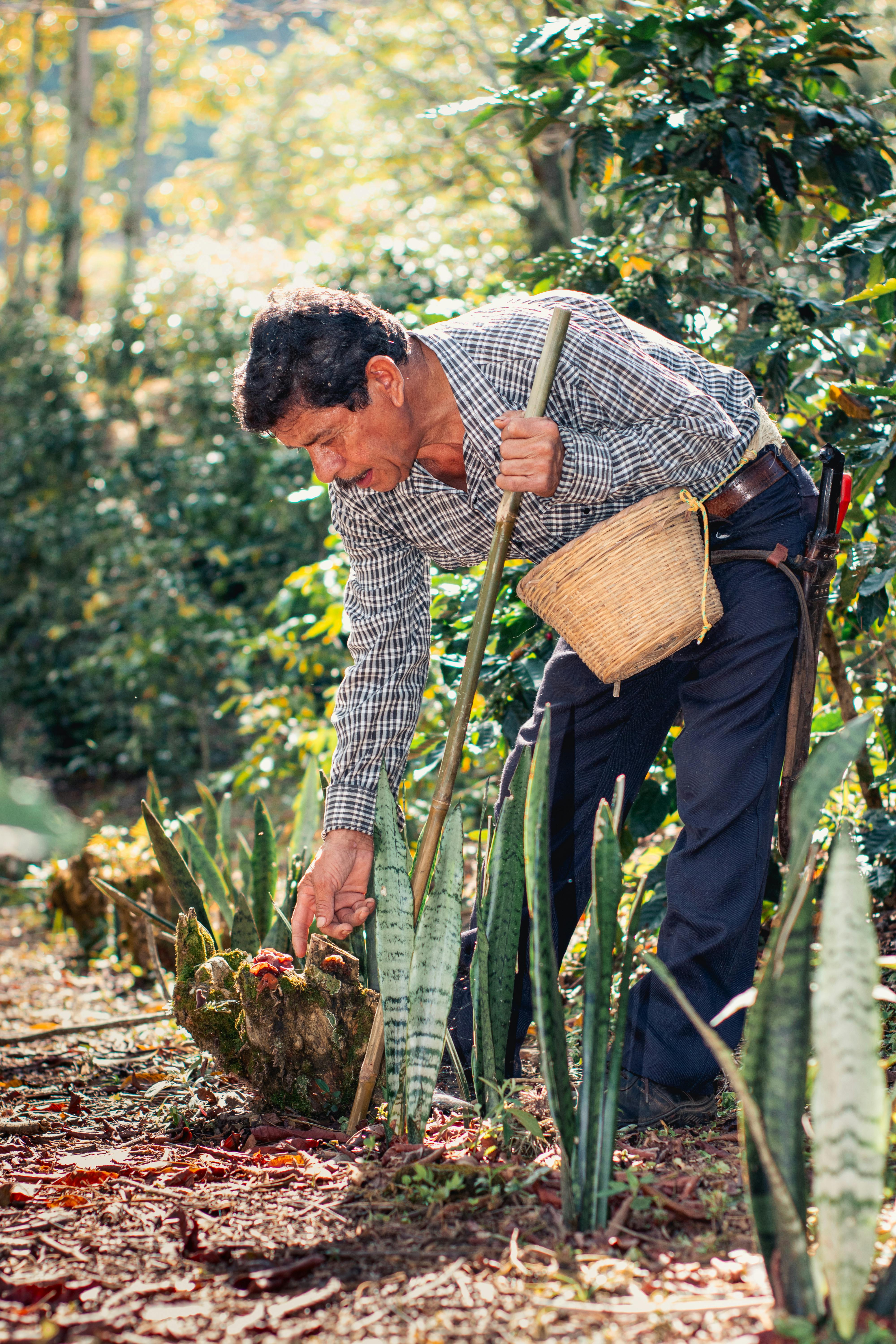
Implementing successful agroforestry requires careful planning and execution. The integration of nitrogen-fixing trees, such as the widely recognized Faidherbia albida, is fundamental to replenishing soil nutrients and improving crop performance. These trees have a unique ability to fix atmospheric nitrogen into the soil, acting as natural fertilizers.
1. Strategic Tree Spacing for Optimal Growth
Proper spacing is crucial to ensure trees don't outcompete crops for light and water while still providing their benefits. For Faidherbia albida, a common spacing technique involves planting trees 10x10 meters apart within maize fields. This allows for sufficient sunlight penetration for the maize during the growing season, as Faidherbia uniquely sheds its leaves during the wet season, minimizing shade when crops need it most.
For farmers keen on ensuring their soil's readiness for these practices, understanding current conditions is vital. Boost your yields with the Digital Soil pH & Moisture Tester – available on Amazon . This tool helps you accurately measure soil pH and moisture levels, allowing for informed decisions on nutrient management and irrigation.
2. Implementing Effective Intercropping Schedules
Intercropping involves growing two or more crops in proximity, which in agroforestry means planting maize between the rows of trees. The timing of planting and harvesting is key to leveraging the symbiotic relationship between trees and crops. Nitrogen-fixing trees improve soil fertility, benefiting the maize, while the maize provides ground cover and organic matter.
3. Timely Pruning for Maximum Symbiotic Growth
Pruning is not just about shaping trees; it's a critical management tool in agroforestry. Timely pruning provides valuable biomass that can be used as green manure, returning vital nutrients to the soil. It also manages the tree canopy, ensuring sufficient light reaches the understory crops.
By integrating these practices, farmers can significantly improve soil fertility, increase maize yields, and reduce dependence on costly synthetic fertilizers, contributing to both environmental sustainability and economic viability.
To delve deeper into these and other sustainable practices, explore sustainable organic farming solutions with Biofarm Kenya .
Case Studies: Agroforestry in Action in Kenya
Numerous success stories across Kenya highlight the transformative power of agroforestry. Farmers who have embraced these methods report not only increased yields but also improved soil health and greater resilience to climate shocks. For instance, in Western Kenya, communities participating in agroforestry initiatives have seen a significant reduction in soil erosion and a noticeable increase in soil organic matter.
A notable example comes from a JICA-Kenya trial conducted in 2025, which focused on integrating Faidherbia albida with maize crops. The study demonstrated that agroforestry systems increased maize yields by an impressive 120% within just three years. This was primarily attributed to enhanced soil nitrogen levels and improved water infiltration. These findings underscore the potential for such systems to revolutionize food production in the region, offering a sustainable alternative to conventional farming.
Beyond maize, diverse agroforestry models are thriving. In parts of Central Kenya, farmers are integrating fruit trees alongside their cash crops, providing additional income streams and enhancing food diversity. These localized successes, supported by organizations like the World Agroforestry Centre (ICRAF) and the Ministry of Agriculture, Kenya, serve as powerful testaments to the efficacy and adaptability of agroforestry practices across varied Kenyan contexts.
Common Mistakes to Avoid in Agroforestry
While agroforestry offers immense benefits, successful implementation requires careful attention to detail. Avoiding common pitfalls can save farmers time, resources, and ensure optimal yields.
1. Improper Tree Selection
Choosing the wrong tree species for your local climate and soil type is a significant error. Some trees might be too aggressive, shading out crops or competing excessively for water and nutrients. Always opt for native, nitrogen-fixing species known to thrive in your specific agro-ecological zone, like Faidherbia albida in semi-arid areas.
2. Neglecting Tree Management
Planting trees is only the first step. Neglecting pruning, weeding around young trees, or failing to protect them from livestock can severely hinder their growth and the overall success of the system. Regular monitoring and maintenance are essential for the health of both trees and crops.
3. Inadequate Spacing
Planting trees too densely can lead to excessive shading of crops, reducing yields. Conversely, planting them too far apart diminishes the beneficial ecological interactions. Adhere to recommended spacing guidelines for your chosen tree species and crop combination to maintain a harmonious balance.
4. Ignoring Soil Health
While agroforestry naturally improves soil, ignoring baseline soil conditions can be a mistake. Failing to conduct initial soil tests or understand soil pH and nutrient deficiencies can lead to suboptimal tree and crop performance. Soil amendments, even organic ones, might still be necessary in the initial stages to kickstart fertility.
5. Lack of Water Management
Even with trees improving water retention, specific irrigation strategies, especially for young trees and during dry spells, are vital. Relying solely on rainfall, particularly in regions with erratic patterns, can stress both trees and crops.
Expert Tips & Best Practices for Maximizing Yields
To truly unlock the potential of agroforestry and ensure your maize yields soar, integrate these expert tips into your farming routine. These practices are designed to enhance soil health, optimize nutrient cycling, and build system resilience.
1. Embrace Diversity
Don't limit yourself to just maize and one tree species. Introduce a variety of nitrogen-fixing trees and rotate your understory crops. This diversity improves soil microbiology, reduces pest and disease pressure, and provides a broader range of products for your family or market. Consider fruit trees or fodder species alongside your main crops.
2. Continuous Soil Monitoring
Soil is the foundation of your farm. Regularly test your soil to understand its nutrient profile and pH levels. This allows you to make informed decisions on organic amendments and fine-tune your agroforestry management. Understanding your soil helps you apply the right amount of organic matter, ensuring both trees and crops thrive. Maintain healthy soil with Organic Soil Booster – available on Amazon , a vital component for enriching your soil's microbial life and nutrient content.
3. Master Water Harvesting and Conservation
Given Kenya's erratic rainfall, effective water management is non-negotiable. Implement simple water harvesting techniques like contour farming, terracing, and mulching to conserve moisture. Drip irrigation systems can be particularly effective for young trees and during dry periods, ensuring water is delivered directly to the root zone with minimal waste.
For efficient water use, consider investing in a Precision Drip Irrigation System – available on Amazon . This system delivers water directly to the plant roots, minimizing waste and ensuring your crops and trees get the hydration they need, especially during dry spells.
4. Integrate Livestock Thoughtfully
If you have livestock, integrate them strategically. Animals can provide natural fertilization through their manure and help control weeds. However, protect young trees from browsing by fencing or using tree guards. Properly managed rotational grazing within agroforestry systems can be highly beneficial for overall farm health.
5. Learn from Peers and Experts
Join local farmer groups, attend workshops, and seek advice from agricultural extension officers. Learning from the experiences of others and staying updated on the latest sustainable farming techniques will be invaluable. Knowledge sharing is a cornerstone of successful community-based agricultural development.
For further resources and community support, explore sustainable organic farming solutions with Biofarm Kenya . Our partners offer valuable insights and practical tools to help you succeed.
Future Trends & Innovations in Kenyan Agroforestry
The future of Kenyan agriculture is bright with innovations that promise to further enhance the benefits of agroforestry. As technology advances, farmers will have access to even more sophisticated tools and methods to optimize their systems. These trends are poised to make agroforestry more efficient, productive, and resilient.
Smart irrigation systems are gaining traction, using sensors and AI to monitor soil moisture and weather patterns, delivering water precisely when and where it's needed. This precision minimizes water waste, a critical factor in water-scarce regions, and ensures optimal hydration for both trees and crops. Data-driven decisions will become the norm, moving away from guesswork.
Vertical farming and controlled environment agriculture, though currently more common for high-value crops, are concepts that could integrate with agroforestry in hybrid models, especially in urban or peri-urban areas. These innovations can maximize land use and provide consistent yields, complementing the broader benefits of tree integration in larger rural farms. Furthermore, AI-driven crop monitoring systems are emerging, using drones and satellite imagery to detect early signs of pest infestations, disease, or nutrient deficiencies, allowing for proactive intervention and minimized crop loss. These technologies will empower farmers with real-time insights, enabling more efficient and sustainable management of their agroforestry plots.
Conclusion
The journey towards sustainable agriculture in Kenya is both a challenge and an immense opportunity. By embracing agroforestry, particularly the integration of nitrogen-fixing trees like Faidherbia albida with maize, Kenyan farmers can fundamentally transform their land, boost yields by significant margins, and drastically reduce their reliance on costly chemical inputs. The evidence is clear: agroforestry builds soil fertility, conserves water, and creates resilient farming systems capable of withstanding the pressures of climate change.
The key steps, from strategic tree spacing and intercropping to timely pruning, are practical and accessible, offering a clear path to a more productive and environmentally friendly farm. As we look to the future, continuous innovation and community collaboration will further solidify agroforestry's role as a cornerstone of Kenyan food security.
Empower your farm with the right tools. Discover trusted organic farming tools on Amazon and learn more about sustainable solutions with Biofarm Kenya . Together, we can cultivate a greener, more prosperous future for Kenyan agriculture.


0 Comments