

Estimated Reading Time: 11 minutes
Introduction: Cultivating Prosperity with IPM in Kenya
In Kenya, the agricultural sector forms the backbone of the economy, yet farmers consistently face challenges such as escalating input costs, particularly for pesticides, and increasing environmental concerns. It's against this backdrop that Kenyan farmers are increasingly adopting Integrated Pest Management (IPM) to cut costs and boost yields. This holistic approach offers a sustainable pathway to food security and economic resilience. IPM is not just a technique; it’s a philosophy that harmonizes agricultural practices with ecological principles, ensuring long-term farm health and productivity.
This training guide focuses on practical steps to implement IPM by combining biological controls, crop rotation, and selective pesticide use. By understanding the life cycles of pests and their natural enemies, farmers can make informed decisions that minimize chemical reliance while maximizing crop protection. Key evidence-backed strategies include introducing natural predators like ladybugs for pest control, using pheromone traps to monitor infestations, and applying pesticides only when economic thresholds are exceeded. Such strategic interventions are not merely theoretical; a compelling 2025 study by KALRO (Kenya Agricultural and Livestock Research Organization) unequivocally shows farms using IPM saw 30% lower input costs and 20% higher yields compared to conventional methods. This guide from Biofarm Kenya aims to empower you with the knowledge and tools to transform your farming practices.
Background & Context: The Shifting Landscape of Kenyan Agriculture
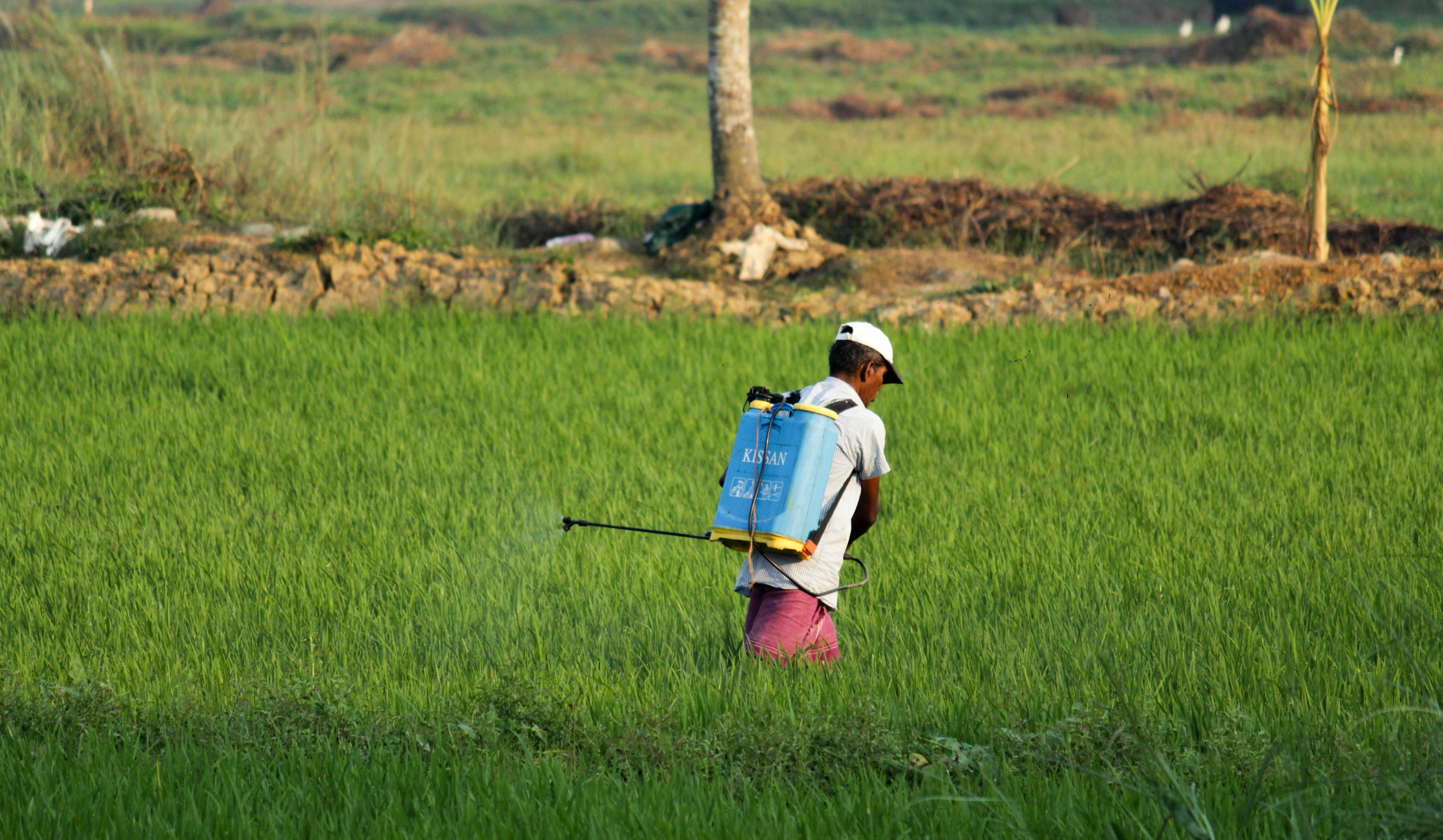
Kenya's agricultural sector is undergoing a significant transformation, driven by both necessity and opportunity. The rising global demand for organic and sustainably produced food, coupled with increasing awareness of environmental degradation caused by conventional farming, is pushing Kenyan farmers towards greener alternatives. Smallholder farmers, who constitute the majority of agricultural producers in the country, are at the forefront of this shift, seeking methods that promise both ecological integrity and economic viability. Organic farming practices, though sometimes perceived as low-yield, are gaining traction as farmers realize the long-term benefits of improved soil fertility, reduced input costs, and access to premium markets.
Data from the Ministry of Agriculture indicates a steady growth in demand for organic produce within Kenya and for export, highlighting a lucrative niche for farmers embracing sustainable methods. Moreover, initiatives by organizations like KALRO are continuously providing research and support for the adoption of climate-smart agriculture, which inherently integrates principles of IPM. Maintaining robust soil fertility is paramount to this transition. Healthy soil, rich in organic matter and microbial life, naturally resists pests and diseases, reducing the need for external interventions. This foundational approach supports a thriving ecosystem where crops can flourish with minimal synthetic inputs, directly contributing to higher yields and lower operational expenses for Kenyan farmers.
Key Insights & Strategies for Effective IPM
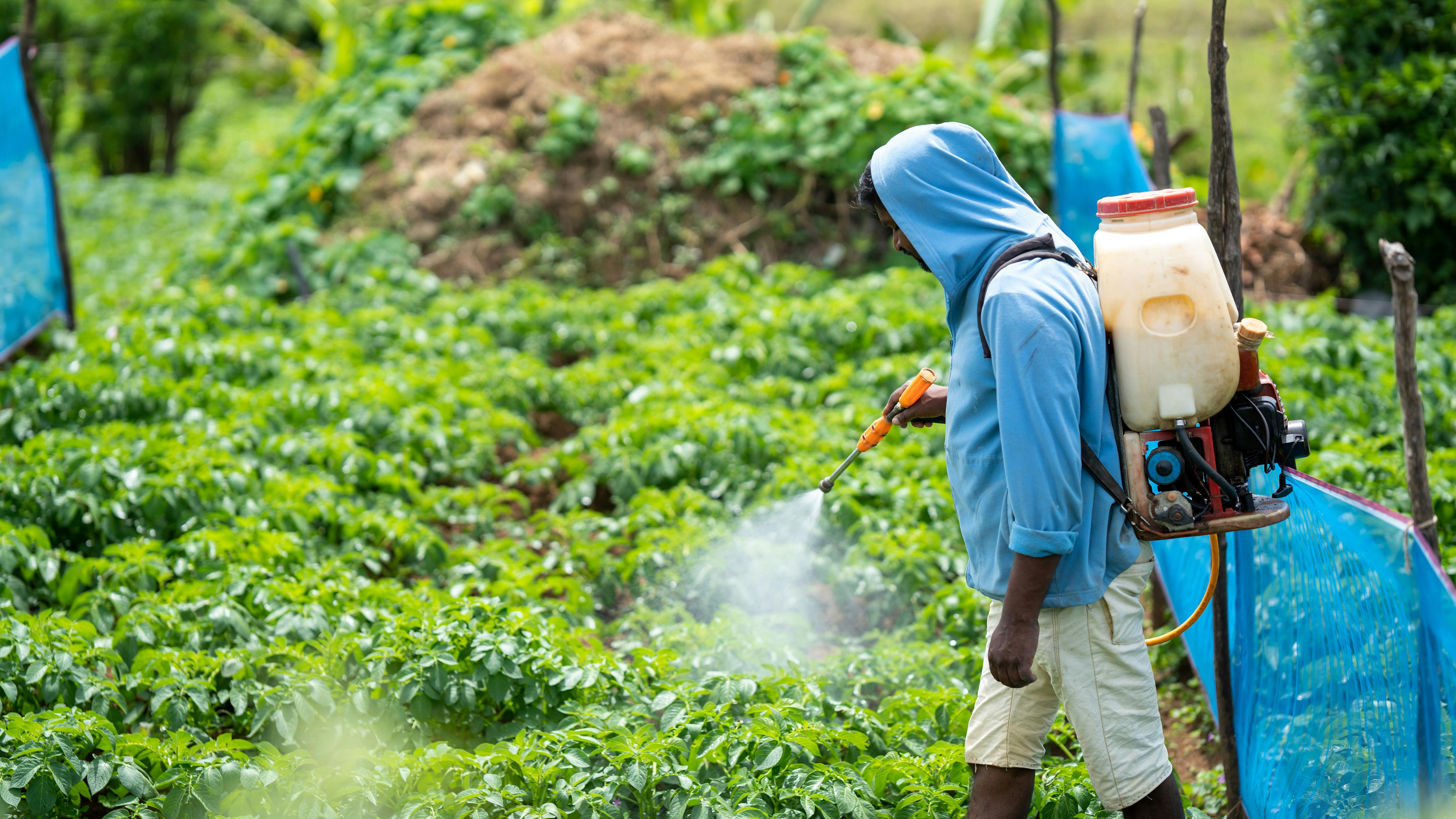
Implementing a successful IPM program requires a multi-faceted approach, integrating various strategies that work in harmony with nature. Here are key insights and actionable steps that Kenyan farmers can adopt to effectively manage pests, cut costs, and boost yields:
1. Prioritize Cultural Controls
Cultural controls are the first line of defense in IPM, focusing on practices that make the environment less favorable for pests.2. Leverage Biological Controls
Harnessing nature's pest controllers is a cornerstone of IPM. This involves introducing or conserving beneficial organisms that prey on or parasitize pests.For farmers committed to biological control, understanding your soil's foundation is key. Boost your yields with the Soil pH & Moisture Tester Kit – available on Amazon. This essential tool helps you create the ideal environment for both your crops and their beneficial allies, ensuring your IPM strategies are built on fertile ground.
3. Implement Effective Monitoring and Scouting
Knowledge is power in IPM. Regular monitoring helps in making timely and targeted decisions, crucial for cutting costs and boosting yields.To effectively monitor pest populations on your farm, consider incorporating an Insect Pheromone Trap Kit – available on Amazon. These traps are invaluable for early detection of key pests, allowing you to respond proactively and selectively.
4. Practice Selective and Targeted Pesticide Use
When pest populations cross economic thresholds and other methods are insufficient, selective pesticide use becomes a part of IPM, but only as a last resort.To delve deeper into comprehensive and sustainable farming practices, explore sustainable organic farming solutions with Biofarm Kenya. Our resources and partnerships are designed to help you implement advanced IPM techniques tailored for the Kenyan context.
Case Studies & Success Stories from Kenyan Farms
Across Kenya, numerous farmers are demonstrating the tangible benefits of adopting IPM. These inspiring stories showcase how practical steps in IPM can lead to significant cost reductions and yield increases. For example, in the horticultural rich regions of Naivasha, several rose farmers have successfully integrated beneficial mites and insects into their greenhouse operations to combat spider mites and thrips. By reducing their reliance on synthetic pesticides, these farmers have not only seen improved plant health and higher quality blooms but also a substantial reduction in operational costs associated with chemical purchases and application labor.Another compelling example comes from smallholder maize farmers in Western Kenya, who, with guidance from KALRO and local agricultural extension officers, have adopted push-pull technology. This innovative strategy involves planting repellent crops (e.g., Desmodium) between maize rows to 'push' away stem borers, and attractive trap crops (e.g., Napier grass) around the field borders to 'pull' the pests away from the main crop. This method has dramatically reduced stem borer infestations, leading to increased maize yields and improved food security for participating families, as highlighted in a recent FAO report on climate-resilient agriculture in East Africa. These local successes underscore the effectiveness of IPM when tailored to specific regional challenges and crops.
Common Mistakes to Avoid in IPM Implementation
While IPM offers immense benefits, missteps in its application can hinder its effectiveness. Avoiding these common mistakes will help Kenyan farmers maximize their IPM efforts:1. Neglecting Proper Soil Management
A common error is overlooking the fundamental role of healthy soil. Poor soil structure, low organic matter, and imbalanced pH levels weaken plants, making them more susceptible to pests and diseases. To correct this, conduct regular soil tests to understand your soil's composition. Incorporate organic matter through composting and cover cropping to improve soil fertility and microbial diversity, which naturally boosts plant resilience.2. Over-reliance on a Single Control Method
IPM is about integration, not isolation. Many farmers mistakenly rely too heavily on one control method, such as only using biological controls or only cultural practices, thinking it's sufficient. This defeats the purpose of IPM. Instead, integrate multiple strategies – cultural, biological, mechanical, and if necessary, chemical – to build a robust defense system. For instance, combine resistant varieties with crop rotation and the introduction of natural predators.3. Inadequate Pest Monitoring and Identification
Effective IPM hinges on accurate and timely information. A frequent mistake is not regularly scouting fields or misidentifying pests. This can lead to inappropriate or delayed interventions. Implement a consistent scouting schedule, learn to identify common pests and beneficial insects in their various life stages, and understand their economic thresholds. Use resources from KALRO or local extension services for accurate identification.4. Improper Pesticide Application (When Used)
Even when selective pesticides are deemed necessary, incorrect application can render them ineffective, harm beneficial insects, or lead to resistance. Common errors include using the wrong dosage, spraying at the wrong time (e.g., during windy conditions or when beneficials are active), or not rotating chemical classes. Always follow label instructions meticulously, apply pesticides only when necessary, and ensure proper equipment calibration for targeted application.Expert Tips & Best Practices for Sustainable Pest Management
For Kenyan farmers aiming to refine their IPM strategies, these expert tips provide practical guidance to further enhance farm productivity, reduce environmental impact, and significantly cut costs:1. Foster Biodiversity on Your Farm
Creating a diverse ecosystem within and around your farm is one of the most powerful IPM strategies. Plant hedgerows, incorporate border crops, and allow for natural vegetation areas. These provide shelter, food, and breeding grounds for beneficial insects and birds, turning your farm into a self-regulating pest management system. This approach naturally introduces a wide array of natural predators and pollinators, essential for a thriving farm.2. Embrace Composting and Mulching
Healthy soil is the foundation of healthy plants. Regular application of compost enriches the soil with essential nutrients, improves water retention, and fosters a robust microbial community that can suppress soil-borne diseases. Mulching helps retain soil moisture, regulate temperature, and suppress weeds, thereby reducing competition and stress on your crops. Maintain healthy soil with Organic Compost Starter Mix – available on Amazon to kickstart your nutrient cycle.3. Implement Precision Irrigation Techniques
Water stress can weaken plants and make them more susceptible to pest attacks. Conversely, overwatering can create humid conditions favorable for fungal diseases. Utilizing precision irrigation methods like drip irrigation ensures that water is delivered efficiently to the plant roots, minimizing waste and maintaining optimal plant health. This targeted approach not only conserves water, a precious resource in many parts of Kenya, but also prevents conditions that encourage pests and diseases.4. Continuous Learning and Adaptation
The agricultural landscape is constantly evolving, with new pest challenges and innovative solutions emerging. Stay informed by attending workshops, consulting agricultural extension officers, and networking with other progressive farmers. Regularly evaluate your IPM strategies and be willing to adapt them based on observation, new research, and changing environmental conditions. Continuous learning is key to sustained success in IPM.5. Partner for Success
Collaboration can significantly enhance your IPM journey. Explore sustainable organic farming solutions with Biofarm Kenya. Our partnerships connect you with resources, expert advice, and a community of like-minded farmers, fostering knowledge sharing and collective growth in sustainable agriculture.Future Trends & Innovations in Kenyan IPM
The future of IPM in Kenya is poised for exciting advancements, driven by technological innovation and a growing commitment to sustainable agriculture. One prominent trend is the adoption of smart irrigation systems that utilize sensors and data analytics to deliver water precisely when and where it's needed, optimizing plant health and reducing water waste. These systems can also integrate with weather data to predict disease outbreaks, allowing for proactive and targeted interventions.Another area of significant growth is vertical farming and controlled environment agriculture (CEA). While currently more capital-intensive, these methods offer unprecedented control over environmental factors, drastically reducing pest pressure and the need for chemical inputs. As technology becomes more accessible, vertical farming could provide hyper-local food production solutions, especially in urban and peri-urban areas, further enhancing food security. Furthermore, AI-driven crop monitoring is on the horizon, employing drones and satellite imagery combined with machine learning to detect pest infestations and crop diseases at very early stages across vast areas. This will enable farmers to respond with unparalleled speed and precision, minimizing losses and significantly boosting yields. These innovations promise to make IPM even more efficient, cost-effective, and environmentally friendly for Kenyan farmers.
Conclusion: A Sustainable Harvest Awaits
The journey towards sustainable agriculture in Kenya is both vital and rewarding. By embracing Integrated Pest Management, Kenyan farmers are not just adopting a set of techniques; they are investing in the long-term health of their land, their communities, and their livelihoods. The evidence is clear: practical IPM strategies, integrating biological controls, crop rotation, and selective pesticide use, demonstrably cut costs and boost yields. The insights from KALRO and the success stories from across Kenya underscore the transformative power of this holistic approach.Moving forward, continuous learning, adaptation, and the strategic use of innovative tools will be paramount. By prioritizing soil health, fostering biodiversity, and employing precision techniques, farmers can navigate the challenges of pest management with confidence and achieve greater prosperity. Discover trusted organic farming tools on Amazon and learn more about sustainable solutions with Biofarm Kenya. Together, we can cultivate a future where our farms thrive, our environment flourishes, and our communities prosper.
FAQs: Your IPM Questions Answered
1. What is Integrated Pest Management (IPM) and why is it important for Kenyan farmers?
Integrated Pest Management (IPM) is an ecosystem-based strategy that focuses on long-term prevention of pests or their damage through a combination of techniques such as biological control, habitat manipulation, modification of cultural practices, and use of resistant varieties. It is crucial for Kenyan farmers because it helps reduce reliance on costly synthetic pesticides, minimizes environmental pollution, protects beneficial insects, and ultimately leads to healthier crops and increased yields, as demonstrated by KALRO research. Learn more from KALRO.
2. How can I identify common pests and beneficial insects on my farm?
Accurate identification is the first step in effective IPM. Regularly scout your fields, paying close attention to different parts of the plants (leaves, stems, roots, flowers). Use field guides, magnifying glasses, and consult local agricultural extension officers or Biofarm Kenya experts. You can also send photos to experts for identification. Understanding the life cycle and characteristics of both harmful pests and beneficial insects like ladybugs or parasitic wasps is vital for appropriate action. FAO offers global resources on pest identification.
3. What are biological controls, and how can I introduce them effectively?
Biological controls involve using natural enemies (predators, parasitoids, pathogens) to control pest populations. To introduce them effectively, first identify the specific pest you're targeting and its natural enemy. You can either conserve existing natural enemies by providing habitat and avoiding broad-spectrum pesticides, or augment populations by purchasing and releasing beneficial insects. Ensure the conditions on your farm are suitable for these beneficials to thrive. Biofarm Kenya provides guidance on sourcing and utilizing beneficial insects.
4. How does crop rotation contribute to cutting farm costs and boosting yields?
Crop rotation is a cultural control method that involves growing a sequence of different crops on the same land over several seasons. This practice helps break pest and disease cycles specific to certain crops, reducing the need for costly pesticides and fungicides. It also improves soil structure, fertility, and nutrient cycling, which in turn enhances crop health and resilience, directly contributing to higher yields and lower input expenses over time. The Ministry of Agriculture Kenya provides guidelines on crop rotation for various regions.
5. When should I consider using pesticides within an IPM framework?
Pesticide use in IPM is a last resort, employed only when all other non-chemical methods have failed and pest populations reach an economic threshold where the cost of doing nothing exceeds the cost of intervention. When pesticides are necessary, IPM emphasizes using selective, target-specific products, applying them precisely to infested areas, and rotating chemical classes to prevent resistance. The goal is to minimize disruption to the ecosystem and conserve beneficial organisms. NEMA provides regulations on pesticide use and environmental safety.
6. What resources are available in Kenya for farmers interested in IPM?
Kenyan farmers have access to a wealth of resources for IPM. Key institutions include the Kenya Agricultural and Livestock Research Organization (KALRO) for research and training, the Ministry of Agriculture and its extension services for local guidance, and various NGOs and private sector partners like Biofarm Kenya. These resources offer training programs, demonstration farms, technical advice, and access to sustainable farming inputs. Explore Biofarm Kenya's partner network for comprehensive support.
Improve your soil health with Biofarm Kenya's guide
Shop organic fertilizers from Biofarm Kenya
Discover the benefits of drip irrigation with Biofarm Kenya
Enroll in sustainable farming courses with Biofarm Kenya
Learn effective crop rotation strategies with Biofarm Kenya
Contact Biofarm Kenya for expert agricultural advice
Kenya Agricultural and Livestock Research Organization (KALRO)
Food and Agriculture Organization of the United Nations (FAO) in Kenya
Ministry of Agriculture, Livestock, Fisheries & Cooperatives (Kenya)
National Environmental Management Authority (NEMA) Kenya
Kenya Bureau of Standards (KEBS) - for organic certification standards
World Agroforestry Centre (ICRAF) - for agroforestry in sustainable agriculture


0 Comments