

Estimated Reading Time: 11 minutes
TL;DR: Kenyan farmers can significantly boost income and farm resilience by embracing agroforestry. Integrating trees like Faidherbia albida with crops combats soil degradation and erratic rains, increasing maize yields by up to 30% and sequestering 2.5 times more carbon than traditional methods. Farmers can diversify revenue streams through carbon credits and strategic intercropping. This guide offers practical steps, expert tips, and product recommendations to successfully transition to sustainable agroforestry practices.
Key Takeaways:
Introduction: Cultivating a Greener Future in Kenyan Agriculture
In the face of mounting environmental challenges, Kenyan farmers are increasingly abandoning monoculture due to soil degradation and erratic rains. The traditional reliance on single-crop farming has left many agricultural lands depleted and vulnerable to climate change impacts. This guide trains farmers to adopt agroforestry, integrating trees with crops to boost soil fertility, diversify income (via carbon credits), and enhance resilience. Agroforestry offers a powerful, nature-based solution that revitalizes land, strengthens food security, and opens new economic avenues for rural communities across Kenya.
By consciously integrating trees into agricultural landscapes, farmers can harness a myriad of ecological benefits, from improved soil health and water conservation to enhanced biodiversity. This holistic approach not only addresses pressing environmental concerns but also provides a robust framework for economic growth, making farms more productive and less susceptible to external shocks. For Kenyan farmers, agroforestry is not just a sustainable practice; it's a pathway to a more prosperous and resilient future.
Background & Context: The Shifting Sands of Kenyan Farming
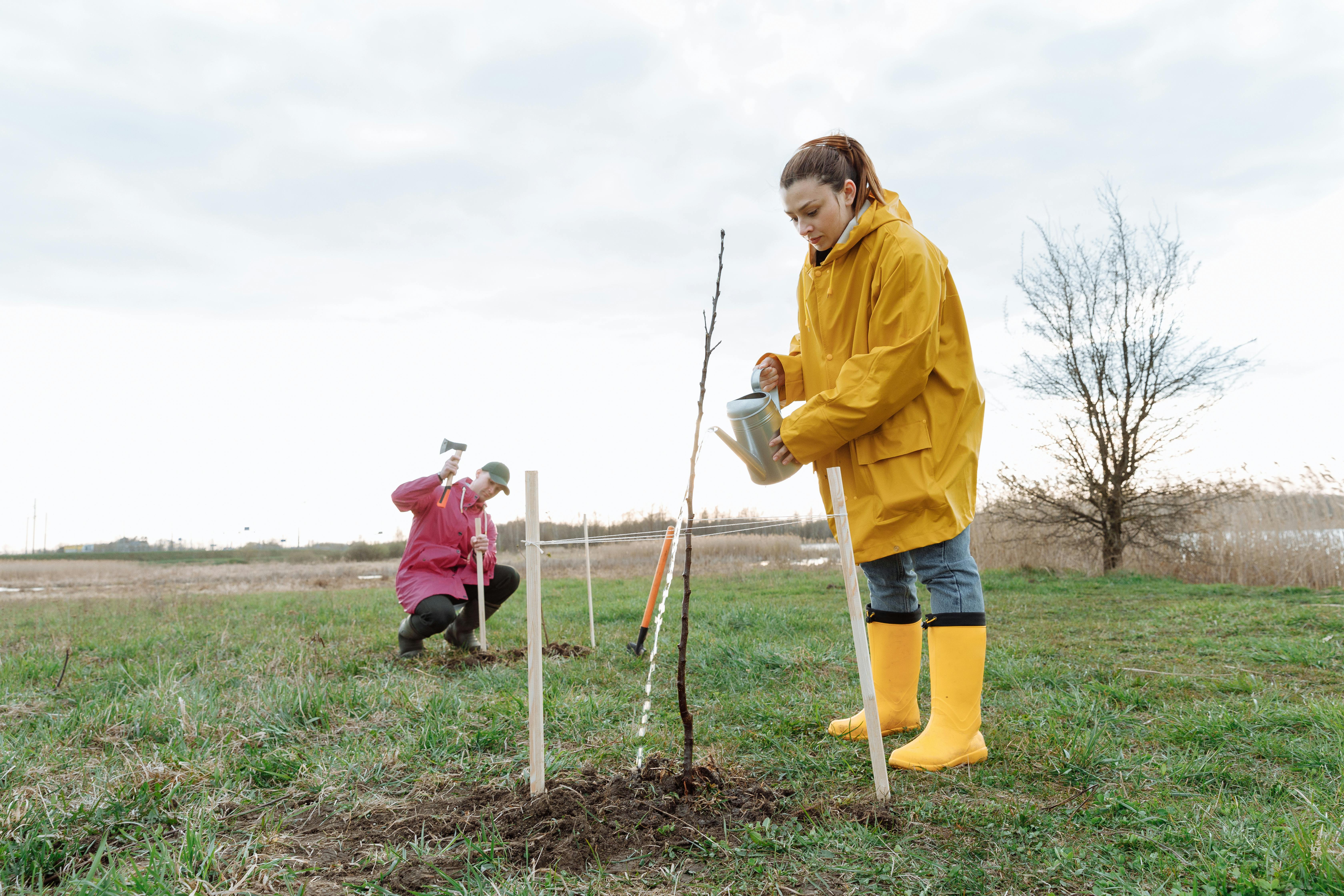
Kenya's agricultural sector, the backbone of its economy, faces significant challenges. Decades of intensive farming, coupled with unpredictable weather patterns, have led to widespread soil degradation, reduced water availability, and declining yields. According to the Kenya National Bureau of Statistics (KNBS), agriculture contributes over 30% to the country's Gross Domestic Product (GDP) and employs more than 70% of the rural population. However, the productivity of smallholder farms, which constitute the majority, remains vulnerable.
The urgency for sustainable agricultural practices has never been greater. Organic farming, though gaining traction, requires a systemic shift in mindset and practices. Agroforestry emerges as a particularly relevant solution for Kenya, offering a way to restore ecological balance while simultaneously enhancing economic output. It directly addresses the need for increased soil fertility, better water management, and diversified income streams, moving beyond the limitations of conventional farming that have often exacerbated environmental issues.
Key Insights & Strategies: Mastering Agroforestry for Prosperity

Adopting agroforestry requires a strategic approach, focusing on specific practices that yield the greatest benefits. Here are key insights and actionable strategies for Kenyan farmers looking to transition:
1. Strategic Species Selection and Intercropping
The choice of tree species is paramount. Nitrogen-fixing trees, such as Faidherbia albida, are excellent choices as they naturally enrich the soil with nitrogen, reducing the need for synthetic fertilizers. Other beneficial species include Calliandra, Gliricidia, and various fruit trees like mangoes and avocadoes, which provide additional food and income sources.
For maintaining optimal soil health, consider using the HOSS Complete Organic Fertilizer | 5-4-3 Plus 9% Calcium – available on Amazon, which is OMRI Certified for organic growing and great for vegetable gardens, supporting your agroforestry efforts.
2. Leveraging Carbon Credits for Income Diversification
One of the most innovative ways to diversify income for Kenyan farmers is through carbon credit programs. Trees sequester carbon dioxide from the atmosphere, and this service can be monetized. Programs like ACORN by Rabobank are actively engaging smallholder farmers in Kenya, enabling them to earn income from the carbon their trees store.
Evidence from KALRO (2025) shows agroforestry increases maize yields by 30% while sequestering 2.5x more carbon than traditional methods. This highlights the dual benefit of enhanced productivity and environmental stewardship.
3. Enhancing Soil Fertility and Water Management
Agroforestry systems are naturally superior at improving soil structure, increasing organic matter, and enhancing water infiltration. Tree roots break up compacted soil, and leaf litter provides a continuous supply of organic material, fostering a healthy soil microbiome. This is crucial for climate resilience, especially with erratic rains.
For farmers aiming to improve soil fertility and overall plant health, the GS Plant Foods Liquid Fish & Kelp Fertilizer (1 Gallon) – available on Amazon offers an excellent organic solution, providing essential nutrients for robust growth.
Explore sustainable organic farming solutions with Biofarm Kenya for more resources and partnership opportunities.
Case Studies, Examples, or Comparisons: Success Stories from the Kenyan Landscape
Across Kenya, numerous farmers are demonstrating the tangible benefits of agroforestry. One compelling example comes from Western Kenya, where communities have adopted the evergreen agriculture model, integrating Faidherbia albida trees into maize fields. Farmers report significant increases in maize yields, often by more than 30%, without the need for additional synthetic fertilizers. This success is largely attributed to the trees' ability to fix nitrogen and draw nutrients from deeper soil layers, which are then made available to crops.
Another inspiring case is found in arid and semi-arid lands (ASALs) of Eastern Kenya, where farmers are using drought-resistant acacia species and fruit trees in silvopastoral systems. These systems provide fodder for livestock, diversify income through fruit sales, and regenerate degraded rangelands. The trees offer shade, reduce evaporation, and improve soil moisture retention, making livestock farming more sustainable in harsh conditions. The Food and Agriculture Organization (FAO) has extensively documented such successes, highlighting agroforestry's role in improving food security and livelihoods in challenging environments. (Source: FAO Agroforestry)
These examples illustrate that agroforestry is not merely a theoretical concept but a proven pathway to resilience and prosperity for Kenyan farmers, adaptable to various ecological zones and farming needs.
Common Mistakes to Avoid: Navigating the Pitfalls of Transition
While agroforestry offers immense potential, farmers new to the practice can encounter pitfalls. Awareness of these common mistakes can help ensure a smoother and more successful transition:
Correcting these errors involves careful planning, continuous learning, and adapting practices to the specific conditions of each farm. Engaging with agricultural extension services, like those provided by the Ministry of Agriculture, Livestock, Fisheries and Cooperatives (MoALFC) in Kenya, can offer invaluable guidance. (Source: Ministry of Agriculture, Livestock, Fisheries and Cooperatives)
Expert Tips & Best Practices: Practical Steps for Agroforestry Success
For Kenyan farmers committed to making agroforestry work, these expert tips and best practices will guide you towards greater success and resilience:
By following these best practices, Kenyan farmers can harness the full potential of agroforestry, creating vibrant, productive, and resilient farm ecosystems. For more tailored advice and to connect with sustainable agriculture initiatives, Explore sustainable organic farming solutions with Biofarm Kenya.
Future Trends or Predictions: Innovating for a Sustainable Tomorrow
The future of Kenyan agriculture is increasingly intertwined with technological innovation and sustainable practices. Agroforestry is set to evolve further with emerging trends that promise to enhance its efficiency and impact:
1. Smart Irrigation Systems: The adoption of smart irrigation technologies, including drip irrigation and sensor-based systems, will become more prevalent. These systems optimize water use, delivering precise amounts directly to plant roots, significantly reducing water waste in agroforestry setups. This is particularly crucial in regions facing water scarcity.
2. AI-Driven Crop Monitoring: Artificial Intelligence and drone technology will play a larger role in monitoring crop health, tree growth, and pest detection. AI-powered analytics can provide real-time insights, allowing farmers to make informed decisions faster, leading to higher yields and reduced losses. This can help optimize intercropping strategies and identify issues before they become widespread.
3. Vertical Farming and Urban Agroforestry: While often associated with large rural areas, agroforestry principles are being adapted for urban and peri-urban environments. Vertical farms incorporating edible tree species or fruit-bearing shrubs can maximize space and provide fresh produce to urban populations, reducing food miles and enhancing local food security.
4. Enhanced Carbon Market Integration: The carbon credit market for smallholder farmers is expected to mature, offering more streamlined processes and better financial returns. As global awareness of climate change grows, the demand for verified carbon offsets from sustainable land use practices like agroforestry will likely increase, providing a stable income stream for farmers. The National Environment Management Authority (NEMA) is working on frameworks to support such initiatives. (Source: NEMA Kenya)
5. Bioprospecting and Value Addition: There will be an increased focus on bioprospecting for new medicinal, nutritional, and industrial products from diverse agroforestry trees. Farmers will be encouraged to add value to their tree products through processing, creating new revenue streams and enhancing economic resilience. This can include anything from processing fruit into juices to extracting essential oils.
These trends point towards a future where Kenyan agroforestry is not only ecologically sound but also technologically advanced and economically robust, fostering a new generation of climate-smart farmers.
Conclusion: Growing Resilience, One Tree at a Time
Agroforestry presents a compelling and proven solution for Kenyan farmers grappling with the dual challenges of soil degradation and erratic rains. By integrating trees with crops, farmers can significantly boost soil fertility, enhance water retention, and foster biodiversity, leading to more resilient and productive farms. The strategic adoption of nitrogen-fixing species, coupled with smart intercropping layouts, has been shown to increase maize yields by 30% and sequester 2.5 times more carbon than conventional methods, offering a clear path to both ecological and economic prosperity.
Beyond the direct agricultural benefits, agroforestry opens new avenues for income diversification, most notably through participation in carbon credit programs. This innovative approach rewards farmers for their environmental stewardship, turning their trees into valuable assets that contribute to both local livelihoods and global climate action. As evidenced by successful case studies across Kenya, the transition to agroforestry is not just an environmental imperative but a sound economic strategy.
Embracing agroforestry is an investment in the future – a future where Kenyan farms are vibrant ecosystems, providing food security, economic stability, and environmental health. Discover trusted organic farming tools on Amazon and learn more about sustainable solutions with Biofarm Kenya.
FAQs: Your Agroforestry Questions Answered
1. What is agroforestry and why is it important for Kenyan farmers?
Agroforestry is a land-use management system in which trees or shrubs are grown around or among crops or pastureland. It is vital for Kenyan farmers because it combats soil degradation, enhances soil fertility through nitrogen fixation and organic matter, improves water retention, and diversifies farm income. It provides a sustainable solution to climate change challenges like erratic rains and drought, improving overall farm resilience and productivity. (Source: World Agroforestry Centre (ICRAF))
2. How can agroforestry increase my farm income?
Agroforestry increases farm income in multiple ways. Firstly, it boosts crop yields due to improved soil health. Secondly, it diversifies income through the sale of tree products such as fruits, timber, fodder, and medicinal plants. Thirdly, participation in carbon credit programs allows farmers to earn money from the carbon sequestered by their trees. Fourthly, it reduces the need for expensive synthetic fertilizers and pesticides, lowering input costs. (Source: FSD Africa)
3. Which tree species are best for agroforestry in Kenya?
The best tree species depend on your specific region and farming goals. However, highly recommended nitrogen-fixing species include Faidherbia albida, Calliandra, and Gliricidia, which are excellent for soil enrichment and fodder. Fruit trees like mango, avocado, and citrus provide valuable cash crops. Consult with local agricultural extension services or Biofarm Kenya for species best suited to your area. (Source: Biofarm Kenya Partners)
4. How do carbon credit programs work for smallholder farmers in Kenya?
Carbon credit programs for smallholder farmers typically involve aggregating farmers who adopt agroforestry practices. The trees they plant and grow sequester carbon, which is then measured and verified by an independent body. These verified carbon reductions are converted into carbon credits, which are then sold on international carbon markets. The revenue generated from these sales is shared with the participating farmers, providing them with an additional income stream. (Source: Farming First)
5. What are the main challenges in adopting agroforestry in Kenya?
Challenges include limited access to quality tree seeds and seedlings, lack of knowledge and technical support, initial investment costs, potential competition between trees and crops if not properly managed, and the time lag before trees mature and provide significant benefits. Overcoming these requires training, financial support, and strong community networks. (Source: ScienceDirect)
6. Where can I find more resources and support for agroforestry in Kenya?
You can find resources and support from several organizations in Kenya. The Kenya Agricultural and Livestock Research Organization (KALRO) offers research and extension services. The World Agroforestry Centre (ICRAF) is a global leader in agroforestry research, with a strong presence in Kenya. Local government agricultural offices and NGOs also provide training and support. Additionally, Biofarm Kenya provides resources and partnerships for sustainable farming solutions. (Source: Ministry of Agriculture, Livestock, Fisheries and Cooperatives)


0 Comments