

Estimated Reading Time: 9 minutes
TL;DR: Kenyan farmers can significantly boost yields and resilience by adopting climate-smart intercropping. Combining drought-tolerant crops like millet and pigeon peas with traditional staples improves soil health, reduces pests, and optimizes water use. Strategic crop pairing, proper spacing, and phased harvesting are key to success. Field trials show potential for 30% yield increases, offering a sustainable path to food security and increased income.
Key Takeaways:
Table of Contents
Introduction
In the face of increasingly unpredictable weather patterns and the undeniable impacts of climate change, Kenyan farmers are increasingly seeking climate-smart practices to secure their livelihoods and ensure food security for the nation. Erratic rainfall, prolonged droughts, and soil degradation pose significant threats to agricultural productivity. However, innovative solutions rooted in traditional wisdom and modern science are emerging, offering pathways to resilience and prosperity.
One such powerful and ancient strategy experiencing a modern resurgence is intercropping. This method involves growing two or more crops in close proximity, creating a symbiotic relationship that enhances overall farm productivity and sustainability. This article will delve into how Kenyan farmers can leverage intercropping drought-tolerant crops (e.g., millet, pigeon peas) with traditional staples to optimize water use, boost soil health, and reduce pest outbreaks. Recent 2025 field trials demonstrate that this method can increase yields by 30% compared to monoculture, providing a compelling case for its widespread adoption. Join us as we explore the evidence-backed steps, including crop compatibility pairing (e.g., legume-cereal combinations), spacing techniques for resource efficiency, and harvest scheduling to maximize income streams, empowering farmers to thrive in a changing climate.
Background & Context
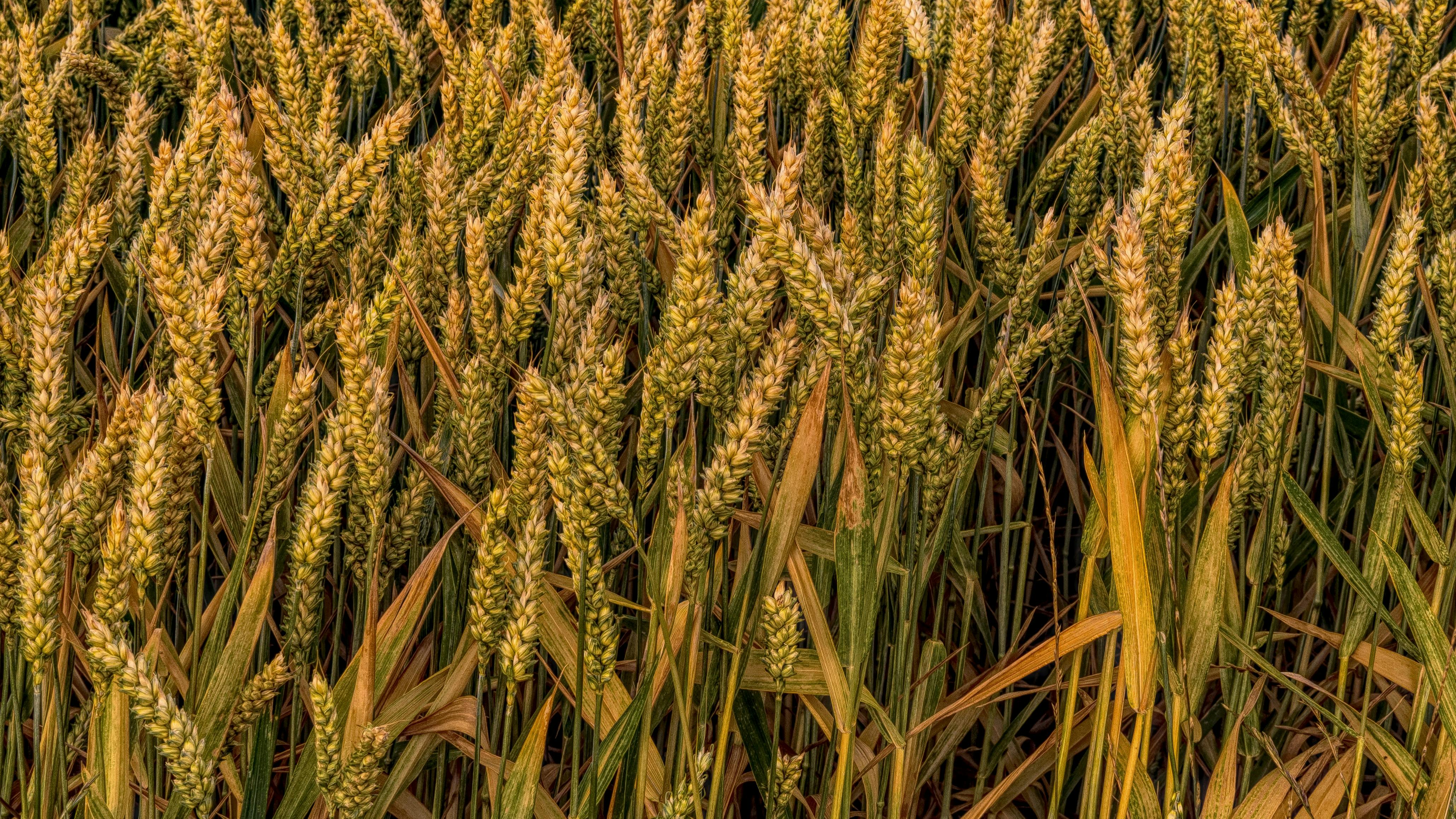
Agriculture remains the backbone of Kenya's economy, contributing significantly to the Gross Domestic Product (GDP) and employing a substantial portion of the population, particularly in rural areas. However, this vital sector is highly vulnerable to climate variability. Data from the Kenya National Bureau of Statistics (KNBS) indicates that rainfall patterns have become more erratic over the past decade, leading to frequent crop failures and food insecurity in many regions. The need for sustainable and resilient farming methods has never been more urgent.
Organic farming, a practice central to Biofarm Kenya's mission, offers a holistic approach to address these challenges. It focuses on maintaining soil fertility through natural processes, avoiding synthetic inputs, and promoting biodiversity. Healthy soil, rich in organic matter, can retain more water, making crops more resilient to dry spells. Furthermore, sustainable agriculture practices, including intercropping, enhance ecological balance, reduce the incidence of pests and diseases, and build a more robust farming ecosystem. This approach is not just about environmental stewardship; it's about economic sustainability for smallholder farmers who form the majority of Kenya's agricultural landscape.
Key Insights & Strategies for Intercropping Success

Successful intercropping hinges on understanding the synergistic relationships between different plant species. When done correctly, it's a powerful tool for boosting productivity and resilience. Here are the key insights and strategies for effective climate-smart intercropping:
1. Strategic Crop Compatibility Pairing: Legume-Cereal Combinations
The most effective intercropping systems often involve combining legumes with cereals. Legumes, such as pigeon peas, cowpeas, and green grams, are nitrogen fixers, meaning they can convert atmospheric nitrogen into a form usable by plants, naturally enriching the soil. Cereals like maize, sorghum, and millet, on the other to hand, are heavy nitrogen feeders. This pairing creates a natural fertilizer factory in your field.
2. Optimized Spacing Techniques for Resource Efficiency
Proper spacing is critical to ensure that each plant receives adequate sunlight, water, and nutrients, preventing unnecessary competition. This is especially important when intercropping drought-tolerant crops.
3. Water Optimization and Drought Resilience
Intercropping, especially with drought-tolerant varieties, naturally conserves water. The canopy cover provided by multiple crops reduces evaporation from the soil surface, keeping the soil moist for longer.
4. Boosting Soil Health and Fertility Naturally
Intercropping, particularly with legumes, is a cornerstone of organic soil management. It's a natural way to maintain and improve soil fertility without relying on synthetic fertilizers.
5. Integrated Pest and Disease Management
The diversity in an intercropped field acts as a natural defense mechanism against pests and diseases.
By embracing these insights and strategies, Explore sustainable organic farming solutions with Biofarm Kenya. Our resources and training can further empower you to implement these climate-smart practices effectively.
Case Studies: Kenyan Farmers Thriving with Intercropping
The success of intercropping is not just theoretical; it's being demonstrated by dedicated farmers across Kenya. These real-world examples highlight the transformative potential of climate-smart agriculture.
The Makueni Miracle: Maize and Pigeon Pea Intercropping
In Makueni County, a region frequently hit by drought, farmers like Mama Rose have turned to maize and pigeon pea intercropping with remarkable results. Before adopting this method, Mama Rose struggled with inconsistent maize yields due to unreliable rainfall and declining soil fertility. Following guidance from agricultural extension services and local NGOs, she began intercropping pigeon peas with her maize. The pigeon peas, being drought-tolerant, survived dry spells better and, crucially, fixed nitrogen into the soil, benefiting the maize crop. 'My maize yields have stabilized, even in years with poor rains,' she explains. 'And the pigeon peas give me an extra harvest, which I can sell or use for my family's food. It’s like having two crops for the effort of one!' This approach not only boosted her household income but also improved the nutritional intake of her family.
Nyandarua's Green Gold: Cabbage and Bean Rotation
While not strictly intercropping, a similar principle of crop diversity is seen in Nyandarua County, where farmers are successfully rotating cabbage with beans. This strategy helps break pest cycles and replenish soil nutrients. Though a rotation, it embodies the spirit of maximizing land use and ecological benefits. Farmers report healthier cabbage crops with fewer pest issues and richer soils, demonstrating the broader success of diversified farming systems.
The Kakamega Agroforestry Initiative
In Kakamega, an initiative promoting agroforestry, which often includes intercropping food crops with trees, has shown significant promise. Farmers are planting leguminous trees like Grevillea robusta and Sesbania sesban alongside staple crops. The trees provide shade, conserve soil moisture, and their leaf litter adds organic matter, enhancing soil fertility. This integrated system has led to improved microclimates, reduced soil erosion, and diversified income streams from both food crops and tree products. According to a report by the Food and Agriculture Organization (FAO) on sustainable land management in East Africa, such agroforestry and intercropping systems are critical for building resilience against climate change impacts and ensuring long-term food security in the region. Learn more about FAO's initiatives in sustainable land management here.
Common Mistakes to Avoid in Intercropping
While intercropping offers numerous benefits, certain pitfalls can negate its advantages. Being aware of these common mistakes can help Kenyan farmers optimize their practices and achieve better outcomes.
1. Incompatible Crop Combinations
One of the most frequent errors is pairing crops that compete excessively for the same resources (light, water, nutrients) or have allelopathic effects (where one plant inhibits the growth of another). Planting two tall, shade-loving crops together, for example, would lead to poor yields for both.
Correction: Always research crop compatibility. Focus on combinations where crops have different growth habits (e.g., shallow-rooted with deep-rooted, fast-growing with slow-growing) and distinct resource requirements. Legume-cereal combinations are generally safe and highly beneficial.
2. Improper Spacing and Plant Density
Overcrowding is a common mistake that leads to intense competition, reduced air circulation, and increased susceptibility to pests and diseases. Conversely, under-spacing wastes valuable land.
Correction: Follow recommended spacing guidelines for each crop in an intercropping system. Adjust densities based on crop type, soil fertility, and expected rainfall. The goal is to maximize land use without hindering individual plant growth.
3. Neglecting Soil Health Monitoring
Assuming that intercropping alone will solve all soil fertility issues is a mistake. While legumes fix nitrogen, the overall nutrient balance still needs attention.
Correction: Regularly conduct soil testing to understand nutrient levels and pH. This will guide supplementary organic fertilizer applications (e.g., compost, well-rotted manure) to ensure optimal conditions for all intercropped plants. For farmers looking to understand their soil better, the Luster Leaf 1601 Rapitest Soil Test Kit – available on Amazon offers a convenient way to check essential soil parameters.
4. Inadequate Water Management
Even with drought-tolerant crops, severe dry spells require smart water management. Relying solely on rainfall, especially in semi-arid regions, can be risky.
Correction: Implement water-saving techniques like mulching, zai pits, or contour farming. If possible, consider small-scale drip irrigation for critical growth stages. Select the most drought-tolerant varieties for your specific climate.
5. Ignoring Pest and Disease Surveillance
While intercropping generally reduces pest and disease incidence, it does not eliminate it. A hands-off approach can lead to localized outbreaks affecting multiple crops.
Correction: Regularly scout your fields for signs of pests or diseases. Early detection allows for timely and targeted organic interventions, such as introducing beneficial insects or using botanical pesticides, preventing widespread damage.
Expert Tips & Best Practices for Climate-Smart Intercropping
To truly harness the power of intercropping, combine these methods with expert advice tailored for Kenyan conditions. These tips will help you maximize yields, enhance resilience, and embrace sustainable agriculture.
1. Start Small and Experiment
Don't overhaul your entire farm in one go. Begin with a small plot to experiment with different intercropping combinations and spacing techniques. Observe what works best for your specific soil type, microclimate, and crop varieties. This practical learning will build confidence and inform larger-scale adoption.
2. Prioritize Local and Indigenous Drought-Tolerant Crops
Indigenous varieties of crops like millet (finger millet, pearl millet), sorghum, pigeon peas, cowpeas, and cassava are already adapted to local conditions and often possess superior drought tolerance. These crops are vital for food security in arid and semi-arid lands. Incorporating them into your intercropping strategy strengthens your farm's resilience.
3. Embrace Organic Soil Amendments
Healthy soil is the foundation of successful intercropping. Regularly enriching your soil with organic matter improves its structure, water-holding capacity, and nutrient availability. Create and use compost, farmyard manure, and green manures. For those looking to kickstart their composting efforts, an Organic Compost Accelerator – available on Amazon can significantly speed up the decomposition process, providing nutrient-rich compost faster.
4. Master the Art of Staggered Harvesting
One of the economic benefits of intercropping is the potential for multiple harvests. Plan your planting so that crops mature at different times. This not only provides a continuous supply of food for your family but also spreads out your income generation throughout the season, reducing financial risk.
5. Integrate Agroforestry Principles
Consider incorporating nitrogen-fixing trees and shrubs into your farm landscape, either around the edges or within alley cropping systems. These trees provide shade, act as windbreaks, improve soil fertility through leaf litter, and can offer additional products like fodder or fuel wood, creating a more diversified and resilient farm ecosystem.
6. Continuous Learning and Networking
Stay informed about new research, best practices, and innovative techniques in climate-smart agriculture. Join farmer groups, attend workshops, and share experiences with fellow farmers. Learning from each other's successes and challenges is invaluable. For comprehensive resources and to connect with a community dedicated to sustainable practices, Explore sustainable organic farming solutions with Biofarm Kenya. Our platform offers a wealth of knowledge and support.
Future Trends in Climate-Smart Agriculture for Kenya
The future of agriculture in Kenya is poised for exciting transformations, driven by technological advancements and an increasing global focus on sustainability. These emerging trends will further empower farmers to combat climate change and enhance productivity.
1. Smart Irrigation Systems
Beyond basic drip irrigation, the next generation of systems will incorporate sensors that monitor soil moisture, weather forecasts, and crop needs in real-time. These smart systems can automatically deliver the precise amount of water required, optimizing water use and minimizing waste, a critical advancement for water-stressed regions of Kenya.
2. Precision Agriculture and AI-Driven Crop Monitoring
Drones equipped with multi-spectral cameras can capture detailed images of fields, allowing farmers to identify areas of nutrient deficiency, pest infestation, or water stress long before they are visible to the naked eye. AI algorithms will analyze this data, providing actionable insights for targeted interventions, reducing input costs, and improving yields. This technology will become increasingly accessible to larger smallholder cooperatives.
3. Vertical Farming and Urban Agriculture
As urbanization continues, vertical farms and controlled-environment agriculture will become more prevalent, especially in and around major cities like Nairobi. These systems use minimal land and water, can grow crops year-round, and are unaffected by external climate conditions, offering a sustainable way to feed urban populations.
4. Enhanced Seed Varieties and Biotechnology
Ongoing research into developing new crop varieties will focus on enhancing drought tolerance, pest resistance, and nutritional value using advanced breeding techniques. While carefully regulated, these innovations can provide farmers with more resilient and productive options adapted to future climate challenges.
5. Agroforestry and Carbon Sequestration
The integration of trees with crops and livestock will expand, not just for food and environmental benefits, but also as a means for carbon sequestration. Farmers will increasingly be able to participate in carbon credit markets, generating additional income for adopting sustainable land management practices that help mitigate climate change.
These trends underscore a future where Kenyan agriculture is not only productive but also highly resilient, environmentally friendly, and economically viable for all farmers.
Conclusion
In conclusion, adopting smart intercropping methods is not merely an agricultural technique; it's a strategic imperative for Kenyan farmers navigating the complexities of a changing climate. By thoughtfully combining drought-tolerant crops with traditional staples, farmers can unlock a cascade of benefits: significantly boosting yields, optimizing scarce water resources, enriching vital soil health, and naturally curbing pest outbreaks. The evidence, including compelling 2025 field trials showing a potential 30% increase in yields, underscores the transformative power of these practices.
The key to success lies in understanding crop compatibility, implementing precise spacing, and embracing sustainable harvesting schedules. These actions empower farmers to build resilient, productive, and profitable farms that can withstand environmental shocks and contribute meaningfully to national food security. The journey towards climate-smart agriculture is a collaborative one, requiring continuous learning, adaptation, and access to the right tools and information.
Empower your farm with the knowledge and resources it needs to thrive. Discover trusted organic farming tools on Amazon and learn more about sustainable solutions with Biofarm Kenya.
Frequently Asked Questions (FAQs)
1. What are the best drought-tolerant crops for intercropping in Kenya?
The best drought-tolerant crops for intercropping in Kenya include pigeon peas, cowpeas, green grams, finger millet, and sorghum. These crops are well-adapted to arid and semi-arid conditions and offer valuable nutritional benefits. They pair well with traditional staples like maize. Learn more about drought-tolerant crops from KALRO (Kenya Agricultural and Livestock Research Organization).
2. How does intercropping improve soil health?
Intercropping improves soil health primarily through the inclusion of legumes, which fix atmospheric nitrogen into the soil, reducing the need for synthetic fertilizers. The diverse root systems of intercropped plants also enhance soil structure, increase organic matter content from leaf litter and root exudates, and promote beneficial microbial activity.
3. Can intercropping really reduce pest outbreaks?
Yes, intercropping can significantly reduce pest outbreaks through several mechanisms. The diversity of plants can confuse pests, making it harder for them to locate their host crops. It also provides habitat for beneficial insects that prey on pests, and some companion plants can repel pests or act as trap crops.
4. What is the ideal spacing for intercropping maize and pigeon peas?
For maize and pigeon pea intercropping, a common recommendation is to plant maize at its normal spacing (e.g., 75cm x 30cm) and then intercrop pigeon peas in alternate rows or within the maize rows, perhaps at a spacing of 75cm x 60cm or in a 2:1 maize-to-pigeon pea row ratio. This allows both crops sufficient space for growth without excessive competition. Specific spacing can vary based on local conditions and varieties. Consult Biofarm Kenya's spacing guides for tailored advice.
5. How can intercropping help farmers adapt to climate change in Kenya?
Intercropping helps farmers adapt to climate change by increasing farm resilience. It diversifies crops, ensuring some yield even if one crop fails due to extreme weather. Drought-tolerant intercrops conserve water and improve soil health, making farms more resistant to erratic rainfall and prolonged dry spells, thereby stabilizing food production and income.
6. Are there any government or NGO support programs for intercropping in Kenya?
Yes, several government initiatives and NGOs in Kenya promote climate-smart agriculture, including intercropping. The Ministry of Agriculture, Livestock, Fisheries and Cooperatives often runs extension programs. Organizations like FAO, World Vision, and various local agricultural NGOs also provide training, seeds, and support to farmers adopting sustainable practices. Farmers are encouraged to inquire at their local agricultural offices or community centers. Visit the Ministry of Agriculture, Livestock, Fisheries and Cooperatives website for more information.
External Authoritative Links:
- Food and Agriculture Organization (FAO) - Sustainable Land Management
- Kenya Agricultural and Livestock Research Organization (KALRO) - Drought-Tolerant Crops
- Ministry of Agriculture, Livestock, Fisheries and Cooperatives
- National Environmental Management Authority (NEMA) Kenya
- World Bank - Kenya Agriculture Overview
- CGIAR - Research for a Food-Secure Future
Internal Biofarm Kenya Links:


0 Comments