

Estimated Reading Time: 11 minutes
TL;DR: Kenya's agricultural sector is rapidly transitioning towards sustainable practices, with bio-pesticides emerging as a crucial tool. This guide empowers farmers to effectively integrate bio-pesticides like microbial insecticides and botanical extracts, significantly reducing reliance on harmful chemicals. By mastering pest identification, precise application timing, and understanding synergistic effects, farmers can cut costs, improve soil health, and combat persistent threats like the fall armyworm. Embrace these eco-friendly solutions for a healthier farm and a more prosperous future.
Key Takeaways:
Table of Contents:
Introduction: Cultivating a Greener Future in Kenyan Agriculture
The rhythm of agriculture in Kenya is undergoing a profound transformation. Faced with increasing challenges such as escalating input costs, diminishing soil fertility, and the relentless march of pest resistance, farmers across the nation are actively seeking more sustainable and economically viable solutions. This shift is particularly evident in the growing embrace of bio-pesticides. Rising pest resistance and environmental concerns drive Kenya's farmers to adopt bio-pesticides. This guide trains farmers to transition effectively by identifying target pests, applying microbial insecticides (e.g., Bacillus thuringiensis), and integrating botanical extracts. A 2025 KALRO study shows bio-pesticides reduce costs by 30% while improving soil health—critical as fall armyworm infestations surge. Key steps include timing applications with rainfall cycles and blending with neem oil for synergistic effects. By moving towards these natural alternatives, Kenyan farmers are not only safeguarding their crops but also nurturing the very land that sustains their livelihoods. This comprehensive guide from Biofarm Kenya will illuminate the path to successful bio-pesticide integration, empowering you to achieve sustainable farm success, enhance profitability, and contribute to a healthier ecosystem.
The journey to sustainable farming is a testament to resilience and innovation. As traditional methods prove less effective against evolving agricultural challenges, bio-pesticides offer a promising way forward. They represent a harmonious blend of modern science and ecological wisdom, providing powerful pest control without the detrimental side effects of synthetic chemicals. For Kenyan farmers, this translates to reduced health risks, improved biodiversity, and a stronger, more resilient agricultural system capable of weathering future environmental and economic shifts.
Background & Context: The Shifting Sands of Kenyan Farming
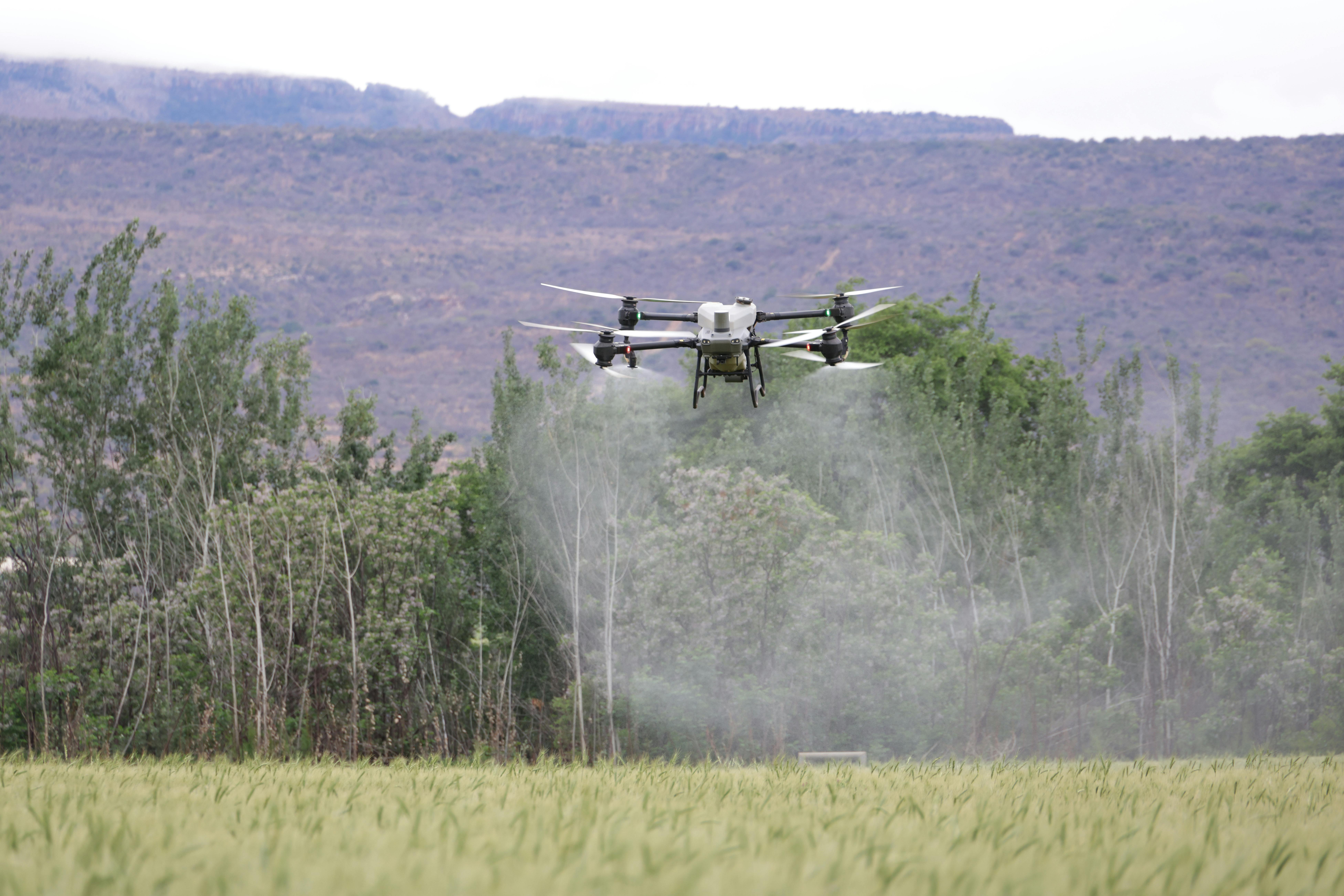
Kenya's agricultural landscape is a dynamic tapestry, continuously adapting to new pressures and opportunities. Organic farming, once a niche practice, is steadily gaining traction. Reports indicate a growing interest in sustainable agriculture practices, including conservation tillage, crop rotation, agroforestry, and efficient water management, all aimed at enhancing soil health and improving crop yields. Organizations like the Kenya Organic Agriculture Network (KOAN) are instrumental in setting benchmarks and promoting adherence to sustainable practices, highlighting the manifold benefits of investing in organic farming.
Despite this promising trajectory, the adoption of bio-pesticides in Kenya, while growing, still faces hurdles. A significant challenge lies in limited awareness and understanding among smallholder farmers regarding the efficacy, application, and benefits of these eco-friendly alternatives. Historically, conventional chemical pesticides have been the go-to solution, leading to widespread use despite farmer awareness of associated health and environmental risks. However, the increasing frequency and intensity of pest infestations, notably the devastating fall armyworm, coupled with rising concerns over chemical residues in food and soil degradation, are accelerating the shift. The potential of plant-based bio-pesticides, in particular, is being actively explored and promoted as a vital component of sustainable crop protection strategies.
The FAO in Kenya emphasizes climate-resilient, low-carbon farming techniques, which naturally align with bio-pesticide use. These practices are crucial for increasing farmers' resilience to climate change and ensuring long-term food security. By embracing bio-pesticides, Kenyan farmers are not just managing pests; they are investing in the long-term health of their land, their communities, and the nation's food supply, building a more sustainable and prosperous agricultural future.
Key Insights & Strategies: Mastering Bio-Pesticide Application

Successfully integrating bio-pesticides into your farming routine requires a strategic approach. It's about understanding the nuances of these living or naturally derived agents and aligning them with your farm's specific needs. The goal is not just to replace synthetic chemicals but to build a more resilient and biologically diverse farming system.
1. Accurate Pest Identification is Paramount
Before any application, it is crucial to correctly identify the target pest. Different bio-pesticides are often highly specific in their action. For instance, Bacillus thuringiensis (Bt) targets specific lepidopteran larvae (caterpillars) and is ineffective against aphids or mites. Misidentification leads to wasted resources and ineffective control. Utilize local agricultural extension services, farmer cooperatives, or online resources to confirm pest identity. Knowledge is your first line of defense in integrated pest management (IPM).
- Observe Regularly: Walk your fields frequently to spot early signs of pest activity.
- Understand Life Cycles: Knowing a pest's life cycle helps you target the most vulnerable stages (e.g., young larvae for Bt).
- Seek Expert Advice: Don't hesitate to consult agronomists or experienced farmers for confirmation.
For farmers implementing advanced pest management strategies, understanding soil health is also critical. A healthy soil ecosystem fosters beneficial microbes that can suppress pest populations. To truly optimize your growing environment and precisely manage nutrient levels and pH, consider investing in a reliable tool like the MySoil Soil Test Kit – available on Amazon. This comprehensive kit provides accurate nutrient and pH analysis, tailored recommendations for your specific soil and plant needs, ensuring your bio-pesticide efforts are supported by robust soil health.
2. Understanding Bio-Pesticide Types and Modes of Action
Bio-pesticides fall into several categories, each with distinct mechanisms:
- Microbial Pesticides: These contain microorganisms like bacteria (e.g., Bacillus thuringiensis), fungi, or viruses that are pathogenic to specific pests. They work by infecting the pest, disrupting its feeding, or producing toxins. Their specificity makes them safe for beneficial insects.
- Botanical Pesticides: Derived from plants (e.g., neem oil, pyrethrum), these compounds have insecticidal, repellent, or anti-feedant properties. They can affect various insect systems but generally break down quickly in the environment.
- Biochemical Pesticides: Naturally occurring substances that control pests by non-toxic mechanisms, such as insect sex pheromones that disrupt mating.
For targeted control of destructive pests like caterpillars and worms, particularly the pervasive fall armyworm, a proven microbial solution is indispensable. The Monterey Bacillus Thuringiensis Biological Insecticide Concentrate Organic, 1 Gallon – available on Amazon offers a highly effective and organic option. Its active ingredient, Bacillus thuringiensis (Bt), is a naturally occurring bacterium that specifically targets these pests, making it a cornerstone for sustainable pest management in Kenyan farms.
3. Timing and Application Techniques
Unlike synthetic pesticides, bio-pesticides often require more precise timing. Many microbial agents are most effective when pests are in their early developmental stages. Environmental conditions, such as temperature and humidity, can also influence their efficacy. Application during cooler parts of the day or when rain is not imminent can improve results.
- Early Intervention: Apply at the first sign of infestation, targeting young pests.
- Environmental Factors: Consider weather patterns. Some bio-pesticides degrade under direct sunlight or heavy rain.
- Coverage is Key: Ensure thorough spray coverage, as many bio-pesticides work through direct contact or ingestion.
- Adjuvants: Use appropriate spreaders or stickers to improve adherence and efficacy, especially in humid conditions.
4. Integration with Other Sustainable Practices
Bio-pesticides are most effective when part of a broader Integrated Pest Management (IPM) strategy. Combine them with cultural practices (crop rotation, resistant varieties), mechanical control (hand-picking), and biological control (conserving natural enemies). This holistic approach builds a robust farm ecosystem.
To deepen your understanding and explore a wider range of sustainable organic farming practices that complement bio-pesticide use, Explore sustainable organic farming solutions with Biofarm Kenya. Our partners offer invaluable resources and tools to help you cultivate a thriving, eco-friendly farm.
Case Studies, Examples, or Comparisons: Success Stories from the Kenyan Fields
The transition to bio-pesticides in Kenya is not merely theoretical; it is happening on the ground, with tangible benefits for farmers. Numerous success stories highlight the efficacy and economic advantages of adopting these sustainable solutions, particularly in the face of persistent threats like the fall armyworm.
In Western Kenya, farmers have increasingly reported that organic control methods, including the strategic use of bio-pesticides, have proven more effective against fall armyworms than conventional chemical sprays. For instance, community-based initiatives have trained farmers on applying neem-based biopesticides and implementing 'push-pull' technology—a clever intercropping strategy that uses repellent plants (push) to drive pests away from the main crop and attractive plants (pull) to draw them to a trap crop. This combined approach has shown remarkable success in reducing fall armyworm damage and improving maize yields without resorting to harmful chemicals.
The Kenya Agricultural and Livestock Research Organization (KALRO) has been at the forefront of this shift. Through partnerships, including with USAID's East Africa Vegetable Crop Integrated Pest Management Innovation Lab (IPM-IL) project, KALRO scientists have trained farmer groups, such as the Mbuiru-Mwanjati group, on comprehensive pest management methods that significantly reduce synthetic pesticide use. These programs emphasize cultural practices, biological controls, and the judicious use of bio-pesticides, leading to a notable reduction in pest incidence and impact on vegetable crops. This hands-on training and demonstration are crucial in building farmer confidence and capacity in sustainable practices.
A recent study, expected to be fully published by KALRO in 2025, further reinforces these findings, demonstrating that farms effectively integrating bio-pesticides experience a reduction in input costs by up to 30%, alongside significant improvements in soil health. This economic incentive, coupled with environmental benefits, makes a compelling case for broader bio-pesticide adoption across Kenya. The Food and Agriculture Organization (FAO) also consistently advocates for climate-smart agriculture in Kenya, emphasizing techniques that enhance resilience and reduce environmental impact, with bio-pesticides being a perfect fit for these recommendations. (Source: FAO Kenya)
These examples underscore that bio-pesticides are not just an alternative; they are a superior, sustainable pathway to securing livelihoods and fostering agricultural resilience in Kenya. They embody the principle that effective farming can coexist harmoniously with environmental stewardship.
Common Mistakes to Avoid: Navigating the Bio-Pesticide Transition
While the benefits of bio-pesticides are clear, a smooth transition requires avoiding common pitfalls that can undermine their effectiveness and discourage adoption. Understanding these mistakes can save farmers time, money, and yield potential.
- Mistake 1: Treating Bio-pesticides Like Chemical Pesticides. Many farmers expect immediate, visible knockdown effects similar to synthetic chemicals. Bio-pesticides often work differently, taking longer to show results and typically focusing on disrupting pest life cycles or deterring feeding rather than instant death.
Correction: Adjust expectations. Bio-pesticides are about long-term, sustainable control. Monitor pest populations over several days, not just hours, and look for signs of reduced feeding or reproductive rates. - Mistake 2: Incorrect Identification of Pests. Applying the wrong bio-pesticide for the pest present is a common error, leading to wasted effort and resources.
Correction: Invest time in accurate pest identification. Utilize extension services or reliable guides to ensure you match the bio-pesticide to the specific pest and its life stage. - Mistake 3: Improper Storage and Handling. Many bio-pesticides contain living organisms (microbes) that are sensitive to temperature, light, and moisture. Incorrect storage can drastically reduce their viability and effectiveness.
Correction: Always follow manufacturer instructions for storage (e.g., refrigeration, cool dark place). Use products before their expiry date and mix only what is needed for immediate application. - Mistake 4: Poor Application Timing. Bio-pesticides are often most effective during specific pest life stages or under particular environmental conditions (e.g., cooler temperatures, high humidity). Applying at the wrong time can significantly diminish results.
Correction: Understand the optimal application window for both the pest and the specific bio-pesticide. For example, many microbial insecticides are best applied in the evening to avoid UV degradation and allow time for ingestion by nocturnal feeders. - Mistake 5: Expecting Stand-Alone Solutions. Relying solely on bio-pesticides without integrating them into a holistic Integrated Pest Management (IPM) strategy.
Correction: Combine bio-pesticides with cultural practices (crop rotation, planting resistant varieties), mechanical control (trap crops, hand-picking), and conservation of natural enemies. A diverse approach builds stronger farm resilience. - Mistake 6: Ignoring Compatibility with Other Inputs. Some fungicides or harsh chemical sprays can harm the living components of microbial bio-pesticides, reducing their effectiveness.
Correction: Check compatibility charts or conduct small-scale tests before tank-mixing bio-pesticides with other products. Always prioritize inputs that support a healthy microbial environment.
Expert Tips & Best Practices: Maximizing Your Bio-Pesticide Impact
To truly harness the power of bio-pesticides for sustainable farm success, it's essential to adopt best practices tailored to the Kenyan agricultural context. These expert tips will help you optimize your applications and foster a healthier farm ecosystem.
1. Embrace Scouting and Early Detection
The effectiveness of bio-pesticides largely depends on early intervention. Regularly scout your fields to detect pest populations before they reach economic threshold levels. This allows you to apply bio-pesticides when pests are young and most vulnerable, ensuring maximum impact with minimal product.
- Daily Field Walks: Make scouting a routine.
- Focus on Hotspots: Pay extra attention to areas known for pest infestations.
- Record Keeping: Document pest types, numbers, and locations to track trends and inform future decisions.
2. Optimize Application Timing and Conditions
Unlike synthetic pesticides, many bio-pesticides, especially microbial ones, are sensitive to environmental factors. Apply them during cooler parts of the day (early morning or late afternoon/evening) to minimize UV degradation and enhance their survival. Consider rainfall cycles and ensure enough dry period for the product to take effect before heavy rains wash it away. Proper humidity can also be beneficial for certain fungal bio-pesticides.
For example, when dealing with persistent pests, the strategic application of botanical extracts like neem oil can offer broad-spectrum protection. Maintaining healthy soil, which naturally contributes to plant resilience against pests, is also a continuous process. For an effective, organic approach to pest management and to enhance soil vitality, consider the Verdana Pure Neem Oil for Plants – 1 Quart (32 Fl Oz) – available on Amazon. This cold-pressed, unrefined, and non-GMO neem oil provides a natural defense while supporting your organic farming principles.
3. Consider Synergistic Blends and Rotations
Blending different types of bio-pesticides or rotating them can prevent pests from developing resistance and broaden the spectrum of control. For instance, combining a microbial insecticide like Bacillus thuringiensis with a botanical like neem oil can create a powerful synergistic effect against pests such as the fall armyworm. Neem oil can act as an anti-feedant and growth disruptor, while Bt specifically targets the larval gut.
- Tank Mixing: Ensure compatibility before mixing products.
- Rotation Strategy: Rotate bio-pesticide active ingredients to maintain efficacy.
- Enhance Effectiveness: Look for opportunities to combine products that complement each other's mode of action.
4. Invest in Appropriate Application Equipment
Even the best bio-pesticide will fail if not applied correctly. Ensure your sprayers are clean and calibrated to deliver uniform coverage. For drip irrigation systems, ensure filters are clean and emitters are not clogged to allow for even distribution of bio-fertilizers or systemic bio-pesticides if applicable.
Efficient water management is a cornerstone of sustainable farming, particularly in Kenya's varied climatic zones. A well-designed drip irrigation system minimizes water waste and ensures precise delivery to plant roots, crucial for supporting healthy growth and maximizing the efficacy of all your inputs, including bio-pesticides. To upgrade your farm's water efficiency, consider the HIRALIY 100ft Drip Irrigation Kit Plant Watering System – available on Amazon, a practical solution for small farms to ensure consistent moisture and nutrient delivery.
5. Foster Beneficial Insects and Soil Health
Bio-pesticides are generally safe for beneficial insects, which are natural predators of pests. By reducing reliance on broad-spectrum chemicals, you encourage these allies to thrive. Similarly, healthy soil, rich in organic matter and microbial diversity, leads to stronger plants that are more resistant to pests and diseases.
For comprehensive support in implementing these and other advanced organic farming techniques, Explore sustainable organic farming solutions with Biofarm Kenya. Our network provides access to cutting-edge research, training, and products to empower your farm's journey towards sustainability and prosperity.
Future Trends & Predictions: The Horizon of Sustainable Agriculture in Kenya
The agricultural sector in Kenya is on the cusp of significant innovation, with future trends pointing towards a more technologically integrated and ecologically conscious farming landscape. These advancements will further enhance the efficacy and adoption of bio-pesticides and other sustainable practices.
- Smart Irrigation Systems: The rise of AI-driven and sensor-based irrigation systems will optimize water usage, a critical factor in Kenya. These systems can deliver water precisely when and where needed, potentially integrating with the application of liquid bio-fertilizers and systemic bio-pesticides, ensuring optimal conditions for microbial agents and plant health.
- Vertical and Urban Farming: As land becomes scarcer and urbanization increases, vertical farms and urban agricultural initiatives are gaining traction. These controlled environments are ideal for bio-pesticide use, as they minimize external contamination and allow for precise environmental control, maximizing bio-pesticide effectiveness and reducing waste.
- AI-Driven Crop Monitoring and Pest Detection: Artificial intelligence and drone technology are set to revolutionize pest management. AI-powered analytics can process drone imagery to detect early signs of pest infestations, identify specific pest species, and even predict potential outbreaks. This precision pest identification will enable farmers to apply bio-pesticides with unparalleled accuracy and timeliness, further boosting their effectiveness.
- Biotechnology and Enhanced Bio-pesticides: Ongoing research in biotechnology is leading to the development of next-generation bio-pesticides with improved shelf life, broader spectrum of activity, and enhanced environmental resilience. Expect to see more targeted genetic formulations and novel microbial strains that offer superior control against even the most resistant pests.
- Digital Platforms for Knowledge Sharing: The proliferation of mobile apps and digital platforms will continue to bridge knowledge gaps, providing Kenyan farmers with real-time access to information on pest identification, bio-pesticide application guides, weather forecasts, and market trends. This digital empowerment will accelerate the adoption of sustainable farming practices.
- Circular Economy in Agriculture: Future trends will emphasize closed-loop systems, where agricultural waste is converted into valuable resources like organic fertilizers and new bio-pesticide formulations. This approach reduces waste, conserves resources, and builds a more self-sufficient and sustainable farming ecosystem.
These trends paint a picture of a dynamic, smart, and sustainable agricultural future for Kenya, where bio-pesticides play an increasingly central role in ensuring food security and environmental stewardship.
Conclusion: Harvesting a Sustainable Legacy
The transition to bio-pesticides represents more than just a change in pest control methods; it's a commitment to a healthier, more sustainable future for Kenyan agriculture. By embracing microbial insecticides like Bacillus thuringiensis and integrating botanical extracts such as neem oil, farmers can effectively combat rising pest resistance, protect their valuable crops from threats like the fall armyworm, and dramatically improve soil health. The evidence, including forthcoming KALRO studies, clearly points to significant economic advantages, with potential cost reductions of up to 30%, alongside the invaluable ecological benefits.
Mastering bio-pesticide application involves accurate pest identification, precise timing aligned with rainfall cycles, and a willingness to blend different solutions for synergistic effects. It’s a journey that demands patience, observation, and a holistic approach, but the rewards are profound: resilient crops, fertile soils, a safer environment, and a more prosperous farming community. As Kenya continues to lead the way in eco-friendly farming, adopting these sustainable practices ensures that the rich agricultural heritage of the nation will flourish for generations to come. Empower your farm with knowledge and the right tools for a sustainable harvest.
Discover trusted organic farming tools on Amazon and learn more about sustainable solutions with Biofarm Kenya.
FAQs: Your Bio-Pesticide Questions Answered
Here are some frequently asked questions to help you navigate the world of bio-pesticides and sustainable farming in Kenya:
1. What are the main benefits of using bio-pesticides over chemical pesticides in Kenya?
Bio-pesticides offer numerous advantages, including reduced environmental pollution, minimal harm to beneficial insects and pollinators, lower health risks for farmers and consumers, and decreased pest resistance development. They also contribute to improved soil health and biodiversity. Many studies, including those supported by the FAO, highlight their role in sustainable agriculture. Source: FAO Plant Protection
2. How do I know which bio-pesticide is right for my specific crop and pest in Kenya?
Accurate pest identification is crucial. Consult with local agricultural extension officers, refer to resources from organizations like KALRO, or use reputable online guides that offer pest-specific bio-pesticide recommendations for Kenyan crops. Understanding the pest's life cycle will help you choose the most effective product and timing. Source: Kenya Agricultural and Livestock Research Organization (KALRO)
3. Are bio-pesticides effective against tough pests like the fall armyworm in Kenya?
Yes, many bio-pesticides, particularly microbial ones like Bacillus thuringiensis (Bt) and certain botanical extracts such as neem oil, have proven highly effective against the fall armyworm. Combining these with cultural practices like 'push-pull' technology can provide robust control and reduce crop damage. Source: Infonet-Biovision
4. What is the typical shelf life and storage requirement for bio-pesticides in Kenyan climate conditions?
The shelf life and storage vary significantly depending on the type of bio-pesticide. Microbial pesticides often require cool, dark storage, sometimes even refrigeration, to maintain viability. Botanical extracts may be more stable but still benefit from cool storage away from direct sunlight. Always check the manufacturer's label for specific instructions to ensure maximum efficacy, especially given Kenya's diverse climate zones. Source: 6Wresearch - Kenya Biopesticides Market
5. Can I mix bio-pesticides with other fertilizers or pesticides?
Some bio-pesticides can be tank-mixed with certain fertilizers or other compatible pest control agents, but caution is advised. Harsh chemicals, especially fungicides, can kill the beneficial microbes in microbial bio-pesticides. Always perform a small-scale compatibility test first, and consult product labels or agricultural experts before mixing. Source: National Environment Management Authority (NEMA) Kenya
6. Where can Kenyan farmers access reliable training and resources on bio-pesticide use?
Farmers can access training and resources through various channels, including KALRO research centers, local agricultural extension offices, farmer field schools, and non-governmental organizations promoting organic farming. Biofarm Kenya and its partners also offer valuable information and support to help farmers effectively transition to sustainable practices. Source: Biofarm Kenya Partners
Read more about enhancing soil health with Biofarm Kenya
Discover Biofarm Kenya's range of organic fertilizers
Enroll in Biofarm Kenya's sustainable farming training programs
Contact Biofarm Kenya for expert agricultural advice
Explore success stories from Biofarm Kenya's partner farmers


0 Comments