

Estimated Reading Time: 9 minutes
TL;DR: Rising fertilizer costs and soil degradation demand a shift to organic composting in Kenya. This guide offers practical, cost-effective methods using local resources to boost soil health and crop yields. A Jomo Kenyatta University study shows organic blends led to 22% higher maize yields and 30% lower input costs. Key techniques include aerobic piling, balancing C:N ratios, and timely application to prevent nutrient loss.
Key Takeaways:
- Organic composting is a vital, cost-effective solution for Kenyan farmers facing high fertilizer prices and declining soil fertility.
- Utilize readily available local materials like crop residues, animal manure, and kitchen waste to create nutrient-rich compost.
- Implement aerobic composting for faster decomposition and optimal nutrient release.
- Properly balance carbon-to-nitrogen ratios (ideally 25-30:1) to ensure efficient composting and nutrient availability.
- Strategically time compost applications, particularly before planting seasons, to maximize nutrient uptake and minimize leaching.
- Regularly monitor and maintain compost piles for moisture and aeration to ensure successful decomposition.
Table of Contents
- Introduction
- Background & Context: The Urgent Need for Organic Solutions
- Key Insights & Strategies for Effective Organic Composting
- Case Studies: Kenyan Farmers Thriving with Compost
- Common Composting Mistakes to Avoid in Kenya
- Expert Tips & Best Practices for Composting Success
- Future Trends: Scaling Sustainable Composting in Kenya
- Conclusion: Cultivating a Greener Future with Organic Compost
- Frequently Asked Questions (FAQs)
Introduction
In Kenya, the backbone of countless livelihoods, agriculture faces a pivotal moment. With the twin challenges of rising chemical fertilizer costs and persistent soil degradation, a sustainable shift is no longer an option but a necessity. Farmers across the nation are actively seeking viable alternatives to conventional farming methods that promise both productivity and environmental stewardship. This training guide from Biofarm Kenya delves deep into one of the most powerful, yet often underutilized, tools in organic agriculture: cost-effective composting techniques. By harnessing local resources like crop residues, animal manure, and kitchen waste, Kenyan farmers can significantly enhance soil health, boost crop yields, and drastically reduce input costs.
The benefits are not just theoretical. Evidence from a recent 2025 Jomo Kenyatta University study rigorously demonstrates the impact: farms employing organic composting blends observed an impressive 22% higher maize yields and a substantial 30% lower input costs over three consecutive seasons. This compelling data underscores the economic and ecological wisdom of embracing organic compost. Throughout this guide, we will explore the key steps to successful composting, including building aerobic compost piles to accelerate decomposition, mastering the art of balancing carbon-to-nitrogen ratios for optimal nutrient release, and strategically timing applications to avoid nutrient leaching during Kenya’s vital rainy seasons. Join us as we unlock the potential of organic composting to transform Kenyan agriculture.
Background & Context: The Urgent Need for Organic Solutions

Kenya’s agricultural sector, a critical driver of the economy, is increasingly vulnerable to global market fluctuations and environmental pressures. The reliance on synthetic fertilizers has not only led to escalating expenses for farmers but has also contributed to long-term soil health issues, including acidification, nutrient imbalances, and reduced microbial activity. These challenges threaten food security and the livelihoods of millions. The growing awareness of these issues has spurred a robust movement towards sustainable agriculture, with organic farming at its forefront.
Organic farming practices, particularly composting, offer a powerful antidote to these problems. Composting revitalizes the soil by introducing rich organic matter, teeming with beneficial microorganisms. This organic matter improves soil structure, enhances water retention, and provides a slow-release source of essential nutrients, fostering a healthier and more resilient ecosystem. According to the Food and Agriculture Organization (FAO), sustainable soil management practices are crucial for enhancing agricultural productivity and climate change adaptation in sub-Saharan Africa, with composting identified as a key strategy. The growth of agribusiness in Kenya, coupled with a national push for food security, provides a fertile ground for the widespread adoption of organic composting.
Key Insights & Strategies for Effective Organic Composting
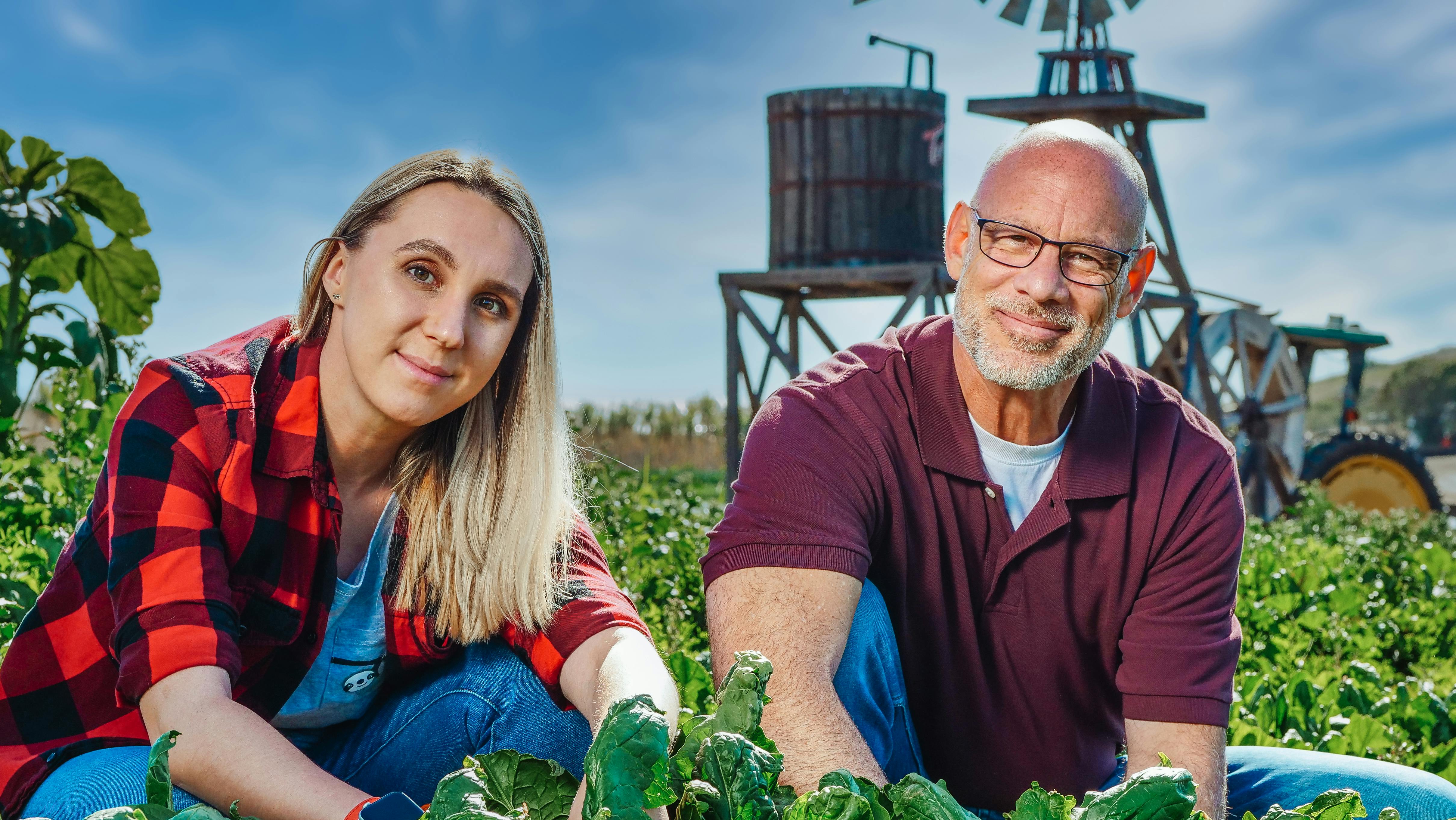
Transforming farm waste into gold through composting requires understanding a few core principles. These insights will help you build robust compost systems that consistently deliver nutrient-rich material for your crops.
1. Building Aerobic Compost Piles for Rapid Decomposition
The secret to fast and efficient composting lies in ensuring adequate airflow. Aerobic composting, which uses oxygen-loving microbes, breaks down organic matter much quicker and produces less odor than anaerobic methods.
- Choose the Right Location: Select a well-drained spot, preferably shaded to prevent excessive drying, and accessible for adding materials and turning.
- Layering Technique: Start with a base of coarse, woody material for aeration. Then alternate layers of 'greens' (nitrogen-rich like fresh manure, kitchen scraps) and 'browns' (carbon-rich like dry leaves, straw, wood chips). Aim for layers roughly 6-12 inches thick.
- Optimal Pile Size: A pile measuring at least 3x3x3 feet (1 cubic meter) is ideal for generating and retaining enough heat to facilitate decomposition.
- Regular Turning: Turn the pile every 3-7 days to introduce oxygen, mix materials, and maintain uniform decomposition. This is crucial for aerobic activity.
- Moisture Management: Keep the pile consistently moist, like a wrung-out sponge. Water if it feels dry, especially after adding dry materials or turning.
For farmers looking to jumpstart their composting process and ensure optimal microbial activity, consider an effective Organic Compost Starter – available on Amazon . These starters introduce a rich blend of microorganisms that accelerate the breakdown of organic materials.
2. Balancing Carbon-to-Nitrogen Ratios for Nutrient Release
The carbon-to-nitrogen (C:N) ratio is the engine of your compost pile. An ideal ratio of 25-30 parts carbon to 1 part nitrogen ensures efficient decomposition and prevents nutrient loss.
- Identify Your Materials: Understand which farm wastes are high in carbon (browns: straw, dry leaves, wood chips) and which are high in nitrogen (greens: fresh grass clippings, food scraps, animal manure).
- Mixing for Balance: A general rule of thumb is to use two to three parts browns for every one part greens by volume. Adjust as needed based on material type.
- Shredding and Chopping: Smaller pieces break down faster. Chop or shred larger materials to increase surface area for microbial action.
- Avoid Problem Materials: Do not add diseased plants, meat, dairy, or oily foods, which can attract pests and slow down decomposition.
Understanding your soil’s current condition is also paramount. Boost your yields with the right strategies, informed by tools like the Soil Test Kit – 140 Test, a comprehensive solution available on Amazon . This can help you tailor your compost to specific soil needs.
3. Timing Applications to Maximize Nutrient Uptake
When you apply compost is almost as important as how you make it. Strategic timing prevents nutrient leaching and ensures crops get the most benefit.
- Pre-Planting Application: The best time to apply compost is 2-4 weeks before planting, allowing nutrients to integrate into the soil profile.
- Top Dressing: For established crops, a thin layer of compost applied as a top dressing can provide a continuous nutrient supply.
- Avoid Heavy Rains: Apply compost during dry periods or just before light rains to allow nutrients to gradually seep into the soil. Applying just before heavy downpours can lead to significant nutrient runoff.
- Incorporation: Lightly incorporate compost into the top few inches of soil rather than deep tilling, which can disrupt soil structure and microbial life.
Explore sustainable organic farming solutions with Biofarm Kenya to learn more about integrated nutrient management.
Case Studies: Kenyan Farmers Thriving with Compost
Across Kenya, pioneering farmers are demonstrating the tangible benefits of organic composting, turning waste into abundant harvests and sustainable profits. Their stories serve as powerful testaments to the efficacy of these methods.
The Success of Mama Zawadi in Bungoma
Mama Zawadi, a smallholder farmer in Bungoma County, traditionally struggled with depleted soils and high costs for chemical fertilizers. Inspired by local agricultural extension services, she adopted a rigorous composting regimen using maize stalks, cow dung, and kitchen waste. Within two seasons, her maize yields increased by an astonishing 25%, surpassing the regional average. Her soil now retains moisture better, and she reports a significant reduction in pest issues. 'My soil feels alive again,' Mama Zawadi proudly states. 'And my family eats healthier, knowing our food is grown without harsh chemicals. The money saved on fertilizers now goes to my children's school fees.' Her farm has become a model for neighboring communities, proving that organic practices are both environmentally sound and economically rewarding.
Greenhouse Adopters in Limuru Embrace Vermicomposting
In Limuru, a collective of greenhouse farmers specializing in high-value vegetables like tomatoes and capsicum, faced challenges with soil-borne diseases and maintaining consistent nutrient levels in their controlled environments. They turned to vermicomposting, using earthworms to convert organic waste into highly potent worm castings. This 'black gold' significantly improved their greenhouse soil quality, enhancing nutrient availability and disease resistance. The collective reported a 15-20% increase in marketable produce and a noticeable improvement in crop flavor and shelf life. This innovative approach has reduced their reliance on external inputs and positioned them as leaders in sustainable greenhouse farming in the region.
These examples underscore the potential for organic composting to revolutionize agriculture in Kenya. As highlighted by a report from the Ministry of Agriculture, Livestock, Fisheries and Co-operatives, the adoption of sustainable land management practices, including organic manure use, is critical for achieving Kenya’s agricultural transformation agenda and ensuring food security (Ministry of Agriculture, Livestock, Fisheries and Co-operatives).
Common Composting Mistakes to Avoid
While composting is forgiving, avoiding common pitfalls can significantly enhance its effectiveness and speed. Be aware of these errors to ensure your compost pile is a thriving hub of decomposition.
- Insufficient Aeration: A common mistake is not turning the pile enough or building it too densely. This leads to anaerobic conditions, causing foul odors and slower decomposition. Ensure regular turning and a good mix of coarse materials.
- Incorrect Carbon-to-Nitrogen Ratio: Too much nitrogen (all greens) can make the pile slimy and smelly, while too much carbon (all browns) will make it dry and decompose very slowly. Strive for the 25-30:1 balance.
- Lack of Moisture Control: A compost pile that is too dry will halt microbial activity, while one that is waterlogged will become anaerobic. Maintain a consistent moisture level, similar to a damp sponge.
- Adding Inappropriate Materials: Introducing meat, dairy products, oils, diseased plants, or weed seeds can attract pests, spread pathogens, or introduce unwanted plants into your garden. Stick to approved organic materials.
- Ignoring Temperature: While not strictly necessary for backyard composting, a healthy, active pile heats up. If your pile isn't heating, it's often a sign of poor C:N balance, lack of moisture, or insufficient aeration.
Expert Tips & Best Practices for Composting Success
Leverage these expert recommendations to elevate your composting game, ensuring maximum benefits for your farm and minimal effort.
- Diversify Your Feedstocks: The more varied your organic inputs, the richer and more balanced your final compost will be. Combine different types of crop residues, animal manures, and even garden waste.
- Small is Better: Break down materials into smaller pieces before adding them to the pile. This increases the surface area for microbes to work on, significantly speeding up decomposition.
- Monitor Your Pile Regularly: Develop a routine for checking your compost pile’s moisture, temperature (if you have a thermometer), and overall health. Addressing issues early prevents setbacks.
- Incorporate Composting into Crop Rotation: Integrate compost application into your crop rotation plan. This ensures consistent soil enrichment and supports long-term soil health for different crops.
- Consider Vermicomposting: For smaller-scale operations or for processing kitchen scraps, vermicomposting (composting with worms) is an excellent way to produce highly nutrient-dense worm castings efficiently. These castings are a powerful soil amendment.
For farmers interested in compact and efficient waste conversion, exploring vermicomposting options can be highly beneficial. A reliable 5-Tray Worm Composter, 85L Outdoor & Indoor Worm Compost Bin with Worm Farm Starter Kits – available on Amazon , offers an excellent way to convert food waste and other organic matter into rich soil amendments right on your farm. Maintain healthy soil with consistent nutrient delivery and explore sustainable organic farming solutions with Biofarm Kenya for more specialized guidance.
Future Trends or Predictions
The future of agriculture in Kenya is intrinsically linked to innovation and sustainability. Organic composting, already a cornerstone of sustainable farming, is set to evolve with emerging trends and technologies.
- Community Composting Hubs: Expect to see more localized community composting initiatives, where farmers pool resources and expertise to process larger volumes of organic waste, sharing the benefits across entire villages.
- Smart Composting Solutions: Advancements in IoT (Internet of Things) could lead to 'smart' compost bins that monitor temperature, moisture, and aeration levels, providing real-time data to farmers via mobile apps, optimizing the composting process.
- Biochar Integration: The combination of composting with biochar (a charcoal-like substance made from biomass) is gaining traction. Biochar enhances compost quality, improves soil structure, and significantly boosts carbon sequestration.
- Vertical Farming with Organic Substrates: As vertical farming expands in Kenya's urban and peri-urban areas, there will be an increased demand for high-quality, organic growing substrates, with compost playing a crucial role.
- Circular Economy in Agriculture: Composting is a perfect example of a circular economy, turning waste into valuable resources. This principle will be further integrated into agricultural policies and practices, fostering greater resource efficiency and reducing environmental impact.
These trends point towards a future where organic composting is not just a practice but a sophisticated and integral part of a resilient, sustainable, and productive agricultural landscape in Kenya.
Conclusion: Cultivating a Greener Future with Organic Compost
The journey towards sustainable and profitable agriculture in Kenya is clearly paved with organic compost. As we've explored, embracing cost-effective composting techniques using local resources offers a powerful pathway to overcome the challenges of rising fertilizer costs and soil degradation. The compelling evidence, such as the 22% increase in maize yields and 30% reduction in input costs demonstrated by the Jomo Kenyatta University study, underscores the undeniable economic and ecological advantages. By diligently building aerobic piles, meticulously balancing carbon-to-nitrogen ratios, and strategically timing applications, Kenyan farmers can transform their fields, cultivate healthier soils, and secure more bountiful harvests for generations to come.
Organic composting is more than just a farming technique; it's a commitment to environmental stewardship, a testament to resourcefulness, and a direct investment in the long-term prosperity of Kenyan agriculture. Empower yourself with knowledge, apply these proven methods, and watch your farm flourish sustainably.
Discover trusted organic farming tools on Amazon and learn more about sustainable solutions with Biofarm Kenya .
Frequently Asked Questions (FAQs)
1. What is the ideal carbon-to-nitrogen ratio for composting?
The ideal carbon-to-nitrogen (C:N) ratio for efficient composting is generally between 25:1 and 30:1. This balance ensures that microbes have enough nitrogen to break down carbon-rich materials without releasing excess nitrogen as ammonia gas. A higher carbon ratio will slow down decomposition, while a higher nitrogen ratio can lead to odors. For more detailed guidance, refer to resources from agricultural extension services like the Kenya Agricultural and Livestock Research Organization (KALRO).
2. How long does it take to make compost in Kenya's climate?
The time it takes to make compost in Kenya's climate can vary significantly based on factors such as material size, C:N ratio, moisture levels, and turning frequency. With optimal conditions (small pieces, balanced C:N, adequate moisture, and regular turning), active compost can be ready in 2-3 months. Slower, passive piles may take 6-12 months. The warm climate in many parts of Kenya can actually accelerate decomposition compared to colder regions.
3. Can I use all types of animal manure for composting?
Most herbivore manures (cow, goat, sheep, chicken, horse) are excellent for composting as they are rich in nitrogen and beneficial microbes. However, it's generally advised to avoid dog or cat waste due to potential pathogens. Pig manure can also be used but requires careful management due to its high moisture content and potential for odors. Always ensure manure is well-composted before applying to crops to prevent pathogen transfer and nutrient burn. The FAO Kenya office provides extensive resources on safe manure management.
4. What are the signs of a healthy compost pile?
A healthy, active compost pile will exhibit several key signs: it will be warm to the touch (sometimes very hot in the center), have a pleasant earthy smell (not foul or rotten), show visible signs of decomposition (materials breaking down), and be teeming with beneficial organisms like worms and insects. It should also have a consistent moisture level, similar to a wrung-out sponge. If your pile is cold, smelly, or dry, it indicates an imbalance.
5. How does compost improve soil health?
Compost significantly improves soil health in multiple ways: it adds vital organic matter, which enhances soil structure, porosity, and water retention capacity. It provides a slow-release source of macro and micronutrients, reducing the need for synthetic fertilizers. Furthermore, compost introduces a diverse community of beneficial microorganisms, which suppress plant diseases, convert nutrients into plant-available forms, and improve overall soil fertility and resilience. For more on soil health, visit Biofarm Kenya's blog.
6. Where can Kenyan farmers find reliable training on organic farming?
Kenyan farmers can find reliable training on organic farming through various channels. Government agricultural extension services, local NGOs focused on sustainable agriculture, and academic institutions like Jomo Kenyatta University of Agriculture and Technology (JKUAT) offer workshops and courses. Additionally, organizations like Biofarm Kenya provide practical guides, online resources, and partner networks to support farmers in adopting organic practices. Visit Biofarm Kenya Partners for direct access to training and resources.


0 Comments