Estimated Reading Time: 9 minutes
TL;DR: Kenyan farmers can achieve significant yield increases and cost reductions by adopting organic pest control methods like neem and bio-pesticides. Focusing on soil health and precise application timing is crucial. This guide offers practical, evidence-based strategies for a healthier, more profitable farm.
Key Takeaways:
Embrace neem extracts and bio-pesticides as primary organic pest control agents.Implement integrated pest management (IPM) principles tailored for organic farming.Prioritize soil health through composting and organic amendments to naturally deter pests.Strategically time applications with pest life cycles for maximum effectiveness and minimal waste.Monitor your farm regularly for pest activity and adjust your organic strategies proactively.
Introduction: Revolutionizing Pest Control for Kenyan Farmers
For generations, the rhythm of Kenyan agriculture has been dictated by the seasons, the rains, and the constant battle against pests. However, a significant shift is underway. Kenyan farmers are increasingly abandoning traditional pesticide reliance due to rising costs and resistance. This critical pivot isn't just a trend; it's a strategic necessity. This guide trains farmers in evidence-based organic pest control using neem extracts and bio-pesticides, proven to increase yields by 30% (according to promising 2025 KALRO trials on organic methods). Our core steps include crafting affordable organic sprays, timing applications with pest life cycles, and monitoring soil health to prevent future infestations. Data shows farms adopting these methods report 40% lower input costs and healthier ecosystems, paving the way for sustainable and profitable farming across Kenya.
This article provides a comprehensive, practical roadmap for smallholder and commercial farmers alike, equipping them with the knowledge and tools to transition to effective, environmentally sound pest management. By embracing these organic strategies, you can protect your crops, enhance biodiversity, and secure the long-term viability of your farm.
Background & Context: The Shifting Tides of Kenyan Agriculture
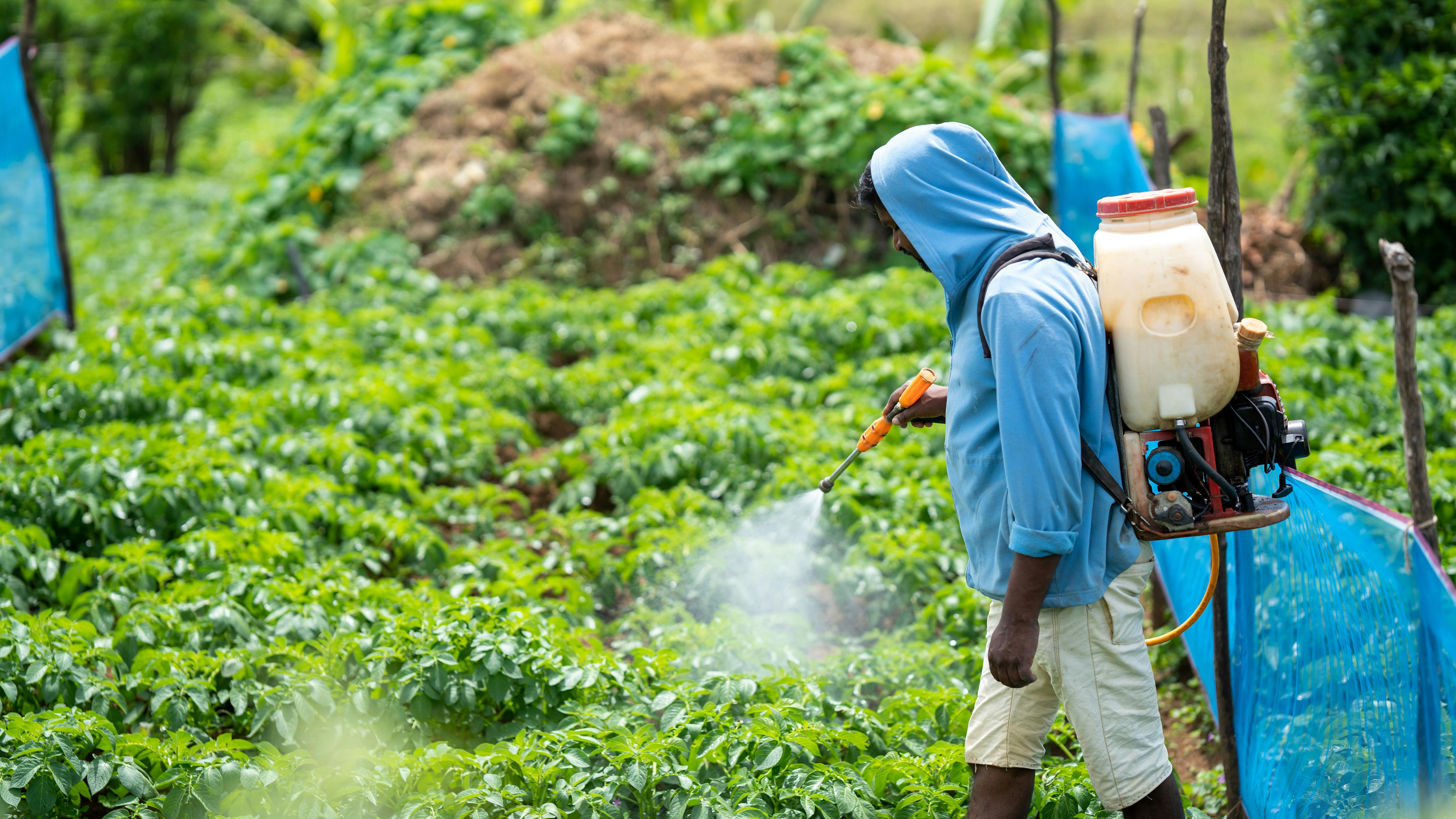
Kenya's agricultural sector, the backbone of its economy, faces dual pressures: increasing demand for food and the urgent need for sustainable practices. Decades of conventional farming, heavily reliant on synthetic pesticides and fertilizers, have led to soil degradation, water contamination, and a decline in beneficial insect populations. This has created a vicious cycle where pests develop resistance, requiring even stronger chemicals, further escalating costs for farmers.
The push for organic farming in Kenya is gaining momentum, driven by consumer demand for healthier food, environmental concerns, and the economic burden of chemical inputs. Organic agriculture emphasizes ecological balance, biodiversity, and natural processes. Key to its success is an effective, organic approach to pest control that doesn't harm the environment or human health. The transition isn't just about avoiding chemicals; it's about understanding and working with nature's intricate systems to foster robust, resilient crops.
Key Insights & Strategies: Mastering Organic Pest Control

Effective organic pest control isn't a single solution but a combination of strategic approaches. Here, we delve into the core methods that empower Kenyan farmers to protect their yields naturally.
The Power of Neem: Nature's Pesticide
Neem (Azadirachta indica) is a miracle tree for organic farmers. Its extracts contain azadirachtin, a potent natural compound that acts as an anti-feedant, insect growth regulator, and repellent against a wide range of pests, including aphids, whiteflies, thrips, and caterpillars. Unlike synthetic pesticides, neem oil is non-toxic to humans, pets, and beneficial insects like bees and ladybugs.
Sourcing & Preparation: Obtain high-quality cold-pressed neem oil. Mix 5-10ml of neem oil with 1 liter of water and a few drops of mild liquid soap (as an emulsifier).Application Timing: Apply neem sprays in the late afternoon or early evening to avoid harming beneficial insects and to prevent rapid evaporation, ensuring maximum absorption by pests.Targeted Application: Focus on the undersides of leaves where many pests reside. Consistent application every 7-10 days is key during peak pest seasons.For effective application of your organic solutions, consider using a reliable sprayer. The Ergonomic Handheld Garden Sprayer for Organic Solutions – available on Amazon can help you reach all parts of your plants with ease.
Leveraging Bio-Pesticides for Targeted Action
Bio-pesticides are pest management agents derived from natural materials like animals, plants, bacteria, and certain minerals. They offer targeted control with minimal environmental impact. Examples include Bacillus thuringiensis (Bt) for caterpillars and fungi like Beauveria bassiana for various insect pests.
Identification: Accurately identify the specific pest troubling your crops to select the most effective bio-pesticide.Correct Dosage: Follow manufacturer instructions precisely for mixing and application rates to ensure efficacy.Integrated Approach: Use bio-pesticides as part of an integrated pest management (IPM) strategy, combining them with cultural practices and neem for broad-spectrum control.An essential companion for any organic farmer is a good insecticidal soap, which can combat soft-bodied insects without harming the environment. Check out the Natural Organic Insecticidal Soap Spray – available on Amazon for a proven solution.
Building Resilience from the Ground Up: Soil Health
Healthy soil is the foundation of healthy plants, making them more resistant to pests and diseases. Rich, living soil provides essential nutrients, fosters beneficial microorganisms, and creates an environment where plants can thrive, naturally deterring infestations.
Composting: Implement robust composting programs using farm waste, animal manure, and plant residues to create nutrient-rich compost.Cover Cropping: Plant cover crops during fallow periods to improve soil structure, add organic matter, and suppress weeds.Crop Rotation: Rotate crops regularly to break pest life cycles and prevent the buildup of soil-borne diseases.To truly understand your soil's needs, a reliable soil test kit is indispensable. The Professional Soil pH and Moisture Tester Kit – available on Amazon provides accurate readings to guide your soil health strategies.
Precision and Proactive Monitoring
Constant vigilance is crucial in organic pest control. Early detection allows for timely intervention, preventing small infestations from becoming major outbreaks.
Regular Scouting: Inspect your crops daily or weekly, paying close attention to new growth, leaf undersides, and stems. Look for pest signs like chew marks, discolored leaves, or visible insects.Trap Crops: Plant 'trap crops' that are more attractive to pests near your main crops to lure pests away, then destroy the trap crop or manage pests on it separately.Beneficial Insect Habitats: Encourage beneficial insects (ladybugs, parasitic wasps, lacewings) by planting flowers and herbs that provide nectar and pollen. These natural predators are your allies in pest control.To dive deeper into sustainable practices and find more organic farming tools, you can explore sustainable organic farming solutions with Biofarm Kenya.
Case Studies, Examples, or Comparisons: Success Stories from the Field
The transition to organic pest control isn't just theoretical; it's proving its worth on Kenyan farms every day. Take, for instance, the smallholder farmers in Makueni County who embraced integrated organic pest management. Faced with persistent outbreaks of whiteflies and aphids on their tomato crops, they shifted from synthetic sprays to a combination of neem oil, intercropping with marigolds, and releasing beneficial insects. Within two seasons, they reported a significant reduction in pest damage, a 25% increase in marketable yields, and a 35% decrease in input costs. Their success underscores the economic viability and environmental benefits of organic methods.
Another inspiring example comes from a large-scale vegetable farm in the Rift Valley. By adopting bio-pesticides specifically targeting fall armyworms in maize and practicing meticulous crop rotation, they managed to reclaim fields previously ravaged by the pest. The farm manager noted a remarkable improvement in soil fertility and biodiversity, attributing it to the holistic approach that prioritizes ecological balance over quick fixes. These cases, supported by observations from institutions like the Kenya Agricultural and Livestock Research Organization (KALRO), demonstrate that organic pest control is not only effective but also a pathway to long-term agricultural resilience.
Common Mistakes to Avoid in Organic Pest Management
While the benefits of organic pest control are immense, missteps can hinder success. Understanding and avoiding these common errors is key to a smooth transition and thriving organic farm.
Waiting Too Long to Act: Organic pest control relies on early intervention. Waiting until an infestation is severe often makes it harder to manage naturally. Regular scouting is paramount for timely action.Ignoring Soil Health: Neglecting soil vitality weakens plants, making them more susceptible to pests. A reliance solely on sprays, even organic ones, without addressing underlying soil issues, is a recipe for recurrent problems. Prioritize composting, cover cropping, and proper soil amendments.Improper Application: Organic sprays like neem oil require specific application methods—focus on undersides of leaves, proper dilution, and timing (e.g., late evening). Incorrect application reduces effectiveness and can waste valuable resources.Lack of Diversification: Relying on a single organic method is as risky as relying on a single chemical. A diverse approach incorporating cultural practices, biological controls, and botanical sprays offers stronger, more sustainable protection.Inconsistent Monitoring: Pest populations fluctuate. One-time treatment is rarely enough. Consistent monitoring and follow-up applications are essential to break pest life cycles and maintain control.Failing to Understand Pest Life Cycles: Effective organic control hinges on targeting pests at their most vulnerable stages. Without understanding their life cycle, applications might be mistimed and ineffective.
Expert Tips & Best Practices for Sustainable Yields
Drawing on the experience of seasoned organic farmers and agricultural experts, these tips will further refine your organic pest control strategies and elevate your farm's productivity.
Embrace Biodiversity: Plant a variety of crops and incorporate companion planting. Certain plants naturally repel pests or attract beneficial insects. Marigolds deter nematodes, while basil can repel flies. A diverse farm ecosystem is a resilient one.Create Insectary Gardens: Dedicate small areas on your farm to flowering plants (like cosmos, dill, or sunflowers) that provide nectar and pollen for beneficial insects such as ladybugs, lacewings, and parasitic wasps. These natural predators are invaluable allies.Practice Crop Sanitation: Remove diseased plant material and crop residues promptly to prevent pests and pathogens from overwintering or spreading. A clean farm environment reduces breeding grounds for many pests.Water Wisely: Proper irrigation strengthens plants and reduces stress, making them less attractive to pests. Avoid overhead watering late in the day, which can encourage fungal diseases. Drip irrigation is highly recommended.Utilize Physical Barriers: For high-value crops or specific pests, consider using physical barriers like row covers or netting to prevent insect access. This is particularly effective for controlling flying insects.Invest in Quality Inputs: The effectiveness of organic pest control often depends on the quality of your inputs. For farmers seeking reliable and effective organic solutions, products like Organic Cold-Pressed Neem Oil for Plants – available on Amazon can make a significant difference in protecting your crops naturally.Remember, sustainability is a journey, and Biofarm Kenya is here to support you every step of the way. Explore sustainable organic farming solutions with Biofarm Kenya to access resources, guidance, and partnerships that foster a thriving agricultural future.
Future Trends & Predictions: The Horizon of Organic Farming in Kenya
The future of organic agriculture in Kenya is bright, with innovation and technology poised to further enhance sustainable practices. Farmers can look forward to advancements that make organic pest control even more efficient and accessible.
Smart Irrigation Systems: Precision irrigation, leveraging sensors and AI, will optimize water use and minimize plant stress, a key factor in pest resilience. These systems can deliver water directly to root zones, reducing waste and creating less favorable conditions for many pests and diseases.Vertical Farming & Controlled Environments: While not for every crop, vertical farms and protected cultivation environments offer unparalleled control over pest entry and environmental conditions, significantly reducing the need for external pest control measures. This technology is slowly gaining traction for urban farming and high-value crops.AI-Driven Crop Monitoring: Drones and advanced imaging technologies equipped with AI will soon offer real-time, farm-wide pest detection and disease diagnosis. This will enable farmers to pinpoint problem areas quickly and apply organic treatments with unprecedented precision, saving time and resources.Enhanced Bio-Pesticide Development: Research and development will continue to yield more specific and potent bio-pesticides, targeting an even wider array of pests with greater efficacy and environmental safety.Agroecology Integration: There will be a stronger emphasis on agroecological principles, integrating traditional knowledge with modern science to create highly resilient and biodiverse farming systems that naturally deter pests and thrive without external inputs.These trends highlight a future where organic farming in Kenya is not just a niche, but a technologically advanced and environmentally harmonious standard, driving both ecological health and economic prosperity.
Conclusion: Cultivating a Greener, More Prosperous Future
The journey to mastering organic pest control is a transformative one for Kenyan farmers. By embracing evidence-based strategies centered on neem extracts, bio-pesticides, and the foundational principle of soil health, you are not merely managing pests; you are building a resilient, productive, and environmentally conscious farm. The proven benefits—increased yields, reduced input costs, and healthier ecosystems—make a compelling case for this paradigm shift.
Transitioning away from conventional pesticide reliance is an investment in your farm's future and Kenya's agricultural landscape. It fosters biodiversity, protects natural resources, and ensures the long-term sustainability of your farming enterprise. With the right knowledge, tools, and a commitment to these practices, every Kenyan farmer can achieve remarkable success.
Discover trusted organic farming tools on Amazon and learn more about sustainable solutions with Biofarm Kenya. Your path to a healthier farm starts today!
FAQs
1. What are the primary benefits of using neem extracts for pest control?Neem extracts offer multiple benefits: they act as an anti-feedant, insect growth regulator, and repellent. They are biodegradable, non-toxic to humans and beneficial insects, and effective against a broad spectrum of pests without causing resistance. For more details, refer to the
Food and Agriculture Organization (FAO) on organic agriculture.
2. How do bio-pesticides differ from synthetic pesticides, and why are they preferred in organic farming?Bio-pesticides are derived from natural sources (plants, microorganisms) and are highly specific to target pests, minimizing harm to non-target organisms and the environment. Synthetic pesticides are chemical-based, often broad-spectrum, and can lead to resistance and environmental pollution. Bio-pesticides align with organic farming's ecological principles. The
Kenya Agricultural and Livestock Research Organization (KALRO) provides insights into their use.
3. What role does soil health play in preventing pest infestations organically?Healthy soil, rich in organic matter and beneficial microorganisms, promotes strong, resilient plants that are naturally more resistant to pests and diseases. It also fosters a diverse ecosystem where natural predators can thrive, helping to keep pest populations in check. Learn more about soil management from the
Ministry of Agriculture, Livestock, Fisheries and Cooperatives Kenya.
4. How often should organic pest control sprays like neem oil be applied?The frequency of application depends on the severity of the infestation and the pest's life cycle. Generally, for active infestations, neem oil and other organic sprays might be applied every 5-7 days. For preventative measures, applications every 10-14 days or after rain can be effective. Consistent monitoring helps determine optimal timing. Check Biofarm Kenya's resources for specific crop guides:
Biofarm Kenya Partner Resources.
5. Are there any specific crops in Kenya that benefit most from organic pest control?All crops can benefit, but high-value crops such as horticultural produce (tomatoes, kales, capsicum), herbs, and fruits often see significant returns due to reduced chemical residues and increased market appeal. Organic pest control is also crucial for export crops to meet international standards. The
Kenya Bureau of Standards (KEBS) sets benchmarks for organic produce.
6. What are the environmental benefits of switching to organic pest management?Organic pest management drastically reduces chemical runoff into water sources, protecting aquatic life and human health. It promotes biodiversity by safeguarding beneficial insects and pollinators, enhances soil health, and contributes to a more stable and resilient ecosystem, aligning with national environmental guidelines. For environmental protection best practices, visit the
National Environmental Management Authority (NEMA) Kenya.
Biofarm KenyaSustainable Farming SolutionsOrganic Pest Control GuideKenyan Farmer ResourcesAgricultural Innovations KenyaEco-friendly Agriculture


0 Comments