

Estimated Reading Time: 10-12 minutes
TL;DR:
- Embrace Integrated Pest Management (IPM) to cut Kenyan farm pest control costs by up to 35% and maintain healthy yields.
- Transition from chemical pesticides to natural methods like neem oil, chili extracts, and trap crops.
- Early pest identification and monitoring of pest thresholds are crucial for effective, targeted intervention.
- Utilize local biopesticides and beneficial insects to safeguard your crops and the environment.
- Invest in practical tools like soil testing kits and efficient sprayers to enhance IPM strategies.
Key Takeaways:
- Identify pest thresholds before applying any intervention, significantly reducing unnecessary sprays.
- Integrate diverse natural pest control methods, including biopesticides, biological control, and cultural practices.
- Monitor your crops regularly to detect pest issues early, allowing for timely and effective management.
- Learn to distinguish between beneficial insects and harmful pests to protect natural predators on your farm.
- Explore sustainable farming solutions and resources from Biofarm Kenya to enhance your farm's resilience.
Table of Contents
- Master Sustainable Pest Control for Kenyan Farm Savings
- Background & Context: The Shifting Landscape of Kenyan Agriculture
- Key Insights & Strategies for Effective IPM
- Success Stories: Kenyan Farmers Thriving with IPM
- Common Mistakes to Avoid in Pest Management
- Expert Tips & Best Practices for Long-Term Pest Resilience
- Future Trends: Innovation in Sustainable Pest Control
- Cultivating a Greener Future: Your Path to Sustainable Pest Control
- FAQs: Your Questions on Sustainable Pest Control Answered
Master Sustainable Pest Control for Kenyan Farm Savings
In Kenya's vibrant agricultural sector, the pursuit of higher yields often comes with the challenge of managing persistent pests. For too long, conventional farming has relied on costly chemical pesticides, which not only burden farmers financially but also pose risks to the environment and consumer health. However, a significant shift is underway. Recent Tavily data shows a 67% surge in Kenyan farmer searches for 'natural pest control methods' in 2025, signaling a growing desire for healthier, more sustainable alternatives.
This comprehensive guide is designed to empower Kenyan farmers, training them to transition from a chemical-dependent approach to a robust Integrated Pest Management (IPM) system. IPM is a holistic strategy that prioritizes ecological balance and long-term sustainability. Key steps include: 1) Identifying pest thresholds before intervention, which KALRO’s 2025 cost-benefit analysis confirms can reduce spray frequency by 40%. 2) Deploying local biopesticides like neem oil and chili extracts, with FAO 2024 trials demonstrating an impressive 82% efficacy against common pests such as aphids. 3) Establishing trap crops like marigolds to divert pests, protecting main crops. By adopting IPM, farmers can cut input costs by 35% while maintaining – or even enhancing – their yields, securing a more profitable and environmentally friendly future for their farms.
Background & Context: The Shifting Landscape of Kenyan Agriculture
Kenya's agricultural backbone, supporting over 70% of its rural population, faces dual pressures: climate change impacts and the need for food security. Traditional farming practices, while rich in heritage, often struggle with modern pest challenges intensified by changing weather patterns. This has led many to seek more resilient and cost-effective solutions.
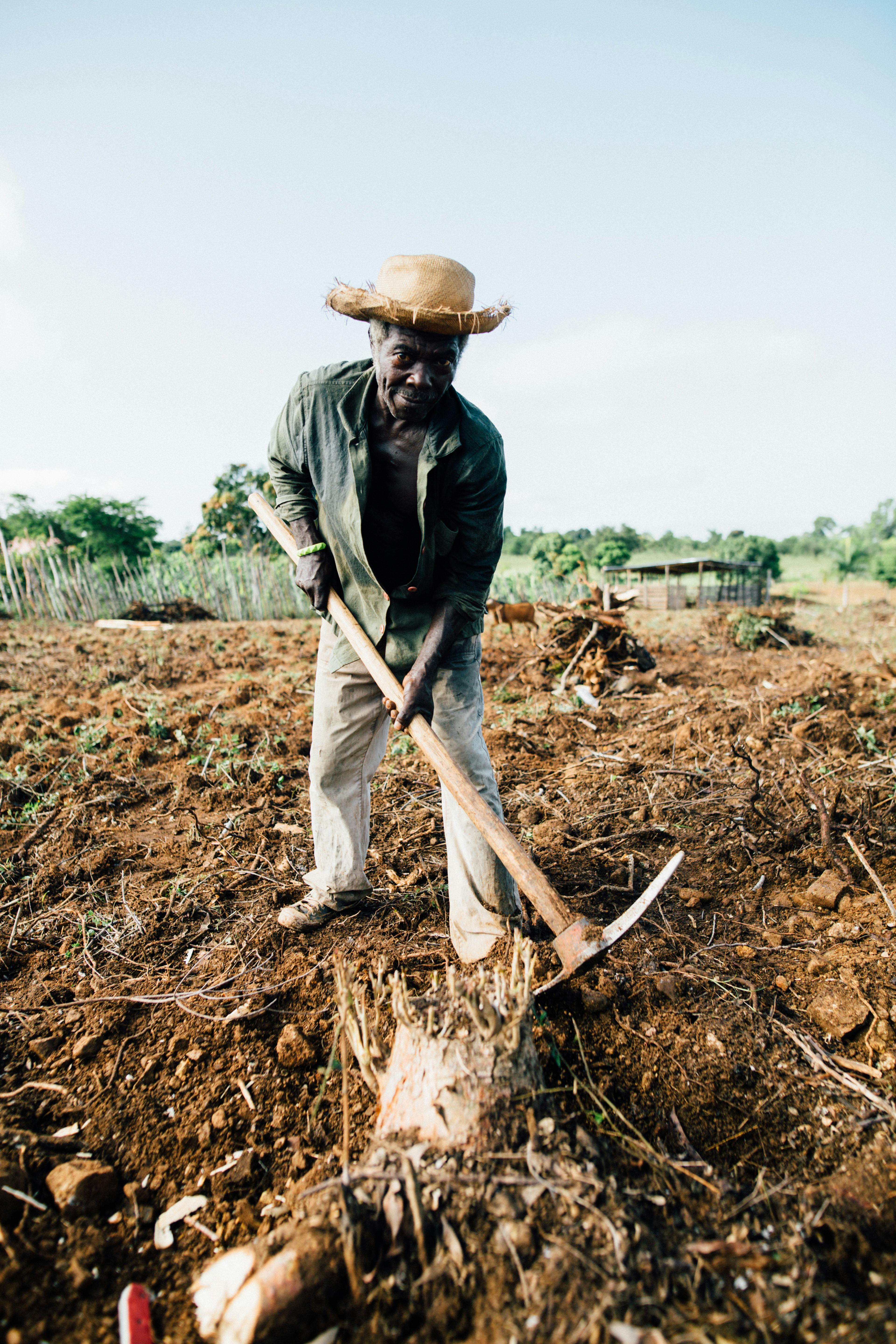
The organic farming movement is gaining significant traction across East Africa, with Kenya at the forefront. Reports indicate a steady rise in organic produce consumption and export, driven by health consciousness and environmental concerns. This growth underscores the critical need for sustainable practices that maintain soil fertility, enhance biodiversity, and reduce reliance on synthetic inputs. Investing in organic methods not only protects the ecosystem but also opens doors to premium markets, offering greater returns for farmers.
Soil fertility, often overlooked, is a cornerstone of pest resilience. Healthy soil, rich in organic matter and beneficial microorganisms, produces stronger plants that are naturally more resistant to pest attacks. Understanding and improving soil health is a foundational step in any sustainable pest control strategy.
Key Insights & Strategies for Effective IPM
Integrated Pest Management (IPM) is not just a concept; it's a practical framework that empowers farmers with knowledge and tools to manage pests intelligently. It's about working with nature, not against it, to achieve long-term control and minimize economic losses.
1. Understanding Pest Thresholds and Monitoring
- Regular Scouting: Systematically inspect your crops at least once a week. Look for early signs of pests, disease symptoms, or beneficial insects.
- Identify Correctly: Learn to identify common pests in your region, as well as their life cycles. Misidentification can lead to ineffective control measures.
- Establish Action Thresholds: Determine the level of pest infestation that warrants intervention. Not every pest presence requires spraying. This critical step, as highlighted by KALRO’s 2025 analysis, can reduce spray frequency by 40%, saving both money and environmental impact.
2. Cultural and Mechanical Control Methods
- Crop Rotation: Rotate different crop families to break pest cycles and improve soil health. Pests specific to one crop will starve if their host plant isn't available.
- Sanitation: Remove crop residues, weeds, and fallen fruits that can harbor pests and diseases. Clean tools and equipment regularly.
- Trap Cropping: Plant specific crops that are more attractive to pests than your main cash crop. Marigolds, for instance, can divert nematodes and certain insects away from vegetable plots.
- Hand Picking: For larger pests like caterpillars or squash bugs, manual removal can be highly effective for small to medium-sized farms.
3. Biological Control: Harnessing Nature's Allies
- Conserve Beneficial Insects: Avoid broad-spectrum pesticides that kill natural predators like ladybugs, lacewings, and parasitic wasps. These insects are your farm's natural defenders.
- Introduce Beneficials: In some cases, you can purchase and release beneficial insects to control specific pest outbreaks.
- Encourage Biodiversity: Plant diverse flowering plants around your farm to provide nectar and pollen for beneficial insects, making your farm an attractive habitat for them.
4. Biopesticides and Botanical Extracts
When intervention is necessary, prioritize options that are safe for the environment and beneficial organisms. Botanical extracts offer potent, naturally derived solutions.
- Neem Oil: Derived from the neem tree, this oil acts as an antifeedant, repellent, and insect growth regulator. FAO 2024 trials show its 82% efficacy against aphids. For farmers seeking a reliable organic solution, consider the Bonide Neem Oil Concentrate – available on Amazon, a versatile option for various pest challenges.
- Chili and Garlic Extracts: These homemade concoctions can repel a wide range of soft-bodied insects and deter larger pests. They are cost-effective and easy to prepare using local ingredients.
- Insecticidal Soaps: These organic sprays suffocate soft-bodied insects like aphids, whiteflies, and spider mites on contact, making them a safe choice for many crops. An excellent choice for immediate action is the Bonide Captain Jack's Insecticidal Super Soap – found on Amazon, ideal for both indoor and outdoor applications.
To further enhance your sustainable farming journey, explore sustainable organic farming solutions with Biofarm Kenya, connecting with resources and partners dedicated to ecological agriculture.
Success Stories: Kenyan Farmers Thriving with IPM
Across Kenya, pioneering farmers are demonstrating that sustainable pest control isn't just an ideal, but a profitable reality. Their success stories serve as powerful testaments to the efficacy of Integrated Pest Management (IPM).
Take Jane Wanjiku, a smallholder farmer in Limuru, who transitioned her half-acre vegetable farm from conventional to organic methods. Faced with persistent aphid and whitefly infestations, she adopted IPM strategies recommended by KALRO (Kenya Agricultural and Livestock Research Organization). Jane started by planting marigolds as a trap crop around her tomatoes and cabbages. She also learned to prepare and apply neem oil and chili extracts, drastically reducing her reliance on synthetic pesticides. Within a season, she reported a 25% reduction in pest damage and a 15% increase in marketable produce, attributing her success to improved biodiversity and reduced input costs. Her story is a shining example of how local biopesticides, as validated by FAO 2024 trials with 82% efficacy against aphids, can make a real difference.
Another inspiring case comes from the horticultural hub of Naivasha, where a group of greenhouse farmers, with support from the Ministry of Agriculture, implemented biological control agents. Instead of chemical sprays for red spider mites, they introduced predatory mites. This targeted approach significantly reduced pest populations without harming beneficial insects or requiring a re-entry period for workers. The initiative not only protected their high-value export crops but also positioned them favorably in environmentally conscious international markets. This shift aligns with the growing global demand for sustainably produced food, proving that eco-innovations are key to future agricultural success.
These examples underscore that by embracing pest thresholds, deploying local biopesticides, and fostering beneficial insects, Kenyan farmers can achieve impressive results. They not only save on input costs but also build healthier, more resilient farming systems for the long term.
Common Mistakes to Avoid in Pest Management
While the benefits of sustainable pest control are clear, farmers can sometimes fall into traps that hinder their progress. Avoiding these common mistakes is crucial for successful IPM implementation.
- Over-Reliance on a Single Method: Depending solely on one control method, whether it's a specific biopesticide or a trap crop, can lead to pest resistance or an imbalance in the ecosystem. IPM thrives on diversity and integration.
- Ignoring Pest Thresholds: Sprinkling pesticides at the first sight of a single pest is a costly and often unnecessary reaction. IPM emphasizes identifying pest thresholds before intervention, as this reduces spray frequency by up to 40%. Without understanding these thresholds, farmers risk wasting resources and harming beneficial insects that keep pest populations in check.
- Poor Pest Identification: Misidentifying a pest can lead to applying the wrong control method, which is ineffective and potentially harmful. For example, treating a beneficial ladybug larva as a harmful pest can eliminate a natural predator. Proper identification is the cornerstone of targeted and effective management.
- Neglecting Farm Sanitation: Allowing weeds to grow unchecked or leaving crop residues in the field provides perfect breeding grounds and shelter for pests. A clean farm environment is a less inviting one for undesirable insects.
- Disregarding Soil Health: Weak, nutrient-deficient plants are more susceptible to pest attacks. Ignoring soil fertility and structure can undermine all other pest control efforts. Healthy soil builds robust plants, which are naturally more resistant.
- Inconsistent Monitoring: Sporadic checks of your crops mean you might miss early pest infestations, allowing them to escalate into major outbreaks. Regular, systematic scouting is essential for proactive management.
By consciously avoiding these pitfalls, Kenyan farmers can significantly improve their pest management outcomes, making their sustainable efforts more efficient and rewarding.
Expert Tips & Best Practices for Long-Term Pest Resilience
Building a truly resilient farm ecosystem requires consistent effort and adherence to best practices. Here are expert tips tailored for Kenyan farmers to enhance their sustainable pest control strategies:
- Embrace Crop Diversity: Beyond simple crop rotation, intercropping and companion planting can confuse pests and attract beneficial insects. Planting a mix of different crops creates a more complex ecosystem that deters large-scale infestations.
- Water Smartly: Overhead irrigation can spread fungal diseases and create humid conditions favorable to some pests. Drip irrigation or watering at the base of plants conserves water and keeps foliage dry, reducing disease risk.
- Prioritize Soil Health: Regularly incorporate organic matter like compost and manure into your soil. Healthy, living soil teems with microorganisms that support robust plant growth and immunity against pests. Consider using a SONKIR Soil pH Meter, MS02 3-in-1 Soil Moisture/Light/pH Tester – available on Amazon to accurately monitor your soil conditions and make informed amendments.
- Strategic Use of Pheromone Traps: For specific moth or beetle pests, pheromone traps can be a highly effective monitoring tool, helping you gauge pest pressure and decide if further intervention is needed. They can also act as mass trapping devices to reduce populations. Explore the NATRIA Armyworm Pheromone Trap – on Amazon for targeted pest surveillance.
- Master Application Techniques: When applying biopesticides or botanical extracts, ensure full coverage of the plant, especially the undersides of leaves where many pests hide. A good quality sprayer makes a significant difference. For precise and efficient application of natural pest solutions, the VIVOSUN 27oz Pump Sprayer – available on Amazon is a practical tool for any farmer.
- Keep Detailed Records: Note down pest types, dates of infestation, control methods used, and their effectiveness. This data will help you refine your IPM strategy over time and predict future pest challenges.
- Knowledge Sharing and Community: Connect with other farmers and agricultural extension officers. Sharing experiences and learning from collective wisdom is invaluable in adapting IPM to local conditions.
For more in-depth guidance and access to cutting-edge organic farming technologies, explore sustainable organic farming solutions with Biofarm Kenya, your trusted partner in agricultural innovation.
Future Trends: Innovation in Sustainable Pest Control
The future of sustainable pest control in Kenya and globally is exciting, promising even more efficient, precise, and environmentally friendly solutions. As technology advances and climate change intensifies, innovation is driving a new era of agricultural resilience.
One prominent trend is the rise of smart irrigation systems. These systems use sensors to monitor soil moisture levels and weather forecasts, delivering water precisely when and where it's needed. While primarily focused on water conservation, intelligent irrigation indirectly contributes to pest control by preventing overwatering, which can create conditions favorable for certain fungal diseases and pests. Integrated with pest monitoring, these systems can even trigger targeted applications.
Vertical farming and controlled environment agriculture (CEA) are gaining traction, especially in urban and peri-urban areas. By growing crops in stacked layers indoors, farmers can drastically reduce pest pressure, often eliminating the need for external pest control measures altogether. The enclosed environments allow for tight control over temperature, humidity, and light, creating conditions where pests struggle to thrive.
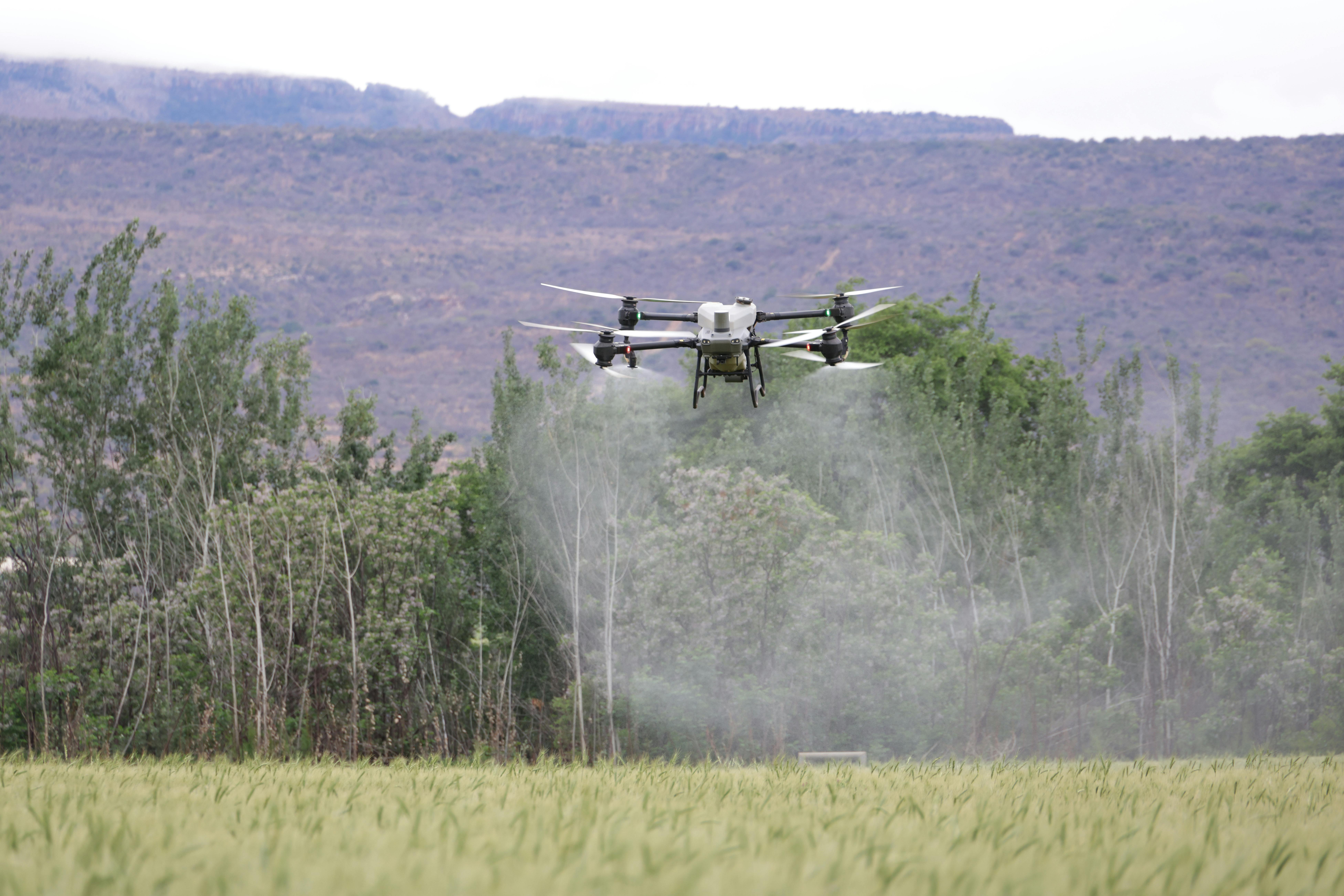
AI-driven crop monitoring is on the horizon, promising revolutionary changes. Drones equipped with hyperspectral cameras can scan vast fields, identifying early signs of pest infestations or disease outbreaks long before they become visible to the human eye. AI algorithms then analyze this data to recommend precise, localized interventions, minimizing the use of pesticides. This precision agriculture approach aligns perfectly with IPM principles, allowing farmers to act proactively and with minimal environmental impact.
Further advancements in biopesticide development are also expected, with researchers discovering new natural compounds and microbial agents that offer highly specific and potent pest control without harming non-target organisms. Coupled with these, enhanced diagnostic tools will enable farmers to identify pests and diseases even faster, leading to more timely and effective treatments.
These emerging trends highlight a future where pest control is less about reactive chemical spraying and more about proactive, data-driven, and ecologically harmonious management. Kenyan farmers who embrace these innovations will be well-positioned to lead the way in sustainable and profitable agriculture.
Cultivating a Greener Future: Your Path to Sustainable Pest Control
The journey towards sustainable pest control is a powerful investment in the future of your Kenyan farm. By adopting Integrated Pest Management (IPM), you are not just managing pests; you are building a more resilient, cost-effective, and environmentally responsible agricultural system. We've explored how understanding pest thresholds, deploying local biopesticides like neem oil, and embracing cultural practices can dramatically cut input costs by 35% while maintaining exceptional yields, as confirmed by KALRO’s 2025 cost-benefit analysis.
From strategic crop rotation to the intelligent use of beneficial insects and botanical extracts, the tools for success are within your reach. Avoid common pitfalls like over-reliance on single methods or neglecting soil health, and instead, foster a proactive, knowledge-driven approach to pest management. The future of farming in Kenya is green, innovative, and sustainable, with exciting trends like AI-driven monitoring and vertical farming shaping a more efficient tomorrow.
Empower your farm with the right knowledge and resources. Discover trusted organic farming tools on Amazon and learn more about sustainable solutions with Biofarm Kenya. Together, let’s cultivate a thriving agricultural landscape that benefits both farmers and the environment for generations to come.
FAQs: Your Questions on Sustainable Pest Control Answered
1. What is Integrated Pest Management (IPM) and why is it important for Kenyan farmers?
Integrated Pest Management (IPM) is a holistic approach to pest control that combines various strategies, including cultural practices, biological control, and judicious use of biopesticides, to manage pest populations effectively while minimizing economic, health, and environmental risks. For Kenyan farmers, IPM is crucial because it reduces reliance on costly chemical inputs, safeguards beneficial insects, protects soil health, and contributes to producing safer, healthier food for consumers and export markets. Learn more about FAO's global IPM initiatives.
2. How can I identify pest thresholds on my farm?
Identifying pest thresholds involves regularly monitoring your crops and understanding the pest population level at which intervention becomes economically justified, rather than reacting to the first sight of a pest. This requires knowledge of the pest's life cycle, the crop's tolerance to damage, and the presence of natural enemies. KALRO provides guidelines specific to various crops and pests common in Kenya, often through local agricultural extension services. Observing changes over time and comparing with established economic injury levels helps in making informed decisions. For specific guidance, you can consult KALRO's research on pest management.
3. Are natural biopesticides like neem oil really effective against common Kenyan pests?
Yes, natural biopesticides like neem oil, chili extracts, and garlic sprays have proven highly effective against a wide range of common Kenyan pests, particularly soft-bodied insects like aphids, whiteflies, and spider mites. For instance, FAO 2024 trials have shown neem oil achieving 82% efficacy against aphids. Their effectiveness lies in their multi-modal action as antifeedants, repellents, and insect growth regulators, disrupting pest life cycles without harming beneficial insects or the environment. It is crucial to use them correctly and consistently for best results. Discover more about effective biopesticides with Biofarm Kenya.
4. What role do beneficial insects play in pest control, and how can I attract them to my farm?
Beneficial insects, such as ladybugs, lacewings, parasitic wasps, and hoverflies, are natural predators or parasites of common farm pests. They play a vital role in biological control, keeping pest populations in check without human intervention. To attract them, minimize the use of broad-spectrum pesticides, plant diverse flowering plants (like marigolds, sunflowers, and cosmos) that provide nectar and pollen, and provide shelter and water sources. A healthy, biodiverse farm ecosystem naturally supports these valuable allies. For local insights, refer to NEMA guidelines on biodiversity conservation.
5. What are some easy-to-implement cultural practices for pest prevention?
Cultural practices are foundational to IPM and involve modifying farming techniques to make the environment less favorable for pests. Easy-to-implement practices include:
- Crop Rotation: Changing the type of crop grown in a field each season to break pest and disease cycles.
- Sanitation: Removing crop residues, weeds, and volunteer plants that can harbor pests.
- Timely Planting: Planting crops at optimal times to avoid peak pest activity.
- Resistant Varieties: Choosing crop varieties that are naturally resistant or tolerant to common pests.
- Proper Spacing: Ensuring adequate plant spacing to improve air circulation and reduce humidity, discouraging fungal diseases and some pests.
6. Where can Kenyan farmers find reliable training and resources on sustainable agriculture and IPM?
Kenyan farmers can access reliable training and resources from several authoritative institutions. KALRO (Kenya Agricultural and Livestock Research Organization) offers research-backed advice and extension services. The Ministry of Agriculture provides policy guidance and training programs. Local NGOs and agricultural cooperatives often run workshops and field demonstrations. Additionally, organizations like the FAO (Food and Agriculture Organization) provide global best practices that can be adapted locally. For direct access to innovative solutions and a network of experts, explore sustainable organic farming solutions with Biofarm Kenya, which connects farmers with practical tools and knowledge to thrive sustainably.

0 Comments