

Estimated Reading Time: 12 minutes
Introduction: Cultivating a Greener Future in Kenya
Kenya, a nation deeply rooted in agriculture, faces the pressing challenge of ensuring food security for its growing population amidst increasingly unpredictable climate patterns. Erratic rainfall, prolonged droughts, and soil degradation are significant hurdles for countless smallholder farmers. In response, Kenyan farmers are increasingly seeking climate-resilient practices that promise stability and increased productivity. Among these, agroforestry, the strategic integration of trees and shrubs into crop and livestock farming systems, is rapidly trending. This ancient yet revitalized practice offers a powerful solution, moving past outdated advice that often warned against 'competition' from trees. Modern research unequivocally demonstrates that nitrogen-fixing trees, such as the widely celebrated Faidherbia albida, significantly improve soil health and reduce evaporation when spaced and managed correctly. Recent 2024 World Agroforestry trials in Western Kenya, for instance, reported a remarkable 30% increase in maize yields in integrated systems, highlighting agroforestry’s profound potential to transform agriculture.
This article delves into how modern agroforestry farming boosts Kenyan maize yields, offering practical steps to enhance soil health, conserve water, and build climate resilience. We will explore the science behind this powerful synergy, share inspiring success stories from Kenyan farms, and provide actionable advice for farmers looking to adopt these sustainable methods. Discover how to select tree species with non-overlapping root zones, prune for seasonal light balance, and monitor the initial crop-thinning phase (first 6–12 months) to maximize your farm’s potential.
Background & Context: The Foundation of Sustainable Agriculture

Kenya’s agricultural sector is the backbone of its economy, contributing over 25% of the Gross Domestic Product (GDP) and employing more than 70% of the rural population. However, decades of conventional farming, characterized by monoculture and overuse of synthetic inputs, have led to widespread soil degradation, reduced biodiversity, and increased vulnerability to climate shocks. The urgency for sustainable practices has never been greater. Organic farming, with its emphasis on ecological balance, natural inputs, and minimal environmental impact, is gaining traction as a viable alternative.
Agroforestry stands out within the broader movement towards sustainable agriculture due to its multi-faceted benefits. It's not just about planting trees; it's about creating a harmonious ecosystem where trees, crops, and sometimes livestock coexist and thrive. This integration leads to enhanced soil fertility, improved water retention, increased biodiversity, and diversified income streams for farmers. For example, the incorporation of leguminous trees enriches the soil with nitrogen, reducing the need for expensive synthetic fertilizers. Furthermore, tree cover provides shade, which lowers soil temperatures, reduces water evaporation, and offers protection against strong winds, all critical factors in Kenya's often harsh climate. The growth in agribusiness around sustainable methods is a testament to their increasing recognition and adoption across the nation.
Key Insights & Strategies: Unlocking Agroforestry’s Potential
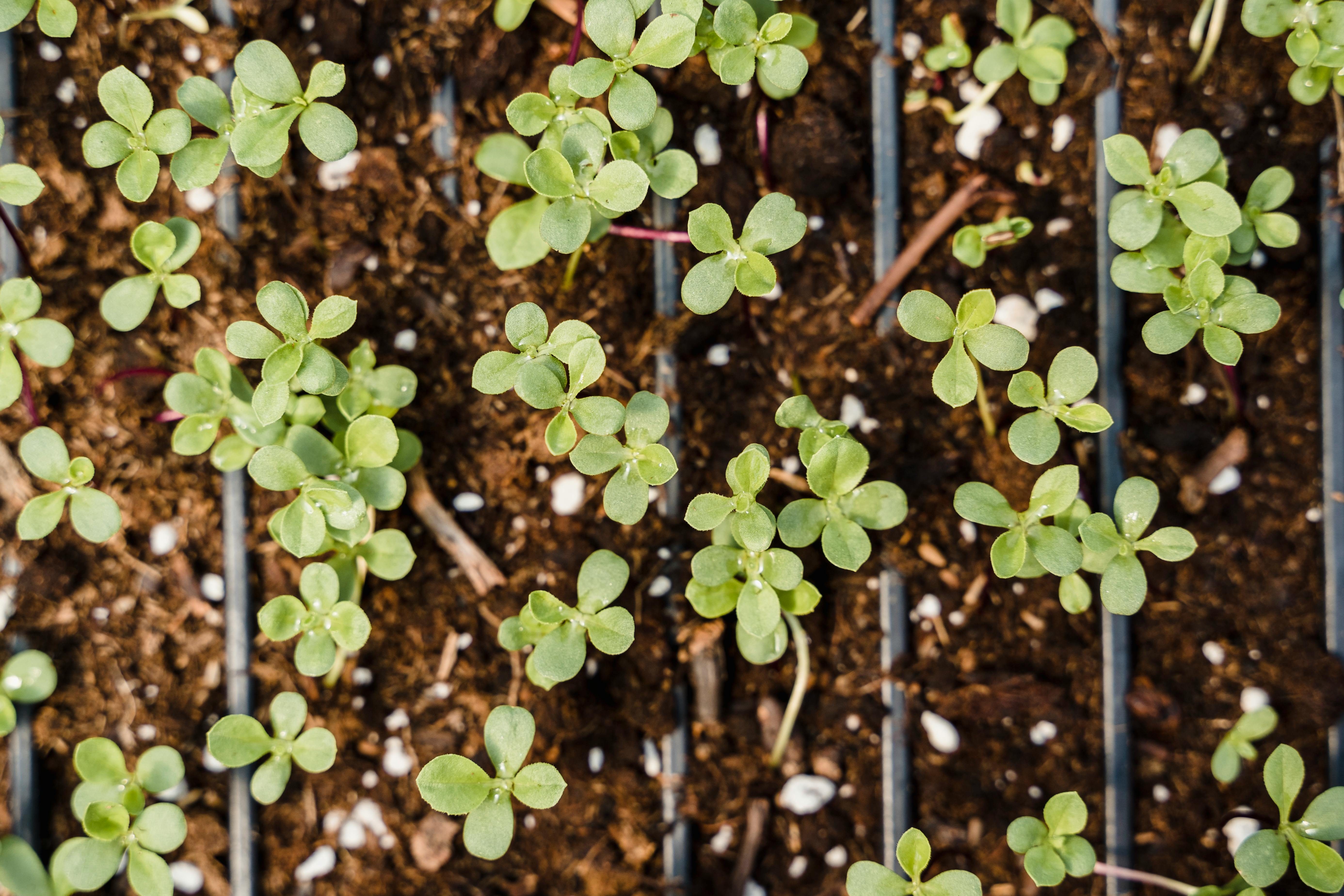
Modern agroforestry in Kenya is driven by several key insights that challenge traditional farming paradigms and offer actionable strategies for improved yields and resilience. The central idea is creating synergy, not competition, between trees and crops.
The Power of Nitrogen-Fixing Trees (e.g., Faidherbia albida)
The most significant breakthrough in agroforestry research for improved crop yields has been the understanding of nitrogen-fixing trees. Species like Faidherbia albida (also known as Apple-ring Acacia) are remarkable for their 'reverse phenology' – they shed their leaves during the rainy season when crops are growing and are leafless, allowing sunlight to reach the crops. During the dry season, they regain their leaves, providing fodder and enriching the soil.
Strategic Tree Species Selection
Choosing the right tree species is paramount to prevent competition and maximize benefits. Key steps include:
To understand your soil's current nutrient profile and determine the best tree and crop combinations, consider using a reliable soil testing kit. Boost your yields with the Luster Leaf Rapitest Soil Test Kit – available on Amazon .
Pruning for Seasonal Light Balance
Effective pruning is not just about shaping trees; it's about managing light and resource distribution throughout the growing seasons.
Monitoring the Initial Crop-Thinning Phase
The first 6–12 months after integrating trees can be a crucial period requiring close observation.
These strategies, when carefully implemented, lay the groundwork for a thriving, productive, and resilient farm. Explore sustainable organic farming solutions with Biofarm Kenya to further enhance your agroforestry journey.
Case Studies, Examples, or Comparisons: Success Stories from the Field
Across Kenya, innovative farmers are proving that sustainable agroforestry isn't just a theory; it's a practical, profitable reality. These success stories offer tangible evidence of the benefits, particularly for smallholder farmers who form the backbone of the nation's agricultural sector.
The Green Revolution in Western Kenya
The 2024 World Agroforestry trials in Western Kenya stand as a beacon of success. Farmers participating in these trials, particularly those integrating Faidherbia albida with maize, witnessed significant improvements. Data showed maize yields increased by an average of 30% compared to monoculture plots. This remarkable boost is attributed to enhanced soil fertility from nitrogen fixation, improved soil moisture due to reduced evaporation, and a healthier microclimate created by the trees. Farmers reported not only higher yields but also a reduction in the need for expensive synthetic fertilizers, leading to increased profit margins and greater food security for their families.
Community-Led Initiatives in Dryland Areas
In drier regions of Kenya, communities are adopting agroforestry as a vital strategy for climate change adaptation. For example, in Kitui County, farmers have been encouraged to plant drought-resistant tree species like Melia volkensii alongside traditional crops and engage in fruit tree farming. These trees provide shade, act as windbreaks, and supply fruits for consumption and sale, offering diverse income streams during times when staple crops might fail due to insufficient rainfall. The Food and Agriculture Organization (FAO) has extensively documented such initiatives, highlighting their role in building resilience against climate variability and improving livelihoods in arid and semi-arid lands (ASALs) [FAO Kenya Report]. These projects often involve farmer field schools where traditional knowledge is combined with modern scientific approaches to achieve optimal results.
Greenhouse Adopters and High-Value Crops
While agroforestry is primarily field-based, the principles of sustainable integration extend to advanced farming systems. Many Kenyan farmers are adopting greenhouse technologies to cultivate high-value crops, such as tomatoes, capsicum, and flowers, offering controlled environments that maximize yields and minimize pest incidence. These systems often incorporate efficient water management techniques like drip irrigation. Some advanced greenhouses are exploring integrating specific woody perennials, even along borders, to provide shade or wind protection, mimicking aspects of agroforestry principles on a smaller scale to create a more integrated farm environment. The Ministry of Agriculture and Livestock Development continually advocates for such diversified approaches, encouraging farmers to explore combinations that best suit their land and market needs.
These examples underscore the versatility and efficacy of agroforestry and sustainable farming practices in Kenya, demonstrating how ecological principles can lead to economic prosperity and environmental stewardship.
Common Mistakes to Avoid: Navigating the Agroforestry Journey
While agroforestry offers immense benefits, missteps in implementation can hinder success. Understanding and avoiding common errors is crucial for Kenyan farmers embarking on this sustainable path.
1. Inappropriate Tree Species Selection
2. Incorrect Spacing and Density
3. Neglecting Pruning and Maintenance
4. Ignoring Soil Health Prior to Planting
5. Lack of Water Management Strategies
6. Short-Term Perspective
By being aware of these common pitfalls and actively implementing corrective measures, Kenyan farmers can maximize the potential of agroforestry and build more resilient and productive farming systems.
Expert Tips & Best Practices: Practical Steps for Agroforestry Success
Embracing agroforestry means adopting a holistic approach that blends traditional wisdom with modern scientific understanding. Here are expert, locally relevant tips to guide Kenyan farmers towards thriving agroforestry systems:
1. Start Small and Learn as You Go
Don’t overhaul your entire farm at once. Begin by integrating trees into a small portion of your land, perhaps an experimental plot. This allows you to observe how different tree-crop combinations perform in your specific microclimate and soil conditions, providing valuable lessons before scaling up. This iterative approach minimizes risk and builds confidence.
2. Prioritize Indigenous and Multi-Purpose Trees
Focus on native tree species that are already adapted to local conditions and offer multiple benefits. For instance, in addition to *Faidherbia albida* for nitrogen fixation, consider fruit trees like mango, avocado, or citrus for food and income. Timber species like *Grevillea robusta* can act as windbreaks and provide wood. Always source seedlings from reputable nurseries to ensure genetic quality and disease resistance.
3. Implement Effective Water Harvesting and Conservation
Given Kenya's erratic rainfall, water is a precious resource. Implement simple water harvesting techniques such as contour farming, terracing, and digging Fanya Juu/Fanya Chini trenches to capture and store rainwater. Mulching around trees and crops significantly reduces evaporation and keeps soil moist. For targeted water delivery, especially during dry spells or for new plantings, consider a Bonviee Drip Irrigation System – available on Amazon . This ensures water reaches the roots directly, minimizing waste.
4. Enhance Soil Organic Matter Continually
Agroforestry naturally increases organic matter over time, but you can accelerate this process. Incorporate crop residues, use green manure crops between tree rows, and regularly apply compost. Healthy soil, rich in organic matter, is better able to retain water and nutrients, making your farm more resilient. To give your crops the best start and maintain healthy soil, consider Truly Organic™ Slow Release Granular Fertilizer, available on Amazon , for sustained nutrient release.
5. Integrate Livestock Thoughtfully
If you practice mixed farming, livestock can play a beneficial role in agroforestry. Trees provide fodder and shade, while animals can graze under trees, helping with weed control and nutrient cycling through their manure. However, manage grazing to prevent overbrowsing of young trees and soil compaction. Rotational grazing can be highly effective.
6. Network and Share Knowledge
Connect with other farmers practicing agroforestry, join local farmer groups, and attend workshops organized by agricultural extension services or NGOs. Learning from shared experiences and scientific research is invaluable. Organizations like Biofarm Kenya are dedicated to empowering farmers with knowledge and resources. Explore sustainable organic farming solutions with Biofarm Kenya to access a wealth of information and support.
7. Plan for Long-Term Benefits and Diversification
Agroforestry is an investment in your farm's future. Plan for diversified income streams from fruits, nuts, timber, fodder, and medicinal products that trees can provide, alongside your staple crops. This diversification enhances economic stability and mitigates risks associated with market fluctuations or crop failures.
Future Trends & Predictions: The Evolution of Kenyan Agriculture
The future of Kenyan agriculture is intrinsically linked to innovation and sustainability. As climate change continues to impact food systems, the adoption of advanced technologies and ecological farming practices will accelerate, transforming how farmers cultivate their land.
Smart Irrigation Systems
Beyond basic drip irrigation, the next wave will involve smart irrigation systems that utilize sensors, weather data, and AI to precisely determine when and how much water crops need. These systems can minimize water waste, optimize nutrient delivery (fertigation), and adapt to changing weather patterns, offering unprecedented efficiency for Kenyan farmers, especially in water-scarce regions. Imagine a system that knows exactly when your *Faidherbia albida* needs water and delivers it, maximizing its benefit to your maize.
Vertical Farming and Urban Agriculture
With rapid urbanization, vertical farming is emerging as a solution to produce fresh produce in limited urban spaces. These controlled-environment agricultural systems can significantly reduce water usage and land footprint, offering a viable path to food security in cities like Nairobi and Mombasa. While not strictly agroforestry, urban agriculture embraces sustainable principles of resource efficiency, complementing rural efforts.
AI-Driven Crop Monitoring and Precision Agriculture
Artificial Intelligence (AI) and machine learning are poised to revolutionize crop monitoring. Drones equipped with multispectral cameras can detect early signs of disease, nutrient deficiencies, or pest infestations across vast fields. AI algorithms can then analyze this data, providing farmers with actionable insights for targeted interventions, optimizing resource use, and improving yields with remarkable precision. This technology can help farmers fine-tune the spacing and health of their trees and crops for optimal agroforestry outcomes.
Enhanced Biosecurity and Pest Management
As global trade increases, so does the risk of new pests and diseases. Future trends will see an emphasis on robust biosecurity measures, integrated pest management (IPM) strategies, and biological controls to protect crops. Agroforestry, by promoting biodiversity, inherently supports IPM by creating habitats for natural predators of pests, and this will be further enhanced by targeted biological solutions.
Climate-Smart Seeds and Varieties
Research will continue to develop and introduce climate-smart crop varieties that are more resilient to drought, heat, and new diseases. These genetically optimized seeds, combined with agroforestry practices, will form a powerful combination to ensure consistent yields even under adverse climatic conditions.
Circular Economy in Agriculture
The shift towards a circular economy will see greater emphasis on nutrient recycling, waste valorization, and reduced reliance on external inputs. This means composting farm waste, using bio-digesters for energy and fertilizer, and integrating livestock to close nutrient loops, making farms more self-sufficient and sustainable – principles perfectly aligned with agroforestry.
These future trends point towards a highly efficient, resilient, and environmentally conscious agricultural sector in Kenya, where technology and ecological principles converge to secure food for generations to come.
Conclusion: Sowing Seeds of Resilience for Tomorrow
The journey towards food security and climate resilience in Kenya is inextricably linked to sustainable agricultural practices. As we have explored, modern agroforestry stands out as a powerful, scientifically validated approach that offers tangible benefits for smallholder farmers. By strategically integrating nitrogen-fixing trees like *Faidherbia albida* with staple crops such as maize, farmers can significantly improve soil health, reduce water evaporation, and bolster crop yields by as much as 30%. This holistic method not only counters the outdated notion of tree-crop competition but actively fosters an ecosystem of mutual benefit, leading to more robust and productive farms.
The adoption of agroforestry, supported by careful species selection, diligent pruning, and thoughtful initial management, empowers farmers to adapt to unpredictable climate patterns, reduce reliance on costly synthetic inputs, and diversify their income streams. Success stories from Western Kenya and community-led initiatives in dryland areas provide compelling evidence of agroforestry's transformative potential. By avoiding common mistakes and embracing expert tips on water management, soil health, and knowledge sharing, Kenyan farmers can cultivate not just crops, but a more sustainable and prosperous future for their families and communities.
The future of Kenyan agriculture is bright, with emerging trends in smart irrigation, AI-driven monitoring, and climate-smart varieties poised to further enhance these efforts. By integrating these innovations with proven agroforestry practices, Kenya can lead the way in building a resilient, productive, and environmentally conscious food system. Discover trusted organic farming tools on Amazon and learn more about sustainable solutions with Biofarm Kenya .
FAQs: Your Questions on Agroforestry in Kenya Answered
1. What exactly is agroforestry and how does it benefit Kenyan farmers?
Agroforestry is a land-use management system in which trees or shrubs are grown around or among crops or pastureland. In Kenya, it benefits farmers by improving soil fertility through nitrogen fixation (especially with leguminous trees), reducing soil erosion, conserving moisture, increasing biodiversity, providing diverse products (fruits, fodder, timber), and enhancing climate resilience. It helps boost crop yields, as seen in Western Kenya where maize yields increased by 30% in integrated systems. Learn more at World Agroforestry (ICRAF).
2. Which tree species are best suited for agroforestry in Kenya?
Key species include Faidherbia albida (known for its 'reverse phenology' supporting crops during the rainy season), *Grevillea robusta* (for timber and windbreaks), Calliandra, Sesbania, and various indigenous fruit trees like mango, avocado, and citrus. The best choice depends on your specific agro-ecological zone and primary crop. Kenya Agricultural and Livestock Research Organization (KALRO) provides regional recommendations.
3. How does agroforestry help with climate change adaptation and mitigation in Kenya?
Agroforestry plays a crucial role in both adaptation and mitigation. For adaptation, trees provide shade, reduce evaporation, enhance water infiltration, and act as windbreaks, making farms more resilient to droughts and extreme weather. For mitigation, trees sequester carbon dioxide from the atmosphere, helping to reduce greenhouse gas concentrations. The National Environmental Management Authority (NEMA) highlights Kenya's efforts in climate-smart agriculture.
4. What are the initial steps for a Kenyan farmer interested in adopting agroforestry?
Begin by assessing your land, soil type, and existing crops. Consult local agricultural extension officers or organizations like Biofarm Kenya for guidance on suitable tree species and designs for your area. Start with a small pilot project to gain experience. Key steps include selecting tree species with non-overlapping root zones, planning for seasonal light balance through pruning, and monitoring the initial crop-thinning phase (first 6–12 months). Contact Biofarm Kenya for personalized advice and resources.
5. Is agroforestry economically viable for smallholder farmers in Kenya?
Yes, agroforestry is highly economically viable. While some benefits accrue over time, initial advantages include reduced input costs (less fertilizer due to nitrogen-fixing trees), increased crop yields, and diversified income streams from tree products like fruits, fodder, and timber. This diversification creates resilience against market fluctuations and climate shocks, leading to long-term financial stability. The Ministry of Agriculture and Livestock Development supports initiatives promoting sustainable and profitable farming practices.
6. How does agroforestry improve soil health and water conservation?
Trees in agroforestry systems improve soil health by adding organic matter (leaf litter, root exudates), enhancing nutrient cycling, increasing soil microbial activity, and improving soil structure, which leads to better water infiltration and aeration. Their root systems bind the soil, preventing erosion. The canopy and mulch layer reduce direct sunlight and wind exposure, significantly cutting down on water evaporation from the soil surface, thus conserving precious moisture. FAO emphasizes the role of sustainable land management in soil and water conservation.


0 Comments