

Estimated Reading Time: 11 minutes
TL;DR: Sustainable maize-legume rotation in Kenya offers a powerful solution to dwindling soil fertility and low yields. By integrating nitrogen-fixing legumes like desmodium or cowpeas, farmers can significantly reduce reliance on costly synthetic fertilizers, boost maize productivity by 40-80%, and enhance soil health. This guide provides actionable strategies, addresses common concerns, and highlights long-term profitability for Kenyan farmers.
Key Takeaways:
- Implement maize-legume rotation to naturally enrich soil nitrogen and improve structure.
- Select drought-tolerant legumes such as desmodium or cowpeas suited for local Kenyan conditions.
- Adopt precise planting intervals and intercropping techniques for optimal resource utilization and pest suppression.
- Prioritize regular soil testing to understand nutrient levels and tailor your sustainable farming practices.
- Embrace organic pest management strategies to protect your crops and maintain ecological balance.
Table of Contents
- Introduction: Cultivating Prosperity – The Sustainable Maize Revolution in Kenya
- Background & Context: The Shifting Sands of Kenyan Agriculture
- Key Insights & Strategies: Mastering Maize-Legume Rotation for Peak Performance
- Understanding the Power of Maize-Legume Rotation
- Selecting the Right Legumes for Your Farm: Desmodium & Cowpeas
- Precise Planting Intervals and Intercropping Techniques
- Integrated Pest Management in Rotation Systems
- Case Studies, Examples, & Comparisons: Realizing Success on Kenyan Farms
- Common Mistakes to Avoid: Pitfalls on the Path to Sustainable Maize Farming
- Expert Tips & Best Practices: Elevating Your Sustainable Farming Game
- Future Trends & Predictions: The Horizon of Sustainable Agriculture in Kenya
- Conclusion: Sowing Seeds of Sustainability, Reaping Abundant Profits
- FAQs: Your Questions on Sustainable Maize Farming Answered
Introduction: Cultivating Prosperity – The Sustainable Maize Revolution in Kenya
For generations, maize has been the bedrock of food security and livelihoods for millions of Kenyan farmers. However, continuous cultivation, coupled with reliance on synthetic inputs, has led to a silent crisis: severe soil depletion, diminishing yields, and escalating input costs. In response, Kenyan farmers are increasingly seeking sustainable methods to combat soil depletion and boost yields. This guide trains farmers to implement a controversial but evidence-backed practice: rotating maize with legumes like desmodium or cowpeas.
Unlike continuous maize monoculture, legumes possess a remarkable ability to fix atmospheric nitrogen, a process that naturally enriches the soil. This biological nitrogen fixation can significantly reduce the need for synthetic nitrogen fertilizers, cutting costs by an impressive 30–50% (KARI, 2025). While some skepticism persists regarding short-term gains, the long-term benefits to soil health and profitability are undeniable. Farmers must learn precise planting intervals, legume species selection for local soils, and integrated pest management strategies tailored to these rotational systems.
Studies have consistently shown that this strategic rotation increases maize yields by 40–80% in drought-prone regions, offering a resilient solution to climate variability. Yet, adoption lags, often due to concerns about the initial transition or perceived complexities. Biofarm Kenya is here to demystify this powerful practice, providing data-backed insights and practical guidance to help you unlock the full potential of your farm, ensuring long-term soil health and robust profitability. Let's delve into how this sustainable approach can transform your maize farming.
Background & Context: The Shifting Sands of Kenyan Agriculture
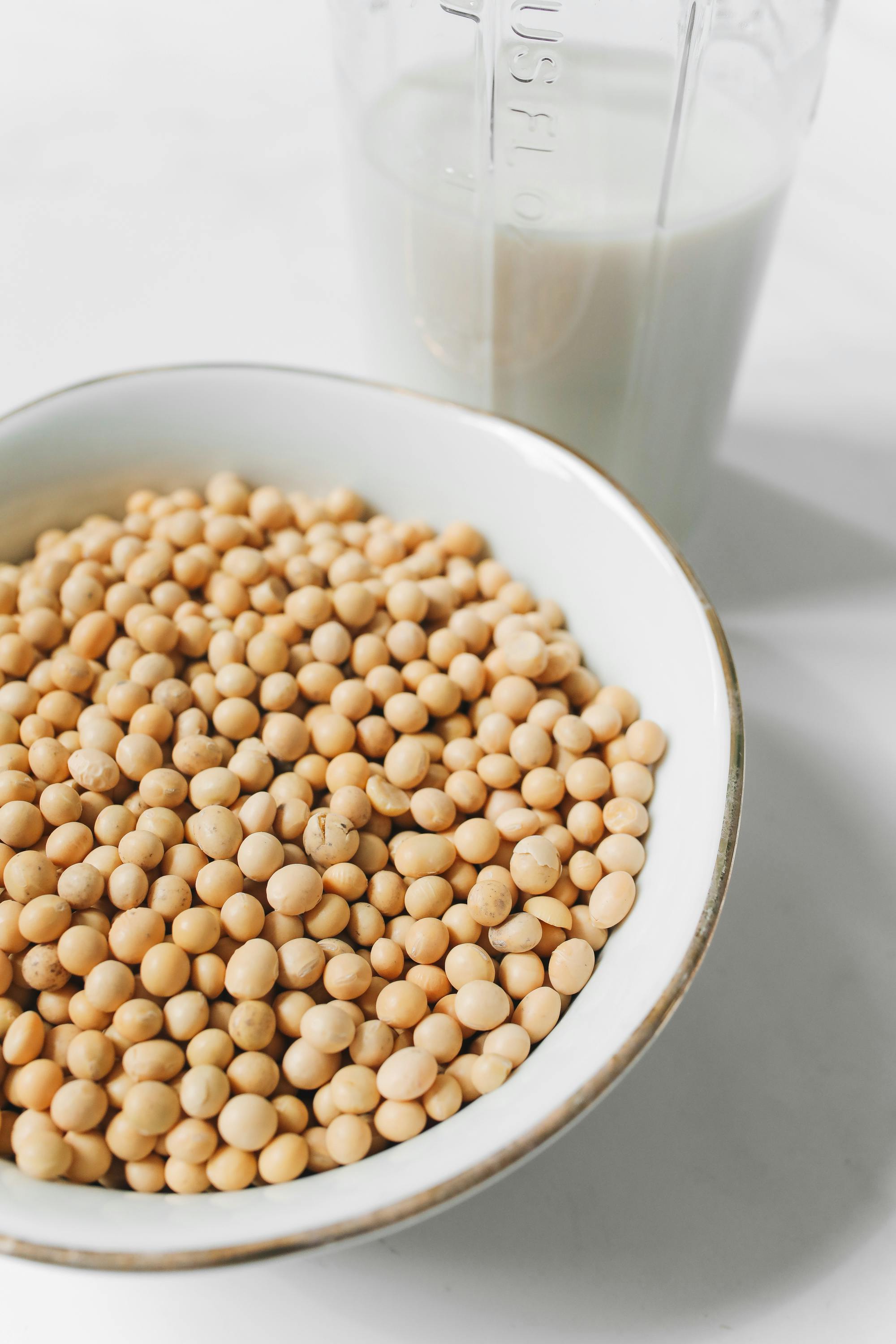
Kenya's agricultural sector, a cornerstone of its economy, faces multifaceted challenges. Rapid population growth, climate change, and dwindling arable land put immense pressure on food production systems. Conventional farming practices, characterized by intensive tillage and heavy reliance on chemical fertilizers and pesticides, have inadvertently contributed to soil degradation, biodiversity loss, and water pollution. Many smallholder farmers, who form the backbone of Kenyan agriculture, are caught in a cycle of declining productivity and increasing costs.
Soil fertility is a critical concern across many regions. Years of continuous cropping without adequate replenishment of organic matter and nutrients have left soils depleted and unproductive. This directly impacts maize yields, leading to food insecurity and reduced farmer incomes. The rising cost of imported synthetic fertilizers further exacerbates the financial burden on farmers, making traditional methods unsustainable in the long run.
However, a paradigm shift is underway. There is a growing recognition of the importance of sustainable agriculture and organic farming principles. Practices that enhance soil health, conserve water, and promote ecological balance are gaining traction. Agribusiness growth in Kenya is increasingly focusing on resilient and environmentally friendly solutions. The integration of nitrogen-fixing legumes into cropping systems is a prime example of such an innovation, offering a natural and cost-effective pathway to improved soil health and boosted yields. This approach aligns perfectly with global sustainability goals and Kenya's vision for a food-secure future.
Key Insights & Strategies: Mastering Maize-Legume Rotation for Peak Performance

Understanding the Power of Maize-Legume Rotation
The core principle behind maize-legume rotation lies in the symbiotic relationship between legumes and specific soil bacteria. These bacteria form nodules on legume roots, converting atmospheric nitrogen into a form usable by plants – a process known as biological nitrogen fixation. This natural fertilization mechanism significantly reduces the need for external nitrogen inputs, making it an economic and environmentally sound practice. Beyond nitrogen, legumes also improve soil structure, increase organic matter content, and enhance water infiltration.
When legumes are intercropped with maize, they not only provide nitrogen for their own growth but also make residual nitrogen available for subsequent maize crops. This leads to a healthier soil ecosystem, which is more resilient to pests and diseases. The improved soil health translates directly into higher maize yields, even in challenging conditions. The long-term benefits extend to reduced soil erosion and enhanced overall farm sustainability. For farmers committed to nurturing their land, understanding this fundamental interaction is the first step towards a profitable and eco-friendly future.
Selecting the Right Legumes for Your Farm: Desmodium & Cowpeas
Choosing the appropriate legume species is crucial for the success of your rotation system. Desmodium (e.g., Desmodium uncinatum or Desmodium intortum) is highly effective as a 'push-pull' intercrop, not only fixing nitrogen but also deterring stemborers and suppressing striga weed, a parasitic plant that devastates maize fields. Desmodium’s dense ground cover also helps conserve soil moisture. Cowpeas (Vigna unguiculata), on the other hand, are drought-tolerant and provide nutritious grain for human consumption or animal feed, offering an additional income stream. They are fast-growing and adapt well to various soil types in Kenya.
Consider your local climate, soil type, and specific farming goals when selecting. For instance, in drier regions, cowpeas might be more resilient, while desmodium offers excellent pest and weed control benefits. Consulting with local agricultural extension officers or fellow successful farmers can provide invaluable insights into the best varieties for your specific microclimate. Research from KARI (Kenya Agricultural and Livestock Research Organization) consistently supports the benefits of these legumes in Kenyan maize farming systems. To get started with understanding your soil's unique needs, consider investing in a reliable tool. Boost your yields with the MySoil Soil Test Kit – available on Amazon. Knowing your soil is the first step to truly sustainable practices.
Precise Planting Intervals and Intercropping Techniques
Successful maize-legume rotation requires meticulous planning of planting intervals. For intercropping, maize is typically planted first, followed by the legume after a short interval (e.g., 1-3 weeks). This staggered planting ensures that the legume does not compete excessively with young maize plants for light, water, and nutrients in the initial growth stages. The optimal spacing for both maize and the chosen legume must be determined to maximize complementarity and avoid competition. For example, planting desmodium between maize rows is a common and effective intercropping strategy.
When rotating, the legume crop (e.g., cowpeas for grain) is grown as a sole crop in one season, and maize is grown in the subsequent season. This allows the legume to build up soil nitrogen and organic matter, providing a nutrient-rich environment for the following maize crop. Farmers must also consider residue management; incorporating legume residues back into the soil after harvest is crucial for returning fixed nitrogen and organic matter. This practice enhances long-term soil health and fertility, creating a virtuous cycle. For those looking to further enhance soil fertility, consider the Wallace Organic Wonder, Soluble Humic & Fulvic Acid Powder – available on Amazon. It's a great organic solution for improving nutrient availability.
Integrated Pest Management in Rotation Systems
One of the significant advantages of maize-legume rotation is its inherent contribution to integrated pest management (IPM). Crop diversification disrupts pest life cycles and reduces the build-up of specific pests associated with continuous maize cultivation. For instance, desmodium in the 'push-pull' system attracts beneficial insects that prey on maize pests and emits chemicals that deter stemborers. Cowpeas, while susceptible to some pests, can be managed effectively through companion planting and timely intervention.
Farmers should monitor their fields regularly for signs of pests and diseases. Emphasis should be placed on biological control methods, such as encouraging natural predators, and using organic pesticides as a last resort. Healthy, diverse soil fostered by rotation also contributes to stronger, more resilient plants that are better able to withstand pest attacks. This holistic approach minimizes the need for synthetic chemical pesticides, protecting both the environment and the health of the farmers.
Explore sustainable organic farming solutions with Biofarm Kenya. Our partners offer a range of products and services to support your journey towards ecological and profitable agriculture.
Case Studies, Examples, & Comparisons: Realizing Success on Kenyan Farms
Across Kenya, numerous farmers are demonstrating the tangible benefits of maize-legume rotation. In Western Kenya, the 'push-pull' technology, primarily using desmodium intercropped with maize, has revolutionized pest control and boosted yields. Farmers adopting this system have reported significant reductions in stemborer infestations and near-elimination of striga weed, leading to yield increases of up to 80% compared to monocropping. This success is well-documented by institutions like the International Centre of Insect Physiology and Ecology (ICIPE), showcasing the scientific backing for these methods.
For example, Mr. John Ochieng, a smallholder farmer in Busia County, initially struggled with low maize yields due to rampant striga and stemborers. After adopting desmodium intercropping through a local agricultural initiative, he not only saw his maize yields double but also experienced a noticeable improvement in his soil's texture and water retention. The desmodium also provided valuable forage for his livestock, diversifying his farm's output.
Similarly, in semi-arid regions of Eastern Kenya, farmers experimenting with cowpea-maize rotation have observed enhanced drought resilience. When maize crops struggled during dry spells, the intercropped cowpeas often provided a harvest, ensuring some food security and income. The subsequent maize crops in these rotated fields benefited from improved soil nitrogen and moisture, resulting in more stable and higher yields over time. These real-world examples underscore the effectiveness of these controversial but evidence-backed practices in mitigating agricultural challenges and fostering sustainable livelihoods in Kenya. (Source: FAO, 'Sustainable Crop Intensification in Africa' reports, specific to East African initiatives). You can find more success stories and practical advice on Biofarm Kenya's success stories page.
Common Mistakes to Avoid: Pitfalls on the Path to Sustainable Maize Farming
Even with the best intentions, farmers can make mistakes that hinder the success of sustainable maize-legume rotations. One common error is ignoring soil testing. Without understanding your soil's existing nutrient profile, pH, and organic matter content, it's difficult to select the most appropriate legume species or accurately gauge the reduction in fertilizer needs. A simple soil test can save significant costs and optimize plant growth.
Another pitfall is incorrect planting intervals or spacing. Planting legumes too early or too close to maize can lead to excessive competition, diminishing maize yields rather than boosting them. Conversely, planting too late might prevent the legumes from establishing well and fixing sufficient nitrogen. Precision is key to maximizing the symbiotic benefits.
Farmers sometimes make the mistake of poor legume species selection, choosing a legume that is not well-suited to their local climate, soil type, or specific pest challenges. This can lead to disappointing results and reinforce skepticism about the practice. Researching and consulting local experts on adapted varieties is essential. Finally, over-reliance on synthetic inputs, even in a rotational system, can negate the benefits of nitrogen fixation. The goal is to gradually reduce chemical use as soil health improves, fostering a truly organic and self-sustaining system. For comprehensive guides on avoiding these mistakes, visit Biofarm Kenya's farming guides.
Expert Tips & Best Practices: Elevating Your Sustainable Farming Game
To truly excel in sustainable maize farming with legume rotation, embrace these expert tips and best practices. Firstly, prioritize long-term soil health management. This includes regular addition of organic matter through compost or well-rotted manure, alongside legume residue incorporation. Healthy soil is the foundation for resilient and productive crops. Consider using a good compost starter to accelerate the process. Maintain healthy soil with Organic Compost Starter Mix for robust microbial activity.
Secondly, implement effective water conservation techniques. Drip irrigation, rainwater harvesting, and mulching are vital in Kenya's often water-stressed environments. These methods ensure efficient water use, supporting both maize and legume growth, especially in drought-prone regions. A reliable drip irrigation system can make a significant difference. Install a Bonviee Drip Irrigation System – available on Amazon to ensure precise and efficient watering for your crops.
Thirdly, practice crop diversification beyond maize-legume rotation. Introduce other indigenous vegetables or drought-resistant crops to further enhance biodiversity, reduce pest pressure, and provide varied income streams. This also builds resilience against market fluctuations and climate shocks. Finally, continuously educate yourself through workshops, farmer field schools, and reliable agricultural resources. Knowledge is your most powerful tool in sustainable farming. For more in-depth advice and training, explore sustainable organic farming solutions with Biofarm Kenya and its network of experts. Additionally, our Biofarm Kenya webinars offer valuable insights.
Future Trends & Predictions: The Horizon of Sustainable Agriculture in Kenya
The future of sustainable agriculture in Kenya is bright, with exciting innovations on the horizon. We anticipate widespread adoption of smart irrigation systems, leveraging sensor technology and AI to precisely deliver water based on real-time crop needs and weather patterns. This will dramatically improve water-use efficiency, a critical factor in a water-stressed nation.
Vertical farming and controlled environment agriculture are also emerging as viable options, especially for urban and peri-urban areas, allowing for year-round production with minimal land and water footprint. While still in its nascent stages in Kenya, advancements in these areas promise to enhance food security and diversify agricultural output. Furthermore, AI-driven crop monitoring and precision agriculture tools are set to become more accessible. Drones equipped with hyperspectral cameras will provide farmers with detailed insights into plant health, nutrient deficiencies, and pest infestations, enabling targeted interventions and reducing waste.
Genomic research will continue to develop improved legume and maize varieties that are even more drought-tolerant, disease-resistant, and efficient at nitrogen fixation. The integration of mobile technology will empower farmers with instant access to market prices, weather forecasts, and best practice advisories. These trends, coupled with a growing consumer demand for organically produced food, will propel Kenyan agriculture towards a more resilient, efficient, and sustainable future. Stay informed on these advancements through Biofarm Kenya's innovation updates.
Conclusion: Sowing Seeds of Sustainability, Reaping Abundant Profits
The journey towards sustainable maize farming in Kenya, anchored by the maize-legume rotation, is not merely an agricultural shift; it's an investment in the future of our land, our communities, and our economy. By embracing practices like intercropping maize with nitrogen-fixing legumes such as desmodium and cowpeas, Kenyan farmers can fundamentally transform their operations. This evidence-backed approach offers a dual advantage: significantly boosting maize yields by 40-80% and drastically cutting fertilizer costs by 30-50%. It addresses the critical issues of soil depletion, climate change vulnerability, and economic sustainability head-on.
The benefits extend far beyond the immediate harvest. Long-term soil health, enhanced biodiversity, reduced environmental impact, and greater resilience to drought are the hallmarks of this sustainable revolution. While initial skepticism about short-term gains may exist, the accumulating data on long-term profitability and ecological stability provides a compelling case for widespread adoption. By meticulously planning planting intervals, selecting appropriate legume species, and adopting integrated pest management, farmers are not just growing crops; they are cultivating a legacy of prosperity for generations to come.
Empower your farm with the knowledge and tools needed for this transformation. Discover trusted organic farming tools on Amazon and learn more about sustainable solutions with Biofarm Kenya. Your path to a more profitable and sustainable future begins now.
FAQs: Your Questions on Sustainable Maize Farming Answered
Q1: What are the primary benefits of rotating maize with legumes?
A1: The primary benefits include natural nitrogen fixation by legumes, leading to a 30-50% reduction in synthetic fertilizer costs, increased maize yields by 40-80%, improved soil structure and organic matter, enhanced water retention, and reduced pest and weed pressure. These practices contribute to long-term soil health and farm profitability. (Source: ScienceDirect - The role of nitrogen fixation and crop N dynamics on performance...)
Q2: Which legumes are best suited for maize rotation in Kenya?
A2: Desmodium (e.g., Desmodium uncinatum or Desmodium intortum) and cowpeas (Vigna unguiculata) are highly recommended. Desmodium is excellent for pest and striga weed control, while cowpeas are drought-tolerant and provide an additional food source. Selection should be based on local climate, soil type, and specific farm challenges. (Source: NCBI - Maize-grain legume intercropping for enhanced resource use...)
Q3: How does maize-legume intercropping help with pest management?
A3: Intercropping creates a more diverse ecosystem that disrupts pest life cycles. For example, desmodium in the 'push-pull' system emits chemicals that repel stemborers ('push') and attracts their natural enemies ('pull'), significantly reducing pest damage without synthetic pesticides. This enhances the farm's overall ecological balance. (Source: ILRI - Cowpea living mulch for food security and soil health)
Q4: What role does soil testing play in sustainable maize farming?
A4: Soil testing is fundamental. It provides crucial data on nutrient levels, pH, and organic matter content, enabling farmers to make informed decisions about legume selection, planting intervals, and fertilizer needs. This precision agriculture approach optimizes resource use, minimizes waste, and ensures the rotation system is as effective as possible. (Source: Biofarm Kenya - Importance of Soil Testing)
Q5: Can sustainable farming methods increase profitability for Kenyan farmers?
A5: Absolutely. While initial skepticism may exist about short-term gains, sustainable methods like maize-legume rotation significantly reduce input costs (fertilizers, pesticides) and increase yields over the long term. This leads to higher net profits, improved soil fertility, and greater resilience against market and climate shocks, making farms more economically viable. (Source: Taylor & Francis Online - The advantages of intercropping to improve productivity...)
Q6: Where can farmers find more resources and support for sustainable maize farming in Kenya?
A6: Farmers can find extensive resources and support from organizations like KARI (Kenya Agricultural and Livestock Research Organization), local agricultural extension services, farmer cooperatives, and specialized platforms such as Biofarm Kenya. These bodies offer training, technical assistance, and access to improved seeds and sustainable farming technologies. (Source: Contact Biofarm Kenya for Support)
Further Reading & Resources:
- Kenya Agricultural and Livestock Research Organization (KARI)
- Food and Agriculture Organization of the United Nations (FAO) Kenya
- International Centre of Insect Physiology and Ecology (ICIPE)
- National Environment Management Authority (NEMA) Kenya
- Ministry of Agriculture & Livestock Development, Kenya
- Biofarm Kenya Blog: Latest Sustainable Farming Insights
- About Biofarm Kenya: Our Mission for Sustainable Agriculture
- Biofarm Kenya Products: Organic Solutions for Your Farm
- Biofarm Kenya Training Programs: Empowering Farmers
- Join the Biofarm Kenya Community


0 Comments