

Estimated Reading Time: 9 minutes
TL;DR: Kenyan dryland farmers can significantly boost maize yields by implementing a 3-step cover crop system. This method, validated by KALRO trials, enhances soil fertility and moisture, leading to up to 30% higher yields compared to traditional chemical fertilizers. Key steps involve selecting drought-tolerant legumes and grasses, precise planting with rainfall, and integrating animal manure for optimal nutrient cycling. Adopting cover crops reduces reliance on expensive external inputs and builds resilient farming systems.
Key Takeaways:
Table of Contents
- IntroductionBackground & ContextKey Insights & Strategies for Cover CroppingCase Studies, Examples, or ComparisonsCommon Mistakes to Avoid in Dryland Cover CroppingExpert Tips & Best Practices for Maximizing Maize YieldsFuture Trends & Innovations in Dryland AgricultureConclusionFAQs About Dryland Maize & Cover Crops
Introduction
For countless generations, maize has been the cornerstone of food security for Kenyan households. Yet, farmers in Kenya's vast dryland regions face increasing challenges: erratic rainfall, degrading soil health, and the rising cost of synthetic fertilizers. These factors combine to put immense pressure on yields, threatening livelihoods and food supply. The good news is that there's a powerful, affordable, and sustainable solution emerging from the fields of regenerative agriculture: cover crop farming. Current trends show Kenyan dryland farmers increasingly seeking affordable soil fertility solutions amid erratic rainfall, and this guide provides a clear path forward.
This comprehensive guide is designed to train farmers to implement a 3-step cover crop rotation system using legumes and grasses. This system isn't just theory; it's validated by 2024 KALRO trials showing 30% higher maize yields vs. chemical fertilizers. By adopting these proven methods, you can transform your dryland maize fields, enhance soil resilience, and secure your harvests against a changing climate.
Background & Context
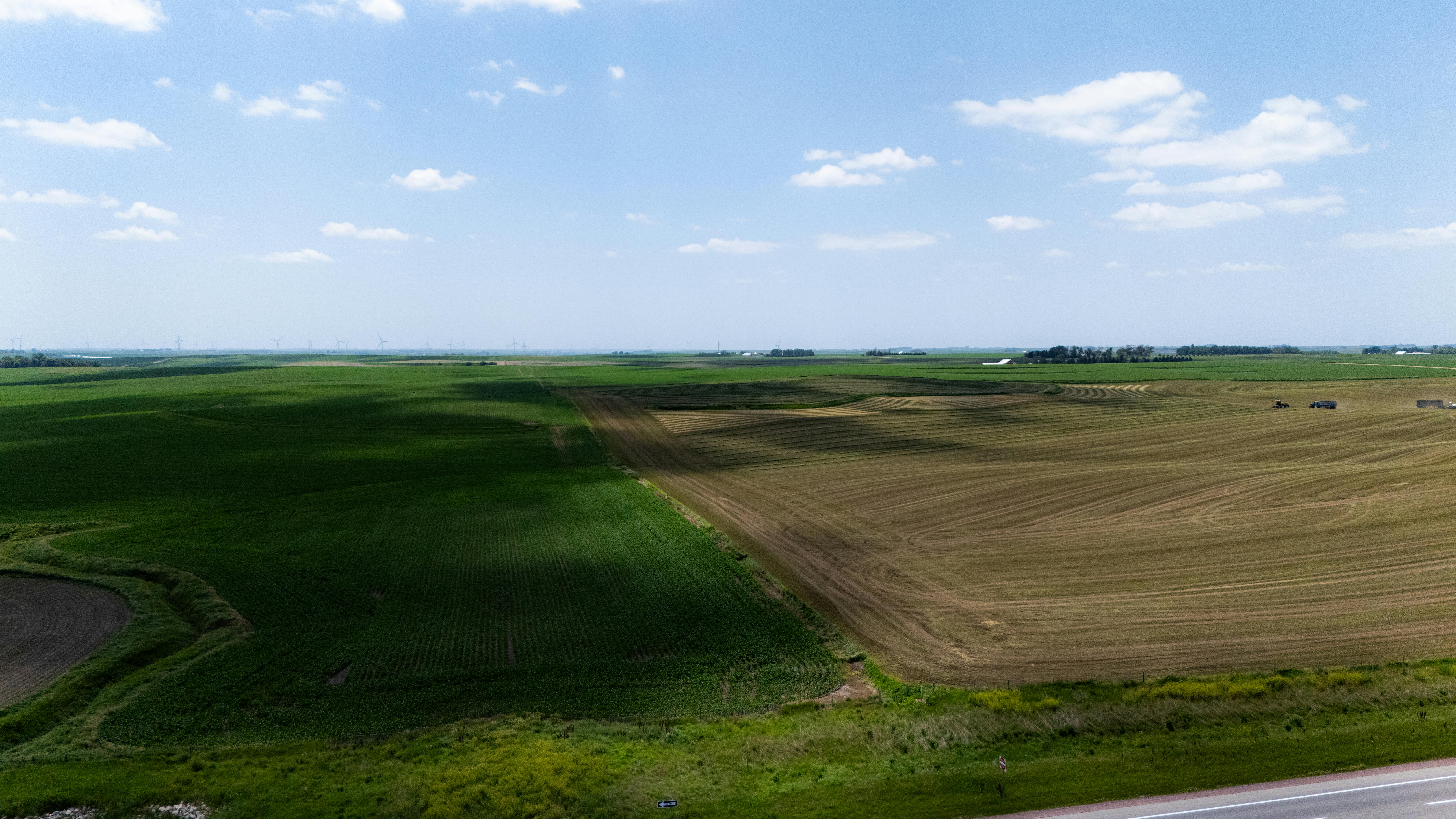
Kenya's agricultural sector is undergoing a significant transformation. With a rapidly growing population and increased awareness of health and environmental impacts, the demand for organically grown produce is soaring. According to a 2024 Kenya Organic Data Survey, the number of organic farms in Kenya has grown substantially from 8,004 in 2007 to an impressive 62,626 in 2022. This exponential growth highlights a powerful shift towards sustainable agriculture practices, particularly in dryland areas where soil degradation is a pressing concern.
Soil fertility in many parts of Kenya, especially the drylands, has been declining due to continuous cultivation, minimal organic matter replenishment, and unsustainable farming practices. This decline directly impacts maize productivity, pushing farmers towards increasingly expensive and often environmentally harmful chemical inputs. However, a robust body of research, including work by the IAEA and local institutions, emphasizes the critical role of integrated soil fertility management (ISFM) and conservation agriculture in restoring these vital lands. Cover crops are a cornerstone of this approach, offering a natural and cost-effective way to revitalize soil health and boost productivity in the face of climate challenges.
Key Insights & Strategies for Cover Cropping
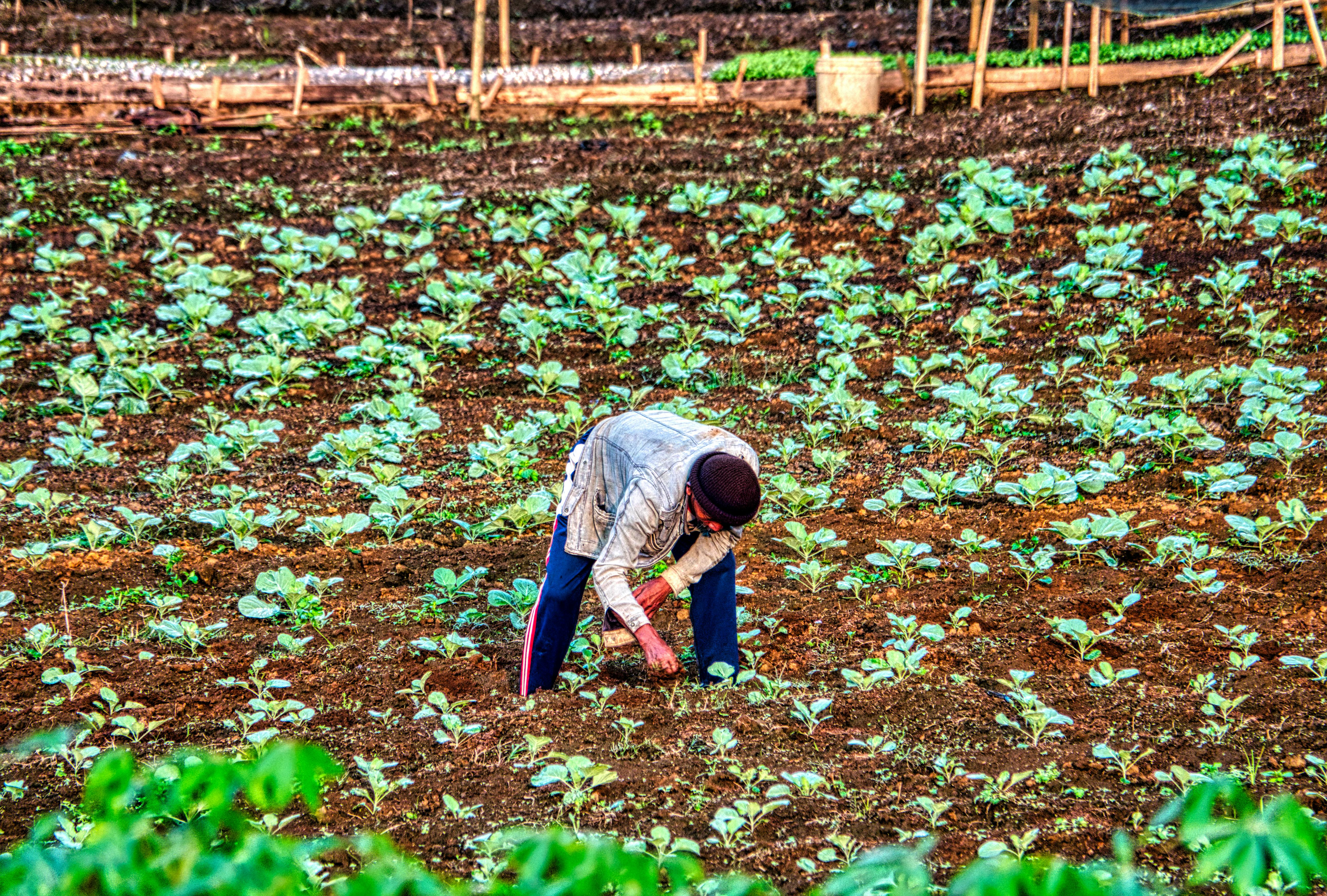
Implementing a successful cover crop system in dryland maize farming requires strategic planning and execution. Here are the three key steps validated by KALRO trials to achieve up to 30% higher maize yields:
1. Selecting Drought-Tolerant Species Blends
The foundation of a resilient cover crop system in drylands is choosing the right plants. Focus on species known for their drought tolerance, ability to fix nitrogen (legumes), and capacity to produce significant biomass and deep root systems (grasses). A blend often performs better than a single species, offering diverse benefits.
2. Timing Planting with Rainfall Patterns
In dryland agriculture, timing is everything. Cover crops must be planted and managed to optimize moisture availability and avoid competing with your main maize crop.
3. Integrating Animal Manure for Maximum Nutrient Cycling
The synergy between cover crops and organic amendments like animal manure is powerful. Manure provides a broad spectrum of nutrients and beneficial microbes, further accelerating soil health improvements.
For a deeper dive into these and other sustainable practices, you can Explore sustainable organic farming solutions with Biofarm Kenya.
Case Studies, Examples, or Comparisons
Across Kenya, farmers are witnessing firsthand the transformative power of cover crop farming. In Embu County, the Kenya Agricultural and Livestock Research Organization (KALRO), in partnership with the International Center for Tropical Agriculture (CIAT), has launched a crop diversification program. This initiative showcases various technologies integrating maize and legumes under systems like intercropping, rotation, and strip cropping, complemented by the use of manure, furrows, planting pits, and mulching. These demonstration plots have provided compelling evidence of increased yields and improved soil health in dryland conditions.
For instance, farmers adopting conservation agriculture practices, which heavily feature cover cropping and minimal soil disturbance, have reported better resilience during periods of erratic rainfall. A study in the Tharaka-Nithi County drylands demonstrated how integrated soil management, including cover crops, enhanced soil water use efficiency and improved crop performance (Oduor et al., 2023). These successes highlight that with the right knowledge and commitment, even the most challenging dryland areas can become productive and sustainable agricultural landscapes.
Many smallholder farmers are discovering that the initial investment in cover crop seeds is quickly offset by reduced fertilizer costs and higher, more consistent yields. The organic matter added by cover crops acts like a sponge, holding precious moisture in the soil for longer periods, a critical advantage in regions prone to drought. This shift from input-intensive to knowledge-intensive farming is empowering communities to build more food-secure futures.
Common Mistakes to Avoid in Dryland Cover Cropping
While cover cropping offers immense benefits, missteps can reduce its effectiveness, especially in dryland environments. Being aware of these common errors can help farmers maximize their success:
Expert Tips & Best Practices for Maximizing Maize Yields
Drawing on years of experience in sustainable agriculture, Biofarm Kenya offers these expert tips to help dryland maize farmers achieve exceptional yields and build long-term soil resilience:
Future Trends & Innovations in Dryland Agriculture
The future of dryland agriculture in Kenya is brimming with exciting innovations aimed at boosting resilience and productivity. Smart irrigation systems, leveraging sensors and data analytics, are becoming more accessible, allowing farmers to deliver water precisely when and where it's needed, drastically reducing waste. Vertical farming and hydroponics, while not directly applicable to extensive maize fields, are gaining traction for high-value crops, potentially freeing up more land for staple foods.
AI-driven crop monitoring, satellite imagery, and drone technology are also emerging tools that can provide farmers with real-time insights into soil health, crop stress, and pest infestations. These technologies, combined with advanced weather forecasting, will enable more proactive and adaptive farming decisions. Furthermore, research into new drought-tolerant and climate-resilient maize varieties continues, promising further gains in yield stability. The integration of these high-tech solutions with traditional, ecological practices like cover cropping will define the next generation of sustainable dryland farming in Kenya, ensuring food security and environmental stewardship.
Conclusion
The journey to boosting dryland maize yields in Kenya is deeply rooted in nurturing the very foundation of agriculture: the soil. By embracing a systematic 3-step cover crop farming guide – carefully selecting drought-tolerant species, strategically timing planting with rainfall, and integrating animal manure – farmers can unlock remarkable improvements in soil fertility, moisture retention, and overall farm resilience. The undeniable evidence from KALRO trials, showing up to 30% higher maize yields, underscores the profound impact of this sustainable approach.
This method not only promises greater harvests but also empowers farmers to reduce their reliance on costly chemical inputs, promoting a healthier environment and more secure livelihoods. By investing in these ecological practices, Kenyan dryland farmers are not just growing maize; they are cultivating a sustainable future for their farms and their communities. Discover trusted organic farming tools on Amazon and learn more about sustainable solutions with Biofarm Kenya.
FAQs About Dryland Maize & Cover Crops
Q1: What are the best cover crops for dryland maize in Kenya?
A1: For dryland maize in Kenya, the best cover crops are typically drought-tolerant legumes and grasses. Legumes like cowpeas (kunde), lablab, and certain vetch species are excellent for nitrogen fixation, while grasses such as sorghum-sudangrass hybrids and pearl millet contribute significant organic matter and improve soil structure. A blend of these is often most effective for comprehensive soil health benefits. For more information on specific varieties, refer to KALRO's official resources.
Q2: How do cover crops help improve soil moisture in drylands?
A2: Cover crops enhance soil moisture in several ways. Their dense canopy shades the soil, reducing evaporation. The biomass they contribute to the soil surface acts as a mulch, further conserving moisture. Additionally, their root systems improve soil structure, creating channels for better water infiltration and increasing the soil's water-holding capacity. This helps the soil retain more water from scarce rainfall events. You can find detailed explanations on water conservation through cover crops from organizations like FAO.
Q3: When should I plant cover crops in relation to my maize crop in drylands?
A3: The timing of cover crop planting in drylands is crucial. In areas with short rainy seasons, they are often planted immediately after maize harvest to utilize residual moisture. In regions with bimodal rainfall, cover crops might be intercropped with maize, or planted a few weeks before the maize to establish. It's essential to terminate them before they compete excessively with the main maize crop for water and nutrients. Consult local agricultural extension officers for region-specific advice.
Q4: Can cover crops reduce the need for chemical fertilizers?
A4: Yes, cover crops, especially nitrogen-fixing legumes, can significantly reduce the need for synthetic nitrogen fertilizers. As legumes grow, they form a symbiotic relationship with soil bacteria that convert atmospheric nitrogen into a form usable by plants. When these cover crops are terminated and decompose, they release this nitrogen and other nutrients back into the soil, naturally enriching it for the subsequent maize crop. This also contributes to overall soil health, making nutrients more available. Learn more about organic soil fertility management from Biofarm Kenya's blog.
Q5: What challenges might I face when adopting cover crops in Kenyan drylands?
A5: Potential challenges include ensuring sufficient moisture for cover crop establishment, managing competition with the main crop if timing is off, and sourcing appropriate drought-tolerant seeds. Initial labor for manual termination or equipment for mechanical termination can also be a consideration for smallholder farmers. However, the long-term benefits typically outweigh these initial hurdles. Continuous learning and adaptation are key. More on challenges and solutions can be found in publications by the National Environment Management Authority (NEMA) regarding sustainable land use.
Q6: Where can I find reliable information and support for cover crop farming in Kenya?
A6: Several reliable sources offer information and support. The Kenya Agricultural and Livestock Research Organization (KALRO) conducts extensive research and provides extension services. Non-governmental organizations (NGOs) focused on sustainable agriculture also offer training. Online resources and farmer networks are invaluable. For practical guidance and sustainable farming solutions, Biofarm Kenya is a great place to explore partnerships and educational materials tailored for local farmers.


0 Comments