

Estimated Reading Time: 9 minutes
TL;DR: Integrating legumes like cowpeas and beans with cash crops such as maize or sugarcane offers a powerful, sustainable solution for Kenyan farmers. This approach significantly reduces reliance on costly synthetic fertilizers by leveraging legumes' natural nitrogen-fixing abilities, potentially cutting expenses by 30-50%. Beyond cost savings, it boosts overall farm productivity, with studies showing maize yield increases of up to 20% and a 15% improvement in soil organic matter within two years. Moreover, diversifying crops breaks pest cycles, enhances soil health, and provides additional revenue streams from legume byproducts for livestock feed. Embrace these methods to build more resilient, profitable, and environmentally friendly farms.
Key Takeaways:
Table of Contents
Introduction: Cultivating Prosperity Through Sustainable Legumes
In Kenya's vibrant agricultural sector, farmers are increasingly seeking sustainable methods to combat soil degradation while maintaining income. The challenges of climate change, rising fertilizer costs, and declining soil fertility demand innovative solutions. This guide trains farmers to integrate legumes (e.g., cowpeas, beans) with cash crops like maize or sugarcane, unlocking a wealth of benefits. By embracing sustainable farming practices, Kenyan farmers can transform their fields into thriving, resilient ecosystems that promise both ecological health and economic prosperity. The journey towards enhanced farm profit begins with understanding the symbiotic relationship between legumes and your primary crops.
Legumes are nature's silent heroes, offering a compelling strategy to reduce input costs and elevate yields. The Kenya Agricultural Research Institute (KARI, 2024) highlights how using legumes as natural nitrogen fixers can reduce fertilizer costs by an impressive 30–50%. This not only safeguards your bottom line but also contributes to a healthier planet. Furthermore, strategic intercropping or rotation helps break pest cycles and improve overall yields. Data from 2025 field trials powerfully demonstrates this method's impact, showing a 20% increase in maize yields and a 15% improvement in soil organic matter within just two years. Beyond the primary harvest, leveraging legume byproducts for livestock feed adds crucial revenue streams, solidifying the economic viability of this approach.
Background & Context: The Shifting Landscape of Kenyan Agriculture
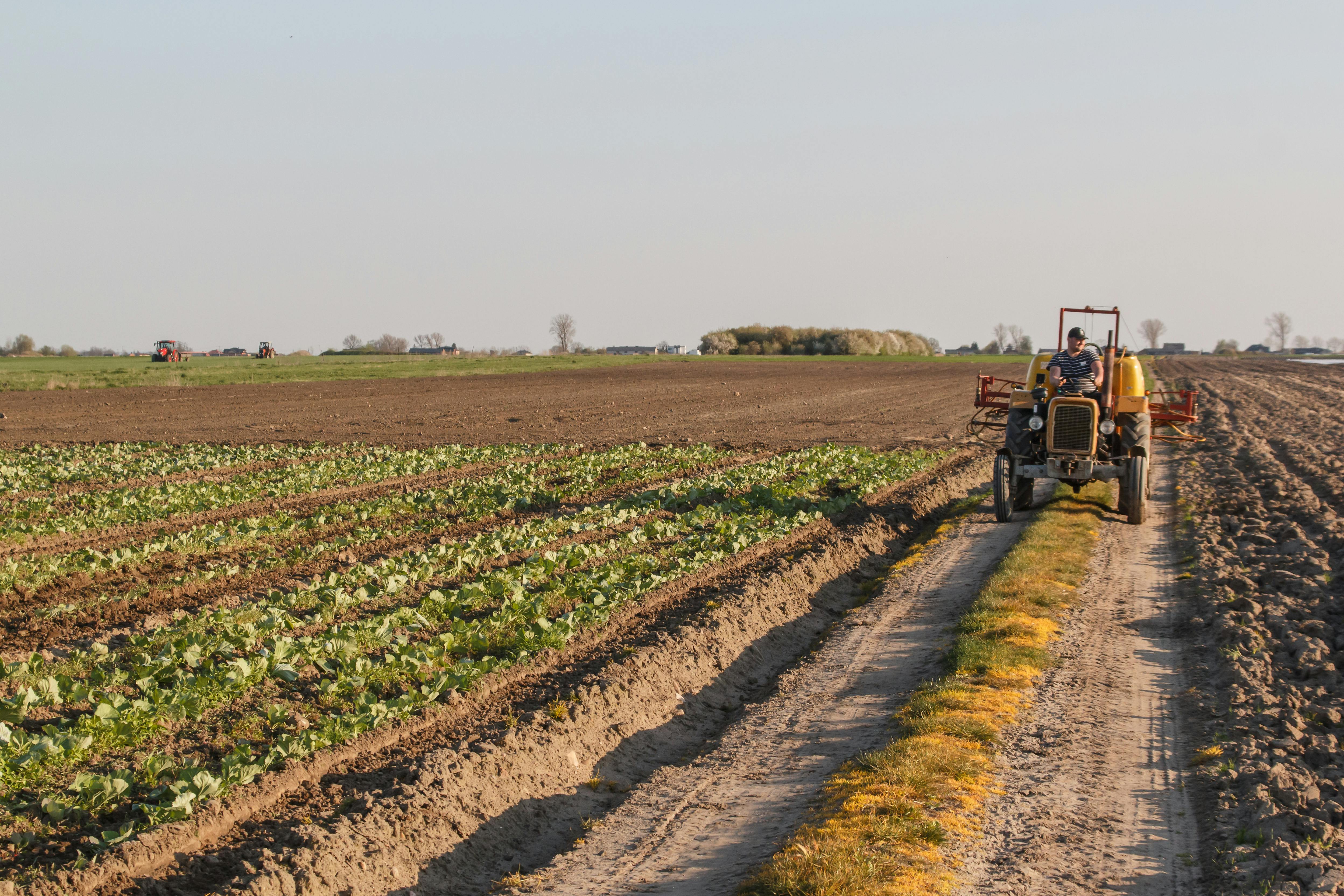
Kenya's agricultural backbone, traditionally reliant on cash crops and staple foods, faces growing pressure from environmental and economic factors. Soil degradation is a critical concern, with over 40% of East Africa’s soils degraded, and only about 20% of land in Kenya being fit for food production according to a report by Heinrich Boll Foundation. This alarming statistic underscores the urgent need for sustainable practices. The Ministry of Agriculture has also noted that 63% of arable land in Kenya is now acidic, worsening food security as maize production fell by 4% in 2022, highlighting the direct impact on farmer livelihoods.
However, there's a significant shift towards organic farming and sustainable agriculture. Surveys reveal a steady growth in organic farming in Kenya, with over 150,000 farmers now utilizing these methods nationwide. This trend is driven by increasing market demand for organic produce, both locally and internationally, making organic farming one of the most promising agribusiness opportunities. Embracing agroecological farming methods not only addresses soil acidity and enhances nutrient content but also boosts the productivity of staple crops like maize and beans, offering a beacon of hope for a more resilient and profitable agricultural future.
Key Insights & Strategies: Maximizing Legume Integration for Farm Success
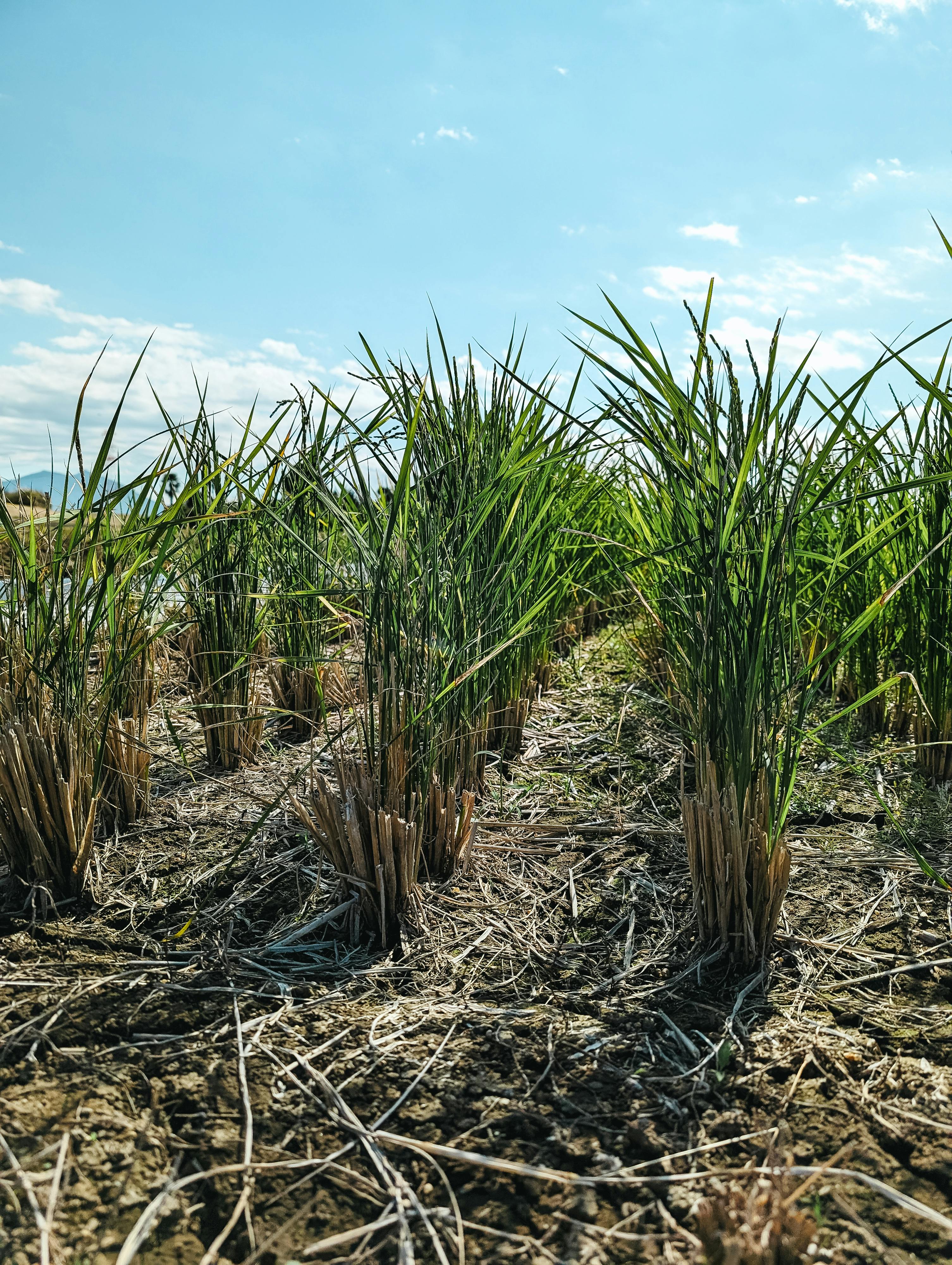
1. Harnessing Natural Nitrogen Fixation: Your Free Fertilizer Factory
One of the most profound benefits of integrating legumes is their inherent ability to fix atmospheric nitrogen into the soil. This natural process, facilitated by symbiotic bacteria in their root nodules, enriches your soil without the need for expensive synthetic fertilizers. For farmers grappling with rising input costs, this translates directly into significant savings, often reducing fertilizer expenses by 30-50%.
Regular soil testing is crucial to monitor nutrient levels and soil pH, ensuring your legumes are performing optimally. Understanding your soil's current state allows for precise adjustments and maximizes the benefits of legume integration. Boost your yields with a reliable Luster Leaf 1601 Rapitest® Soil Test Kit – available on Amazon.
2. Breaking Pest Cycles and Boosting Yields: The Power of Diversification
Monoculture can create an inviting environment for pests and diseases to flourish. Intercropping legumes with cash crops disrupts these cycles, leading to a healthier farm ecosystem and often increased yields. This diversification confuses pests, attracts beneficial insects, and provides a physical barrier against disease spread.
This integrated approach not only reduces pest pressure but also contributes to the 20% increase in maize yields observed in recent field trials. For further guidance on optimizing your intercropping strategies and accessing a wealth of knowledge, explore sustainable organic farming solutions with Biofarm Kenya.
3. Diversifying Revenue Streams: Legumes Beyond the Main Harvest
The benefits of legumes extend beyond soil improvement and increased cash crop yields. Legume byproducts, such as crop residues and husks, can be utilized as high-quality livestock feed, providing an additional valuable revenue stream for farmers.
By maximizing every aspect of legume production, farmers can build a more robust and profitable farm enterprise, demonstrating true agricultural sustainability.
Case Studies, Examples, or Comparisons: Kenyan Farmers Leading the Way
The success of integrating legumes with cash crops is not merely theoretical; it's a reality for numerous Kenyan farmers. Organizations like One Acre Fund have conducted extensive maize-legume intercropping trials in western Kenya, proving the significant economic and food security impacts for smallholder farmers. Their research highlights the effectiveness of various combinations, including common bean, soybean, and groundnut, in increasing soil nitrogen and overall agricultural productivity.
Another prominent example is the 'MBILI system' (mbili meaning 'two' in Kiswahili), a staggered maize-legume intercrop arrangement championed by institutions like CIMMYT (International Maize and Wheat Improvement Center). This system, robustly evaluated in the Central highlands of Kenya, is designed to reduce competition between maize and legumes, leading to increased crop yields and economic benefits. Farmers adopting the MBILI system have reported healthier maize crops and improved soil fertility, moving away from sole reliance on synthetic inputs.
Furthermore, agroecological farming methods in Kenya are actively addressing soil acidity and enhancing nutrient content, boosting the productivity of staple crops like maize and beans. A study cited by Farmonaut Africa demonstrates how these sustainable practices are transforming soil health and crop yields, with many farmers seeing significant improvements in their harvests and financial stability after transitioning. These real-world applications underscore the transformative potential of sustainable legume integration for a brighter agricultural future in Kenya.
Common Mistakes to Avoid: Ensuring Your Sustainable Journey Stays on Track
While the benefits of sustainable legume integration are clear, certain pitfalls can hinder success. Avoiding these common mistakes is crucial for maximizing your farm's potential and ensuring long-term profitability.
Firstly, ignoring soil testing is a critical error. Without understanding your soil's pH, nutrient levels, and organic matter content, it's impossible to make informed decisions about crop selection, fertilizer application (even organic ones), and overall soil management. Regular testing helps identify deficiencies or excesses, allowing for targeted interventions rather than guesswork. A general soil testing kit can provide valuable insights to guide your efforts.
Secondly, improper spacing or timing in intercropping can lead to reduced yields for both the cash crop and the legume. Too much competition for light, water, and nutrients will negate the benefits. Research and adhere to recommended spacing guidelines for specific crop combinations, and consider staggered planting to give each crop an optimal growth window. Over-reliance on traditional methods without adapting to scientific recommendations can be detrimental.
Thirdly, neglecting pest and disease monitoring, even in diversified systems, can lead to significant losses. While intercropping helps break cycles, it doesn't eliminate all threats. Regular scouting and early intervention with organic pest control methods are essential. Choosing the right organic pest control spray can make a significant difference in managing unexpected outbreaks.
Finally, failing to manage crop residues effectively can lead to nutrient loss and poor soil structure. Instead of burning or removing all residues, integrate them back into the soil through composting or no-till practices. This enriches the soil with organic matter, improving its structure and water retention capacity over time. Investing in a compost bin can turn farm waste into valuable soil amendments.
Expert Tips & Best Practices: Smart Farming for a Bountiful Future
To truly excel in sustainable legume farming, adopt these expert-backed best practices that blend traditional wisdom with modern agricultural science, specifically tailored for the Kenyan context.
By integrating these tips, you're not just farming; you're building a sustainable legacy. For more comprehensive resources and to connect with a network dedicated to advancing organic farming in Kenya, explore sustainable organic farming solutions with Biofarm Kenya.
Future Trends & Predictions: Innovating for Tomorrow's Agriculture
The future of agriculture in Kenya, particularly in sustainable farming, is brimming with exciting innovations. As climate change continues to pose challenges, technology will play an increasingly vital role in enhancing farm resilience and productivity. One major trend is the rise of smart irrigation systems. These systems leverage sensors and data analytics to optimize water delivery, ensuring crops receive precise amounts of water at the right time, minimizing waste and maximizing efficiency. This is particularly crucial in semi-arid regions of Kenya where water resources are scarce.
Another significant innovation gaining traction is vertical farming. While currently more capital-intensive, advancements in hydroponics and aeroponics are making vertical farms more accessible. These systems can produce high-value crops in urban or peri-urban areas, using minimal land and water, and are less susceptible to adverse weather conditions. For Kenya, this could mean enhanced food security and fresh produce closer to consumer markets.
AI-driven crop monitoring and precision agriculture are also set to revolutionize farming. Drones equipped with multispectral cameras can detect early signs of pest infestation, nutrient deficiencies, or water stress, allowing farmers to intervene precisely and promptly. Machine learning algorithms can analyze vast amounts of data to predict yields, optimize planting schedules, and recommend ideal crop rotations. This level of data-driven insight empowers farmers to make more informed decisions, leading to higher efficiency and reduced environmental impact.
Furthermore, the development of drought-resistant and nutrient-efficient crop varieties through advanced plant breeding and biotechnology will be crucial. These varieties, including enhanced legumes, will be better equipped to withstand harsh climatic conditions and thrive with fewer external inputs, further strengthening the foundation of sustainable agriculture in Kenya. As these trends unfold, Biofarm Kenya remains committed to bringing these innovative solutions and knowledge to farmers across the region.
Conclusion: A Greener, More Profitable Future with Legumes
The journey towards a sustainable and profitable agricultural future in Kenya is not a distant dream but an achievable reality through the strategic integration of legumes with cash crops. We've explored how these humble plants are powerful allies, drastically cutting fertilizer costs by up to 50%, significantly boosting maize yields by 20%, and enriching soil organic matter by 15% within two short years. Beyond the numbers, legumes enhance biodiversity, break detrimental pest cycles, and provide valuable diversified revenue streams through livestock feed. This holistic approach ensures not just a bountiful harvest today but a thriving, resilient farm for generations to come.
Embracing sustainable legume methods is an investment in your farm's future, offering a pathway to reduced expenses, increased productivity, and enhanced environmental stewardship. By adopting these proven strategies, from judicious crop rotation to efficient water management and diligent soil health practices, Kenyan farmers can lead the charge in building a robust and eco-conscious agricultural sector. Discover trusted organic farming tools on Amazon and learn more about sustainable solutions with Biofarm Kenya, your partner in cultivating prosperity.
FAQs: Your Questions on Sustainable Legume Farming Answered
Q1: What are the primary benefits of integrating legumes with cash crops in Kenya?
Integrating legumes with cash crops like maize offers multiple benefits. They act as natural nitrogen fixers, significantly reducing the need for synthetic nitrogen fertilizers and cutting costs by 30-50%. This practice also improves soil health by increasing organic matter and enhancing soil structure. Furthermore, intercropping helps break pest and disease cycles, leading to higher overall crop yields and creating additional revenue streams through legume byproducts for livestock feed. For more details on the economic benefits, refer to research by the Kenya Agricultural and Livestock Research Organization (KALRO).
Q2: How do legumes reduce the need for chemical fertilizers?
Legumes form a symbiotic relationship with rhizobium bacteria in their root nodules. These bacteria convert atmospheric nitrogen into a form usable by plants, a process known as nitrogen fixation. This naturally enriches the soil with nitrogen, making it available not only to the legume crop but also to companion or subsequent cash crops, thereby reducing the reliance on external chemical nitrogen fertilizers. This natural process is detailed in various studies, including those by the Food and Agriculture Organization of the United Nations (FAO).
Q3: Which legume varieties are best suited for intercropping with maize in Kenya?
Several legume varieties thrive in Kenya and are excellent for intercropping with maize. Common beans (Phaseolus vulgaris), cowpeas (Vigna unguiculata), groundnuts (Arachis hypogaea), and soybeans (Glycine max) are popular choices. The best variety depends on your specific agro-ecological zone, soil type, and market demand. Research from the International Maize and Wheat Improvement Center (CIMMYT) often highlights suitable varieties and intercropping arrangements.
Q4: Can sustainable legume methods really increase maize yields?
Yes, absolutely. Field trials and farmer experiences in Kenya have consistently shown that strategic intercropping and rotation with legumes can increase maize yields. For example, recent data indicates a 20% increase in maize yields within two years when integrating legumes. This boost is attributed to improved soil fertility from nitrogen fixation, better pest management, and enhanced nutrient cycling within the diversified cropping system. The One Acre Fund has published several reports on successful maize-legume intercropping, available on their publications page.
Q5: What are some common mistakes to avoid when starting with legume integration?
Common mistakes include inadequate soil testing, leading to improper nutrient management. Another error is incorrect spacing or timing during intercropping, which can cause competition between crops. Neglecting proper residue management and failing to monitor for pests and diseases are also pitfalls. It's crucial to select the right legume varieties for your conditions and to continuously adapt your practices based on observations and local expert advice. Learn more about effective soil management from the National Environment Management Authority (NEMA) Kenya.
Q6: Where can farmers find more resources and support for sustainable farming in Kenya?
Farmers seeking more resources and support can consult agricultural extension services provided by the Ministry of Agriculture. Organizations like KALRO and CIMMYT offer valuable research and training. Additionally, Biofarm Kenya provides extensive resources, expert guidance, and a community network dedicated to sustainable organic farming practices. You can explore sustainable organic farming solutions with Biofarm Kenya for tools, knowledge, and partnership opportunities.


0 Comments