

Estimated Reading Time: 15 minutes
TL;DR: Kenyan farmers can significantly enhance maize yields and climate resilience by adopting sustainable agroforestry practices. Integrating nitrogen-fixing trees like Faidherbia albida with maize improves soil fertility, conserves water, and increases productivity by up to 40% during droughts. This guide provides actionable steps for species selection, strategic tree spacing, and pruning to maximize benefits while avoiding common pitfalls. By embracing these methods, farmers contribute to environmental sustainability and secure their livelihoods amidst changing climatic conditions.
Key Takeaways:
- Integrate specific nitrogen-fixing tree species such as Faidherbia albida to naturally enrich soil and boost maize productivity.
- Optimize tree spacing and apply timely pruning techniques to prevent crop shading and ensure adequate light penetration for maize growth.
- Implement Integrated Soil Fertility Management (ISFM) by combining organic amendments with judicious fertilizer use for sustained soil health.
- Utilize modern tools like soil testing kits and efficient drip irrigation systems to make data-driven decisions and conserve resources.
- Engage with farmer field schools and agricultural extension services to gain practical knowledge and adapt agroforestry techniques to local conditions.
Table of Contents:
Introduction: Cultivating Resilience in Kenyan Maize Farming
Kenya's agricultural sector, the backbone of its economy, faces increasing challenges from climate change, including erratic rainfall and prolonged droughts. Farmers are actively seeking innovative solutions to ensure food security and enhance productivity. Recent data shows rising interest in climate-smart agroforestry practices among Kenyan farmers, offering a beacon of hope for sustained maize production. This guide trains farmers to integrate nitrogen-fixing trees (e.g., Faidherbia albida) with staple crops like maize, proven to increase soil fertility and water retention by 30%. This approach not only boosts yields but also builds resilience against environmental shocks.
Agroforestry, the intentional integration of trees and shrubs into crop and livestock farming systems, provides a multi-faceted solution. It revitalizes degraded soils, enhances biodiversity, and creates favorable microclimates. By strategically planting trees alongside maize, farmers can unlock significant benefits, moving towards a more sustainable and profitable agricultural future.
Background & Context: The Foundation of Sustainable Agriculture in Kenya
The need for sustainable agricultural practices in Kenya has never been more pressing. With a rapidly growing population and diminishing arable land, maximizing productivity while preserving natural resources is paramount. Traditional monoculture farming often depletes soil nutrients and leaves land vulnerable to erosion, especially under changing weather patterns.
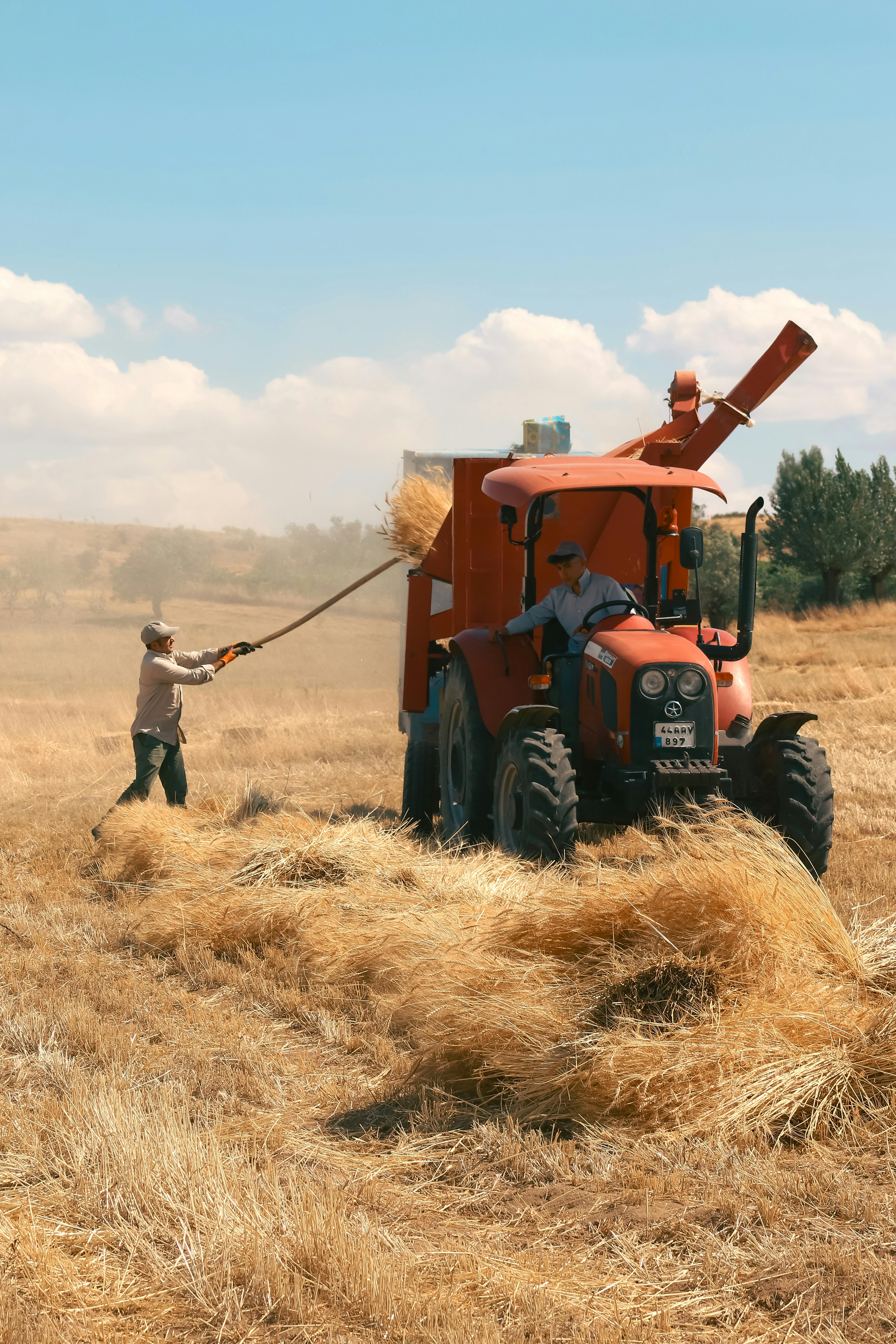
Organic farming practices, central to Biofarm Kenya's ethos, are gaining traction, with over 150,000 farmers nationwide now utilizing these methods. These approaches avoid synthetic pesticides and fertilizers, promoting healthier ecosystems and nutrient-rich produce. The growth in demand for organic produce, both locally and internationally, underscores the economic viability and environmental benefits of transitioning to sustainable systems. Agroforestry stands out as a key component of this shift, directly addressing issues of soil degradation and water scarcity that plague many smallholder farmers.
The integration of trees improves soil structure, enhances nutrient cycling, and provides shade, reducing moisture evaporation. These benefits are critical in regions prone to drought, offering a natural buffer against climate variability.
Key Insights & Strategies: Mastering Agroforestry for Maize
Implementing successful agroforestry systems for maize requires careful planning and execution. The goal is to create a symbiotic relationship where trees and crops mutually benefit, leading to enhanced productivity and ecosystem health.
1. Strategic Species Selection and Integration
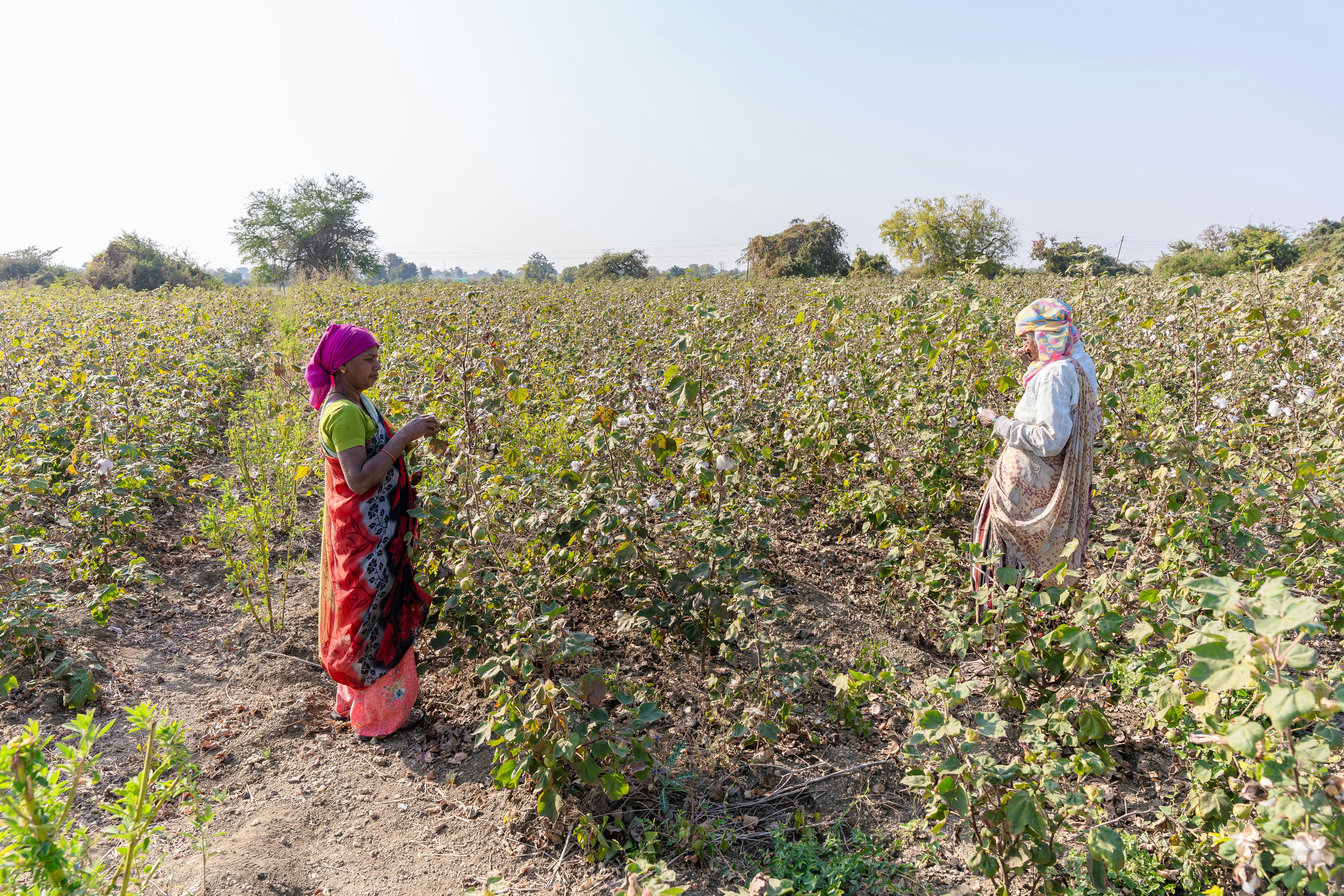
Choosing the right tree species is fundamental. Nitrogen-fixing trees, such as Faidherbia albida (commonly known as Apple-ring Acacia) and various Calliandra species, are ideal. These trees enrich the soil by converting atmospheric nitrogen into a usable form for crops, reducing the need for synthetic fertilizers. Faidherbia albida is particularly unique as it sheds its leaves during the rainy season when crops like maize are actively growing, minimizing shading and releasing nutrient-rich organic matter into the soil.
Actionable Steps:
To truly understand your soil's needs before planting, consider using a reliable Soil Test Kit – available on Amazon . This will provide crucial data on pH, nitrogen, phosphorus, and potassium levels, guiding your species selection and fertilization strategy.
2. Optimized Tree Spacing and Arrangement
Proper spacing is crucial to prevent competition for light, water, and nutrients. Trees should be planted far enough apart to allow sufficient sunlight for maize, yet close enough to provide microclimatic benefits and soil improvement.
Actionable Steps:
3. Pruning and Management Techniques
Regular pruning is essential to manage tree canopy size, allowing adequate light to reach the maize crop. It also encourages the decomposition of organic matter, further enriching the soil.
Actionable Steps:
To help in enriching your soil with organic matter, consider an Inground Worm Farm Compost Bin – available on Amazon . This tool efficiently converts kitchen waste and farm residues into nutrient-rich compost, supporting healthy soil ecosystems.
For those committed to robust and organic growth, Organic Plant Magic - Truly Organic™ Slow Release Granular Fertilizer can provide the sustained nutrients your maize needs for thriving alongside agroforestry trees.
Explore sustainable organic farming solutions with Biofarm Kenya for more expert guidance and resources on these practices.
Case Studies: Real-World Success in Kenyan Agroforestry
Across Kenya, numerous smallholder farmers are demonstrating the transformative power of agroforestry. These success stories provide tangible evidence of increased yields, improved livelihoods, and enhanced environmental sustainability.
In Western Kenya, farmers who adopted improved fallows with nitrogen-fixing trees saw remarkable increases in maize yields. A study cited by ICRAF (International Centre for Research in Agroforestry) in 2003 reported that maize yields following improved fallows averaged 4.1 tons per hectare, significantly higher than the 1.7 tons per hectare from non-fertilized plots continuously planted with maize. This demonstrates a substantial boost in productivity directly attributable to agroforestry interventions.
Another compelling example comes from the ongoing efforts to promote Evergreen Agriculture in Eastern Africa. This approach, heavily reliant on agroforestry, emphasizes the continuous presence of a tree cover. A 2025 study by ILRI (International Livestock Research Institute) found farms using this method saw 40% higher maize yields during droughts compared to monoculture plots. This resilience against adverse climatic conditions is a critical benefit for Kenyan farmers, securing their food supply and income even in challenging years.
These examples underscore that agroforestry is not just an ecological ideal but a practical, economically beneficial strategy for smallholder farmers. The benefits extend beyond yield increases to improved soil health, reduced reliance on external inputs, and greater household food security.
Common Mistakes to Avoid in Agroforestry Adoption
While agroforestry offers immense potential, certain missteps can hinder its success. Being aware of these common errors can help farmers avoid setbacks and achieve optimal results.
Expert Tips & Best Practices for Maximizing Agroforestry Benefits
To truly harness the power of agroforestry, Kenyan farmers can integrate several best practices and leverage appropriate tools. These tips aim to optimize yield, enhance sustainability, and improve farm resilience.
1. Integrate Soil Fertility Management (ISFM): Combine the organic matter from agroforestry trees with judicious use of both organic and, where necessary, minimal inorganic fertilizers. This integrated approach ensures a balanced nutrient supply. Regularly replenish soil organic matter through cover crops, crop residues, and compost. For those seeking sustained organic nourishment for their crops, consider a Truly Organic™ Slow Release Granular Fertilizer – available on Amazon .
2. Water Harvesting and Conservation: Implement rainwater harvesting techniques, such as constructing small check dams or terraces, especially on sloped land. Trees themselves help reduce runoff and increase water infiltration. For efficient water delivery directly to the root zone, consider investing in a Drip Irrigation Kit for Small Farms – available on Amazon . This significantly reduces water waste and ensures consistent moisture for your maize.
3. Pest and Disease Management: A diverse agroforestry system often creates a more balanced ecosystem, which can naturally reduce pest outbreaks. Encourage beneficial insects by planting a variety of flowering plants around your farm. Monitor crops regularly and use organic pest control methods when necessary.
4. Continuous Learning and Adaptation: Participate in farmer field schools (FFS) and engage with agricultural extension services. These platforms offer invaluable opportunities to learn from peers and experts, adapt practices to local conditions, and stay updated on new agroforestry techniques.
5. Record Keeping: Maintain detailed records of planting dates, tree growth, maize yields, rainfall, and any challenges encountered. This data is invaluable for assessing what works best on your farm and for making informed decisions for future seasons.
For further resources and partnerships in sustainable agriculture, explore sustainable organic farming solutions with Biofarm Kenya .
Future Trends or Predictions
The future of sustainable agriculture in Kenya is brimming with potential, driven by technological advancements and a growing commitment to climate resilience. Agroforestry will continue to evolve, integrating cutting-edge innovations to maximize its impact.
Smart Irrigation Systems: Beyond basic drip irrigation, future systems will incorporate sensors that monitor soil moisture, weather forecasts, and crop needs, automatically delivering precise amounts of water. This hyper-efficient approach will be crucial in a water-scarce environment.
AI-Driven Crop Monitoring: Artificial intelligence and machine learning will enable farmers to predict pest outbreaks, nutrient deficiencies, and optimal harvesting times with unprecedented accuracy. Drones equipped with multispectral cameras will provide detailed insights into crop health, allowing for proactive interventions.
Vertical Farming and Controlled Environment Agriculture: While perhaps not directly related to traditional maize agroforestry, these technologies will play a role in urban food security and high-value crop production, reducing pressure on rural agricultural land and potentially freeing up space for more extensive agroforestry systems.
Enhanced Carbon Sequestration: Agroforestry's role in carbon farming will gain prominence, potentially offering farmers new income streams through carbon credit markets. This will incentivize the adoption of tree-based farming systems on a larger scale.
These trends point towards a future where technology and ecological principles converge, making Kenyan agriculture not just sustainable, but also highly productive, resilient, and economically rewarding.
Conclusion: A Greener, More Productive Future for Kenyan Maize
The journey towards boosting Kenyan maize yields with sustainable agroforestry is a testament to innovation, resilience, and a deep respect for the land. By strategically integrating nitrogen-fixing trees like Faidherbia albida with maize, farmers are not merely planting trees; they are cultivating a legacy of enhanced soil fertility, improved water retention, and significantly higher yields, even in the face of climate change. The evidence is clear: from a 30% increase in soil health indicators to a remarkable 40% rise in maize production during droughts, agroforestry is a game-changer for food security and farmer livelihoods in Kenya.
Embracing this climate-smart approach requires a commitment to informed practices—from careful species selection and optimal tree spacing to diligent pruning and integrated soil management. It also means leveraging modern tools and knowledge, continuously learning, and adapting to local conditions. The future of Kenyan agriculture is intertwined with these sustainable practices, promising a greener, more bountiful harvest for generations to come.
Discover trusted organic farming tools on Amazon and learn more about sustainable solutions with Biofarm Kenya .
FAQs: Your Agroforestry Questions Answered
Understanding agroforestry can sometimes raise specific questions. Here are answers to some frequently asked questions, providing further clarity and guidance for Kenyan farmers.
1. What are the primary benefits of integrating Faidherbia albida with maize?
Faidherbia albida is unique because it sheds its leaves during the growing season, acting as a 'reverse-foliage' tree. This enriches the soil with nitrogen and organic matter, improves water retention, and provides shade to livestock without competing with maize for sunlight. This leads to increased maize yields, especially in dry periods. Learn more from World Agroforestry (ICRAF).
2. How much can agroforestry increase maize yields in Kenya?
Studies have shown significant yield increases. For instance, farms using integrated nitrogen-fixing trees have reported 30-40% higher maize yields, particularly during drought years, compared to conventional monoculture plots. This resilience makes agroforestry a vital strategy for food security. Refer to ILRI research for detailed studies.
3. What are the best practices for pruning agroforestry trees to avoid crop shading?
Pruning should be strategic and timely. Begin with formative pruning to shape young trees for upright growth. Annually, before the maize planting season, trim lower branches and those extending significantly over crop areas to ensure adequate light penetration. Pruning also provides biomass for mulch. Find guidelines on tree management from FAO.
4. How do I determine the right tree species for my specific farm in Kenya?
Species selection depends on your local climate, soil type, and specific farming objectives. Nitrogen-fixing trees like Faidherbia albida, Calliandra, and Gliricidia are generally recommended for maize agroforestry. Consult your local agricultural extension officer or Biofarm Kenya partners for tailored advice based on your region's agro-ecological zone.
5. Is agroforestry only for large farms, or can smallholder farmers implement it?
Agroforestry is highly adaptable and can be implemented effectively on farms of all sizes, including smallholder plots. Techniques like alley cropping, boundary planting, and scattered tree integration are well-suited for small areas, offering substantial benefits without requiring extensive land modifications. See NEMA resources on sustainable land management.
6. What are some common challenges in adopting agroforestry in Kenya, and how can they be overcome?
Challenges include initial establishment costs, potential competition between trees and crops if not managed well, and a knowledge gap among farmers. These can be overcome through access to affordable seedlings, robust farmer training programs, and demonstration farms that showcase successful practices. Collaboration with organizations like Biofarm Kenya can provide vital support. Explore Biofarm Kenya's resources for support and training.


0 Comments