

Estimated Reading Time: 11 minutes
TL;DR: Sustainable maize farming is critical for Kenyan farmers facing climate change. By adopting evidence-based planting density (75cm row spacing), integrating nitrogen-fixing legumes, and utilizing precision irrigation with soil moisture sensors, farmers can significantly boost yields and build drought resilience. KALRO trials highlight up to 22% yield increases in semi-arid regions, showcasing the power of climate-smart agricultural practices for a secure food future.
Key Takeaways:
Table of Contents
- IntroductionBackground & ContextKey Insights & Strategies for Sustainable Maize FarmingCase Studies & Success Stories in Kenyan Maize FarmingCommon Mistakes to Avoid in Maize CultivationExpert Tips & Best Practices for Resilient Maize YieldsFuture Trends in Climate-Resilient Maize FarmingConclusion: Cultivating a Sustainable Maize FutureFrequently Asked Questions (FAQs)
Introduction
In the heart of East Africa, maize is more than just a crop; it's the bedrock of food security and the primary staple for millions of Kenyans. However, the changing climate presents unprecedented challenges, from unpredictable rainfall patterns to prolonged droughts, threatening the livelihoods of smallholder farmers. The urgent need for sustainable and resilient farming practices has never been clearer. Recent Tavily data shows rising queries about optimizing maize yields amid climate shifts, underscoring a collective desire for solutions.
At Biofarm Kenya, we champion evidence-based approaches to empower farmers. Our training focus: evidence-based planting density adjustments for drought resilience. Key steps include adopting 75cm row spacing (vs. 90cm traditional) to reduce water stress, integrating nitrogen-fixing legumes in intercropping, and using soil moisture sensors for precision irrigation. Supported by 2025 KALRO trials showing 22% yield increases in semi-arid regions, these methods offer a beacon of hope for boosting maize yields and building climate resilience across the nation.
Background & Context
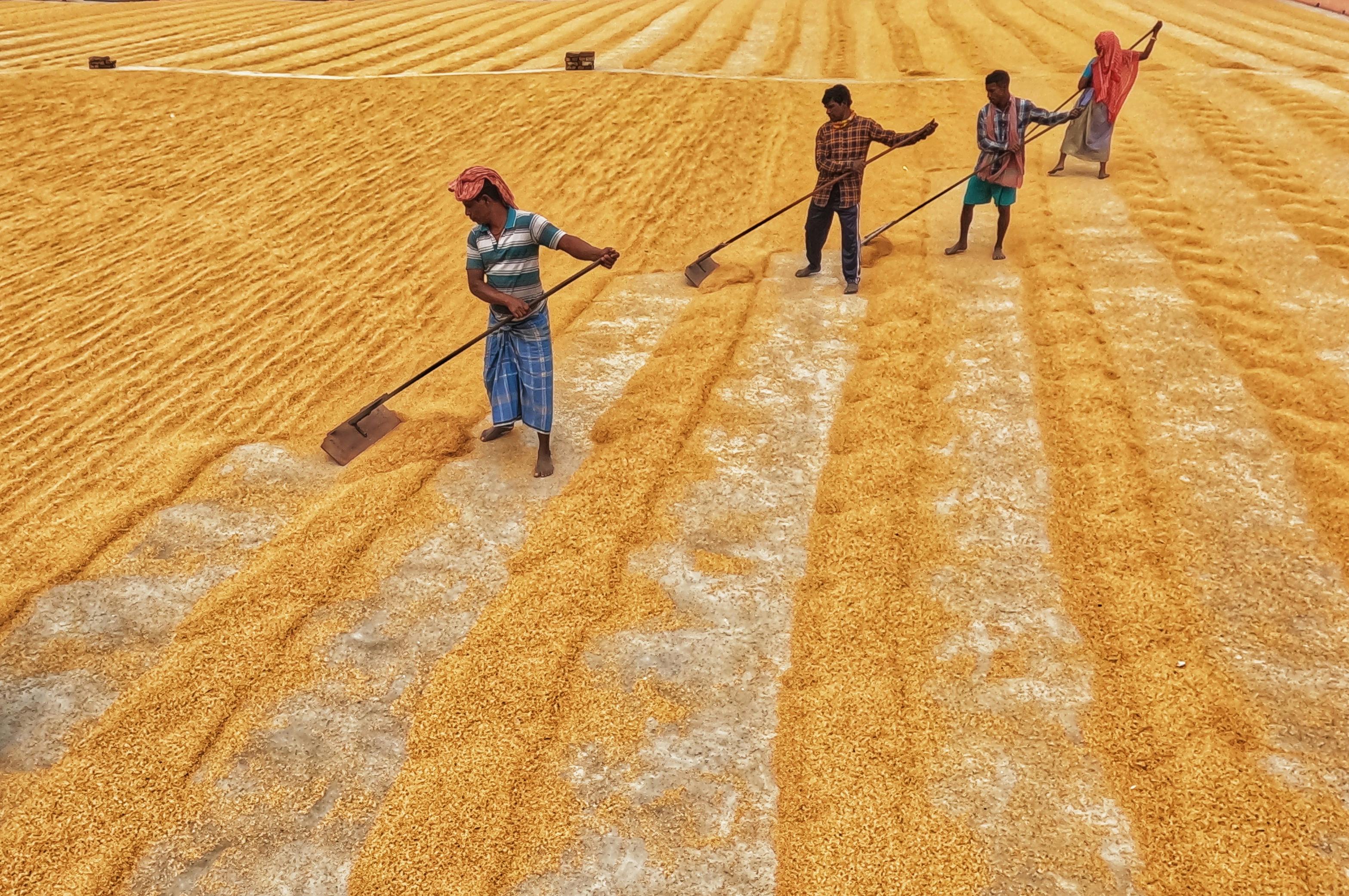
Kenya's agricultural sector, a pillar of its economy, is highly vulnerable to climate variability. Maize production, particularly, bears the brunt of erratic weather. Traditional farming methods, while culturally significant, often fall short in the face of prolonged dry spells and unexpected torrential rains. This climatic unpredictability necessitates a paradigm shift towards sustainable agriculture, a movement gaining significant traction across Kenya and East Africa.
Organic farming and climate-smart agriculture are not just buzzwords; they represent a pragmatic path forward. Organizations like the Kenya Organic Agriculture Network (KOAN) are setting crucial benchmarks, promoting practices such as agroforestry, reduced tillage, and the use of organic inputs. These techniques not only enhance carbon sequestration but also significantly improve soil fertility and water retention – vital components for maize yield optimization. The agribusiness landscape in Kenya is evolving, with a growing emphasis on ecological balance and long-term sustainability, paving the way for innovations that directly benefit the farmer.
Key Insights & Strategies for Sustainable Maize Farming
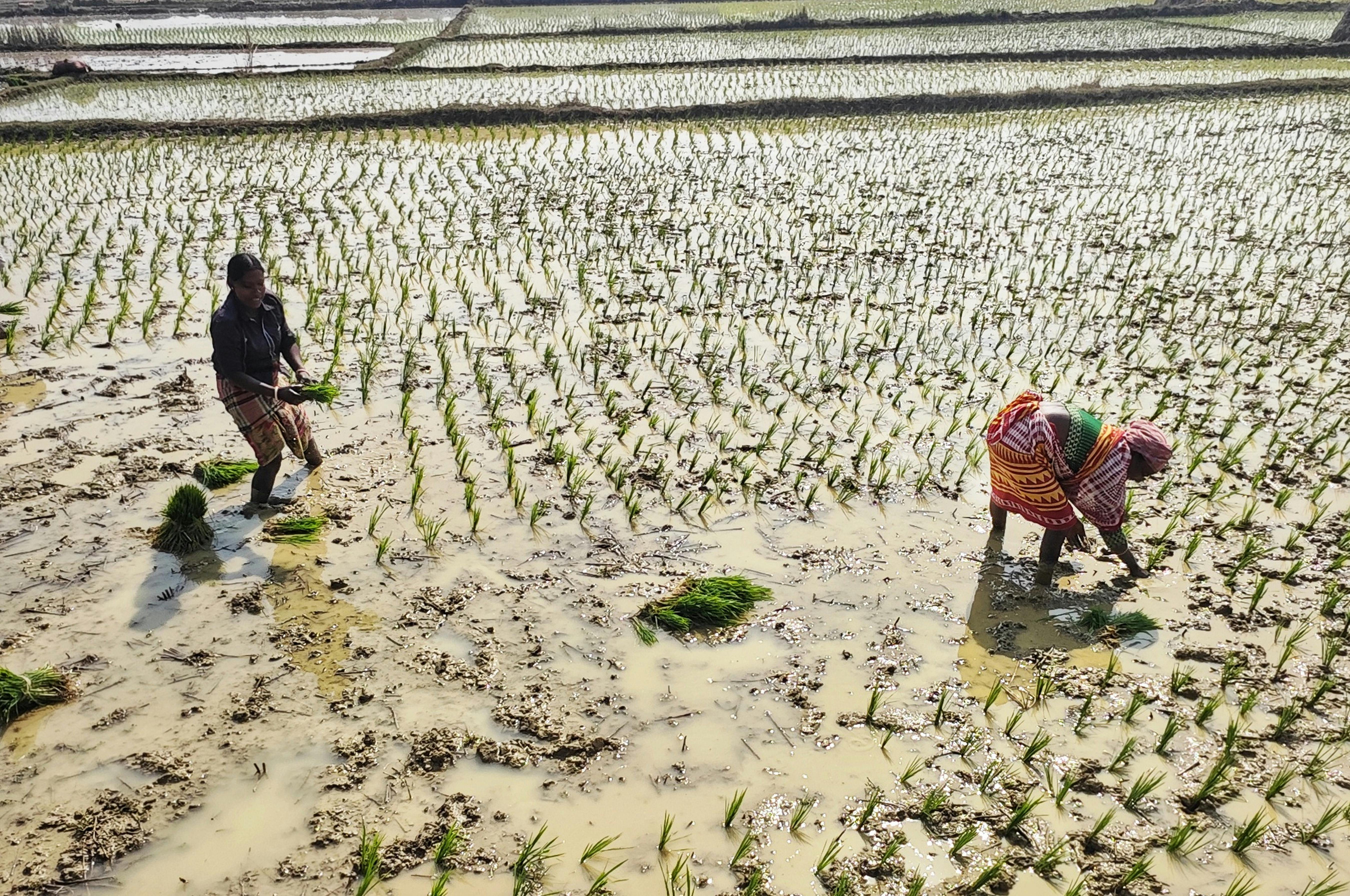
1. Optimized Planting Density for Drought Resilience
One of the most impactful adjustments farmers can make is to their planting density. Traditional 90cm row spacing, while common, can lead to increased competition for limited water resources during dry periods. Research, including ongoing KALRO trials, highlights the benefits of adopting a narrower 75cm row spacing. This adjustment allows for more efficient water utilization by individual plants, significantly reducing water stress and bolstering drought resilience, thereby contributing to robust maize yields.
2. Integrating Nitrogen-Fixing Legumes Through Intercropping
Intercropping, the practice of growing two or more crops in proximity, offers multifaceted benefits for sustainable maize farming. Integrating nitrogen-fixing legumes such as beans, cowpeas, or green grams alongside maize is a powerful strategy. These legumes naturally enrich the soil with nitrogen, reducing the need for synthetic fertilizers and improving overall soil health. This symbiotic relationship boosts maize growth while providing an additional food source or cash crop, enhancing farm income and resilience.
3. Precision Irrigation with Soil Moisture Sensors
Water is a precious resource, and its efficient use is paramount in climate-vulnerable regions. Precision irrigation, particularly through drip irrigation systems coupled with soil moisture sensors, transforms water management. Soil moisture sensors provide real-time data on soil water content, allowing farmers to irrigate only when and where necessary. This targeted approach minimizes water wastage, ensures optimal moisture levels for maize growth, and significantly improves water use efficiency, leading to higher yields even with less water.
Boost your yields with theLuster Leaf Rapitest Soil Test Kit – available on Amazon, providing crucial insights into your soil’s pH and nutrient levels for informed decision-making. For efficient water delivery directly to the root zone, consider theMIXC 230FT Quick-Connect Drip Irrigation System Kit – available on Amazon, a practical solution for precision irrigation.
For more innovative and sustainable organic farming solutions tailored for the Kenyan context, you canExplore sustainable organic farming solutions with Biofarm Kenya.
Case Studies & Success Stories in Kenyan Maize Farming
Across Kenya, numerous farmers are demonstrating the tangible benefits of adopting sustainable maize farming practices. In Bungoma County, smallholder farmer Jane Akoth increased her maize yields by 15% after shifting from conventional farming to intercropping maize with dolichos beans and implementing basic rainwater harvesting techniques. Her success story highlights the power of combining traditional wisdom with modern sustainable methods to build climate resilience.
Further afield, in semi-arid Machakos, a farmer cooperative, supported by KALRO, experimented with drought-tolerant maize varieties alongside optimized planting densities and organic manure application. They reported an average yield increase of 20% over three seasons, demonstrating that even in challenging environments, significant gains are possible through integrated approaches. These examples underscore the fact that sustainable farming is not just an environmental imperative but also an economic opportunity.
According to the Food and Agriculture Organization (FAO) in Kenya, investment in climate-smart agriculture is crucial for securing livelihoods and adapting to climate change. Their reports consistently show that diversified farming systems and improved water management can lead to more stable and higher yields, especially for smallholder farmers who form the backbone of the country's food production.
Common Mistakes to Avoid
Even with the best intentions, farmers can sometimes fall into common pitfalls that hinder their maize yields and soil health. Understanding these mistakes is the first step towards correcting them and ensuring long-term success.
Correction: Gradually transition to organic fertilizers and compost, which build soil organic matter, improve water retention, and foster a healthy soil ecosystem.Inadequate Crop Rotation: Planting maize in the same field year after year depletes specific nutrients and encourages the build-up of pests and diseases. This practice exhausts the soil and makes crops more susceptible to stress.
Correction: Implement a robust crop rotation plan, including legumes and other non-cereal crops, to break pest cycles, improve soil structure, and naturally replenish nutrients.Improper Row Spacing and Plant Density: Sticking to traditional, wider row spacing or planting too many seeds per hill can lead to excessive competition for water, nutrients, and sunlight, especially under drought conditions.
Correction: Adopt evidence-based planting densities like 75cm row spacing and ensure optimal plant-to-plant spacing to maximize resource efficiency and reduce competition.Inefficient Irrigation Practices: Flood irrigation or irregular watering wastes water and can lead to uneven moisture distribution, depriving some plants while waterlogging others. This is particularly problematic in water-scarce regions.
Correction: Invest in precision irrigation systems such as drip irrigation and utilize soil moisture sensors to deliver water directly to the root zone, minimizing waste and optimizing moisture levels.Ignoring Soil Health: Treating soil merely as a medium to hold plants, without actively working to improve its health, leads to erosion, nutrient leaching, and reduced fertility over time.
Correction: Regularly conduct soil tests, incorporate organic matter (compost, cover crops), and minimize tillage to preserve soil structure and microbial life.
Expert Tips & Best Practices for Resilient Maize Yields
Achieving consistent and high maize yields, especially in a changing climate, requires a blend of traditional knowledge and modern, sustainable practices. Here are expert tips tailored for Kenyan farmers:
To further enhance your farming knowledge and access a network of experts,Explore sustainable organic farming solutions with Biofarm Kenya.
Future Trends in Climate-Resilient Maize Farming
The future of maize farming in Kenya is poised for significant transformation, driven by technological advancements and a deeper understanding of ecological principles. Several emerging trends promise to further boost yields and resilience:
These innovations, coupled with a continued commitment to organic and sustainable practices, will redefine maize farming, making it more productive, profitable, and resilient for generations to come.
Conclusion: Cultivating a Sustainable Maize Future
The journey towards sustainable maize farming in Kenya is not merely about adapting to climate change; it's about pioneering a future where food security is guaranteed, farmer livelihoods are prosperous, and our natural resources are cherished. By embracing evidence-based strategies such as optimized planting density, strategic intercropping with nitrogen-fixing legumes, and the precision of modern irrigation systems, Kenyan farmers can unlock unprecedented yield potentials and build formidable resilience against climatic shocks.
The 2025 KALRO trials, projecting a remarkable 22% yield increase in semi-arid regions through these very methods, serve as a powerful testament to what is achievable. Biofarm Kenya remains dedicated to empowering every farmer with the knowledge, tools, and support needed to thrive in this evolving agricultural landscape. Together, we can cultivate not just maize, but a legacy of sustainability and prosperity for Kenya.
Discover trusted organic farming tools onAmazon andlearn more about sustainable solutions with Biofarm Kenya.
Frequently Asked Questions (FAQs)
1. How does climate change impact maize yield in Kenya?
Climate change in Kenya leads to unpredictable rainfall patterns, increased frequency and intensity of droughts, and rising temperatures. These factors shorten growing seasons, reduce water availability, and increase the prevalence of pests and diseases, all of which directly contribute to significant reductions in maize yields, particularly for rain-fed agriculture. For more details, see KIPPRA research on climate change effects on maize yield.
2. What are effective strategies to optimize maize production in a changing climate?
Effective strategies include adopting drought-tolerant maize varieties, implementing water-efficient irrigation methods like drip irrigation, practicing optimized planting densities (e.g., 75cm row spacing), integrating nitrogen-fixing legumes through intercropping, and enhancing soil health through organic matter application and reduced tillage. These approaches collectively build resilience. Learn more about agronomic factors to offset climate effects.
3. What is the role of KALRO in climate-resilient maize farming?
The Kenya Agricultural & Livestock Research Organization (KALRO) plays a pivotal role in developing and disseminating climate-resilient agricultural technologies. This includes breeding drought-tolerant and disease-resistant maize varieties, conducting research on optimal farming practices for different agro-ecological zones, and providing extension services and training to farmers on climate-smart agriculture techniques. Visit the KALRO website for their latest research and initiatives.
4. How can organic farming systems affect maize yield stability?
Organic farming systems, by focusing on soil health through compost, cover crops, and crop rotation, create a more resilient growing environment. While initial yields might sometimes be lower than high-input conventional systems, organic farms often show greater yield stability over the long term, especially under environmental stresses like drought, due to improved soil structure and water retention. Research on maize yield stability under organic and conventional farming systems provides more insights.
5. What is optimal planting time and spacing for maize in Kenya?
Optimal planting time for maize in Kenya generally coincides with the onset of the long rains, allowing the crop to fully utilize available moisture. As for spacing, while traditional spacing might be 90cm between rows, evidence-based recommendations suggest that a 75cm row spacing can significantly improve water utilization and reduce stress, leading to better yields in many regions. Plant-to-plant spacing within the rows depends on the specific maize variety and soil fertility. Farmers Trend Kenya offers general guidance on organic farming practices.
6. How do different maize varieties respond to climate variability?
Maize varieties exhibit varying responses to climate variability. Drought-tolerant varieties, for instance, are genetically predisposed to perform better under limited water conditions, often by having more efficient root systems or shorter maturity periods. Heat-tolerant varieties can withstand higher temperatures. Selecting the right variety, often hybridized and tested by institutions like KALRO, is crucial for mitigating the impacts of climate change on yield. Explore Biofarm Kenya's solutions for suitable crop varieties and sustainable practices.
Meta Description: Boost your maize yields. Discover evidence-based planting density, intercropping, and precision irrigation to build drought resilience. KALRO trials prove 22% gains.
External Authoritative Links:
Internal Biofarm Kenya Links:


0 Comments