

Estimated Reading Time: 9-10 minutes
Key Takeaways:
Introduction
In Kenya, the agricultural sector, the backbone of the economy, faces significant challenges from soil depletion and escalating input costs. These pressures threaten the livelihoods of countless smallholder farmers and the nation's food security. However, a powerful solution is emerging from sustainable farming practices: the strategic implementation of crop rotation with legumes. Kenyan farmers are increasingly seeking strategies to combat soil depletion and rising input costs. Training on crop rotation with legumes addresses these needs by enhancing soil fertility naturally through nitrogen fixation and breaking pest cycles. This method promises not only to reverse environmental damage but also to deliver substantial economic benefits.
By embracing sustainable agriculture, farmers can cultivate healthier, more productive land for generations. This article explores how these practices, particularly legume crop rotation, are revolutionizing farming in Kenya, boosting crop yields, and significantly lowering operational expenses. We delve into practical strategies, real-world examples, and expert advice to help you transition towards a more resilient and profitable farming future.
Background & Context
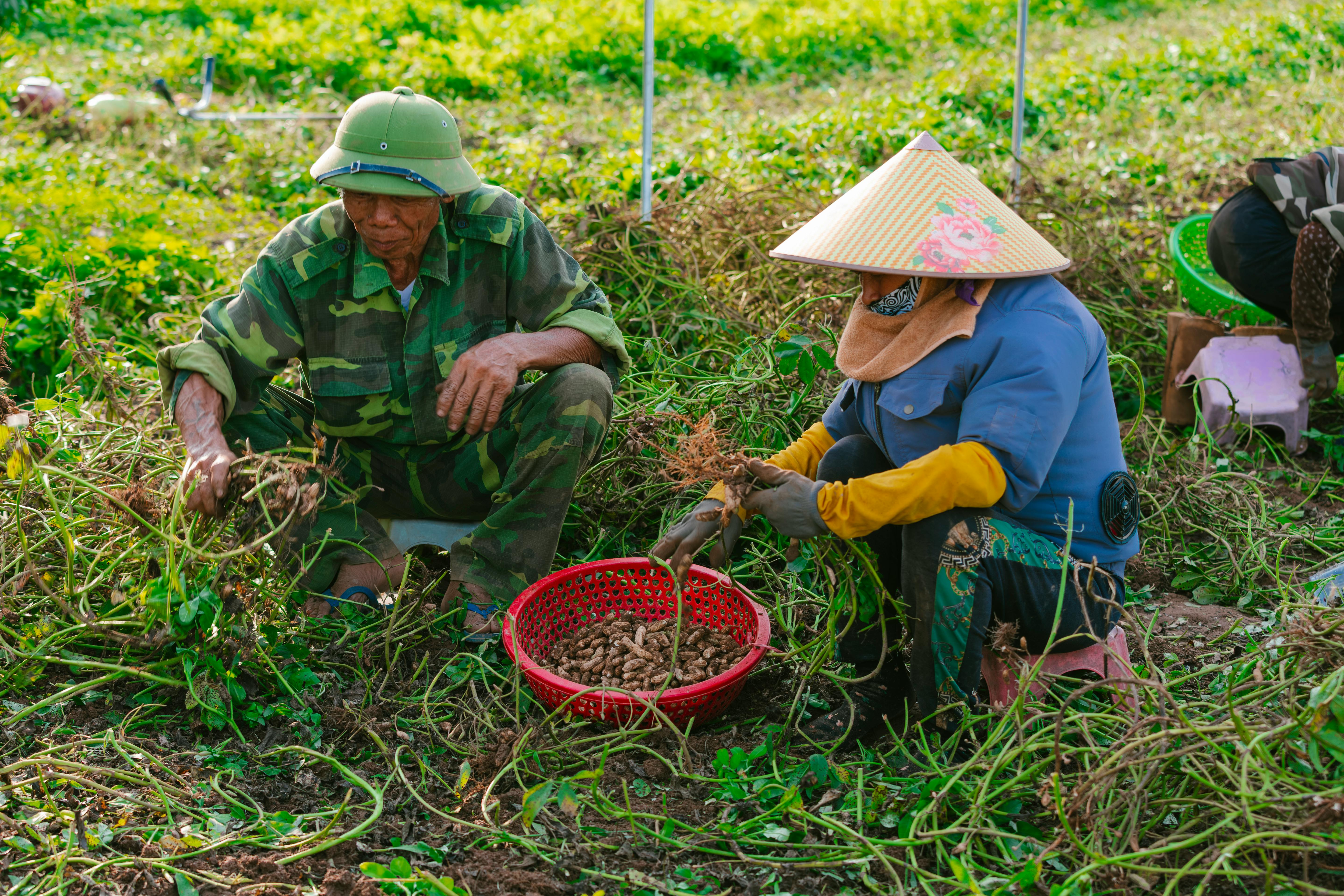
Kenya's agricultural landscape is characterized by diverse farming systems, yet many struggle with declining soil fertility. Conventional farming, often reliant on monoculture and chemical fertilizers, has inadvertently contributed to this crisis. According to the World Resources Institute, over 30% of Kenya's agricultural land is degraded, impacting crop productivity and exacerbating food insecurity. The Ministry of Agriculture also reports that 63% of arable land in Kenya is now acidic, directly affecting the yields of staple crops like maize.
However, there's a growing movement towards organic and sustainable agriculture, driven by a desire for healthier produce, environmental stewardship, and reduced input costs. This shift is vital for the sustainability of agribusiness in Kenya and East Africa. Practices that prioritize soil health, such as organic farming, are gaining traction, offering a pathway to rejuvenate degraded land and build climate resilience. The focus is on ecological balance, natural resource conservation, and economic viability for smallholder farmers.
Key Insights or Strategies for Sustainable Farming

The Power of Legume Crop Rotation
Legumes are nature's fertilizer factories. They form a symbiotic relationship with beneficial bacteria in their root nodules, converting atmospheric nitrogen into a form usable by plants – a process known as nitrogen fixation. This natural enrichment significantly reduces the need for costly synthetic nitrogen fertilizers. Beyond nitrogen, legumes improve soil structure, add organic matter, and help break disease and pest cycles common in monoculture systems.
Integrated Nutrient Management
Sustainable farming goes beyond just crop rotation. It involves a holistic approach to soil health. This includes using organic manure, compost, and bio-fertilizers alongside judicious application of mineral fertilizers based on soil test results.
To delve deeper into these and other effective strategies, explore sustainable organic farming solutions with Biofarm Kenya.
Case Studies, Examples, or Comparisons
The benefits of legume crop rotation are not just theoretical; they are backed by compelling evidence from field trials in Western Kenya and across the region. Evidence from a 2025 Jomo Kenyatta University study shows farms using legume rotations saw 34% higher maize yields and 22% lower fertilizer use compared to monoculture plots. This remarkable improvement underscores the economic and environmental advantages of moving away from traditional monoculture reliance.
Successful Kenyan farmers are increasingly adopting these practices. For instance, in regions like Busia and Kakamega, smallholder farmers who transitioned from continuous maize cultivation to maize-bean or maize-cowpea rotations have reported visible improvements in soil health, reduced pest outbreaks, and, most importantly, significantly increased yields and incomes. These farmers demonstrate that sustainable agriculture is not a compromise but a powerful enhancement to productivity.
Comparing these outcomes with conventional monoculture reliance, which often leads to depleted soils and a greater dependency on external, expensive inputs, highlights the profound shift that sustainable practices offer. The Food and Agriculture Organization (FAO) advocates for such diversified cropping systems as a cornerstone of food security and resilient agricultural systems in sub-Saharan Africa. (Source: FAO). These innovations are creating a more sustainable and profitable future for Kenyan agriculture.
Common Mistakes to Avoid in Sustainable Farming
While the transition to sustainable farming is rewarding, farmers can encounter pitfalls. Awareness of these common mistakes and how to correct them is crucial for success.
Expert Tips & Best Practices
For Kenyan farmers looking to maximize yields and minimize costs through sustainable methods, these expert tips can guide your journey:
For personalized guidance and access to cutting-edge sustainable solutions, explore sustainable organic farming solutions with Biofarm Kenya.
Future Trends & Predictions in Kenyan Agriculture
The future of farming in Kenya is bright, with innovation poised to drive unprecedented growth and sustainability. Several exciting trends are on the horizon, promising to further boost crop yields and lower costs.
These advancements, combined with a strong foundation in sustainable practices, will transform Kenyan agriculture into a highly efficient, resilient, and environmentally friendly sector.
Conclusion
Sustainable farming is not merely an alternative; it is the imperative future for agriculture in Kenya. By embracing practices like legume crop rotation, farmers can effectively combat soil depletion, significantly reduce reliance on expensive chemical inputs, and achieve impressive boosts in crop yields. The evidence is clear: healthy soil begets bountiful harvests and a healthier planet. This approach not only safeguards our environment but also ensures the economic viability and long-term food security of the nation.
The journey towards sustainable agriculture is a collaborative one, requiring knowledge, dedication, and the right tools. By integrating natural processes, adopting innovative technologies, and fostering community support, Kenyan farmers are poised to lead a revolution in food production. Continue your journey towards a thriving farm by discovering trusted organic farming tools on Amazon and learn more about sustainable solutions with Biofarm Kenya.
Frequently Asked Questions (FAQs)
What are the primary benefits of legume crop rotation for Kenyan farmers?
Legume crop rotation offers multiple benefits, including natural nitrogen fixation, which reduces the need for synthetic fertilizers. It also improves soil structure, enhances organic matter content, suppresses weeds, and breaks the life cycles of pests and diseases, leading to increased yields and reduced input costs. (Source: FAO)
How does sustainable farming help combat soil depletion in Kenya?
Sustainable farming practices such as minimum tillage, cover cropping, mulching with crop residues, and the addition of organic matter (compost, manure) directly contribute to building soil health. These methods enhance soil structure, increase water retention, prevent erosion, and foster a rich microbial ecosystem, reversing the effects of soil depletion. (Source: World Resources Institute)
What are some common organic fertilizers available to Kenyan farmers?
Common organic fertilizers in Kenya include farmyard manure, compost, bio-slurry from biogas digesters, and plant-based concoctions. These provide a slow release of nutrients, improve soil structure, and support beneficial soil microorganisms. Access to local resources and training, often facilitated by organizations like Biofarm Kenya, can help farmers produce and utilize these effectively. (Source: Biofarm Kenya)
How can drip irrigation systems improve crop yields and lower costs?
Drip irrigation delivers water directly to the root zone of plants, minimizing water loss due to evaporation and runoff. This precision watering ensures optimal moisture levels for plant growth, reduces water consumption, lowers energy costs associated with pumping, and prevents nutrient leaching, ultimately leading to higher yields and more efficient resource use. (Source: Ministry of Agriculture, Livestock, Fisheries and Co-operatives, Kenya)
What role do soil testing kits play in sustainable agriculture?
Soil testing kits are invaluable tools in sustainable agriculture as they provide accurate information on soil pH, nutrient levels (nitrogen, phosphorus, potassium), and organic matter content. This data allows farmers to make informed decisions about crop selection, the precise amount of fertilizer needed, and necessary soil amendments, preventing over-application and ensuring efficient nutrient management. (Source: NEMA Kenya)
Where can Kenyan farmers find training and resources on sustainable farming?
Kenyan farmers can access training and resources from various sources, including agricultural extension services from the Ministry of Agriculture, local NGOs, community-based organizations, and academic institutions like Jomo Kenyatta University of Agriculture and Technology (JKUAT). Organizations like Biofarm Kenya also offer valuable partnerships and support for transitioning to sustainable organic farming. (Source: Jomo Kenyatta University of Agriculture and Technology)


0 Comments