

Estimated Reading Time: 15 minutes
TL;DR: Organic pest control offers Kenyan smallholder farmers a sustainable and cost-effective alternative to chemical pesticides. Implementing strategies like neem-based biopesticides, intercropping, and homemade solutions can significantly reduce pest damage and chemical costs, leading to healthier crops and increased farm profitability. This shift promotes ecological balance, farmer resilience, and aligns with global sustainable agriculture trends, empowering farmers to cultivate thriving farms with minimal environmental impact.
Key Takeaways:
- Embrace neem-based biopesticides for effective and safe control of common pests, drastically reducing reliance on harmful chemicals.
- Integrate intercropping strategies, such as the 'push-pull' method, to naturally repel pests and enhance biodiversity on your farm.
- Utilize readily available local ingredients like garlic, chili, and soap to formulate cost-effective homemade pest deterrents.
- Regularly monitor your crops to identify pest issues early, allowing for targeted and timely organic interventions.
- Invest in foundational practices like soil health management and crop rotation to build a robust and resilient farming system resistant to pests.
Table of Contents
- Introduction
- Background & Context
- Key Insights or Strategies
- Case Studies, Examples, or Comparisons
- Common Mistakes to Avoid
- Expert Tips or Best Practices
- Future Trends or Predictions
- Conclusion
- FAQs
Introduction
The journey towards sustainable agriculture in Kenya is more critical now than ever before. With escalating costs of synthetic inputs and growing awareness of environmental health, Kenyan smallholder farmers are increasingly seeking alternatives to chemical pesticides due to rising costs and environmental concerns. The reliance on expensive and often hazardous chemical solutions has presented a significant challenge, impacting both farmers' livelihoods and the delicate ecological balance of our farmlands. This comprehensive guide shines a light on proven, evidence-based organic pest control methods that not only protect your crops but also foster a healthier, more sustainable farming ecosystem.
Discover proven organic pest control for Kenyan farms. Reduce pest damage by 37% & save 40% on chemical costs with neem, intercropping & homemade sprays. Boost farm sustainability! This training focuses on evidence-based organic pest control methods, including neem-based biopesticides and intercropping with repellant plants. We'll delve into key steps like identifying pest-prone crops (e.g., beans, tomatoes) for targeted organic treatments, using locally-sourced materials (garlic, chili, soap) to create cost-effective spray solutions, and implementing trap crops like marigolds to divert pests. A 2024 study by the Kenya Agricultural and Livestock Research Organization (KALRO) found farms using these methods reduced pest damage by 37% while saving 40% on chemical costs, underscoring the profound benefits of this approach.
Background & Context

Kenya's agricultural sector, a cornerstone of its economy, faces the dual challenge of feeding a growing population while contending with climate change impacts and sustainable resource management. Organic farming is not merely a trend; it's a strategic imperative for long-term food security and environmental stewardship. Data indicates a significant shift towards organic practices, with many smallholder farmers rediscovering traditional methods and integrating innovative sustainable techniques. This transition is fueled by the promise of improved soil fertility, enhanced biodiversity, and reduced farmer exposure to harmful chemicals.
The growth of agribusiness in Kenya is increasingly intertwined with sustainable practices. There's a rising demand for organically grown produce, both domestically and internationally. This creates a lucrative market for farmers who adopt eco-friendly methods. Furthermore, sustainable agriculture practices, including effective organic pest management, contribute directly to the health of our soil – the very foundation of our food system. Healthy soil leads to healthier plants, which are inherently more resilient to pests and diseases, creating a virtuous cycle that benefits the entire farm ecosystem.
Key Insights or Strategies
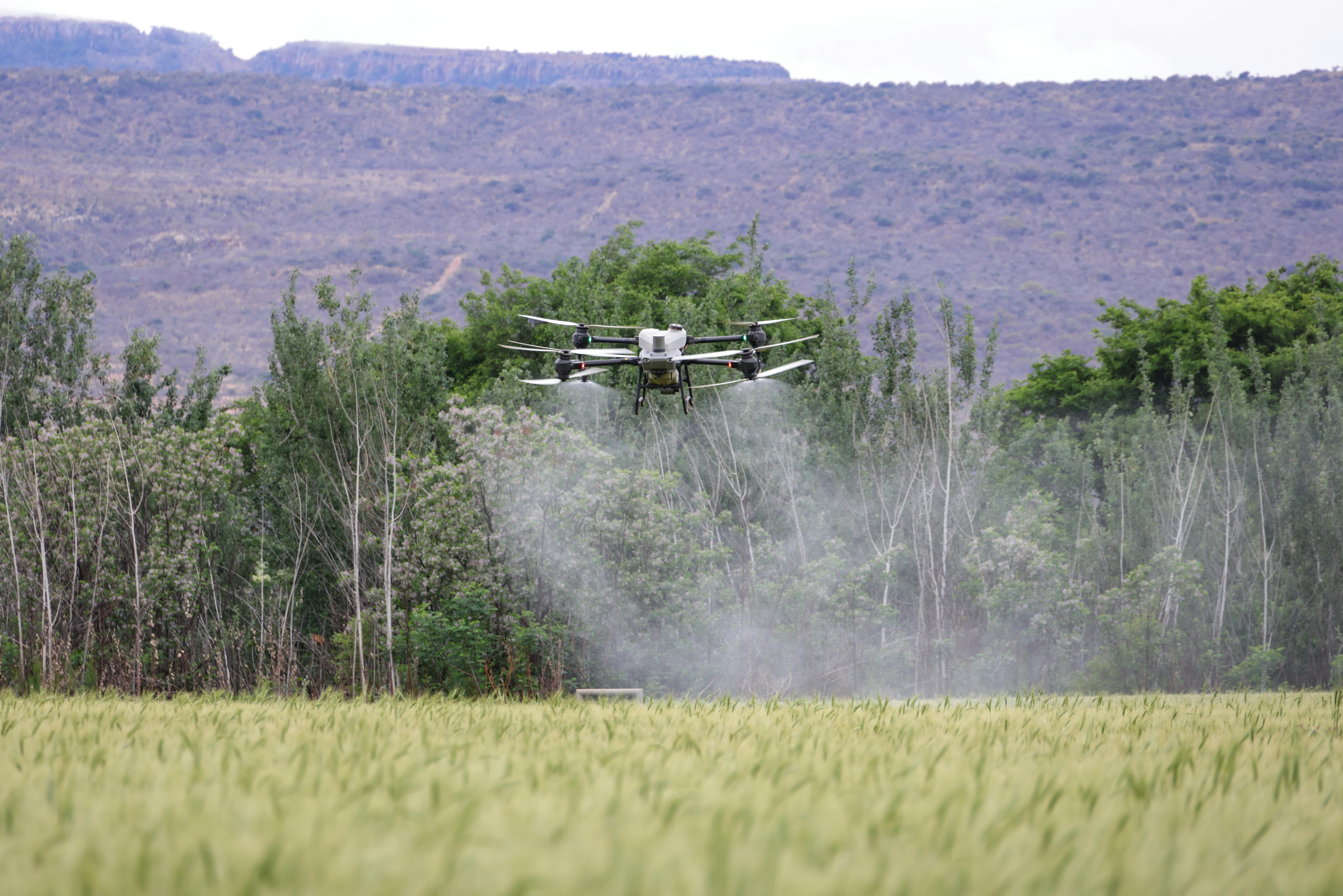
Transitioning to organic pest control requires a strategic approach, blending traditional wisdom with modern scientific understanding. Here are some key insights and actionable strategies that Kenyan smallholder farmers can implement to protect their crops effectively and sustainably.
1. Harnessing the Power of Neem-Based Biopesticides
Neem (Azadirachta indica) is a miracle tree in organic farming, offering powerful insecticidal and repellent properties. Neem-based biopesticides are highly effective against a wide range of pests, including aphids, spider mites, whiteflies, and even devastating pests like the Fall Armyworm, often performing as well as synthetic insecticides. They work by disrupting insect feeding, growth, and reproduction cycles, making them a cornerstone of organic pest management.
- Identification: Identify crops regularly afflicted by chewing or sucking insects (e.g., tomatoes, cabbages, beans).
- Application: Mix commercially available neem oil concentrates with water and a mild soap (as an emulsifier). For farmers seeking a reliable organic pest control solution, consider the Deepthi Pure Neem Oil for Plants – available on Amazon, offering concentrated efficacy.
- Timing: Apply sprays during cooler parts of the day (early morning or late evening) to maximize effectiveness and minimize stress on plants.
- Consistency: Regular application, especially during vulnerable growth stages, is crucial for sustained pest control.
2. Strategic Intercropping and Trap Cropping
Intercropping involves planting two or more crop species together in the same field, while trap cropping uses specific plants to lure pests away from cash crops. These methods enhance biodiversity and create a complex ecosystem that naturally deters pests.
- Repellent Plants: Plant garlic, onions, marigolds, and strong-smelling herbs alongside vulnerable crops. For instance, intercropping sukuma wiki with other vegetables not only boosts biodiversity but also reduces disease and pest outbreaks.
- 'Push-Pull' Strategy: This advanced intercropping technique involves using repellent plants (the 'push') to drive pests away from the main crop, and attractive plants (the 'pull') planted at the field borders to lure them away. A prime example is planting Desmodium between maize rows (push) and Napier grass around the field (pull) to control stem borers.
- Trap Crops: Marigolds, for example, are known to attract nematodes and other pests, diverting them from tomatoes and other susceptible plants. After pests congregate on the trap crop, it can be removed and destroyed to break the pest cycle.
3. Crafting Homemade Organic Sprays
Utilizing readily available local materials can significantly cut costs and provide effective pest control. These DIY solutions are safe, easy to prepare, and a testament to resourcefulness in organic farming.
- Garlic-Chili Spray: Blend crushed garlic, hot chili peppers, and a small amount of liquid soap with water. Strain the mixture and spray directly onto affected plants to repel aphids, whiteflies, and other soft-bodied insects.
- Neem Leaf Extract: Pound neem leaves and soak them in water overnight. Strain the mixture and use it as a spray. This provides a milder, yet effective, neem solution.
- Ash Application: Sprinkle wood ash directly onto plants, especially brassicas, to deter fleas and other crawling insects. It also provides essential nutrients to the soil.
For farmers looking to establish optimal growing conditions from the ground up, understanding your soil is paramount. A reliable tool can make all the difference. Consider investing in the PooTe Soil pH & Nitrogen Test Kit – available on Amazon, to accurately assess your soil’s needs and tailor your organic treatments for maximum impact.
Case Studies, Examples, or Comparisons
The success of organic pest control methods is not just theoretical; it's being demonstrated by dedicated farmers across Kenya. One inspiring example comes from smallholder maize farmers in Western Kenya who have successfully adopted the 'push-pull' intercropping technology. Developed by the International Centre of Insect Physiology and Ecology (ICIPE), this method has enabled farmers to significantly reduce damage from stem borers and Striga weed, leading to consistent increases in maize yields by 20% to over 50% in affected areas. This showcases how a well-implemented ecological approach can outperform conventional methods while enhancing the farm's overall health and productivity.
Another compelling instance involves vegetable farmers in peri-urban areas around Nairobi. Faced with soaring costs of synthetic pesticides and consumer demand for chemical-free produce, many have turned to homemade garlic and chili sprays, combined with regular monitoring. These farmers report a noticeable decrease in aphid and whitefly populations, alongside a significant reduction in their input costs. This practical application of locally-sourced materials underscores the economic viability and effectiveness of organic solutions for everyday pest challenges. According to a report by the Food and Agriculture Organization (FAO), such small-scale innovations are critical for building resilient food systems in developing countries, offering sustainable pathways to increased yields and food security. Learn more about FAO's work in Kenya.
Comparing these organic successes to chemical-intensive farming reveals stark differences. While chemical pesticides offer immediate knockdown effects, their long-term consequences include resistance development in pests, harm to beneficial insects, soil degradation, and potential health risks to farmers and consumers. Organic methods, conversely, build natural resilience over time, fostering a biodiverse environment where pests are kept in check by their natural enemies, leading to a more stable and productive agricultural system.
Common Mistakes to Avoid
Even with the best intentions, implementing organic pest control can face pitfalls. Being aware of these common mistakes can help smallholder farmers in Kenya navigate the transition more smoothly and effectively.
1. Neglecting Soil Health
Mistake: Focusing solely on visible pests without addressing the underlying health of your soil. Weak, nutrient-deficient plants grown in poor soil are inherently more susceptible to pest attacks.Correction: Prioritize soil fertility through regular application of compost, manure, and cover cropping. Healthy soil fosters robust plants that can naturally resist pests. Regular soil testing helps understand nutrient deficiencies and pH levels, guiding appropriate amendments. For robust soil, consider incorporating organic matter effectively.
2. Irregular Monitoring and Delayed Action
Mistake: Waiting until a pest infestation is severe before taking action. Organic methods often work best as preventive measures or when pest populations are small.Correction: Implement a daily or weekly scouting routine. Inspect the undersides of leaves, check new growth, and look for signs of pest activity. Early detection allows for timely and less intensive organic interventions, preventing widespread damage.
3. Improper Application of Organic Sprays
Mistake: Applying homemade or neem-based sprays incorrectly, such as during midday sun, or not covering all plant surfaces. This reduces effectiveness.Correction: Apply sprays in the early morning or late evening when temperatures are cooler and there's less wind. Ensure thorough coverage of all plant parts, especially the undersides of leaves where many pests hide. Reapply after rain or heavy dew.
4. Lack of Crop Diversity and Rotation
Mistake: Monocropping or planting the same crops in the same area year after year. This creates a continuous food source for pests and allows disease pathogens to build up in the soil.Correction: Practice crop rotation, changing the type of crop grown in a particular bed or field each season. Incorporate a variety of crops, including different plant families, to break pest cycles and enhance soil health. Intercropping further boosts this diversity.
5. Expecting Immediate, 'Chemical-Like' Results
Mistake: Becoming discouraged if organic methods don't provide the rapid, complete eradication seen with strong synthetic chemicals.Correction: Understand that organic pest control is about management and balance, not total elimination. The goal is to keep pest populations below economic damage thresholds while promoting a healthy ecosystem. Patience and consistent application of various methods are key to long-term success.
Expert Tips or Best Practices
As experts in sustainable farming, we at Biofarm Kenya understand that practical, locally relevant advice makes all the difference. Here are some best practices to elevate your organic pest control game:
- Embrace Biodiversity: Encourage beneficial insects by planting flowering herbs and native plants that provide nectar and pollen. Ladybugs, lacewings, and predatory wasps are natural allies in your fight against pests. Creating a habitat for these beneficial insects is a passive yet powerful form of pest control.
- Compost Power: Good compost is gold for your soil. It improves soil structure, enhances water retention, and provides a slow release of nutrients, all of which contribute to stronger, more pest-resistant plants. For those starting their composting journey, an effective catalyst can speed up the process. Maintain healthy soil with Espoma Organic Compost Starter – available on Amazon, helping you create nutrient-rich compost faster.
- Water Wisely: Proper irrigation can deter pests. Drip irrigation, for instance, delivers water directly to the plant roots, minimizing leaf wetness that can promote fungal diseases and keeping humidity lower around foliage, making it less attractive to some pests. For efficient water use, consider a reliable system like the Drip Irrigation Kit for Small Farms (Deluxe Size) – available on Amazon, ensuring your plants get the right amount of water without waste.
- Sanitation is Key: Regularly remove diseased leaves, fallen fruit, and weeds. These can harbor pests and pathogens, providing them refuge and breeding grounds. A clean farm is a healthy farm.
- Timely Planting: Plant crops at the optimal time for your region. Healthy plants established during their ideal growing season are naturally more resilient to pest pressure. Consult local agricultural calendars and experienced farmers.
- Build a Strong Foundation: A holistic approach to organic farming means focusing on prevention. This includes selecting disease-resistant varieties, maintaining nutrient-rich soil, and ensuring proper plant spacing for good air circulation. These foundational steps reduce stress on plants, making them less appealing targets for pests.
These tips, combined with consistent effort, will set your farm on the path to sustainable success. Explore sustainable organic farming solutions with Biofarm Kenya and empower your farm's future.
Future Trends or Predictions
The landscape of sustainable agriculture in Kenya and East Africa is rapidly evolving, driven by innovation and a collective commitment to resilient food systems. Farmers are increasingly adopting technologies that blend ecological principles with modern advancements, promising a future of smarter, more efficient organic farming.
1. Smart Irrigation Systems
Beyond traditional drip irrigation, expect to see more sophisticated, sensor-based irrigation systems tailored to local conditions. These systems use soil moisture sensors and weather data to deliver precise amounts of water, minimizing waste and optimizing plant health. This not only conserves precious water resources but also prevents conditions that could foster pest and disease outbreaks due to overwatering or inconsistent moisture.
2. Enhanced Biocontrol Agents
While neem-based biopesticides are already popular, research is continuously identifying and developing new, highly specific biocontrol agents. This includes introducing beneficial predatory insects, parasitoids, and microbial pesticides (based on fungi, bacteria, or viruses) that target specific pests without harming non-target organisms. The future will bring a wider array of effective, natural enemies to our farms.
3. AI-Driven Crop Monitoring and Precision Agriculture
Artificial Intelligence (AI) and drone technology are set to revolutionize pest detection. Drones equipped with advanced cameras can rapidly scan large areas of farmland, identifying early signs of pest infestations or plant stress before they become widespread. AI algorithms can then analyze this data to recommend precise, localized organic interventions, optimizing resource use and preventing large-scale crop damage.
4. Vertical Farming and Controlled Environment Agriculture (CEA)
For high-value crops and urban farming initiatives, vertical farming and other CEA models are gaining traction. By growing crops in stacked layers in controlled indoor environments, farmers can eliminate many external pest threats, reduce water usage significantly, and create optimal growing conditions year-round, ensuring consistent, high-quality organic produce.
5. Regenerative Agriculture Practices
The concept of regenerative agriculture, which focuses on rebuilding soil organic matter and restoring degraded soil biodiversity, will become mainstream. This goes beyond sustainability to actively improve ecosystem health. Practices like minimal tillage, cover cropping, and diverse crop rotations will be central, creating farming systems so healthy and balanced that pest outbreaks become rare exceptions rather than constant battles.
These trends highlight a future where Kenyan agriculture is not only productive but also profoundly integrated with ecological health, ensuring food security and environmental resilience for generations to come.
Conclusion
The shift towards organic pest control on Kenyan farms is more than just a preference; it's a commitment to a healthier, more sustainable, and ultimately more profitable agricultural future. By embracing evidence-based methods like neem-based biopesticides, strategic intercropping, and resourceful homemade solutions, smallholder farmers can significantly reduce their reliance on costly chemical inputs. This approach not only protects precious crops but also enriches soil health, enhances biodiversity, and safeguards the well-being of both farming communities and consumers.
The reported 37% reduction in pest damage and 40% savings on chemical costs demonstrate the tangible benefits awaiting those who adopt these ecological practices. As we look ahead, the integration of smart technologies and regenerative agricultural principles will further empower farmers to cultivate thriving, resilient farms. It’s a journey towards self-sufficiency, ecological harmony, and robust food security for Kenya.
Discover trusted organic farming tools on Amazon and learn more about sustainable solutions with Biofarm Kenya.
FAQs
Q1: What are the immediate benefits of switching to organic pest control for Kenyan smallholder farmers?
A1: Immediate benefits include reduced exposure to harmful chemicals, significant cost savings on synthetic pesticides, and improved soil health. Furthermore, organically grown produce often fetches better prices in local markets due to increasing consumer demand for chemical-free food. Route to Food Initiative provides insights into pesticide impacts in Kenya.
Q2: How effective are neem-based biopesticides against common Kenyan farm pests like aphids?
A2: Neem-based biopesticides are highly effective against a wide array of soft-bodied pests, including aphids, whiteflies, and spider mites. They work as an antifeedant, repellent, and insect growth regulator, disrupting pest life cycles. Studies in Kenya have shown their efficacy to be comparable to, and in some cases surpassing, synthetic alternatives, particularly when used consistently. CABI (Centre for Agriculture and Bioscience International) offers more information on neem's effectiveness.
Q3: Can intercropping really replace chemical pest control entirely for serious infestations?
A3: While intercropping significantly reduces pest pressure and enhances natural pest control, for very severe infestations, it may need to be complemented with other organic methods like targeted biopesticide applications or homemade sprays. Intercropping is a powerful preventive and management tool that reduces the likelihood and severity of infestations, minimizing the need for reactive measures. GrowPact Kenya highlights benefits of intercropping.
Q4: What resources are available in Kenya for farmers wanting to learn more about organic pest control?
A4: Several organizations in Kenya offer training and resources. The Kenya Agricultural and Livestock Research Organization (KALRO) regularly conducts workshops. NGOs like the Organic Agriculture Centre of Kenya (OACK) and Biofarm Kenya also provide valuable training, practical demonstrations, and support networks. Farmers can access manuals, field days, and expert advice. KALRO's official website is a great starting point for research and outreach programs.
Q5: How can farmers test their soil health to inform organic pest control strategies?
A5: Soil testing is crucial. Farmers can collect soil samples and send them to agricultural laboratories available through county governments or private companies in Kenya. Simple on-farm tests for pH can also be done using affordable kits. Understanding soil pH, nutrient levels, and organic matter content helps farmers amend their soil correctly, leading to healthier plants that are more resistant to pests. Explore Biofarm Kenya's resources for more on soil health.
Q6: What role do beneficial insects play in organic pest management and how can I attract them to my farm?
A6: Beneficial insects like ladybugs, lacewings, parasitic wasps, and hoverflies are natural predators or parasites of common farm pests. They play a vital role in keeping pest populations in check, reducing the need for direct intervention. You can attract them by planting a diversity of flowering plants (e.g., coriander, dill, marigolds, cosmos) that provide nectar and pollen, creating insectaries, and avoiding broad-spectrum pesticides that harm them. Farm Africa works with farmers on sustainable agriculture practices that support biodiversity.


0 Comments